


Idaho 4 Murder Twist: Why Bryan Kohberger's Attempt to Wipe His Digital Trail Helped Lead FBI Straight to Him

Bryan Kohberger's efforts to wipe his digital trail did him in.

April 21 2026, Published 1:30 p.m. ET


Bryan Kohberger desperately tried to hide his digital trail after he slaughtered four college students, but RadarOnline.com can reveal the killer's plan backfired and helped the FBI nab him.
When Jeff Tanzola, a supervisory special agent in Philadelphia’s FBI field office, received Kohberger's devices, including his phone and laptop, in 2023, he noticed something peculiar.
'And in the Middle of That, Four People Were Killed'

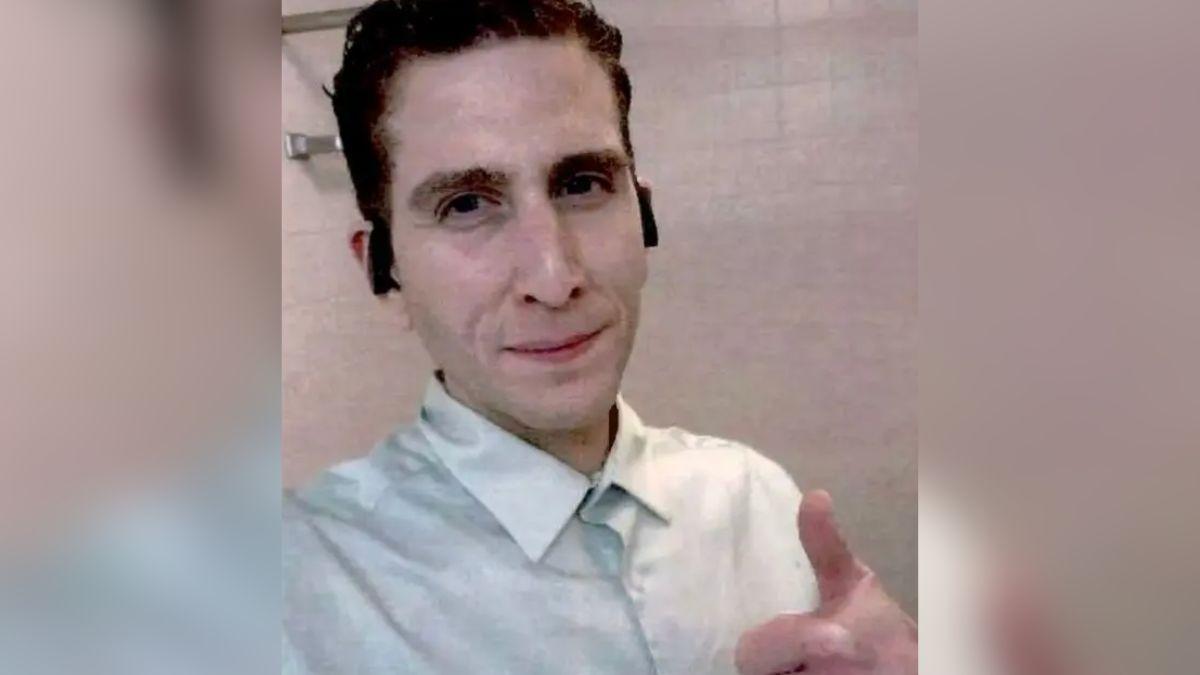
Kohberger attempted to wipe his digital trail before and after the murders.
"A lot of times when you get a phone, you get a computer, there's a lot of evidence that just jumps off the screen at you," he explained to The Independent. "This was not the case with that. It was the complete opposite of that."
It seemed that Kohberger, who was arrested for murdering Kaylee Goncalves, Madison Mogen, Ethan Chapin, and Xanda Kernodl, attempted to disappear from the digital space on the night of the deaths, November 13, 2022. It was only one of four periods of inactivity dating back to June 2022; however, forensic experts noticed Kohberger made a crucial mistake, as they discovered his pattern of voids leading up to the murders.
"He didn't just lose signal or run out of battery," Jared Barnhart, the Cellebrite head of global engagement, explained. "This was an actual button press, power off, on purpose, and then a power back two hours later. And in the middle of that, four people were killed."
According to experts, the digital evidence was key to showing the deaths were premeditated.

Kohberger killed four college students in November, 2023.
Tanzola recalled not being able to find anything on Kohberger's devices and noted, "... I wasn't finding what I needed to find. You'd still think you’d be able to find remnants on that phone or his computer. But that really wasn't there. Nothing was really jumping off the screen."
He then reached out to fellow FBI investigators and to Cellebrite, a digital forensics company that provides specialized software to unlock critical data.
"And that's how we got moving," Tanzola said. "And that's really what I want to portray for this partnership."
While it was discovered Kohberger deleted a huge amount of information leading up to the murders, he wasn't as careful following his vicious crime.
Bryan Kohberger's Mistakes
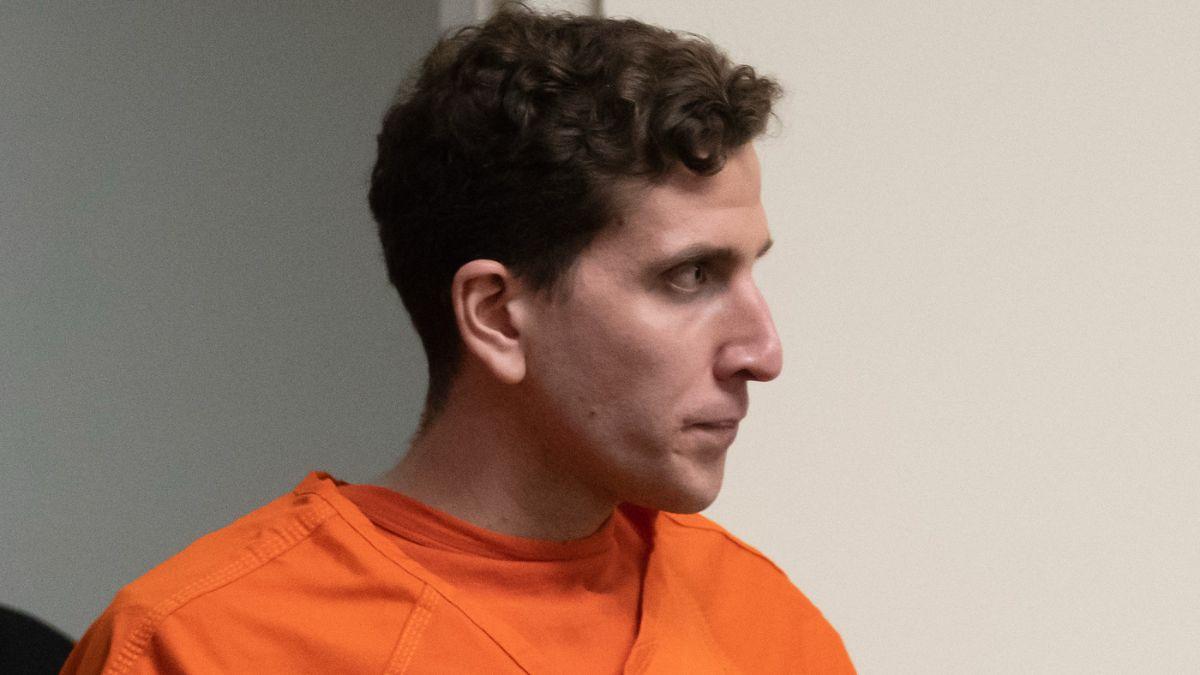
Forensic experts noticed a pattern with Kohberger's digital activity, which helped the FBI nab him.
"If you looked at it in the timeline, that is normal activity, but then see absolutely no activity for a certain time frame, obviously the timeframe around the homicide, and then there is activity again,” Tanzola explained.
Just one day before his arrest, it was discovered Kohberger had searched terms like "psychopath," "paranoid," and "wiretapping." Kohberger had also disabled the WiFi access on his devices and routed his traffic through NordVPN, a tool designed to anonymize online activity.
"I think it was little moments that kind of came together. His hard drive was glaringly absent. And for me, that was weird," Heather Barnhart, senior digital forensics expert at Celibate, said. "So there were so many things that just gave me doubt, but I think all of that cleanup. What are you hiding?"
She added, "There wasn’t a single smoking gun. But we found that the digital evidence told the story of preparation."

Never Miss an

Daily updates from the heart of Hollywood, right to your inbox
By entering your email and clicking Sign Up, you’re agreeing to let us send you customized marketing messages about us and our advertising partners. You are also agreeing to our Terms of Service and Privacy Policy.
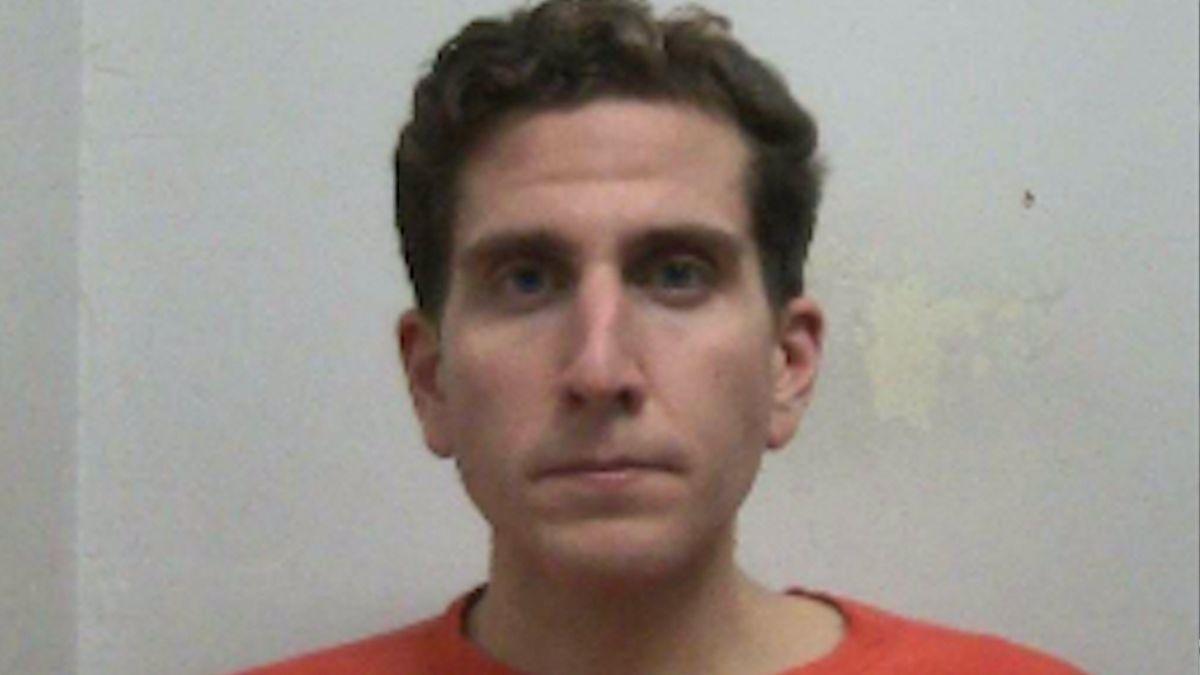
The evidence was set to be presented in his trial before he pleaded guilty.
Celibate was set to testify at the trial, and prosecutors were also prepared to use the digital evidence along with the physical evidence, which included a knife sheath found with the bodies and was tied back to Kohberger.
However, the 30-year-old pleaded guilty and was sentenced to rot behind bars for the rest of his life. Kohberger is currently serving his life sentence at the Idaho Maximum Security Institution (IMSI), where it is said he is kept in a cell all by himself and is only let out one hour a day for recreation; however, he is in restraints.
