


EXCLUSIVE: Robin Williams' Behavior Became 'More Erratic' After Tragic Parkinson's Disease Misdiagnosis, Source Claims

Robin Williams died by suicide in 2014.
Aug. 10 2026, Updated 2:20 p.m. ET


Robin Williams spent his final days suffering from symptoms that were actually caused by a form of dementia after being misdiagnosed with Parkinson's disease.
Ahead of the 12th anniversary of the beloved comedian's tragic death, RadarOnline.com revisits his private health battle and the joy he brought into the lives of fans and entertainers alike throughout his Hollywood career.
Robin Williams Misdiagnosed With Parkinson's Disease

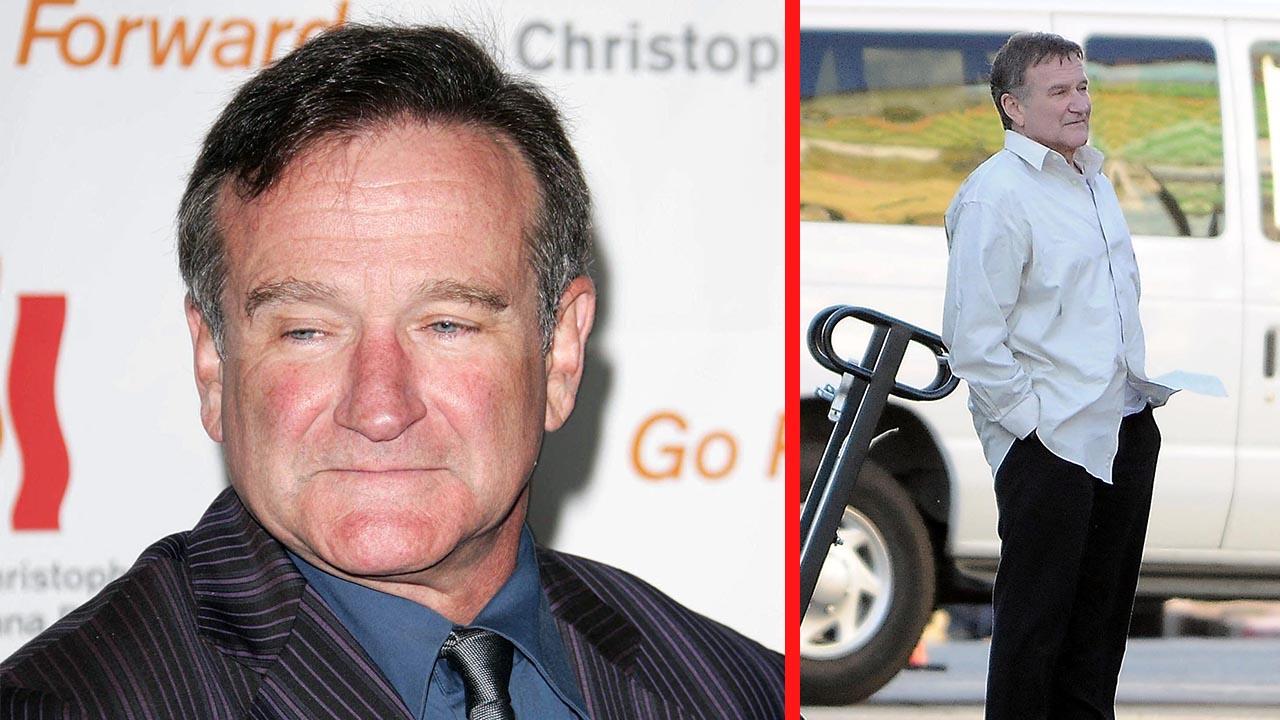
Robin Williams was initially misdiagnosed with Parkinson's disease.
In 2014, Williams sought medical opinions after experiencing stiffness, tremors and issues with his memory. He was told that he had Parkinson's disease mere months before he died.
However, after his death, medical examiners determined he actually had Lewy body dementia.
According to the Mayo Clinic, LBD is an extremely common type of dementia that affects brain function, including "thinking, memory and movement." Unfortunately, the symptoms often mimic Parkinson's disease, such as feelings of rigid muscles, tremors and mobility issues, leading to the risk of misdiagnoses.
"At first, he was diagnosed with Parkinson’s disease," a longtime friend told Radar in a resurfaced interview. "But Robin’s behavior began to become more and more erratic and bizarre."
'He's Lost the Spark'
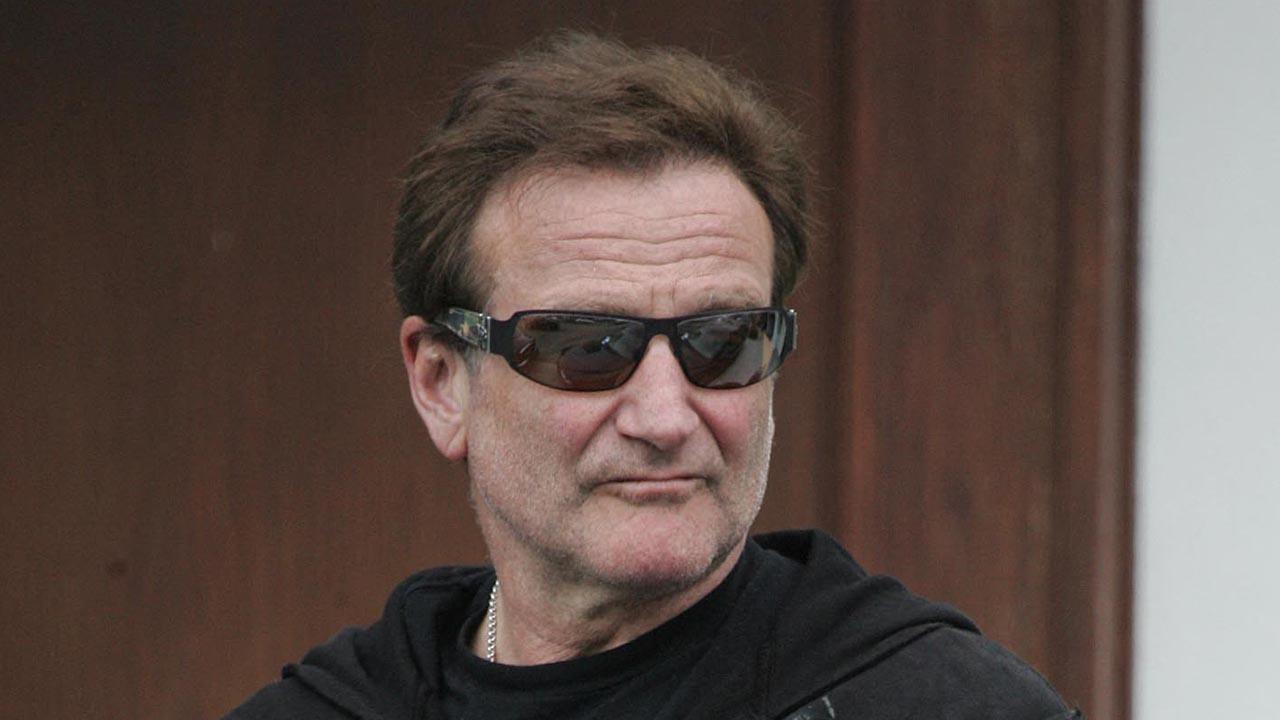
Robin Williams worried family, friends and colleagues in the months leading up to his death.
According to Dave Itzkoff's 2018 tell-all Robin, the Hook actor was riddled with anxiety and insomnia in his final days as he was allegedly convinced something else was wrong with him. Things became so bad that Williams' third wife, Susan Schneider, was worried for his physical and mental well-being.
As he suffered health setbacks, he also went through career setbacks, including his sitcom The Crazy Ones being canceled after only one season in 2013.
Over time, sources claimed that Williams lost weight and wasn't acting like himself.
"I would come home and say to my husband, ‘Something is wrong. He’s flat. He’s lost the spark, I don’t know what it is,'" Williams' Mork & Mindy costar Pam Dawber said in Itzkoff's book.
Makeup Artist Recalls Tragic Encounters With Robin Williams
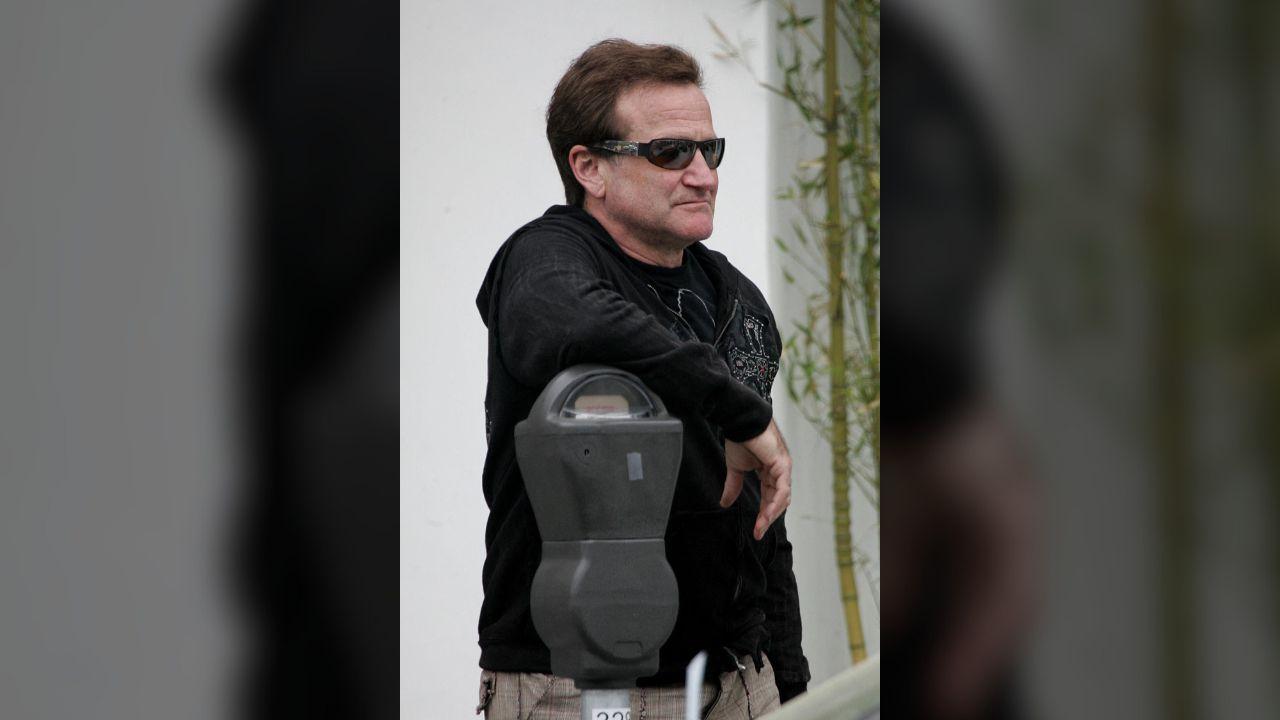
Robin Williams worried he didn't 'know how to be funny' anymore, according to a makeup artist.
Makeup artist Cheri Minns, who worked on Night at the Museum: Secret of the Tomb, also recalled Williams becoming very emotional over forgetting his lines.
"He was sobbing in my arms at the end of every day. It was horrible," she told Itzkoff. "I said to his people, ‘I’m a makeup artist. I don’t have the capacity to deal with what’s happening to him.'"
At one point, Minn said she suggested Williams could try going back to stand-up comedy, but that only made him more upset.
"He just cried and said, ‘I can’t, Cheri ... I don’t know how anymore ... I don’t know how to be funny.'"
Three months after his Parkinson's diagnosis, Williams died by suicide.
Robin Williams Constantly Helped and Encouraged Others
Never Miss an

Daily updates from the heart of Hollywood, right to your inbox
By entering your email and clicking Sign Up, you’re agreeing to let us send you customized marketing messages about us and our advertising partners. You are also agreeing to our Terms of Service and Privacy Policy.
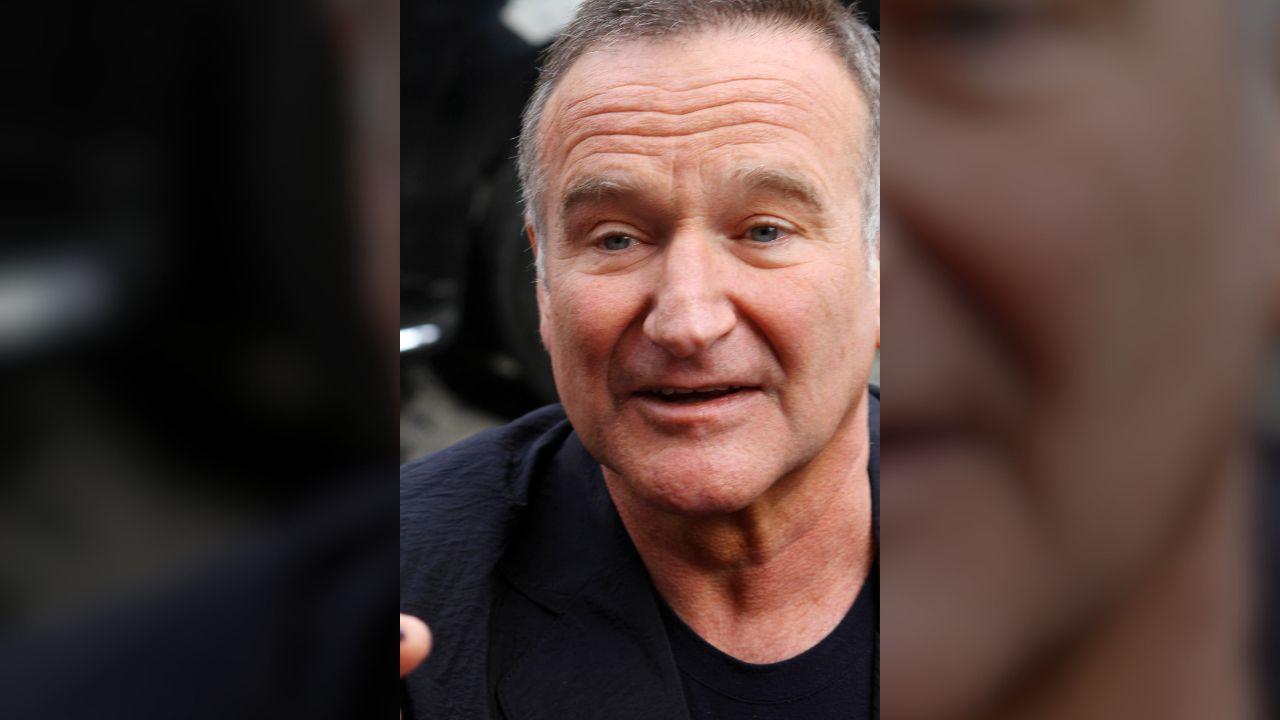
Robin Williams was known for being kindhearted.
Despite the heartbreaking way he died, Williams was known for his kindness, compassion and support for others throughout his life.
When Superman actor Christopher Reeve was left paralyzed in a serious horseback riding incident, Williams helped pay his medical bills and build wheelchair ramps for his home. Another time, he made a personal visit to Sharon Osbourne when she was considering giving up chemotherapy treatments amid her 2002 battle with colon cancer.
"We went from crying, not knowing what to do, to peeing ourselves laughing because we could hear Mom upstairs in her room laughing with Robin," their daughter Kelly Osbourne said. "The next day it changed everything, and Mom went back to chemo."
Williams was also fondly remembered by his child co-star Lisa Jakub, who played Lydia Hillard in Mrs. Doubtfire.
"One day on set, I was very upset because I had received this letter from my high school saying that it was too difficult for them to work long-distance with me, and that I just shouldn’t come back to high school," Jakub explained in a past interview. "I told him what happened, and he wrote a letter to my school asking them to please reconsider."
"I don’t know if he ever knew how massive that was and how much I felt like he was in my corner."
