


EXCLUSIVE: King Charles Urged to Give Speech to the World as Monarchy Faces 'Total Collapse' Under Weight of Andrew Windsor's Epstein Mess

King Charles' next step could be vital to the monarchy.
Feb. 23 2026, Published 4:45 p.m. ET


RadarOnline.com can reveal King Charles is facing intensifying demands to address the world on television over the arrest of his disgraced younger brother, Andrew Mountbatten-Windsor, with constitutional experts warning any further delay risks hardening into a crisis of confidence in the royals reminiscent of 1997.
Charles, 77, has so far limited his response to a written statement after Andrew, 66, was arrested last week on suspicion of misconduct in public office.
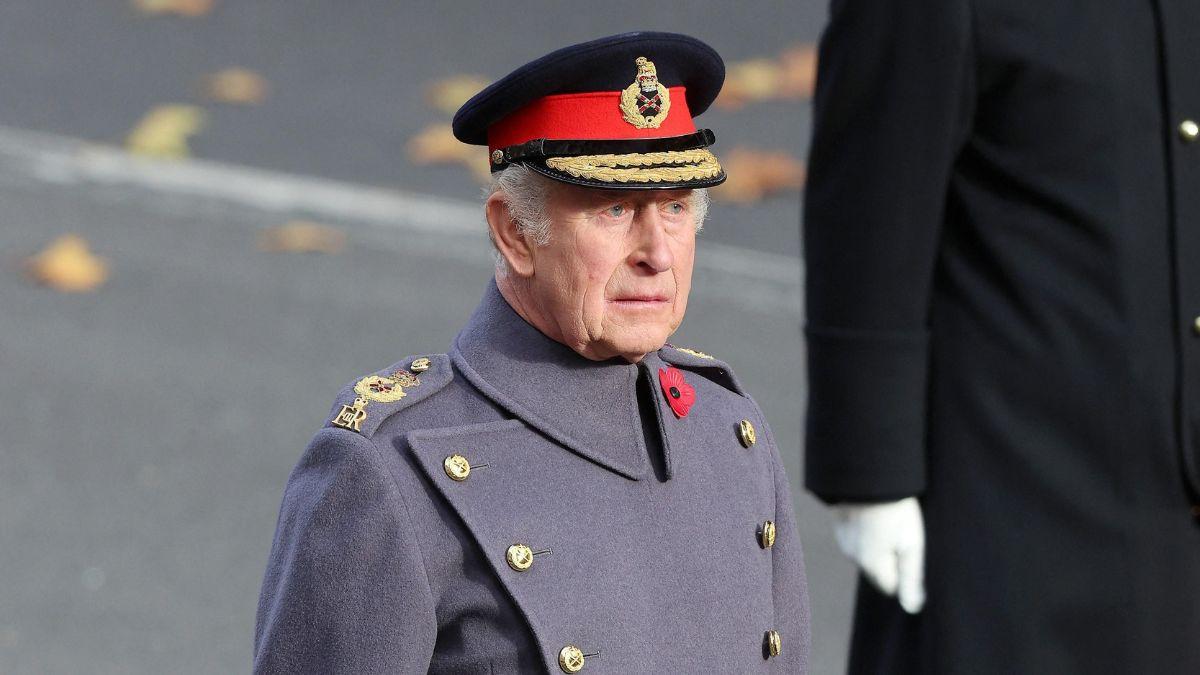
King Charles issued a rare signed message regarding his brother’s arrest.

Thames Valley Police held Andrew for questioning for nearly 12 hours following coordinated searches at Wood Farm on the Sandringham estate in Norfolk and Royal Lodge in Windsor Great Park.
He was released "under investigation." The allegations relate to claims that, while serving as the U.K.'s trade envoy between 2001 and 2011, Andrew shared sensitive material with his pedophile pal Jeffrey Epstein. Andrew has consistently denied wrongdoing.
In a rare signed message, Charles said: "Let me state clearly: the law must take its course." He pledged "full and wholehearted support and co-operation" with the investigation – but he has not addressed the country in person.
'Formality Alone May Not Be Enough'
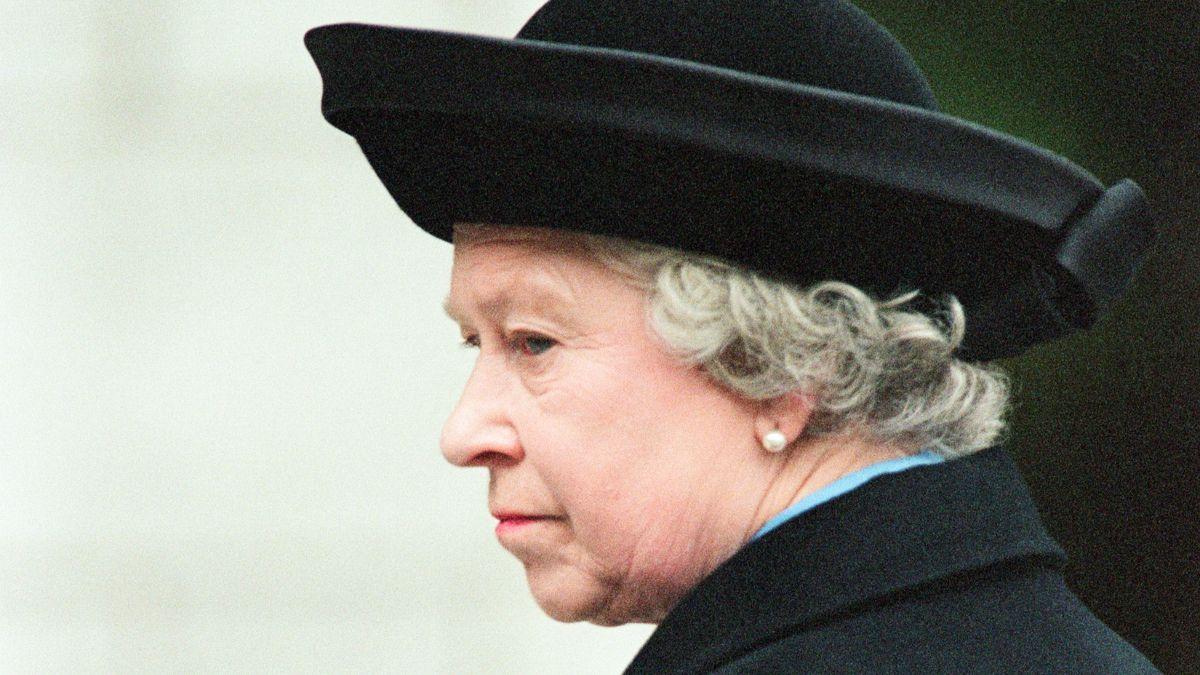
The late Queen delivered a live broadcast to steady the national mood.
For some observers, that absence is becoming untenable. One royal historian said, "This is one of those defining flashpoints that will frame public perceptions of Charles for decades. A written statement satisfies constitutional convention, but the national mood is febrile. In moments like this, formality alone may not be enough."
They added: "The lesson of 1997 looms large. After Diana's death, the late Queen believed privacy and protocol were the correct response. The public interpreted that silence very differently. The atmosphere can shift quickly from patience to resentment when people feel unheard."
In August 1997, Queen Elizabeth II remained at Balmoral with Princes William and Harry following Princess Diana's fatal car crash. Her delay in speaking publicly drew fierce criticism before she delivered a live broadcast in which she said: "What I say to you now, as your Queen and as a grandmother, I say from my heart."
She added, "First, I want to pay tribute to Diana myself. She was an exceptional and gifted human being. In good times and bad, she never lost her capacity to smile and laugh nor to inspire others with her warmth and kindness."
The address was widely credited with steadying a volatile national mood.
King Charles Stays Quiet
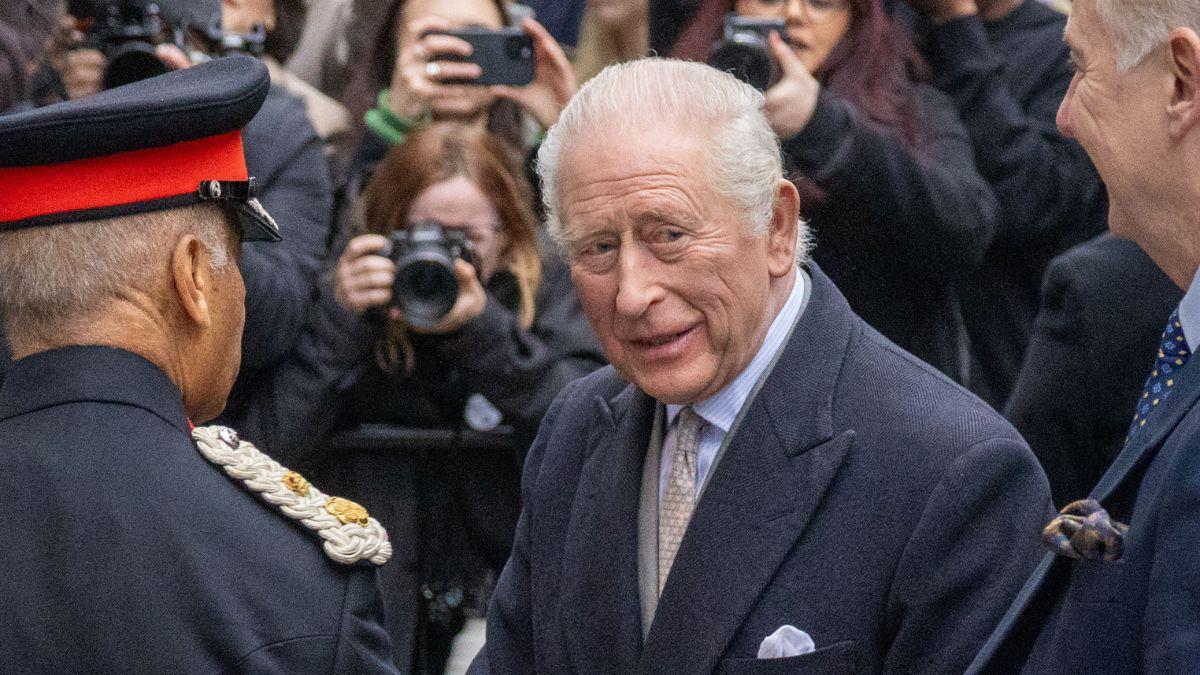
Protesters heckled King Charles during his appearance at London Fashion Week.
A former palace aide said the present moment carries similar volatility. They said: "Legally, the King is right to avoid prejudicing an active investigation. But the risk calculus is changing by the day. The longer there is no direct engagement, the more space opens up for doubt and speculation."
The insider: "A broadcast would not interfere with due process. It would signal that the sovereign recognizes the gravity of the moment and the anxiety it is generating. Silence, however well-intentioned, can begin to look like distance."
Charles is continuing public duties while undergoing treatment for an undisclosed form of cancer and was heckled at London Fashion Week in the days after Andrew's arrest.

Never Miss an

Daily updates from the heart of Hollywood, right to your inbox
By entering your email and clicking Sign Up, you’re agreeing to let us send you customized marketing messages about us and our advertising partners. You are also agreeing to our Terms of Service and Privacy Policy.
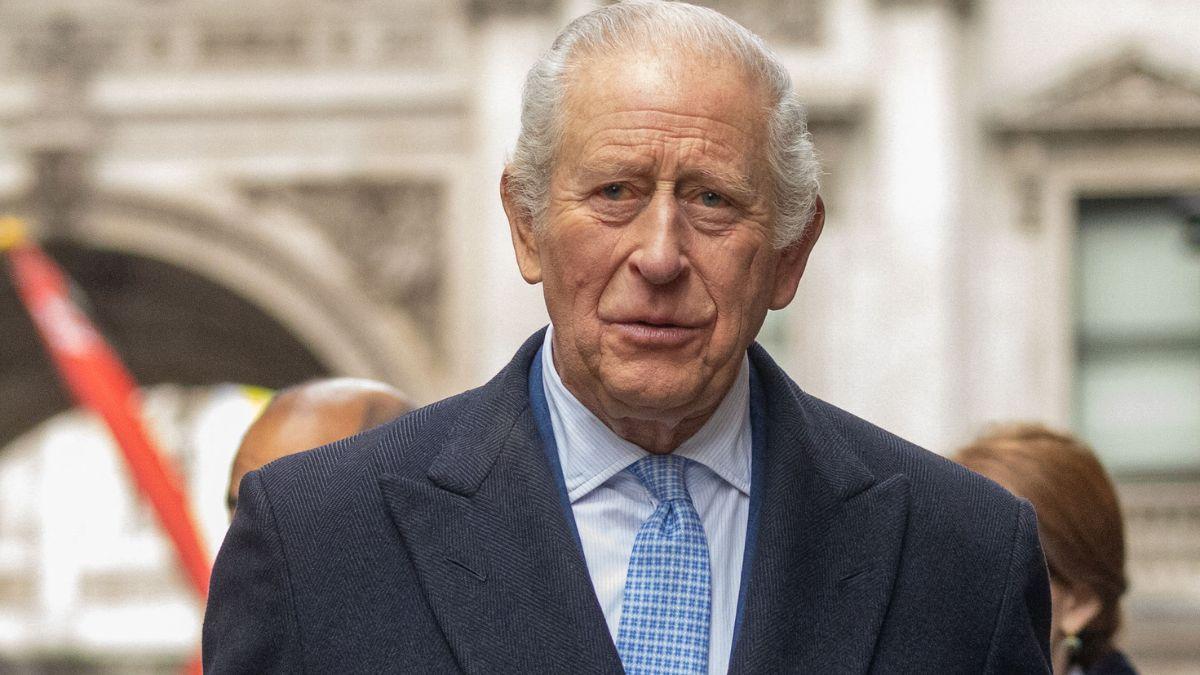
Constitutional experts have warned the King about a potential crisis of confidence.
A constitutional expert said: "The monarchy's strength rests not only on legal propriety but on public trust. When that trust is shaken, immediacy matters. Seeing the King speak – not simply reading his words – carries symbolic force that a printed statement cannot replicate."
They added: "After Diana's death, the turning point came when the Queen appeared on camera. The question now is whether Charles will act pre-emptively or wait until public pressure crescendos."
A senior royal watcher said, "This is rapidly becoming a test of leadership under strain. Charles has spent years refining a vision of a modernized Crown. But moments of acute controversy demand emotional intelligence as much as constitutional discipline. The country is unsettled. The expectation to hear from its head of state is growing louder by the hour."
