


EXCLUSIVE: How Jeffrey Epstein Kept a Secret Donald Trump File — and Stabbed Prez in Back by Compiling Alleged Dossier for Federal Prosecutors

June 23 2026, Published 4:38 p.m. ET


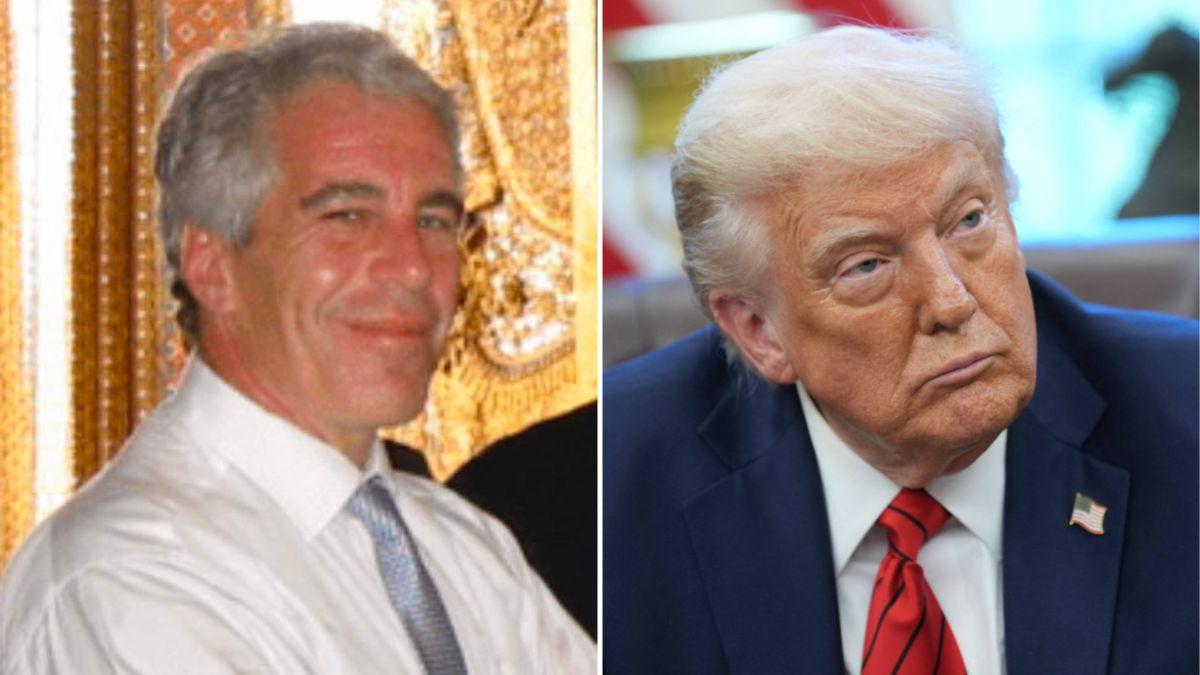
Jeffrey Epstein sought to provide federal prosecutors with information alleging Donald Trump was a broke "con artist," RadarOnline.com can reveal.
That's according to newly disclosed documents, which suggest the convicted s-x offender was considering sharing details about the then-president while facing sex trafficking charges in a New York jail.
Epstein Notes Targeted Donald Trump

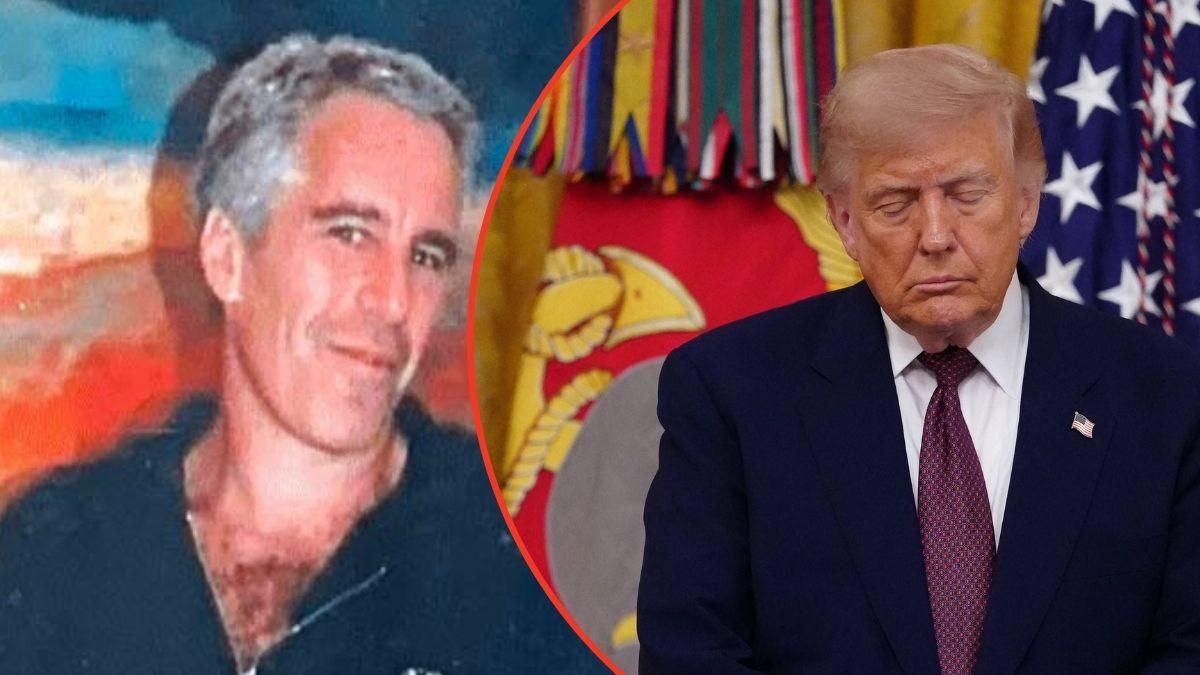
Epstein considered sharing information about Trump before death.
Epstein, who was 66 when he died in August 2019, was being held at the Metropolitan Correctional Center in Manhattan awaiting trial on federal sex trafficking charges, to which he had pleaded not guilty, and passed away from an apparent suicide.
Documents released by the US Department of Justice indicate lawyers representing pedophile sex trafficker Epstein discussed the possibility of a formal proffer agreement with prosecutors in the days before his death.
Under such an arrangement, defendants can offer information, which may assist ongoing investigations.
Notes written by Epstein are said to show he was particularly focused on what information he could provide concerning Trump, now 80, who was serving his first term in the White House at the time.
Among handwritten remarks attributed to Epstein were the statements: "Trump is a total con artist – smoke & mirrors" and "Never had money."
The notes were reportedly made about a month before Epstein was found dead in his cell.
Epstein Allegedly Sought Cooperation Deal
Epstein allegedly sought leverage by offering information on elites.
Sources familiar with the documents say Epstein appeared eager to position himself as a potentially valuable witness as prosecutors intensified pressure on him – and branded him a "snitch" who was acting as a spy on Trump to try and curry favor with authorities.
One insider told us: "What emerges from these records is a man trying to convince authorities he still had leverage. Epstein believed information about powerful figures could improve his standing and was actively cataloging what he thought investigators might find useful."
Another source added: "The notes suggest Epstein saw an opportunity to trade knowledge for cooperation. Whether that information had value is a separate question, but he was clearly attempting to present himself as someone with access to influential people and insider details.
"These papers show a defendant under enormous pressure who appeared determined to demonstrate he possessed information extending far beyond his own case. The references to Trump stand out because they reveal where much of his attention was directed."
Mysterious Note Emerges From Jail
Epstein penned cryptic note as Trump denied wrongdoing.
The documents also reportedly reveal on July 22, 2019, four days after a judge denied his request for bail, Epstein wrote "J'ACCUSE" across the top of a legal pad.
The phrase is widely associated with French writer Emile Zola's famous 1898 open letter criticizing the prosecution of Alfred Dreyfus, a Jewish French army officer who was later exonerated.
Trump has repeatedly denied any wrongdoing connected to Epstein.
Although the pair moved in similar social circles during the 1990s and early 2000s, Trump has insisted he severed ties with Epstein more than two decades ago and expelled him from the Mar-a-Lago club in Florida.
The president has also said he had no knowledge of the young women and girls whom Epstein groomed and trafficked.
Abigail Jackson, a White House spokesperson, defended Trump, saying: "Just as President Trump has said, he's been totally exonerated on anything relating to Epstein."

Vice President Questions Official Narrative

Never Miss an

Daily updates from the heart of Hollywood, right to your inbox
By entering your email and clicking Sign Up, you’re agreeing to let us send you customized marketing messages about us and our advertising partners. You are also agreeing to our Terms of Service and Privacy Policy.
Vice President defended White House transparency on Epstein.
The latest disclosures came as Vice President JD Vance reignited debate surrounding Epstein's death during an appearance on ABC's The View.
Vance described himself as a "conspiracy theorist" regarding aspects of the case and said he had pushed for greater transparency around the release of Epstein-related files.
"I am frankly kind of a conspiracy theorist on the Epstein stuff, and that story says that," Vance said.
He added: "I wanted to have full transparency. What I disagree with is the idea that the White House wasn't committed to full transparency."
