


Inside Pete Hegseth's Scandal-Plagued Pentagon Reign — From 'Signalgate' to Military Purges as Rumors Intensify He Could Be Fired

Pete Hegseth's time as Defense Sec. has drawn backlash.
Oct. 8 2026, Published 5:00 p.m. ET


Defense Secretary Pete Hegseth is reshaping the Pentagon through a sweeping campaign of leadership changes, workforce cuts, and military policy revisions, as President Trump pursues a more forceful "American First" foreign policy, RadarOnline.com can reveal.
However, critics warn that this effort could weaken the expertise and independence the military needs.
Pete Hegseth Introduces Leadership and Workforce Cuts

Hegseth, 46, said he aims to restore accountability and a "warrior ethos" to a department he sees as too bureaucratic and detached from the battlefield. Over a dozen senior military leaders have been fired, forced out, or left earlier than expected after the Defense Secretary took charge.
This included former Joint Chiefs Chairman Gen. Charles 'CQ' Brown Jr., former Navy chief Adm. Lisa Franchetti, and Army Chief of Staff Gen. Randy George. In several cases, the Pentagon has not publicly detailed the reasons for their departures.
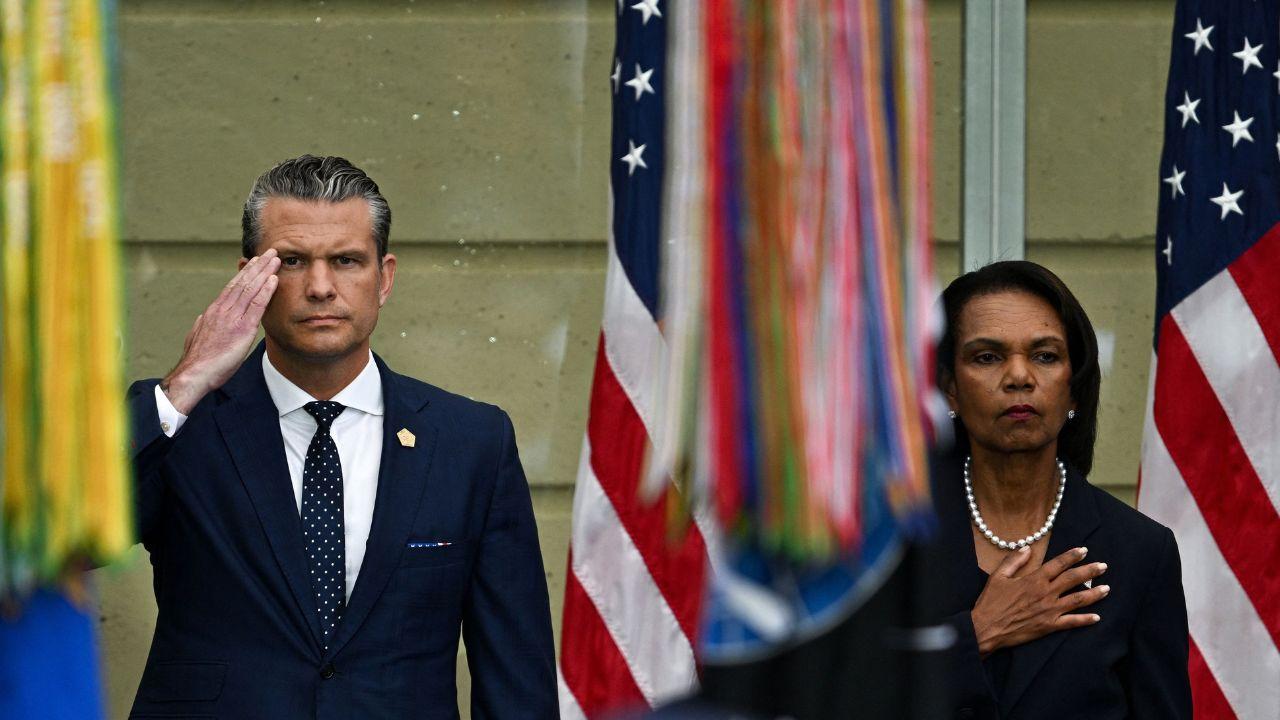
Hegseth announced he will cut 20 percent of General and Flag Officer positions.
Hegseth also announced plans to cut 20 percent of general and flag officer positions by January 1, 2027, affecting roughly 800 posts. He argues the military has too many senior officers and layers of headquarters. The civilian workforce has also shrunk.
Pentagon employment fell from more than 793,000 in January 2025 to 714,780 a year later, a decrease of 10 percent. The department approved roughly 53,200 deferred resignations and imposed a hiring freeze.
The Government Accountability Office found that the Pentagon didn't consistently assess how the 2025 civilian cuts affected workload, readiness, and other functions. Some officials reported benefits from streamlining, while others cited problems from reduced capacity.
A Shift In Military Priorities
Hegseth's agenda goes beyond staffing; the Pentagon dismantled its diversity, equity, and inclusion infrastructure. These changed policies have affected transgender service members and pushed for s-x-neutral physical standards for combat roles.
The Defense Secretary says service members should meet the job requirements, regardless of demographic targets. He has also emphasized grooming and fitness standards and criticized what Hegseth calls the military’s "woke" culture. The moves have won support among some conservative veterans.
This has drawn criticism from those who see partisan politics entering the armed forces.
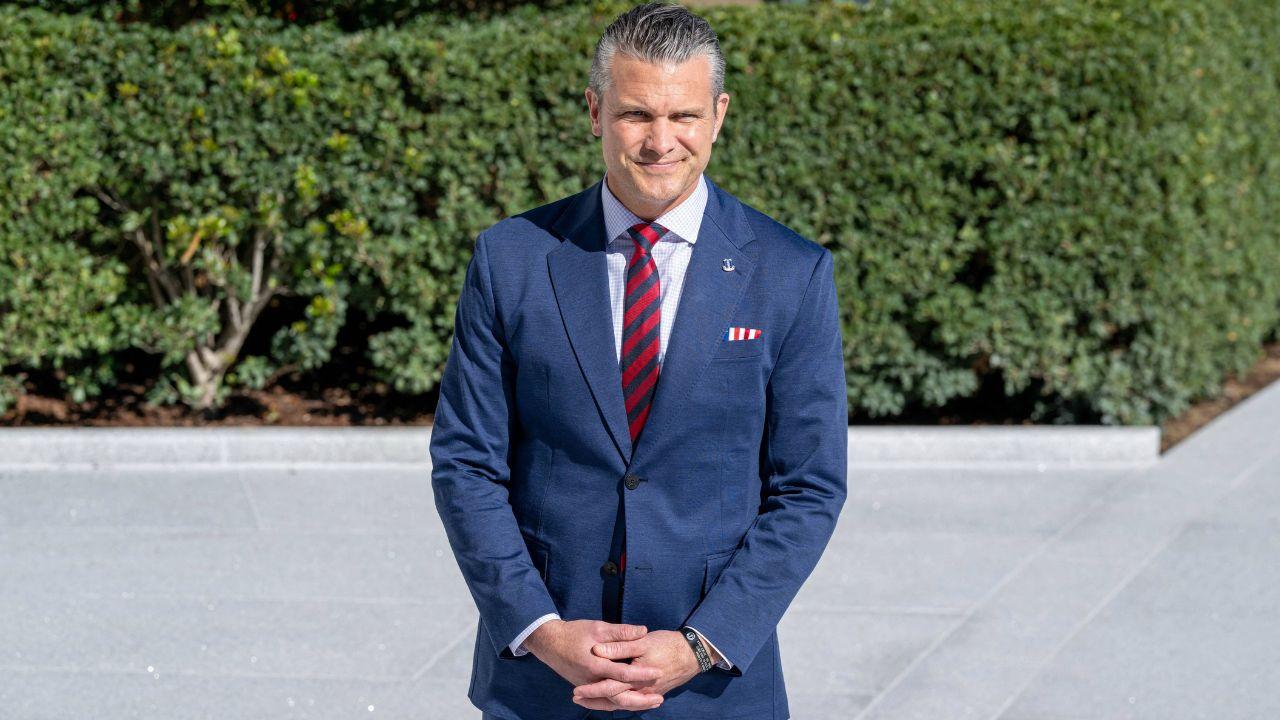
The program focuses on autonomous warfare amidst wars in Ukraine and the Middle East.
At a September speech at Quantico, Hegseth accused some senior officers of treating civilian control of the military as a "suggestion."
He previously established an Office of Religious Affairs reporting directly to him. The Pentagon says it will strengthen religious support and chaplaincy; critics worry it could give evangelical Christianity outsized influence.
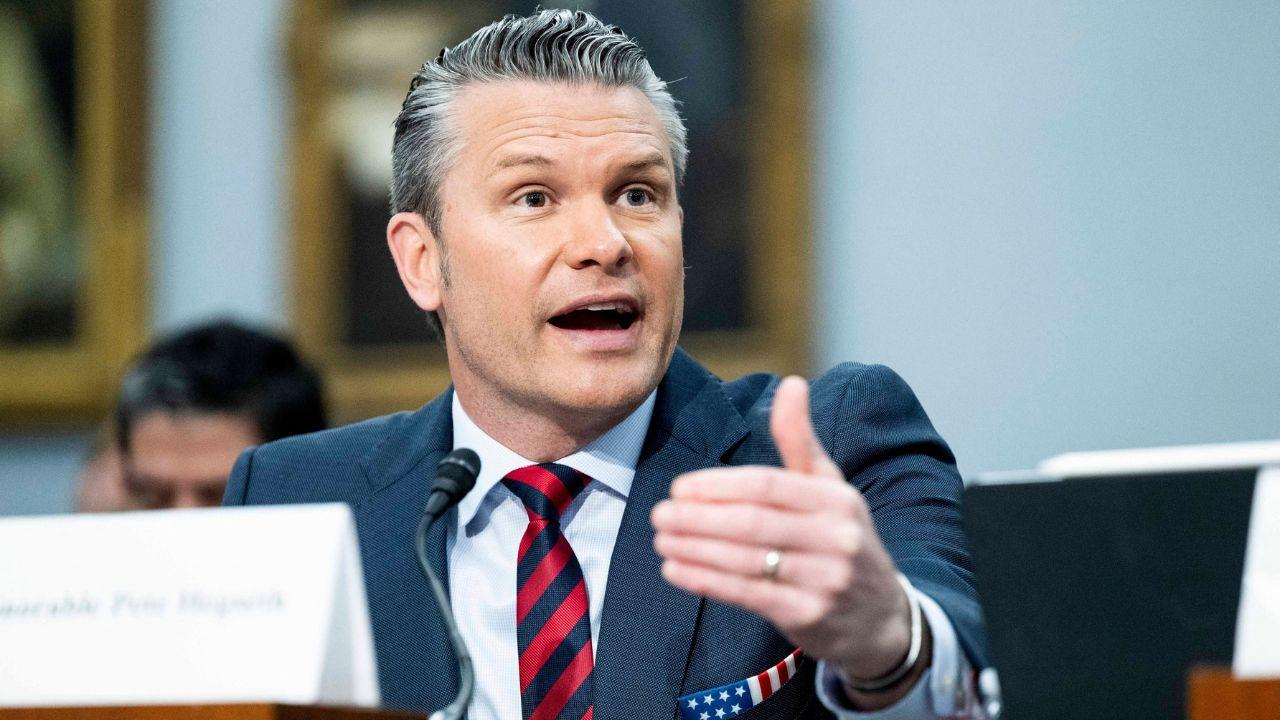
Ukraine and Middle East wars have increased the demand for AI and drones.
Pete Hegseth to Address Military Complaints
Some of Hegseth’s goals address long-standing complaints across the defense sector: slow procurement, costly weapons, and difficulty adopting commercial technology. Wars in Ukraine and the Middle East have highlighted the growing role of drones, artificial intelligence, and electronic warfare.
In September 2026, Hegseth announced Autowarcom (Autonomous Warfare Command), a new four-star command focused on autonomous warfare. The Pentagon is also reviewing future warfare with input from technology and political figures.
The broader goal is to field more affordable, adaptable systems alongside traditional weapons and strengthen domestic supply chains.

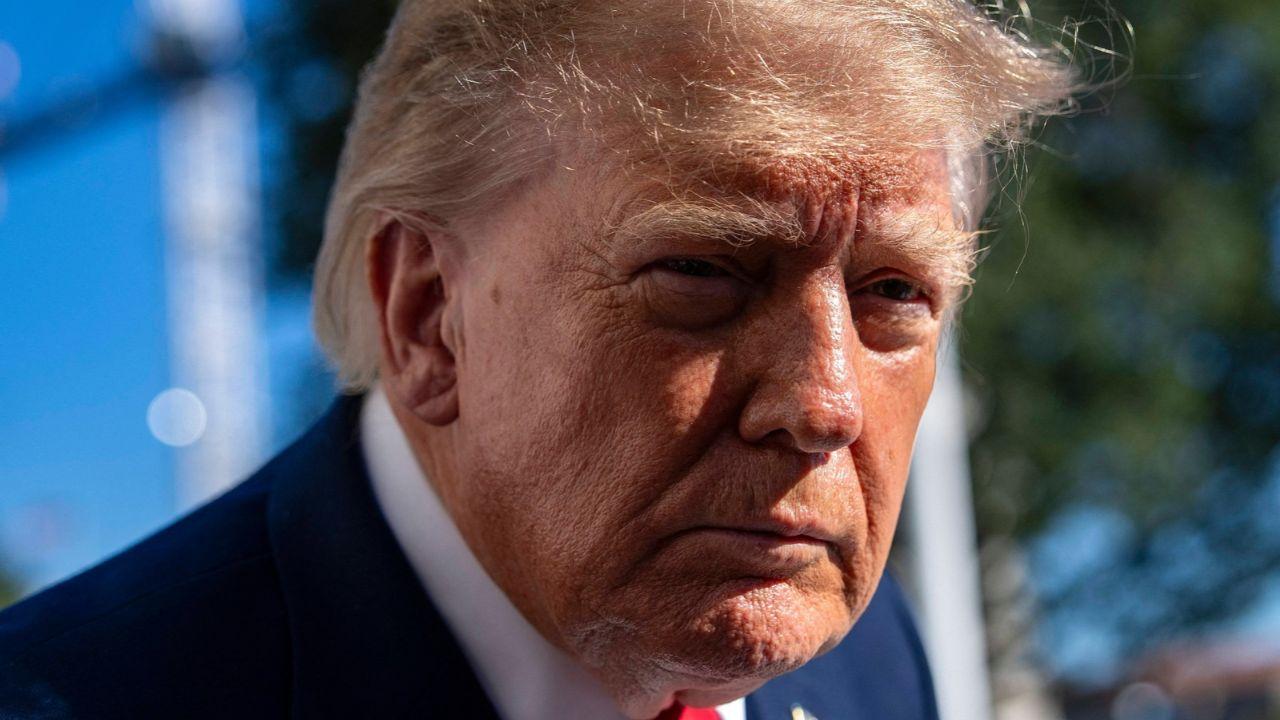
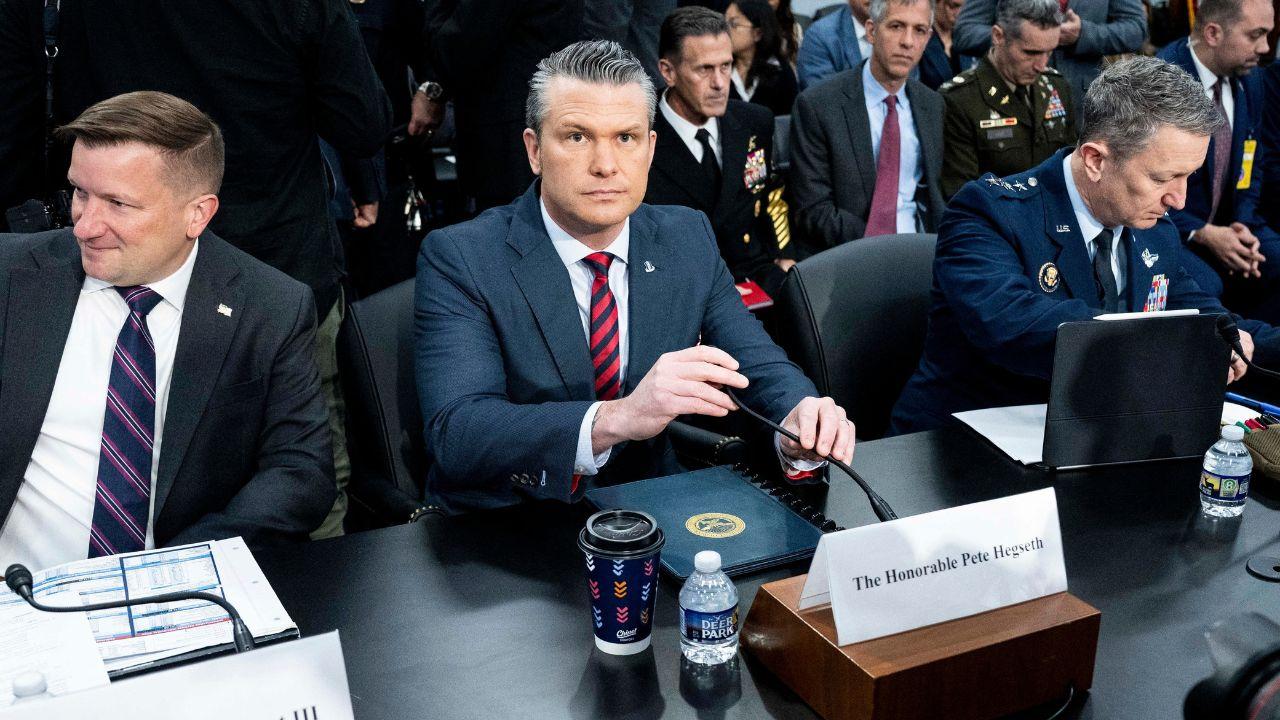
Independent reporting and public oversight will be compromised, according to reporting.

Never Miss an

Daily updates from the heart of Hollywood, right to your inbox
By entering your email and clicking Sign Up, you’re agreeing to let us send you customized marketing messages about us and our advertising partners. You are also agreeing to our Terms of Service and Privacy Policy.
What Was the Public Reaction
The central criticism is not that reform is needed, but how it is being carried out.
Critics say unexplained departures could discourage officers from offering candid advice. Some Republicans, including Sen. Thom Tillis, have questioned Hegseth’s leadership. Democrats have accused him of politicizing the military.
Hegseth’s restrictions on Pentagon journalists have also drawn pushback. Major news organizations rejected the new rules, arguing they could limit independent reporting and public oversight. The test of the overhaul will be whether it produces a more capable force.
Hegseth's controversial tenure has led critics to call for his termination. The "Signalgate" scandal, which occurred after a news editor was accidentally added to a chat where Hegseth, Vice President J.D. Vance, Secretary of State Marco Rubio, then-Director of National Intelligence Tulsi Gabbard, Middle East and Ukraine negotiator Steve Witkoff, and himself discussed sensitive plans to attack Houthi targets in Yemen, has not helped his cause.
Despite claims of Trump axing Hegseth, the duo has appeared quite chummy.
