


Charlie Kirk Assassination Suspect Tyler Robinson Begs for More Secret Hearings 'To Seal Volatile Evidence' After Losing Courtroom Camera Fight

Tyler Robinson's defense team wants to keep some evidence sealed in his trial for the killing of Charlie Kirk.

May 18 2026, Published 5:30 p.m. ET


Lawyers for Charlie Kirk's alleged killer still want to keep certain parts of their client's life a secret, RadarOnline.com can report, even after a judge finally ruled to allow cameras in the courtroom.
Tyler Robinson's defense team is asking to seal potentially volatile and embarrassing evidence before his upcoming preliminary hearing, at which prosecutors are expected to lay out their case against him.
Another Day, Another Delay

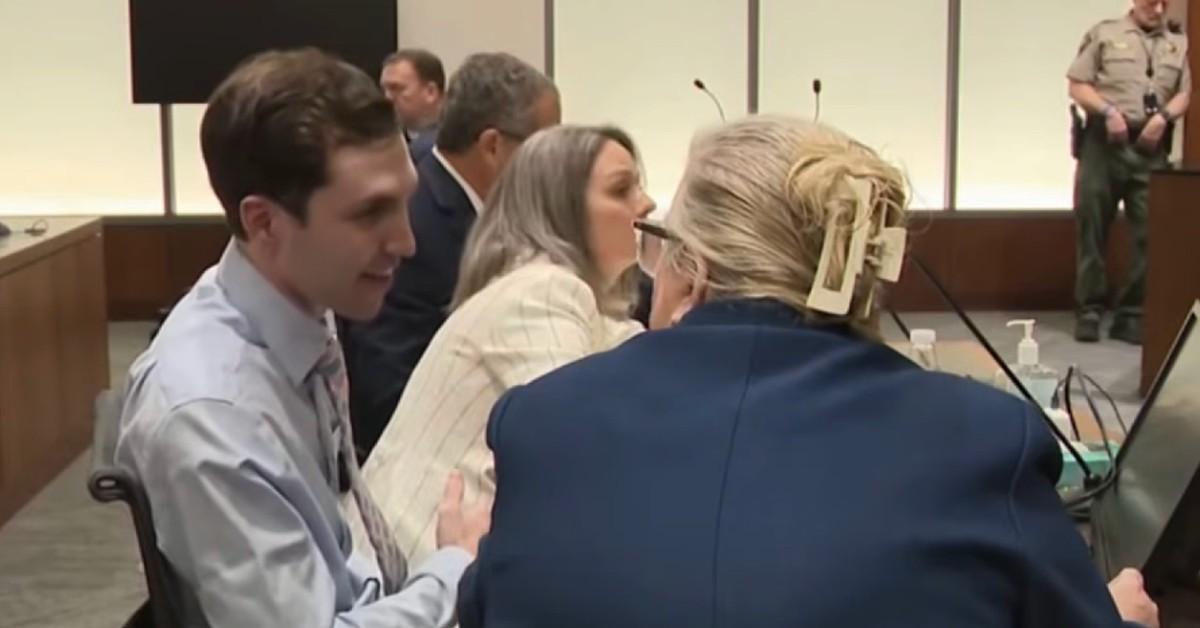
Robinson's attorneys have sparred with state prosecutors throughout the pre-trial proceedings.
Robinson has yet to enter a plea to the killing of Kirk. However, that doesn't mean the 22-year-old hasn't had his day in court – multiple times over.
On Monday, May 18, Robinson's lawyers asked Judge Tony Graf Jr. for a meeting to determine whether they can have testimony and exhibits sealed at the next preliminary hearing, including records from the communications app Discord, text messages, videos of the shooting, and a note.
They argue the material may later be ruled inadmissible at the formal trial, and worry about possibly tainting a public jury pool.
Prosecutors counter that the motion was filed too late and doesn't specifically identify which testimony and exhibits should be kept sealed.
Strategic Defense Move

The lawyers want to keep possibly embarrassing evidence a secret.
Randolph Rice, a Maryland-based attorney and legal analyst who is following the case, told Fox News the request for another behind-closed-doors court session is a strategic move by the defense.
"A preliminary hearing is not a trial, so prosecutors are often permitted to introduce certain evidence, hearsay statements, police summaries, or investigative details that may never be admissible before the actual trial jury," he said. "The defense wants to limit public dissemination of that information to avoid tainting the future jury pool.
"By requesting limits on cameras, public access, and the sealing of exhibits, they are attempting to preserve the defendant’s right to a fair and impartial trial and reduce the risk of appellate issues later in the case."
Battle Over the 'Bullet Theory'
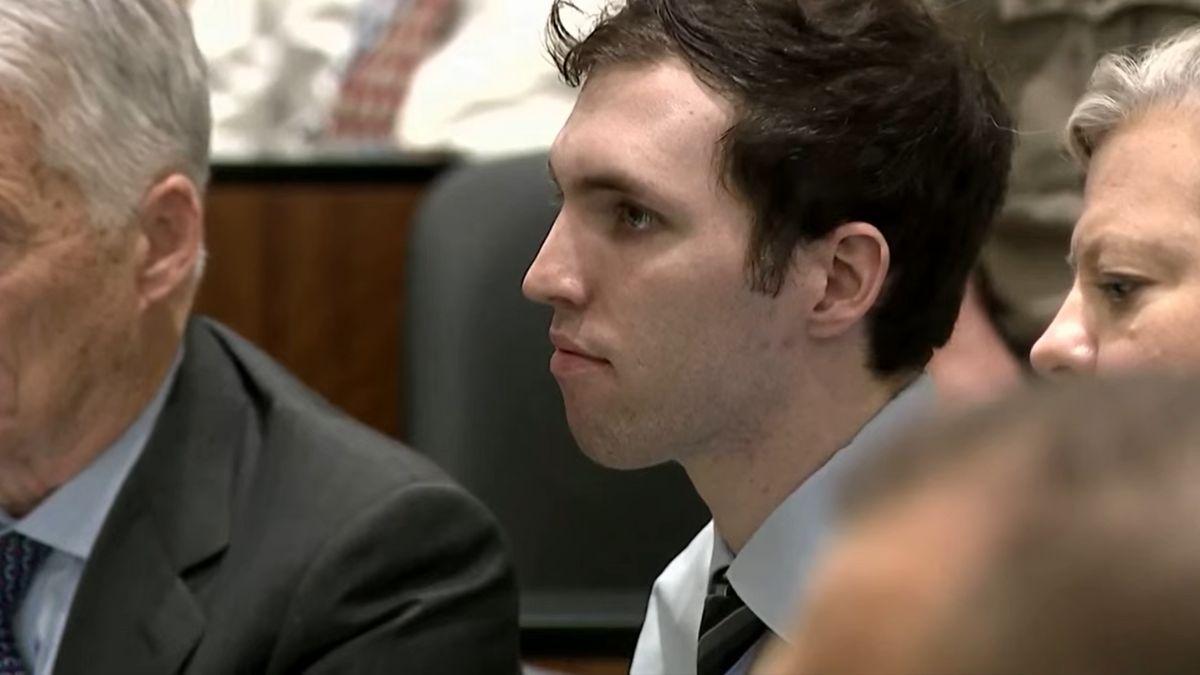
Tyler Robinson's defense has topped $10million so far.
The defense request is the latest salvo in the bitter back-and-forth with prosecutors, who are clearly growing frustrated with what they see as delay tactics.
Earlier this month, Robinson's attorneys demanded Graf sanction their opposition for going on what they called a willful "media tour" after they claimed the bullet used to kill the conservative commentator did not match Robinson's rifle.
Prosecutors fired back, insisting they only spoke to the media to clean up the defense's mess.
As Radar reported, Robinson’s defense attorneys argued the Bureau of Alcohol, Tobacco, Firearms, and Explosives "was unable to identify the bullet recovered at autopsy to the rifle allegedly tied to Mr. Robinson."
But the state's attorneys countered the defense team wasn't being entirely forthcoming about the findings, and clarified the report actually states that the bullet jacket fragment "could not be identified or excluded" as having been fired from that rifle.
Judge Sides with Prosecutors

Never Miss an

Daily updates from the heart of Hollywood, right to your inbox
By entering your email and clicking Sign Up, you’re agreeing to let us send you customized marketing messages about us and our advertising partners. You are also agreeing to our Terms of Service and Privacy Policy.
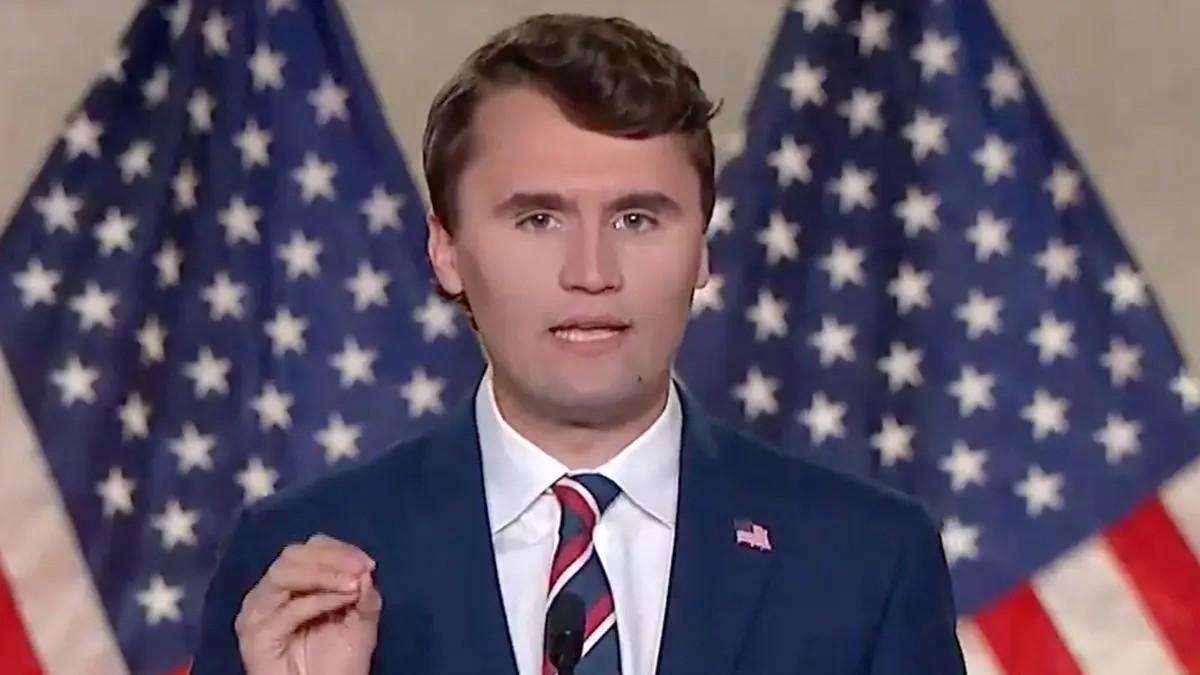
The two sides argued over claims about the alleged bullet used to kill Kirk.
That spat followed months of bickering between the two sides, before Judge Graf in February rejected a request to disqualify the entire Utah County prosecutors' office after the adult child of one of the prosecutors attended the Turning Point USA event on September 10 at Utah Valley University and was in the audience when Kirk, 31, was shot and killed.
Robinson's lawyers argued the particular prosecutor had an "emotional connection" to the case, and could "motivate" the state to seek the death penalty if Robinson is convicted.
But in their official response, state lawyers said that was not true.
"(The attorney) has no personal conflict of interest because his (child) is neither a material witness nor a victim in the case," prosecutors argued. "In fact, nearly everything (the child) knows about the actual homicide is hearsay. And because Mr. (redacted) has no conflict of interest, the county attorney's office also has no conflict of interest requiring disqualification."
