


EXCLUSIVE: Trump's $100K Truth Social 'Scheme' Could Violate Five Federal Criminal Laws, 53 Ex-Prosecutors Tell Judge

Donald Trump's $100K Truth Social early-access program is facing fresh legal scrutiny from 53 former federal prosecutors and law-enforcement officials.
Sept. 22 2026, Published 2:30 p.m. ET


President Trump's $100,000-a-month Truth Social early-access program could implicate five different areas of federal criminal law, according to a bombshell new court filing from 53 former federal prosecutors and law-enforcement officials, RadarOnline.com can reveal.
According to court documents obtained by Radar, the former officials filed an amicus brief in the federal lawsuit challenging Truth Social's paid early-access system, arguing the arrangement could run afoul of securities laws, illegal-gratuity statutes, conflict-of-interest rules, restrictions on outside compensation, and the Trade Secrets Act.
Five Federal Laws at Stake

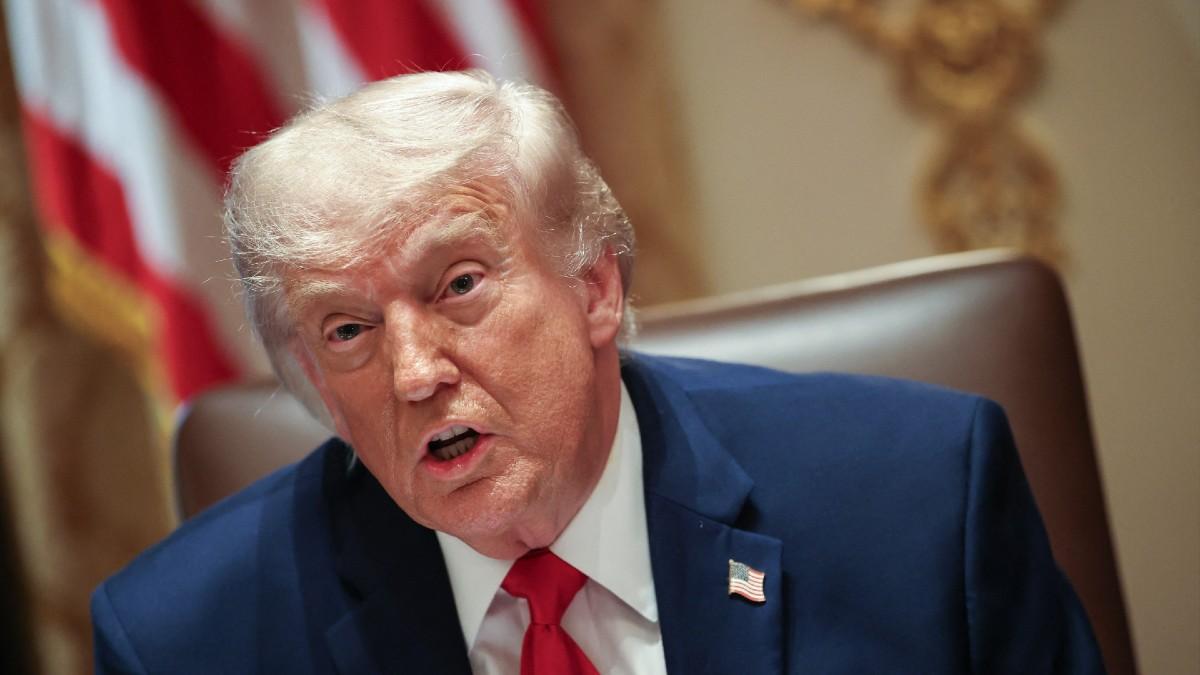
53 former federal prosecutors and agents raised concerns over Trump's Truth Social early access program.
The group includes former Justice Department prosecutors, FBI agents, and U.S. Attorney's Office officials who say they collectively amassed more than 880 years of government service across 11 presidential administrations.
The underlying lawsuit was brought by The Intercept and Freedom of the Press Foundation over Truth API, a service offering paying customers advance access to posts from Trump and other prominent Truth Social accounts for fees reaching $100,000 per month.
According to the new filing, the system could create potential criminal exposure under the Securities Exchange Act, federal laws governing illegal gratuities, conflicts of interest, outside compensation for federal employees, and the Trade Secrets Act.
Insider-Trading Warning
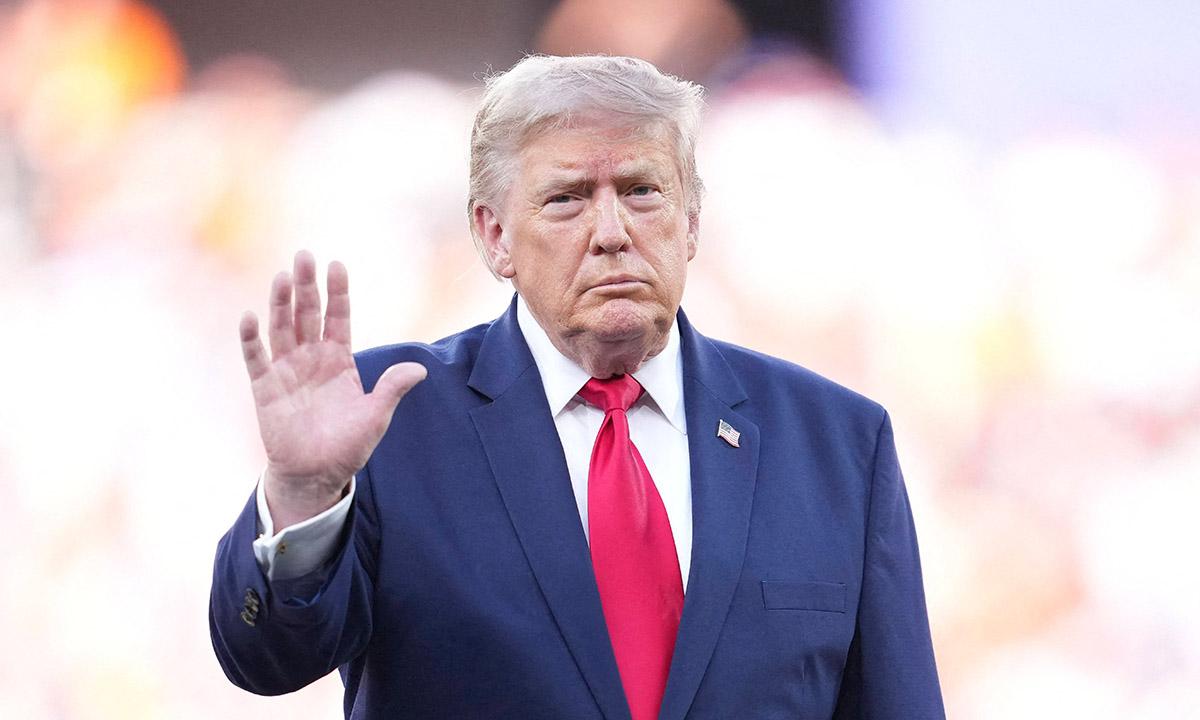
Subscribers could receive market-moving information before the public.
The former officials stressed they were not claiming criminal charges had been proven, but argued the possibility that multiple federal statutes could apply undercuts any claim that the paid-access system serves a legitimate government purpose. One section compares the arrangement to providing an unlawful insider tip.
The filing offers a hypothetical in which Trump announces planned tariffs to paid subscribers before the general public. If a subscriber traded stocks using that information before the public release, the former officials argue both the government official who disclosed the information and the trader could potentially face securities-law liability.
The filing goes even further when discussing federal gratuity laws.
'Potentially Amounts to Bribery'
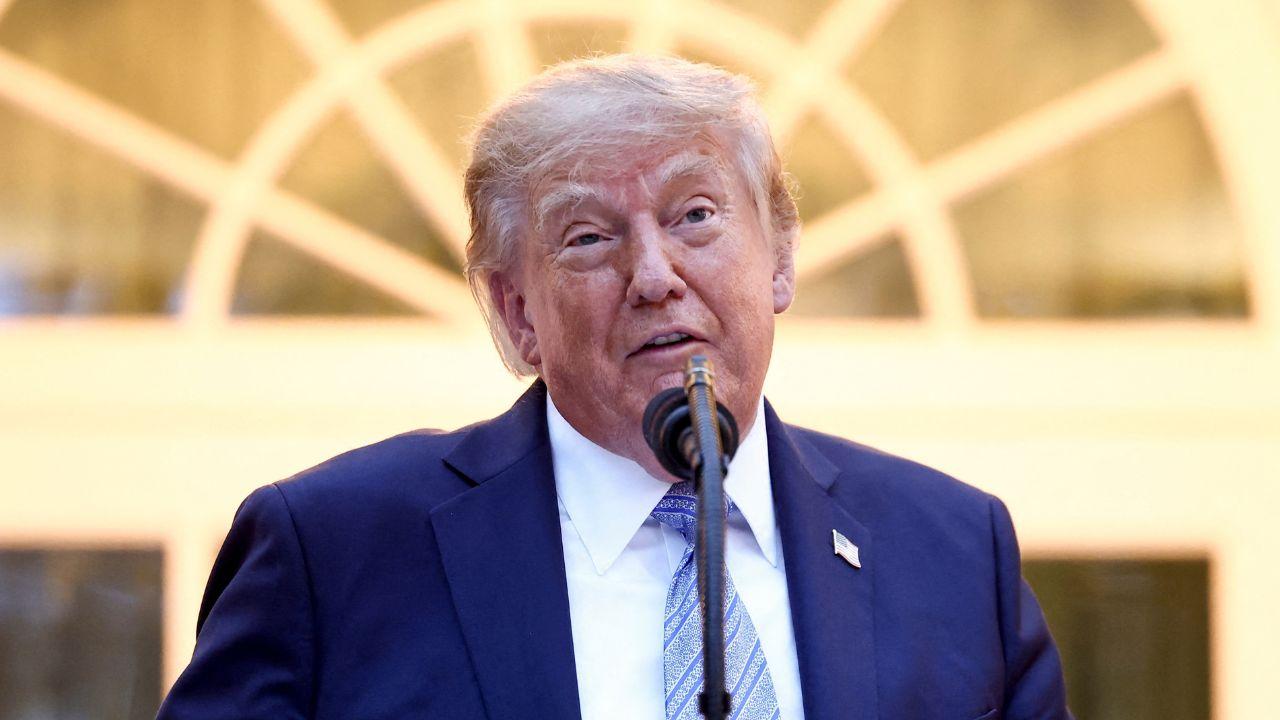
Former officials argue the paid-access arrangement could potentially implicate federal gratuity.
The former officials argue that users are paying for early access to presidential announcements and official acts. Since subscribers are purchasing a continuing stream of advance information rather than access to a single announcement, the filing states the arrangement "potentially amounts to bribery."
The brief also raises a possible conflict-of-interest issue involving Trump's financial stake in Trump Media.
It argues that Trump is simultaneously participating in official government communications while using a platform in which he has a substantial financial interest.


Natalie Harp Remains in the Case

Never Miss an

Daily updates from the heart of Hollywood, right to your inbox
By entering your email and clicking Sign Up, you’re agreeing to let us send you customized marketing messages about us and our advertising partners. You are also agreeing to our Terms of Service and Privacy Policy.

Trump aide Natalie Harp remains a defendant in the underlying Truth Social lawsuit
In a striking analogy, the former prosecutors compare the arrangement to the head of NASA also owning the company selling rockets to the agency. The President's own words are the rockets," the filing states.
As Radar previously reported, Trump's aide Natalie Harp remains among the defendants in the underlying case in her official capacity, although the new amicus brief does not personally accuse Harp of criminal conduct.
The 53 former officials ultimately urged the judge to grant the plaintiffs' request for a preliminary injunction blocking the arrangement while the lawsuit moves forward.
