


EXCLUSIVE: Donald Trump's 'Brutal' Tariffs Drive US Firms Back to China

Donald Trump's tariffs allegedly are driving U.S. firms back to China.
July 31 2026, Published 2:14 p.m. ET


Donald Trump's "brutal" tariff campaign is pushing some US companies back toward China, undermining the president's effort to force manufacturing into America or alternative Asian markets, RadarOnline.com can reveal.
Trump, 80, imposed tariffs on Chinese goods that reached 145% last year, prompting US brands to move production to Thailand, Vietnam and Cambodia. But rates have since fallen sharply, while the administration set a new 12.5% tariff on Chinese exports last week as it sought to revive duties struck down by the Supreme Court in February.
Firms Return To China

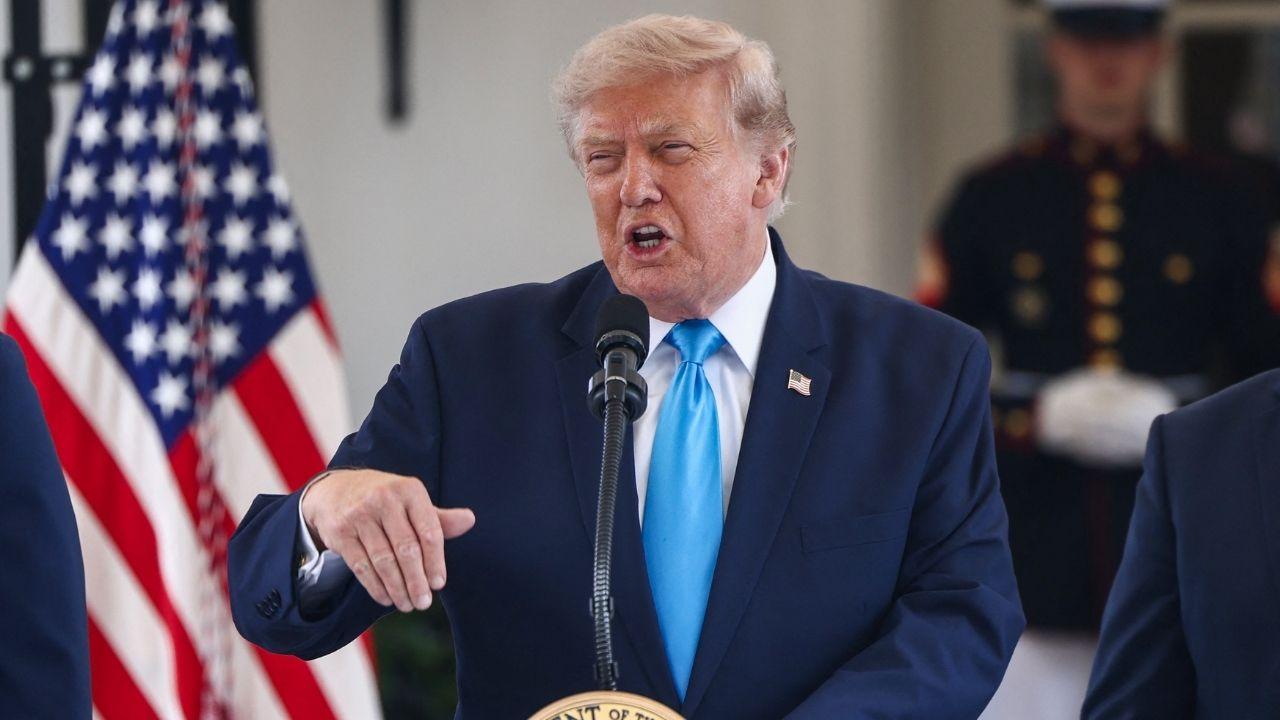
Donald Trump imposed high tariffs on Chinese exports.
An industry source familiar with supply-chain decisions exclusively told us: "Companies that spent heavily to leave China are discovering that the cost gap has narrowed too far to justify staying away.
"The policy was meant to weaken China's position, but the constant changes have instead made long-term planning more difficult for American businesses."
A trade adviser insider added: "Executives are not returning because they trust Beijing. They are returning because China remains faster, cheaper and more efficient than many rival production hubs."
Alliance Consumer Group, a Texas company selling flashlights and other products, is among the businesses reconsidering its strategy.
The company encouraged Chinese manufacturer Ningbo Bright Electric to build a factory south of Bangkok, but part of the site remains undeveloped, and some production has shifted back.
Phil Laster, Alliance Consumer Group's chief operations officer, told The New York Times about the tariff policy impact: "Have we pulled back to China? Yes, we have."
Tariffs Lose Impact
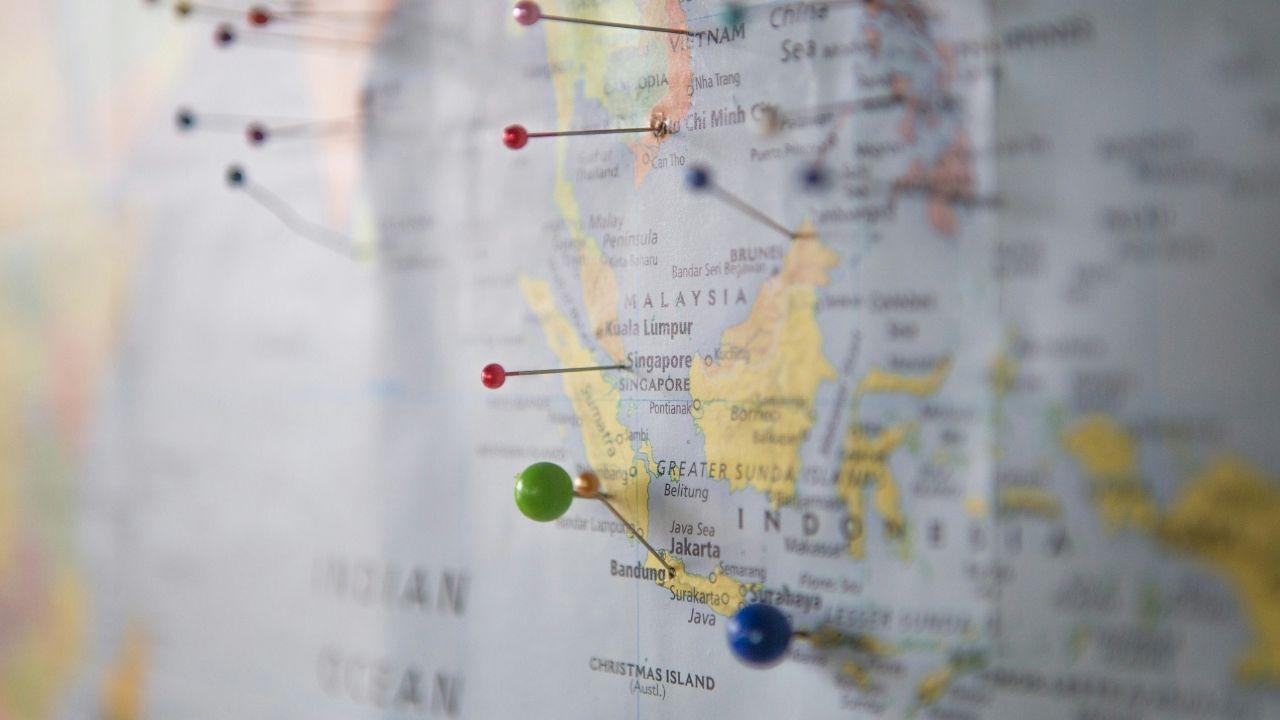
US brands shifted production to Southeast Asia.
Laster said manufacturing flashlights in Thailand could cost 12% to 15% more than in China before tariffs, largely because components, materials and shipping networks remain concentrated around Chinese industrial centers.
"We don't want to go back to China, but at the same time, we've got a business to run," Laster added.
China's weighted US tariff rate is now slightly above 23%, according to Guojin Securities. For some products, however, the difference between China and Southeast Asia is minimal.
Flashlights face a 20% duty from China and 19% from Thailand, Vietnam and Cambodia.
Mary Lovely, an economist at the Peterson Institute for International Economics, said: "If tariffs on China settle near those on alternative locations, we expect to see some companies returning to their Chinese suppliers."
China Keeps Advantage

Deborah Elms praised China's large manufacturing scale.
Xidian, an industrial town near the East China Sea, produces about 60% of the world's flashlights, according to Chinese state media.
Its dense network of suppliers makes LED bulbs, switches and circuit boards close to major ports and established shipping routes.
Deborah Elms, head of trade policy at the Hinrich Foundation, said: "China keeps doing really well because they just have the scale to produce things that much cheaper.
"Economic logic is going to drive you to have a very large share of manufacturing in China."
Alliance Consumer Group invested millions of dollars over 18 months to certify factories and install equipment outside China.
By 2025, it could manufacture more than three-quarters of its products elsewhere, although two-thirds of production remained in China.
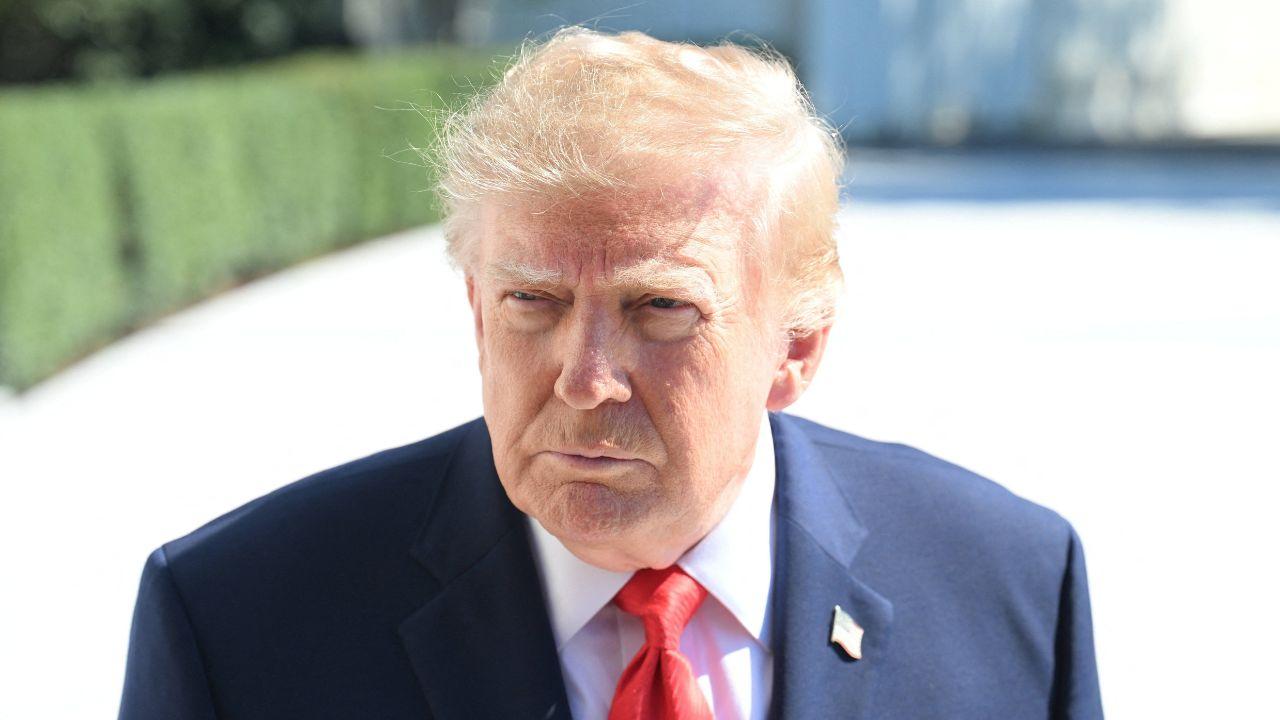

Business Faces Pressure

Never Miss an

Daily updates from the heart of Hollywood, right to your inbox
By entering your email and clicking Sign Up, you’re agreeing to let us send you customized marketing messages about us and our advertising partners. You are also agreeing to our Terms of Service and Privacy Policy.
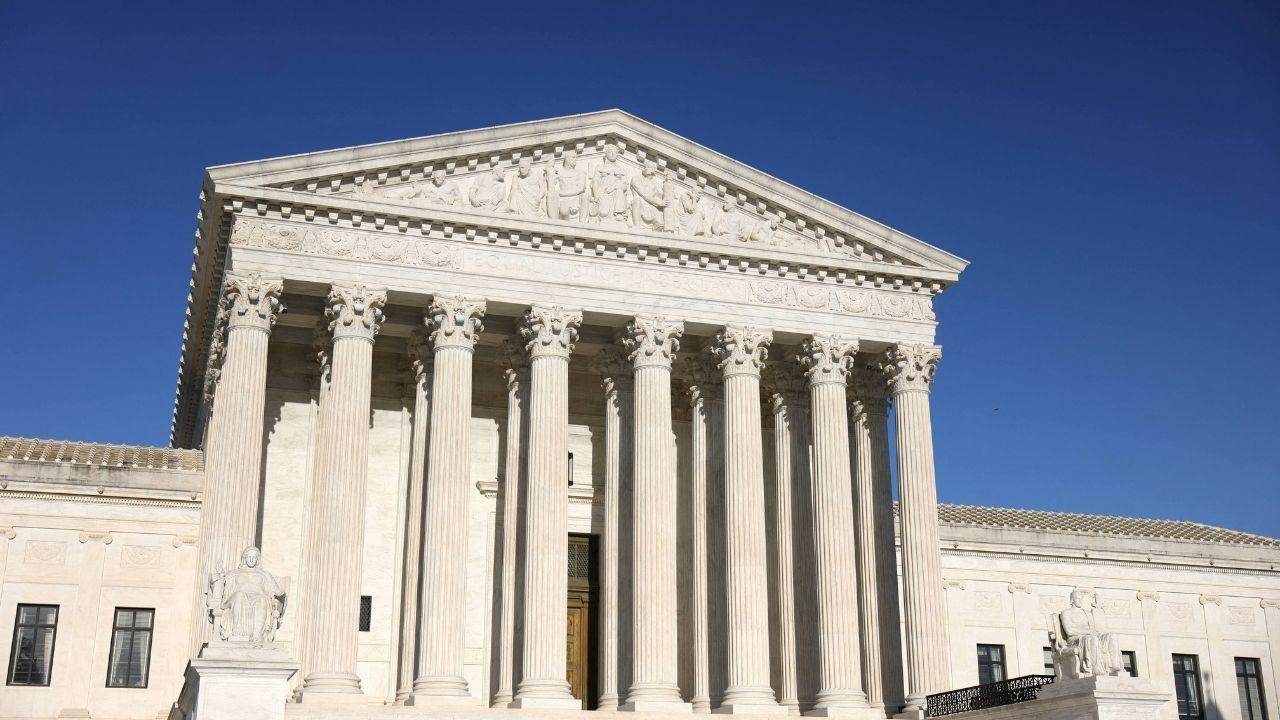
The US Supreme Court struck down previous tariff policies.
The uncertainty leaves businesses today balancing political risk against pressure to keep prices competitive for American consumers.
Laster said the company would continue supporting alternative factories where possible.
"If we can make the numbers make sense, then absolutely we want to invest in other places," he said. "We can't just continue to throw away money."
The US economy under Trump is experiencing a sluggish phase marked by persistent inflation, aggressive trade conflicts, and geopolitical strain from an ongoing war in Iran.
As of late July 2026, public dissatisfaction with the economy is mounting rapidly, placing pressure on Republicans ahead of upcoming midterm elections.
