


EXCLUSIVE: Radar Reveals Why Queen Elizabeth is Being Blamed for Andrew Windsor's Disgrace

Former Prince Andrew's royal upbringing may have led to his destruction.
Feb. 13 2026, Published 7:40 p.m. ET


Andrew Windsor has long projected an air of entitlement – and critics have now told RadarOnline.com the roots of his spectacular fall from grace lie not only in his own decisions but in a lifetime of indulgence from his mother, Queen Elizabeth II, who shielded him from the consequences of his actions for decades.
Windsor, 65, stripped of his remaining royal titles by King Charles III, 77, following the fallout from his association with convicted s-- offender Jeffrey Epstein, has repeatedly denied allegations made against him by the abuser's s-- trafficking victim, Virginia Giuffre, who died aged 41 last year by suicide.
Andrew Windsor's Upbringing Made Rules 'Irrelevant' To Him

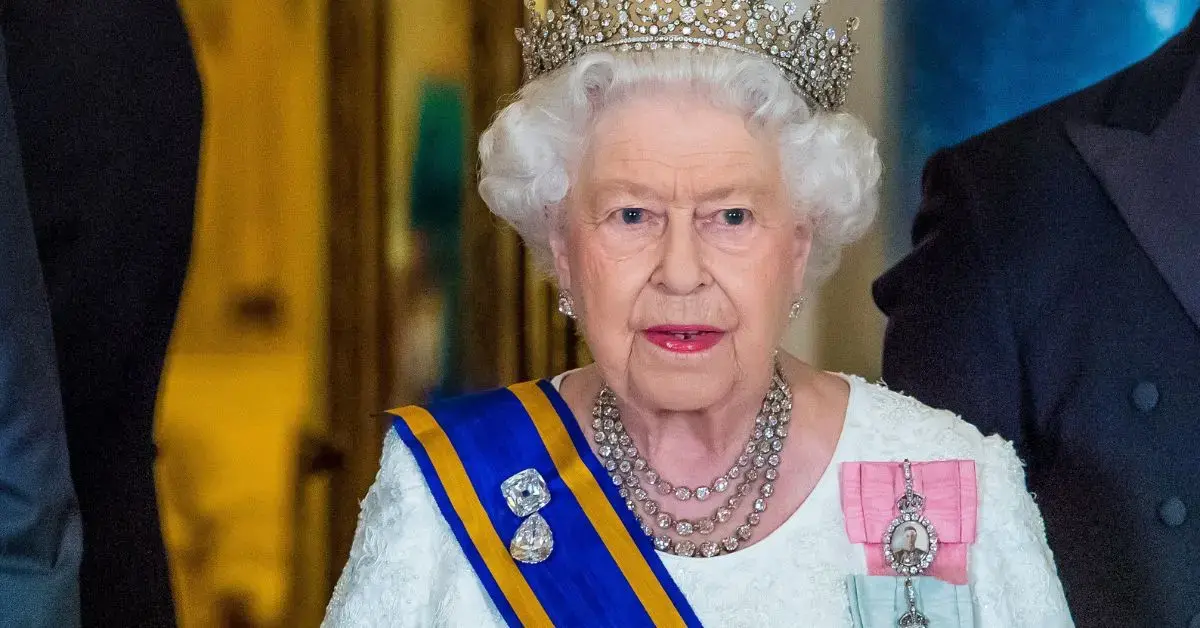
Royal observers said Andrew Windsor’s sense of privilege developed early in life.
Giuffre wrote in her memoir during their alleged 2001 encounter, he appeared “friendly enough, but still entitled – as if he believed having s-- with me was his birthright."
The latest tranche of Epstein-related documents released by the U.S. Justice Department, including photographs and emails, has renewed scrutiny of the former duke. Royal historians and observers say the psychology of privilege surrounding Windsor was forged years ago.
A palace source said, "From the very beginning of his life, Andrew was surrounded by ceremony and affirmation. When a child is consistently addressed by grand titles and handled with visible reverence, it inevitably shapes how they interpret their place in the world. If everyone in the room stands when you enter and defers to your wishes, it can distort your understanding of limits.
"Andrew was raised within a system that cushions and protects its senior figures. Protocol, staff, security – all of it reinforces the idea that you operate on a different plane from ordinary society. Over time, that can create a mindset in which conventional rules feel negotiable, or even irrelevant. "
"In that atmosphere of lifelong deference, the distinction between what you can do and what you should do can become dangerously blurred," the insider added.
Favored Son, Fragile Boundaries
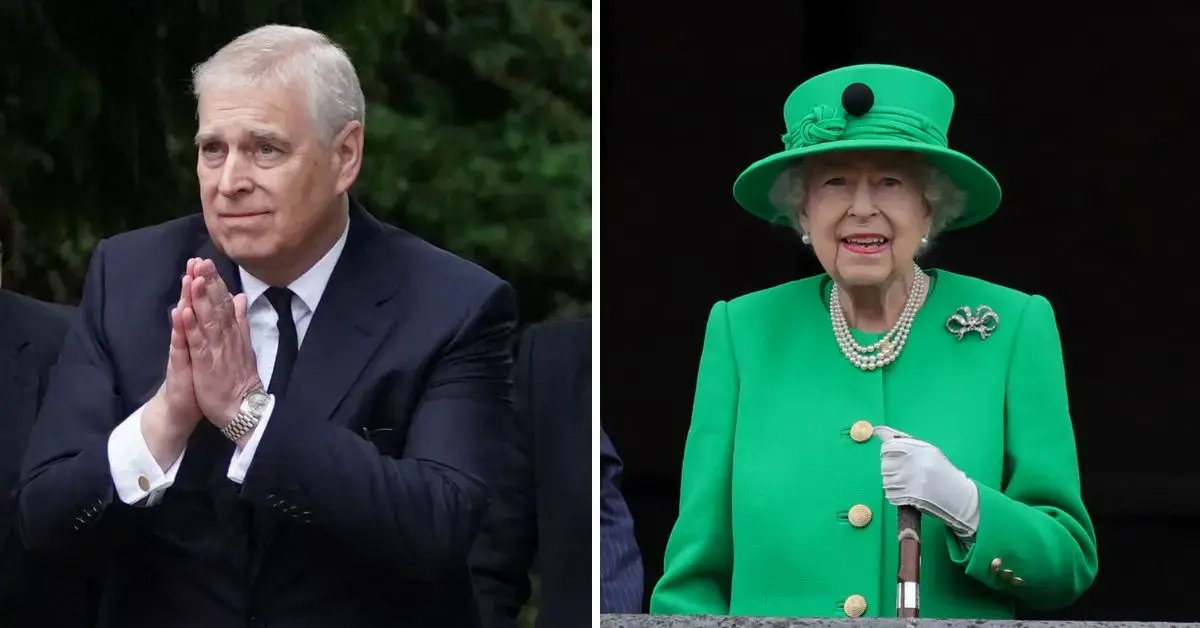
A former staffer described Andrew Windsor as the favored child within the household.
The contrast between Andrew and his elder brother was stark. When Charles was born in 1948, Elizabeth was still Princess Elizabeth, juggling royal duties while her father’s health declined.
By the time Windsor arrived in 1960, she was an established monarch, able to devote more personal time to her third child. Courtiers have long noted she scaled back evening engagements and took a more hands-on role in his upbringing.
"He was widely understood within the household to be the favored child," a former palace staffer said.
"There was a noticeable softness in how he was handled compared with others. Where discipline might have been expected, there was often indulgence."
The source added: "Outbursts or difficult behavior were frequently smoothed over rather than challenged. The prevailing atmosphere suggested that consequences did not apply in the usual way to Andrew.
"Over time, that fosters a belief – subtle at first, then ingrained – that mistakes will be managed for you and that you are, in effect, insulated from real reproach."
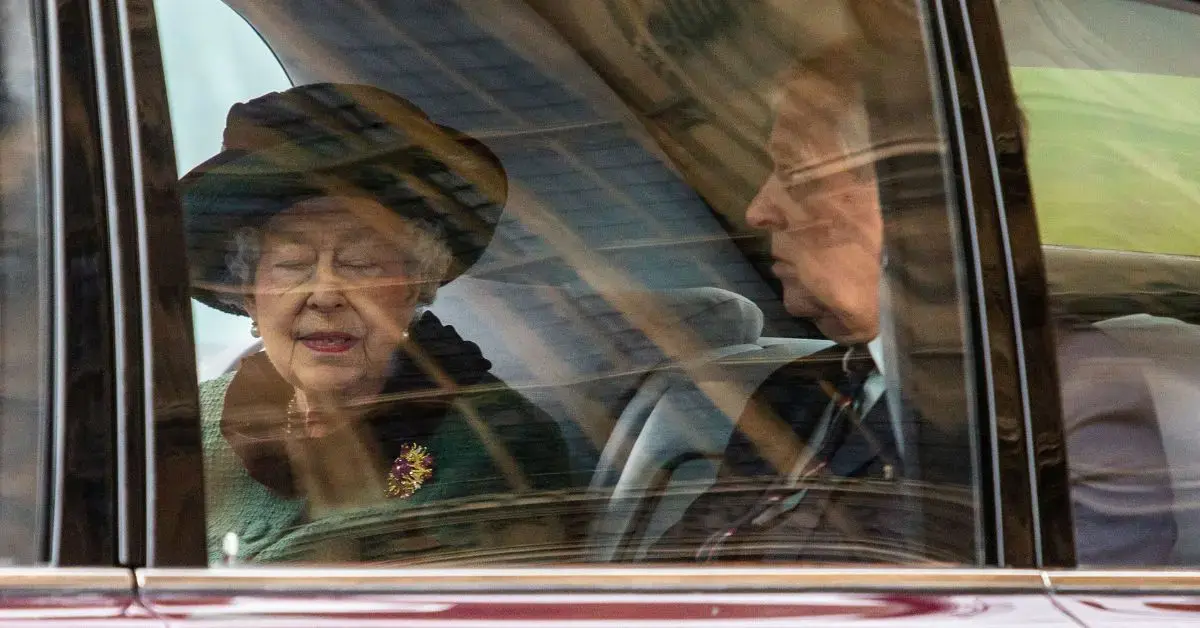
Conditions softened at the Scottish boarding school Gordonstoun by the time then-Prince Andrew enrolled.
At Gordonstoun, the austere Scottish boarding school both brothers attended, Charles found the regime punishing. By the time Windsor enrolled there, conditions had softened.
Later, his service as a helicopter pilot in the Falklands conflict elevated him to hero status.
"Coming back from the Falklands conflict decorated and publicly celebrated cemented an already powerful narrative around Andrew," a royal historian said.
"He was not simply a prince – he was a war veteran, applauded in the press and embraced by the public. That kind of validation can be profoundly reinforcing."
The historian continued: "When you combine lifelong privilege with military honors and national praise, it strengthens a sense of exceptionalism. It can cultivate the impression that you are insulated from the ordinary consequences others face. In his case, it appears to have amplified an existing belief that he operated beyond the reach of conventional accountability."
From Trade Envoy to Epstein Fallout

Never Miss an

Daily updates from the heart of Hollywood, right to your inbox
By entering your email and clicking Sign Up, you’re agreeing to let us send you customized marketing messages about us and our advertising partners. You are also agreeing to our Terms of Service and Privacy Policy.
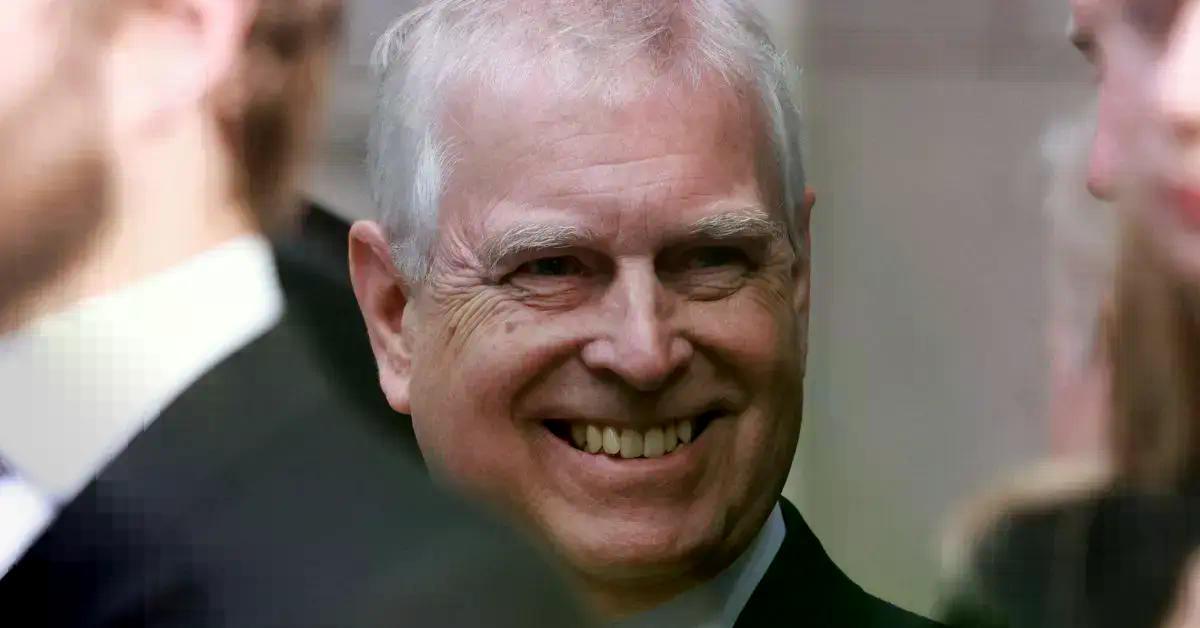
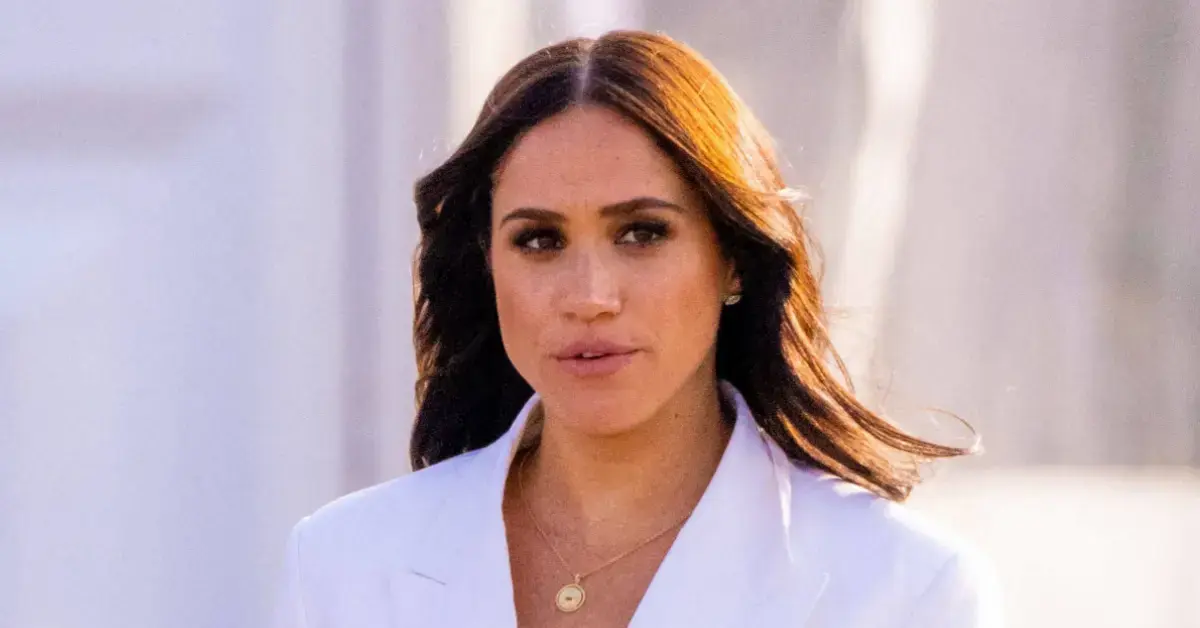
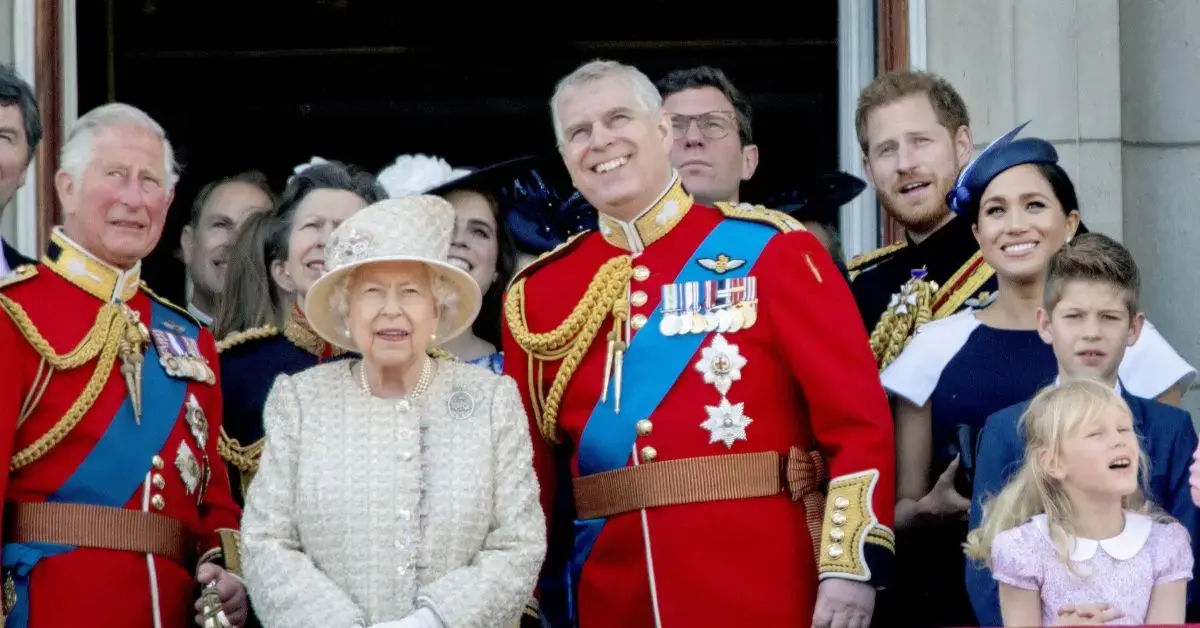
A photograph published in 2010 showed Andrew Windsor with Jeffrey Epstein and marked a turning point.
That aura persisted through Windsor's tenure as U.K. trade envoy, when lavish travel and associations with controversial figures drew criticism but little visible sanction. But a turning point came in 2010 with the publication of a photograph showing him with Epstein.
Despite stepping back from public duties in 2019 after his disastrous Newsnight interview with Emily Maitlis, Windsor retained certain honors and privileges for years.
Even after Giuffre filed a civil lawsuit against Windsor in New York in 2021, which was settled without admission of liability for a reported $15million, Windsor continued to deny wrongdoing.
Members of the US House Oversight Committee have since requested he provide a transcribed interview as part of their inquiry into Epstein’s network.
As the Thames Valley Police remains in review mode and questions linger over Windsor's associations with Epstein, critics argue the deeper story is about upbringing as much as alleged misconduct.
