


EXCLUSIVE: Pete Hegseth to Chair New Pentagon Board Focused on 'Domestic Military Operations' and U.S. Security Preparedness

Pete Hegseth will personally chair the Pentagon’s new Homeland Defense Board, which will advise on domestic military operations and U.S. security preparedness.
Sept. 24 2026, Published 5:40 p.m. ET


Pete Hegseth is set to personally chair a newly established Pentagon advisory board tasked with examining U.S. homeland defense and the complex boundaries surrounding domestic military operations, RadarOnline.com can reveal.
According to an official Pentagon notice published in the Federal Register and reviewed by Radar, the Homeland Defense Board will provide Hegseth and other senior defense officials with independent advice on the military's homeland defense strategy, domestic security preparedness and coordination with civilian security agencies.
Pete Hegseth Takes the Chair

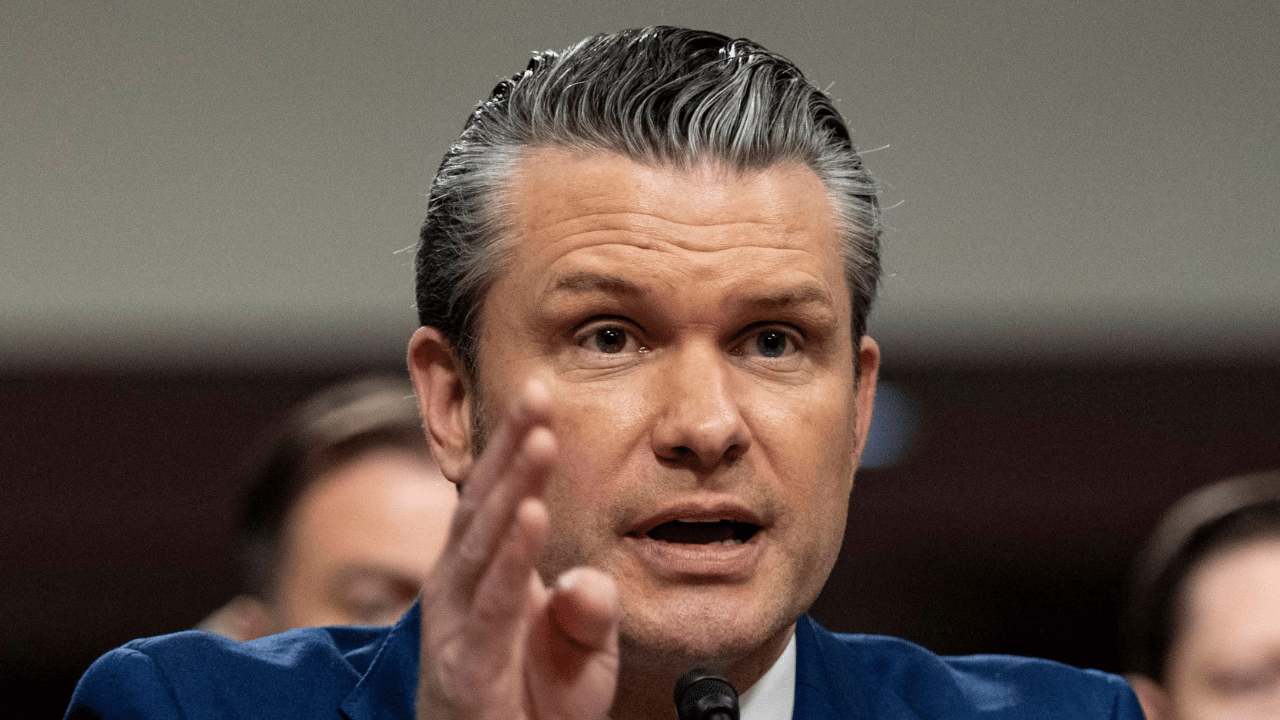
Hegseth will personally lead the new board.
The government document says the board's recommendations will be "vital" for navigating the "complex legal and operational boundaries of domestic military operations," including Defense Support of Civil Authorities — the framework under which the military can support civilian authorities during certain domestic emergencies and operations.
Pentagon officials said the new board is needed because existing government advisory groups do not provide the military-specific expertise required for the mission.
The notice specifically points to the Department of Homeland Security's Homeland Security Advisory Council, saying its focus on civilian law enforcement, border management and emergency response does not extend to advising on Title 10 or Title 32 military deployments, domestic air defense or military-specific crisis responses.
Inside the Pentagon's Domestic Security Push
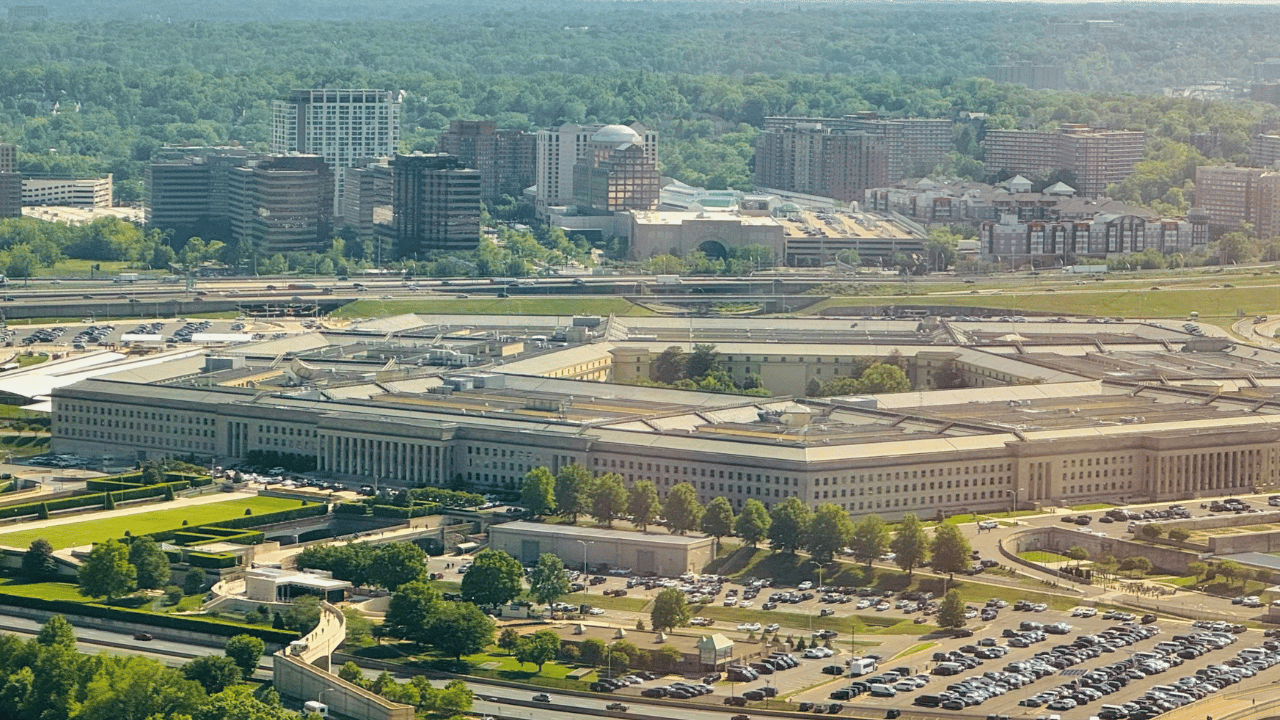
The board will examine domestic military preparedness.
Officials similarly argued the Pentagon's existing Defense Policy Board operates at too broad a strategic level to provide the sustained attention required to navigate complicated civil-military boundaries and regional threats.
The Homeland Defense Board is expected to advise on far more than domestic preparedness.
According to the document, its work could include military surge capacity, critical infrastructure, cybersecurity, foreign influence, transnational criminal networks, transportation and logistics hubs and the defense industrial base.
The board is also expected to help bridge coordination between the military and domestic homeland-security agencies.
A $350K Homeland Defense Mission

The board can include up to 20 members.
Hegseth will serve as both a member and chair of the board, which can include up to 20 members. The Pentagon estimates the committee will cost approximately $350,000 annually to operate.
The new advisory role comes as Hegseth remains at the center of a separate impeachment battle on Capitol Hill.
Republican Kentucky Rep. Thomas Massie introduced eight articles of impeachment against Hegseth on September 15, accusing the defense secretary of misconduct, including continuing military operations in Iran without congressional authorization and violating federal war-powers requirements.
The allegations are contained in Massie's impeachment resolution and have not been adjudicated.


Impeachment Battle Looms

Never Miss an

Daily updates from the heart of Hollywood, right to your inbox
By entering your email and clicking Sign Up, you’re agreeing to let us send you customized marketing messages about us and our advertising partners. You are also agreeing to our Terms of Service and Privacy Policy.

Massie introduced eight articles of impeachment.
Massie sought to force the House to consider the measure, but Speaker Mike Johnson sent lawmakers home early ahead of the midterm elections, delaying consideration of the impeachment effort until after the election.
Johnson has dismissed Massie's impeachment effort as a "publicity stunt," while the Pentagon has defended Hegseth's leadership.
Meanwhile, the Pentagon's Homeland Defense Board notice makes clear officials view its new advisory body as central to a broader shift toward prioritizing defense of U.S. territory.
The department said the modern threat environment has "fundamentally altered" the geographic security once enjoyed by the continental United States and said the board will independently assess both America's hemispheric defensive posture and its domestic security preparedness.
