


'Haunted' Marilyn Monroe Claimed She Threatened to Harm Herself When Thrown in Prison-Like Psych Hospital in Confessional Letter Before Her Death

Marilyn Monroe wrote a letter to her psychiatrist after she was taken to a psych ward.
Aug. 4 2026, Published 1:20 p.m. ET


Marilyn Monroe detailed her harrowing experience after being sent to a psychiatric hospital in a six-page confessional letter sent to her doctor.
On the 64th anniversary of her death, RadarOnline.com revisits the late actress' battle with mental illness and how she was "haunted" by her family's medical history.
Marilyn Monroe's Mental Health Fears

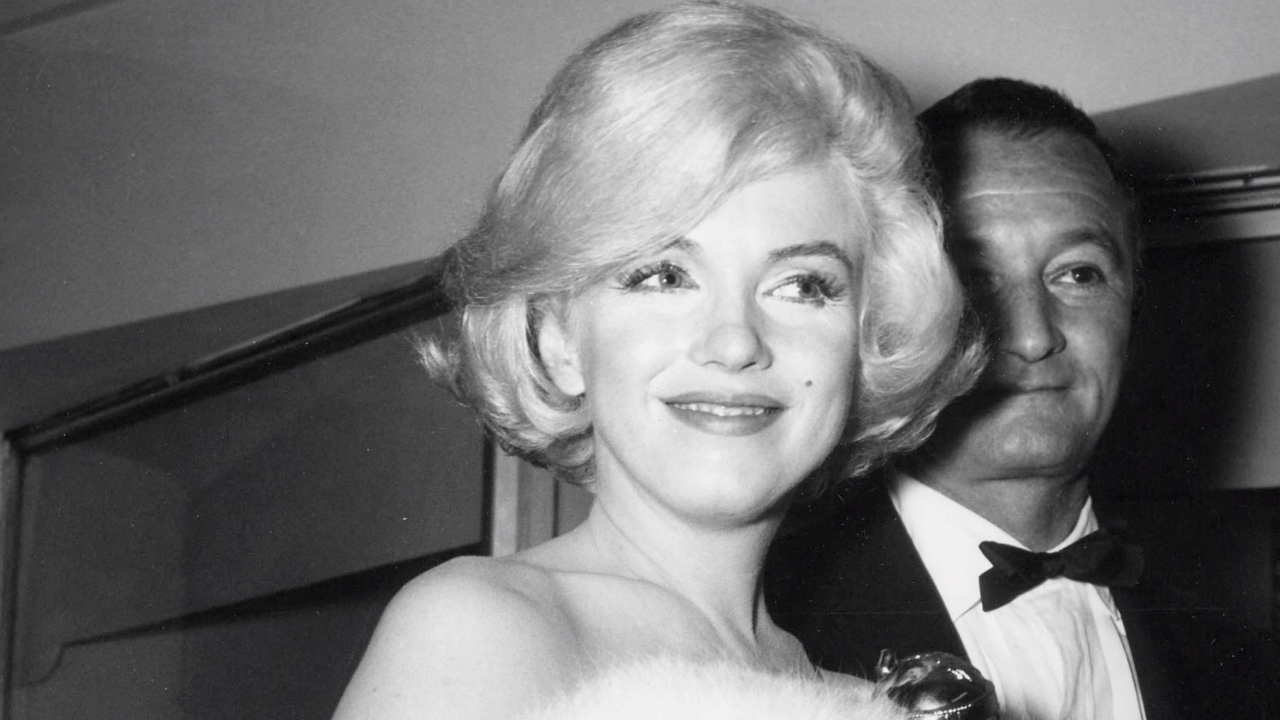
Marilyn Monroe had deep fears she'd inherit mental illness that ran in her family, according to an author.
According to biographer Mark Bego, Monroe was "obsessed" with the idea that she would "inherit" the "madness" that ran in her family.
Her mother, Gladys Baker, struggled with paranoid schizophrenia and was institutionalized. Her grandmother Della Monroe battled depression after having children and her great-grandfather Tilford Hogan took his own life.
"It gnawed at her constantly," Bego noted at the time.
Inside Marilyn Monroe's Prison-Like Psych Ward Stay
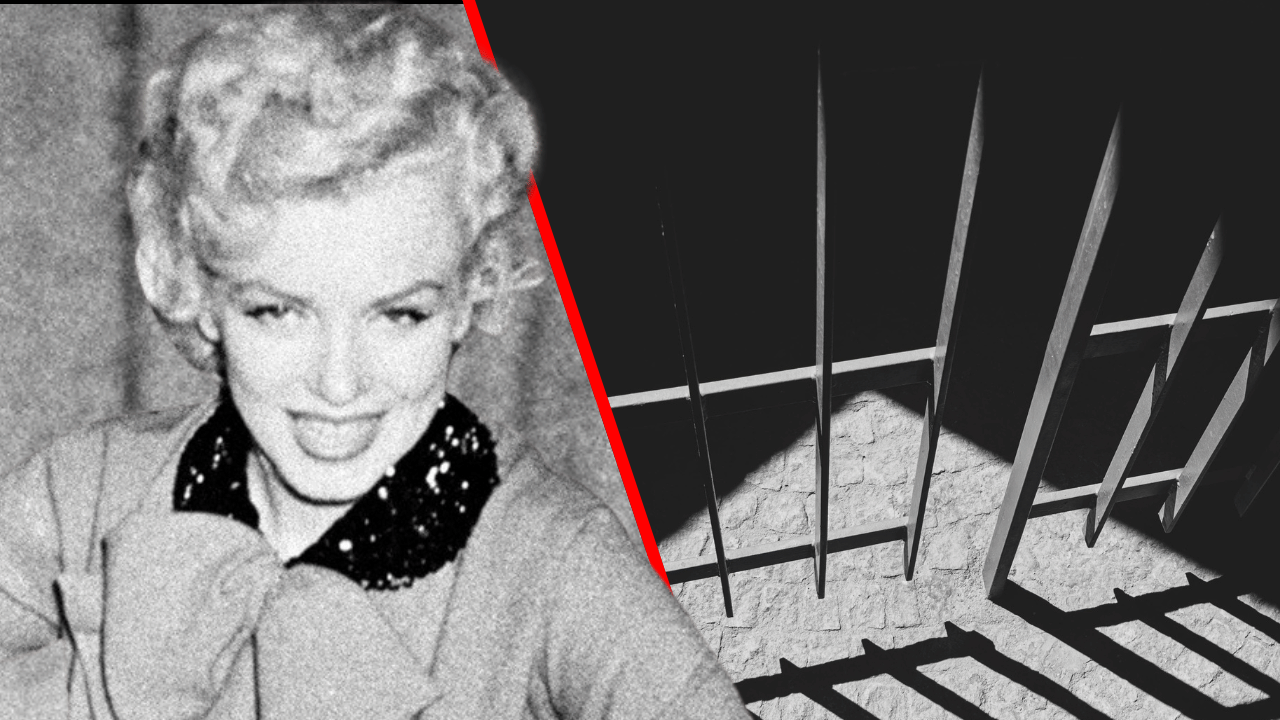
Marilyn Monroe confessed she had thoughts of suicide in the early 1960s.
Her fears appeared to be realized in 1961. Following her divorce from Arthur Miller, she battled depression and told both her friend and a psychiatrist that she had considered jumping from her apartment building to her death.
It was at that point that she was taken to Manhattan’s Payne Whitney Psychiatric Clinic. She claimed she was put into a "cell" with "cement blocks and all," meant for "very disturbed" patients.
"I felt I was in some kind of prison for a crime I hadn’t committed," she said in a March 1961 letter written to her psychiatrist. "They asked me why I wasn’t happy there (everything was under lock and key; things like electric lights, dresser drawers, bathrooms, closets, bars concealed on the windows — the doors have windows so patients can be visible all the time, also, the violence and markings still remain on the walls from former patients)."
"I answered: ‘Well, I’d have to be nuts if I like it here,'" she wrote.
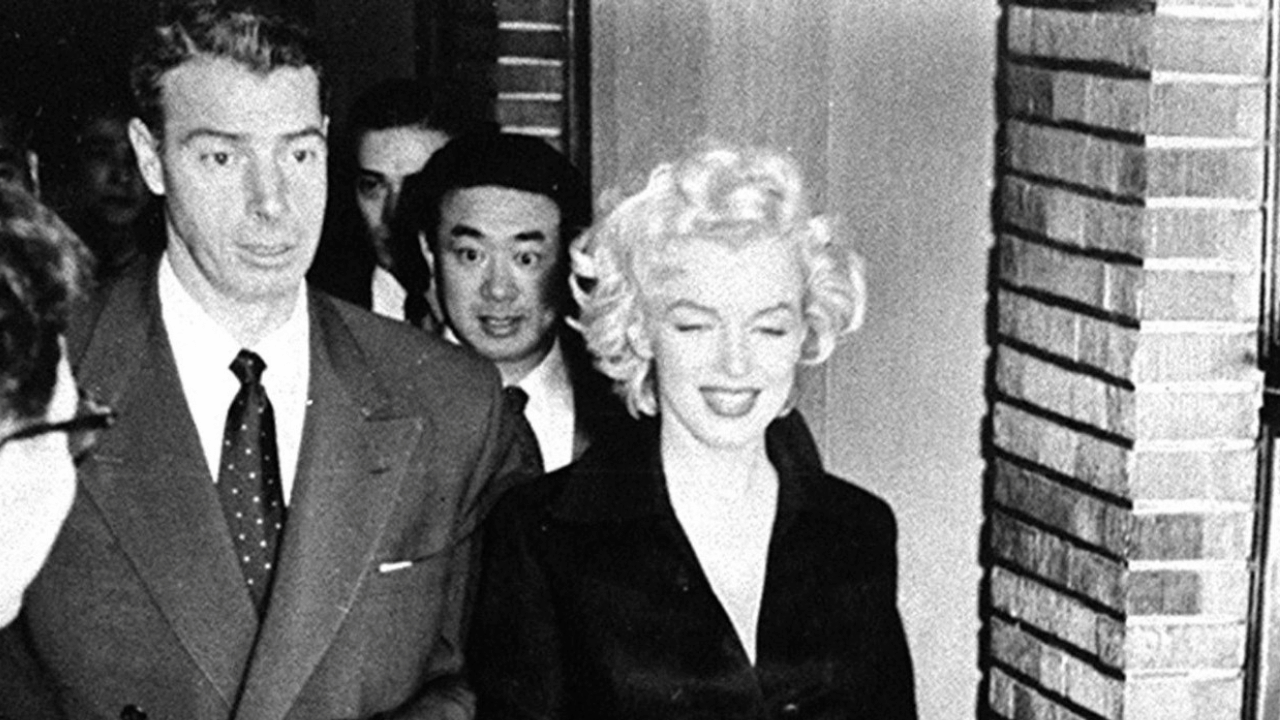
Marilyn Monroe's ex-husband Joe DiMaggio helped get her discharged.
The Some Like It Hot actress went so far as to imply that she would "harm" herself if she wasn't allowed to leave, even though she claimed they were only false threats.
She said self harm was "the furthest thing from my mind at that moment" since she was an actress and would "never intentionally mark or mar myself."
"I’m just that vain," she added.
Eventually, she claimed that she was forcibly taken to room on a new floor, but she would not physically cooperate with staff.
"They asked me to go quietly but I refused to move staying on the bed so they picked me up by all fours, two hefty men and two hefty women and carried me up to the seventh floor in the elevator," her letter continued. "I must say at least they had the decency to carry me face down. You know at least it wasn’t face up."
"I just wept quietly all the way there and then was put in the cell I told you about," she concluded.
Monroe's ex-husband Joe DiMaggio, who she divorced in 1954, helped her get discharged from the facility.

Never Miss an

Daily updates from the heart of Hollywood, right to your inbox
By entering your email and clicking Sign Up, you’re agreeing to let us send you customized marketing messages about us and our advertising partners. You are also agreeing to our Terms of Service and Privacy Policy.
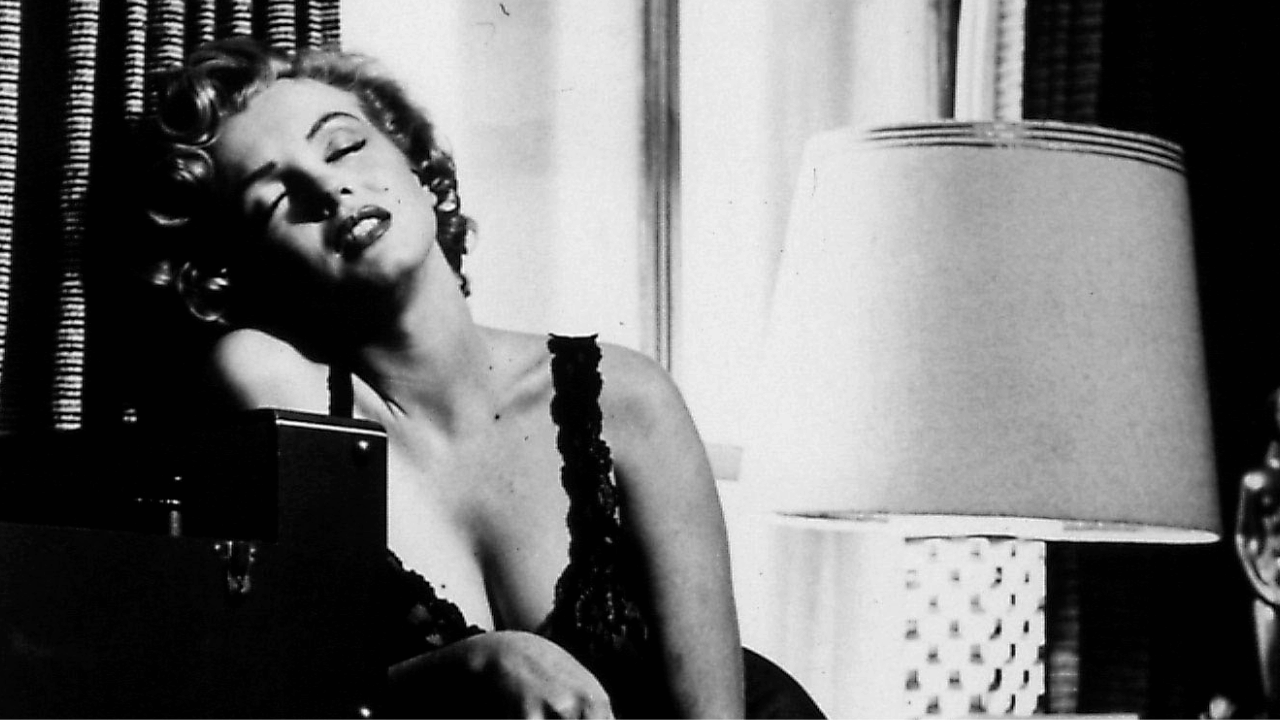
Marilyn Monroe died at 36.
One year later, Monroe died on August 4, 1962. Her body was discovered in her L.A. home on August 5. She was only 36.
Medical examiners later determined her cause of death was an overdose of barbiturates and branded it a "probable suicide."
However, rumors and conspiracy theories continue to swirl around her death more than 60 years later.
