


EXCLUSIVE: Lindsay Clancy Lawsuit Claims Doctor Said She Had 'No Postpartum Depression' Despite Showing Severe Symptoms

Lindsay Clancy's lawsuit claims a doctor ruled out postpartum depression despite severe mental-health screening scores.
Sept. 4 2026, Published 4:09 p.m. ET


Lindsay Clancy's explosive medical malpractice lawsuit claims a psychiatrist concluded she had "no postpartum depression" despite psychological screening scores that allegedly showed severe depression and extreme anxiety, RadarOnline.com can exclusively reveal.
According to the complaint, obtained by Radar, Clancy sought emergency psychiatric treatment at Women & Infants Hospital in Rhode Island on December 16, 2022, after weeks of worsening symptoms, hallucinations and suicidal thoughts.
Severe Scores, Stunning Conclusion


Lindsay and Patrick Clancy are pictured with their children before the January 2023 tragedy that is now at the center of her malpractice claims.
The lawsuit claims Clancy underwent multiple mental health assessments during the admission.
According to the filing, she scored 23 on the Edinburgh Postnatal Depression Scale, which her attorneys say indicated severe depression. She also allegedly scored 21 on the GAD-7 anxiety scale, a result the lawsuit says fell within the most severe category of anxiety symptoms.
Despite those scores, the complaint alleges psychiatrist Dr. Zobeida Diaz concluded Clancy had "no postpartum depression" and rejected bipolar disorder as a possible diagnosis. Clancy's attorneys claim the conclusion ignored significant warning signs that had been developing for weeks.
The lawsuit alleges that just days earlier, Clancy had repeatedly sought help because she feared she was becoming suicidal.
Two Pleas for Crisis Help
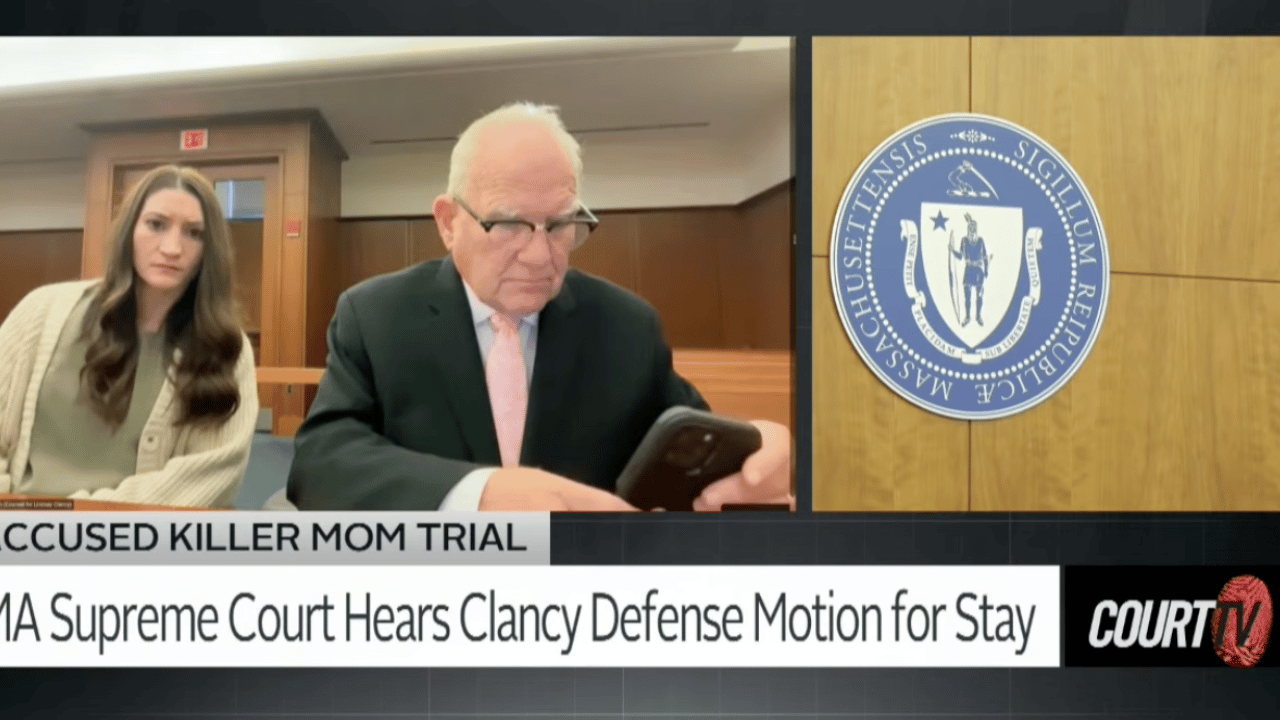
The complaint says Clancy sought suicide-related help on back-to-back days but was allegedly denied inpatient treatment
On December 4, the complaint says Clancy contacted the New Bedford Suicide Hotline after becoming frightened by hallucinations and worsening psychiatric symptoms.
However, the suit claims she was told her situation did not constitute an emergency because she did not have a specific plan to kill herself.
The following day, Clancy allegedly sought help through ASPIRE Crisis Support.
According to the lawsuit, a clinician again determined she did not meet the criteria for inpatient psychiatric treatment because she did not have a specific suicide plan.
Her attorneys argue those decisions were among a series of missed opportunities to recognize the severity of her deteriorating mental state.
Warnings Kept Mounting
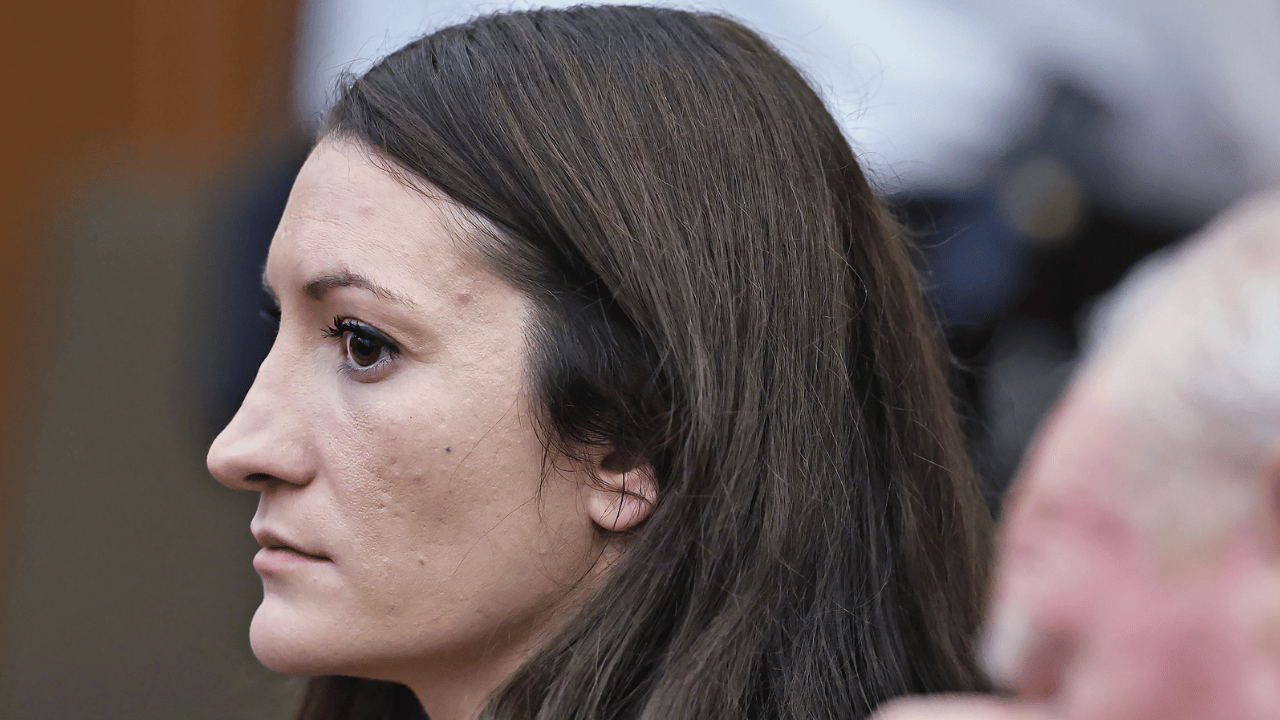
Clancy could have to face the horrors of her actions all over again at a retrial.
The complaint also alleges Clancy's husband, Patrick, repeatedly raised concerns about her medications and worsening behavior.
By December 15, the lawsuit claims Clancy was experiencing auditory hallucinations throughout the day.
Patrick allegedly reported she had endured a "devastating week," while she allegedly told him, "I have thoughts of harming the kids."
The lawsuit says she was also hearing voices telling her that "the only option is to die."
Clancy's attorneys contend that her symptoms, medication reactions, and screening results should have prompted providers to investigate bipolar disorder with postpartum onset rather than continuing to treat her primarily for anxiety and depression.
The complaint accuses the doctors and institutions involved in Clancy's care of failing to properly diagnose her, coordinate treatment, and respond to repeated psychiatric warning signs.

Lawsuit Blames Missed Red Flags

Never Miss an

Daily updates from the heart of Hollywood, right to your inbox
By entering your email and clicking Sign Up, you’re agreeing to let us send you customized marketing messages about us and our advertising partners. You are also agreeing to our Terms of Service and Privacy Policy.
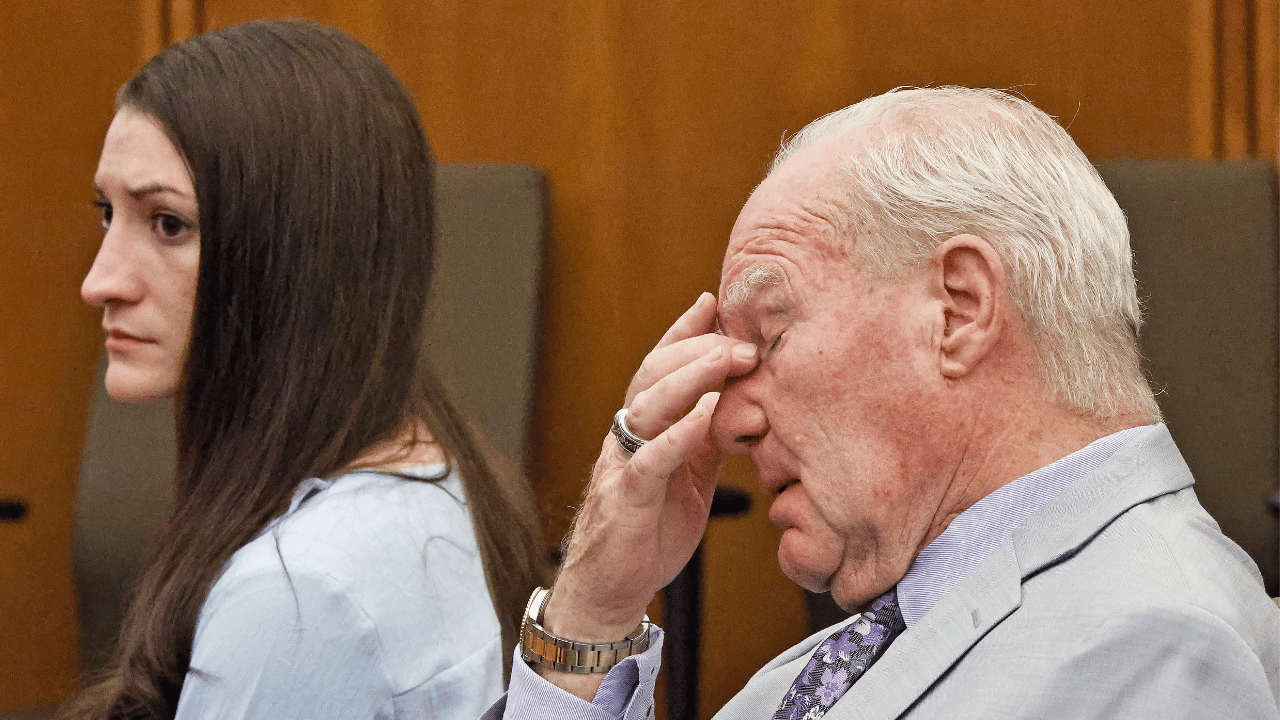
Kevin Reddington argued there wasn't enough evidence to prove Clancy killed her three kids.
Clancy was later admitted to McLean Hospital on December 31 after experiencing severe depression and suicidal ideation.
She was discharged five days later.
On January 24, 2023, Clancy strangled her three children — Cora, Dawson and Callan — before attempting to take her own life. Her lawsuit maintains that she was suffering from command hallucinations at the time and alleges negligent psychiatric care contributed to the tragedy.
Clancy's criminal trial ended in a mistrial Friday, September 4, after jurors were not able to reach a unanimous verdict.
The mistrial came after Clancy's attorneys filed an emergency request with Massachusetts' Supreme Judicial Court raising concerns about a juror whom the jury foreperson allegedly identified as biased and unwilling to follow the judge’s instructions on reasonable doubt.
