


EXCLUSIVE: Lindsay Clancy Demands Judge ACQUIT Her After 11-1 Mistrial — Lawyers Say Prosecutors' Own Experts Proved She Was Mentally Ill

Lindsay Clancy's lawyers are asking a Massachusetts judge to acquit her on all charges after her murder trial ended in an 11-1 mistrial.
Sept. 10 2026, Published 4:45 p.m. ET


Lindsay Clancy is demanding a judge acquit her on all charges following her explosive 11-1 mistrial, with her lawyers arguing prosecutors' own experts helped prove she was suffering from serious mental illness at the time of her children's deaths, RadarOnline.com can reveal.
Clancy's legal team filed a renewed motion for a required finding of not guilty in Plymouth Superior Court, asking the judge to enter not-guilty findings on each indictment.
Lindsay Clancy Case Ends in Mistrial

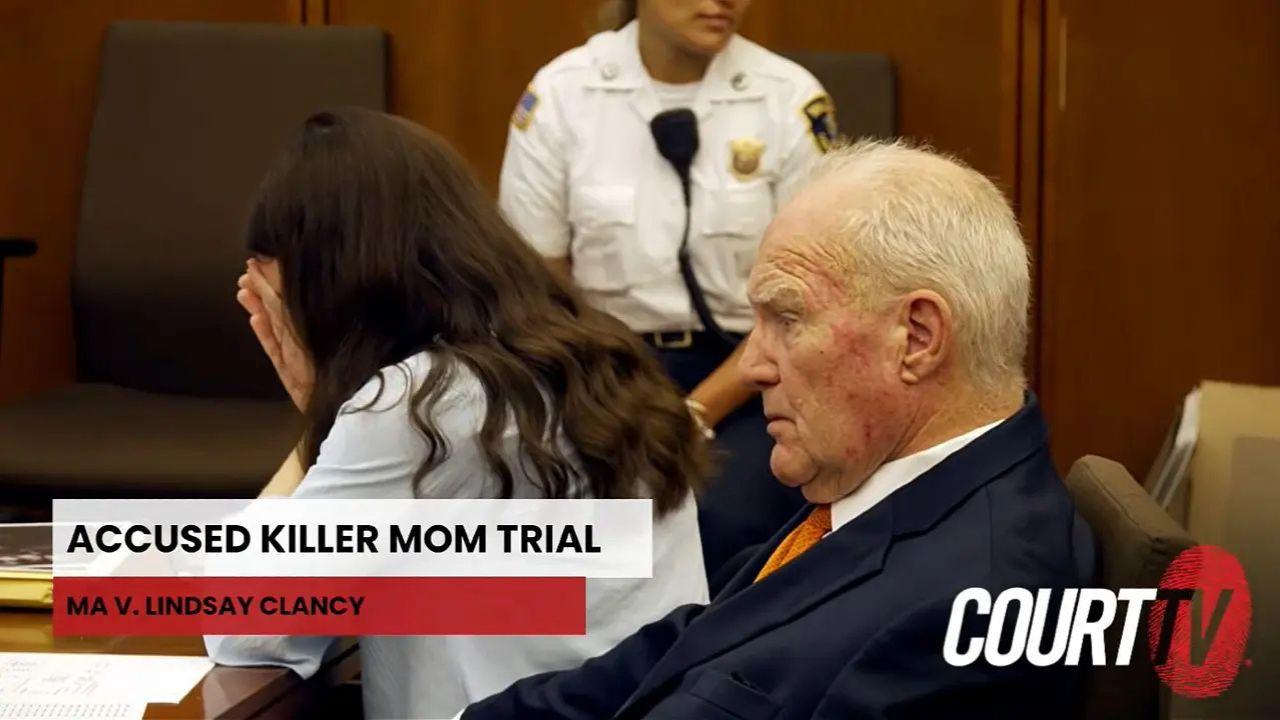
Reddington said the trial and aftermath have impacted Clancy's health.
According to court documents obtained by Radar, Clancy's attorneys argue the Commonwealth failed to present enough evidence for a rational jury to find beyond a reasonable doubt that she was criminally responsible for the January 24, 2023 killings.
Clancy was indicted on three counts of murder and three counts of strangulation following the deaths of her children. Her trial ended in a mistrial on September 4 after jurors deliberated for more than seven days and repeatedly reported they were deadlocked.
The new filing claims 11 jurors were prepared to find Clancy not guilty by reason of lack of criminal responsibility, while one juror refused.
Experts Backed Mental Illness
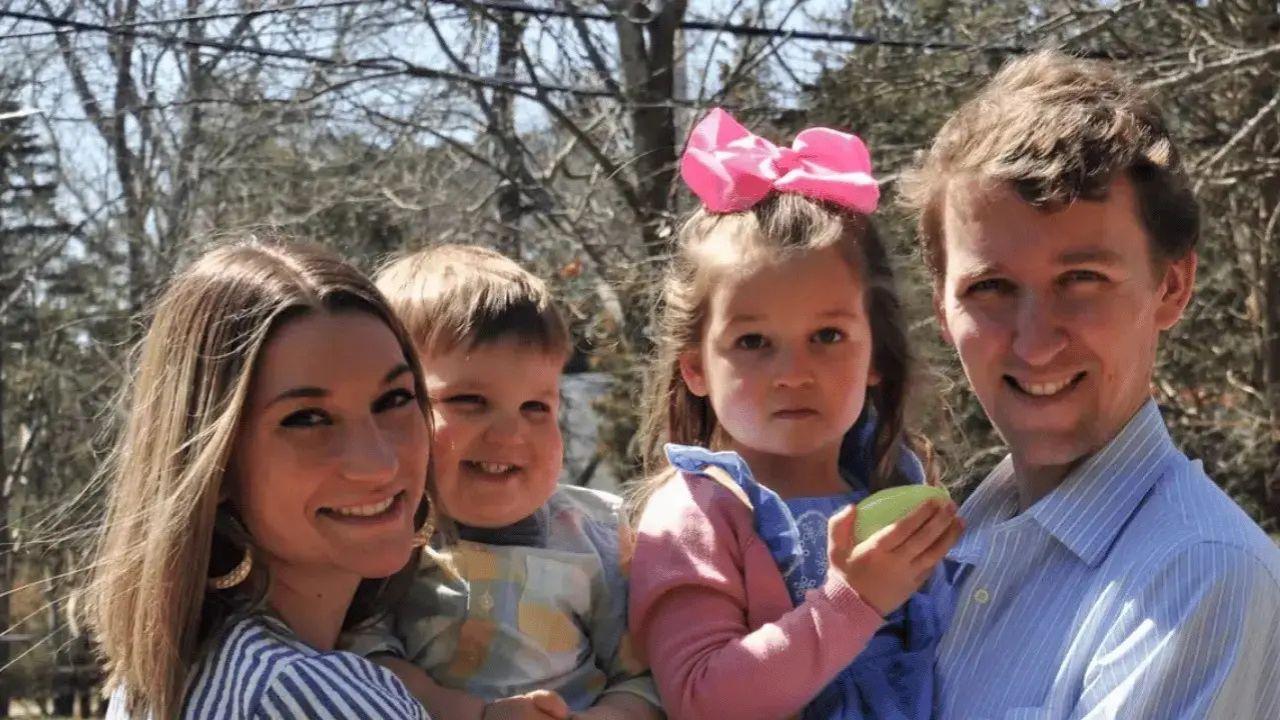
Clancy was charged with three counts of murder and three counts of strangulation.
Her attorneys wrote that the jury foreperson informed the court the lone juror had "acknowledged doubt" but allegedly refused to apply that doubt to the case under the law. Clancy's lawyers are now arguing the evidence itself requires the judge to step in.
The defense claims all six forensic experts who testified, three called by prosecutors and three by the defense, agreed Clancy suffered from a serious mental illness on the day of the killings.
According to the filing, prosecutors' rebuttal experts disputed the specific diagnosis, but not the existence of a mental illness. One expert described Clancy as suffering from a major depressive episode, while another diagnosed bipolar II disorder with dissociation, according to her attorneys.
Lindsay Clancy Unaware of What She Was Doing?
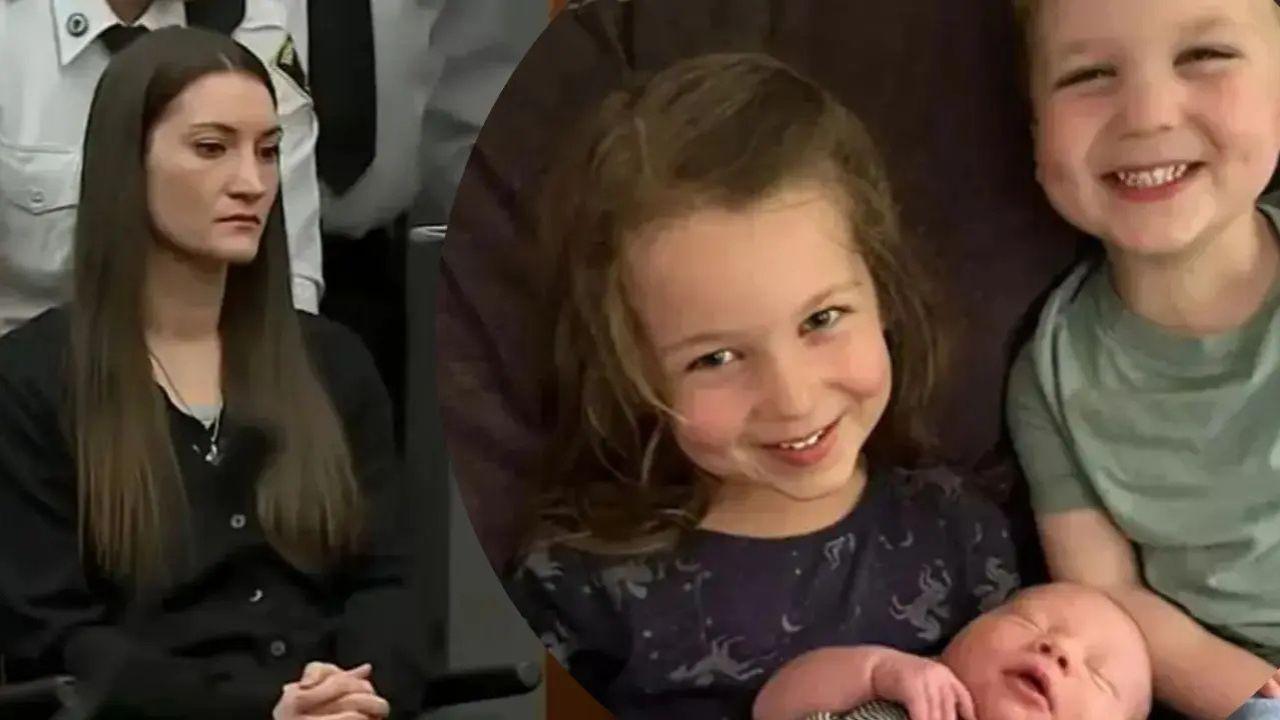
All six forensic experts who testified at trial agreed she suffered from mental illness.
The motion also points to testimony from medical professionals who treated Clancy in the weeks before the deaths and said she presented with postpartum depression and anxiety.
Her attorneys argue that once mental illness was established, prosecutors still had to prove beyond a reasonable doubt that Clancy retained the ability to appreciate the wrongfulness of her actions or conform her conduct to the law. The filing attacks evidence prosecutors relied on to show Clancy could function normally before the killings.
That evidence included her ability to drive, contact a pediatrician, send her husband on errands, and search online for medications, psychosis, and related topics.
But Clancy's lawyers argue those actions merely show she was capable of completing familiar tasks, not that she understood the wrongfulness of what she was doing.

'Delusional Reasoning' Argument Explained

Never Miss an

Daily updates from the heart of Hollywood, right to your inbox
By entering your email and clicking Sign Up, you’re agreeing to let us send you customized marketing messages about us and our advertising partners. You are also agreeing to our Terms of Service and Privacy Policy.
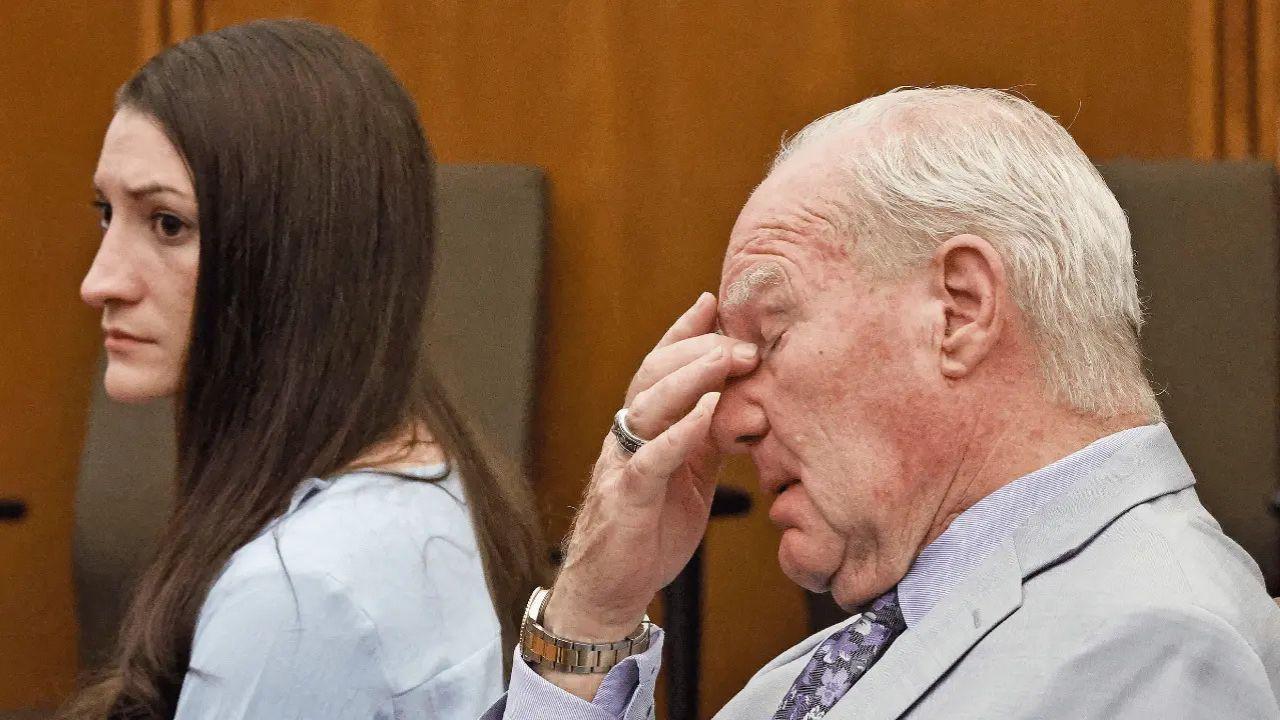
Clancy’s lawyers argue routine tasks did not prove she understood right from wrong.
They also highlighted testimony that a person experiencing psychosis can still drive, use a computer, and perform routine activities because hallucinations may be intermittent.
In one of the motion's most striking arguments, Clancy's attorneys cite a prosecution expert's characterization of the killings as involving a mentally ill mother who believed her children would suffer without her.
The defense argues that description itself points to "delusional reasoning," rather than proof Clancy retained criminal responsibility.
Clancy's lawyers are asking the court to enter findings of not guilty on all charges instead of allowing the case to proceed toward another trial.
