


'I Want to Make a Deal': Donald Trump Explains Why He Keeps Calling Vladimir Putin His 'Friend' After Zelensky's Hitler Comparison

Zelenskyy compared the remark to calling Adolf Hitler a friend during World War II.
Nov. 27 2026, Published 1:12 p.m. ET


RadarOnline.com reports that Donald Trump has defended his decision to call Russian President Vladimir Putin his "friend" after Ukrainian President Volodymyr Zelenskyy compared the description to calling Adolf Hitler a friend during World War II.
In an interview with the BBC broadcast Friday, November 27, Zelenskyy criticized Trump's friendly language toward the Russian leader, arguing that Putin cannot be considered a friend while Russia continues its invasion of Ukraine.
"He is an aggressor and a killer. He can't be a friend," Zelenskyy said. "It's the same as somebody saying about Hitler during the Second World War that he's a good friend."
His comments highlight growing frustration in Kyiv over Washington's approach to Moscow as Trump attempts to negotiate an end to the nearly five-year conflict.

Trump Says Friendly Language Helps Negotiations
Trump said he uses friendly language to keep negotiations moving and stop the killing.
Trump defended his remarks Thursday, November 26, insisting that maintaining a workable relationship with Putin was important to securing a peace agreement.
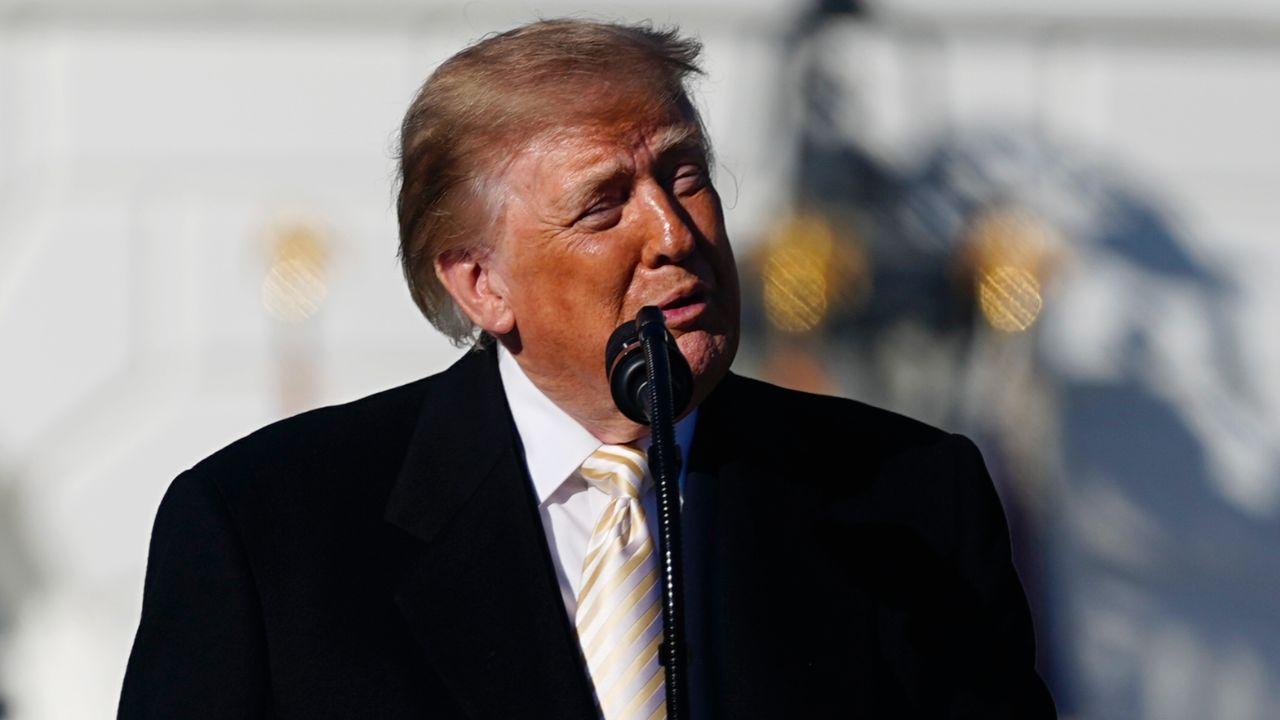
"We want to make a deal. We want to stop the killing," Trump told reporters. "I could say he's not a friend ... I want to make a deal."
The president also argued that openly expressing hostility toward Putin would create additional problems for negotiations.
"I could walk in and say, 'I don't like you,' and then we have the same problem that we have with Zelenskyy and Putin," he explained, pointing to the Ukrainian and Russian presidents' strained relationship.
Trump had described Putin as "my friend" during their November 19 meeting at a summit in Shenzhen, China. He subsequently shared a photograph of the two leaders embracing on Truth Social, using the same description.
Zelenskyy Wants Washington to Take a Stronger Position
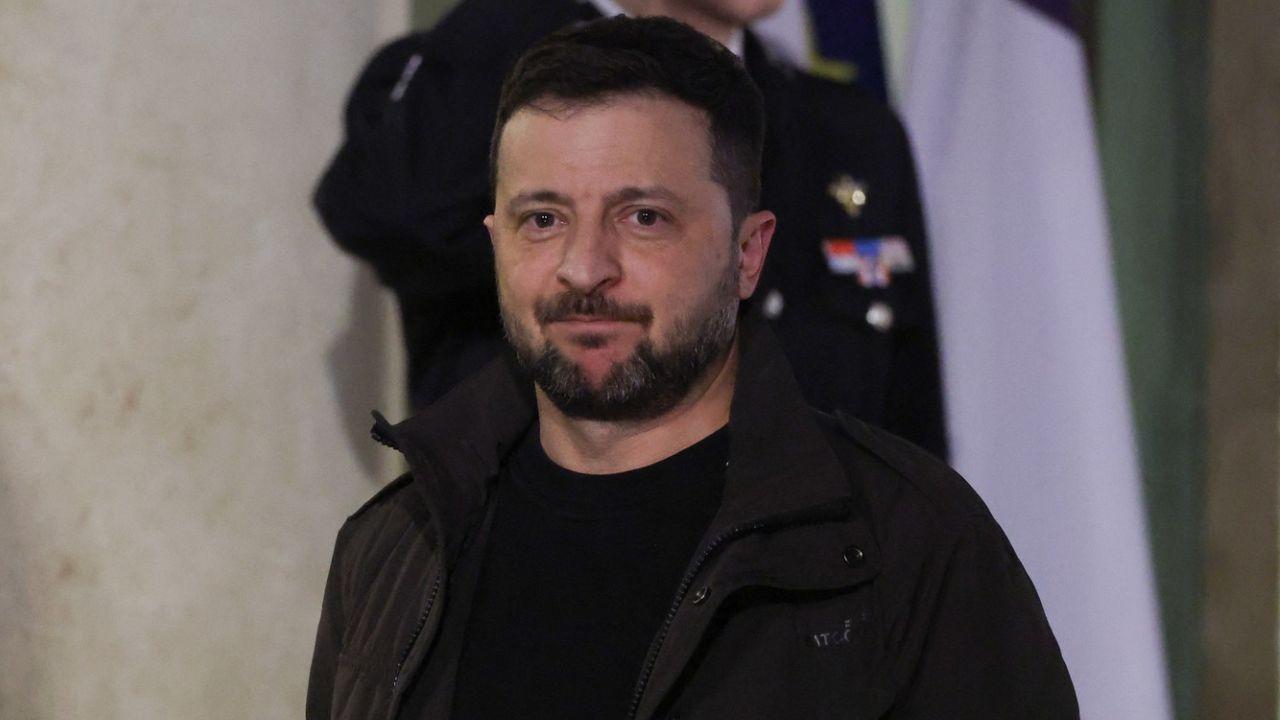
Zelenskyy urged Washington to pressure Russia, which he called the aggressor.
The Ukrainian president also urged the United States to use its influence to pressure Moscow rather than maintain what he considers an overly neutral position.
"When you try to be very neutral with the aggressor ... it means you support victims and you support also aggressor. It's not right," he told the BBC.
Zelenskyy said Ukraine needed allies willing to take meaningful action rather than simply offer diplomatic reassurances.
"We don't need signals from the United States, which we can get from Russia," he added. "It's not about comfortable talks; it's about a strong country that can pressure."
Trump's Peace Envoys Have Also Praised Putin

Never Miss an

Daily updates from the heart of Hollywood, right to your inbox
By entering your email and clicking Sign Up, you’re agreeing to let us send you customized marketing messages about us and our advertising partners. You are also agreeing to our Terms of Service and Privacy Policy.
Russia’s invasion of Ukraine began in February 2022 and continues despite peace efforts.
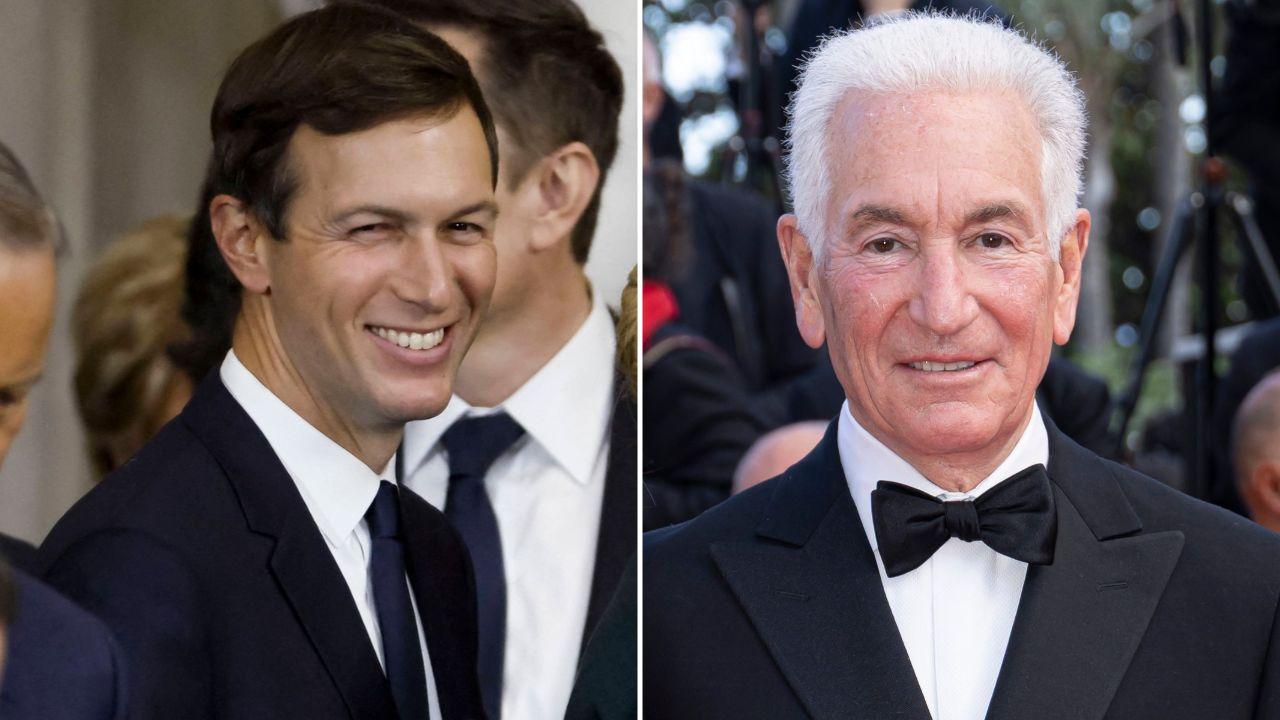
Zelenskyy's criticism came shortly after Jared Kushner, Trump's son-in-law and an envoy involved in peace negotiations, praised Putin as a "grandmaster" of politics.
Steve Witkoff, another U.S. envoy involved in diplomatic efforts, previously described the Russian president as a "humanitarian," according to reporting by The Associated Press.
Their comments have added to questions about the administration's approach to Putin as Ukraine continues pushing Washington to take a tougher stance toward Moscow.
The diplomatic tensions come as Russian attacks on Ukraine continue. Ukrainian Prime Minister Serhii Koretskyi said Russian strikes hit infrastructure, energy facilities, businesses, and residential buildings across nine regions overnight Friday.
One person was killed, and at least six others were injured, according to Ukrainian officials. Ukraine's air force said it intercepted or suppressed 110 of 155 Russian drones launched during the night.
Ukraine is also seeking continued military and financial assistance from its allies. European Union leaders recently failed to reach an agreement on a proposed loan to help cover Kyiv's needs next year. The outstanding proposal involves approximately $49 billion in funding.
Meanwhile, the International Criminal Court has issued an arrest warrant for Putin over alleged war crimes involving the deportation of Ukrainian children. Moscow denies deliberately targeting civilians.
