


Epstein's Death Was Not a Suicide, Forensic Scientist Declares in New Report — 'Doesn't Look Like a Hanging Mark'

Dr. Michael Freeman, hired by Epstein’s brother, concluded the 2019 death was not a suicide after examining the autopsy file.
Nov. 17 2026, Published 12:25 p.m. ET


A forensic scientist hired by Jeffrey Epstein's brother has concluded that the financier’s 2019 death was not a suicide, RadarOnline.com has learned.
The scientist is arguing that Epstein's documented injuries in the autopsy are more consistent with homicidal strangulation than hanging.
'These Don’t Look Like a Hanging Mark'

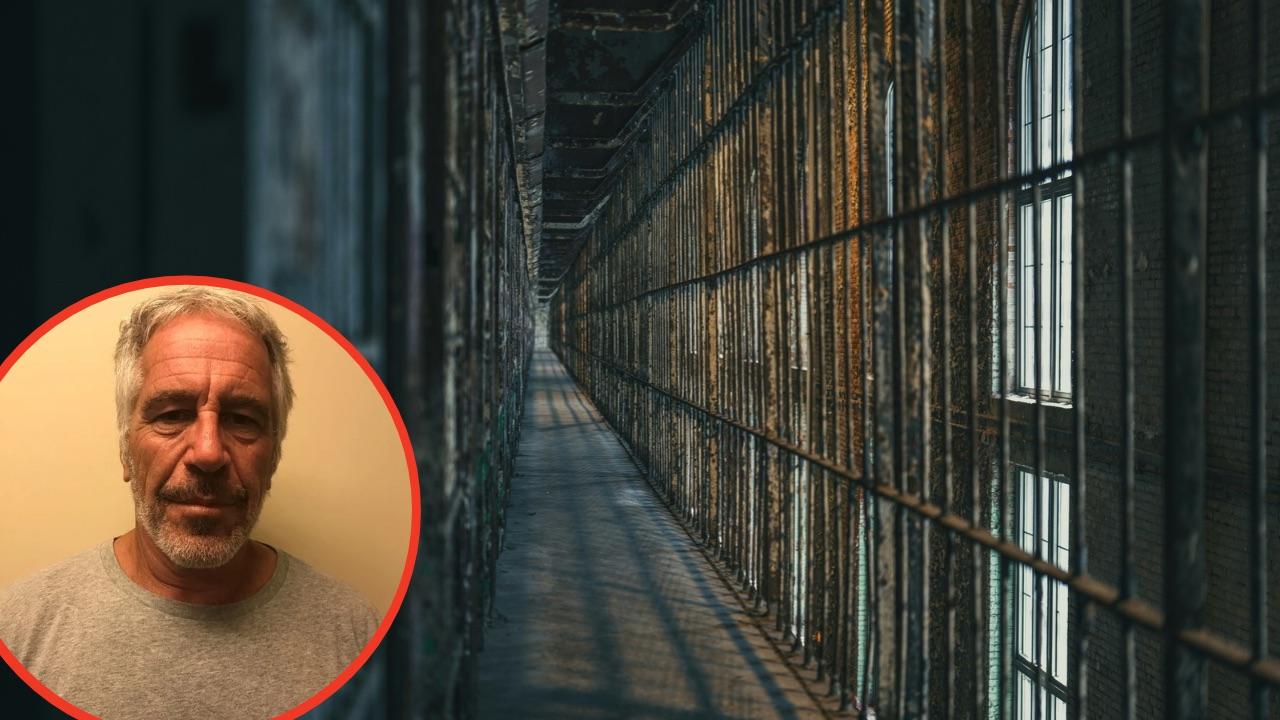
Epstein's brother has long disputed the suicide ruling and made autopsy photographs public as part of his effort to reopen scrutiny of the case.
Dr. Michael Freeman, who holds doctorates in epidemiology and forensic medicine, spent roughly a year examining Epstein's autopsy file after Mark Epstein provided the materials in November 2025.
Freeman told a publication his initial reaction to the photographs was, "Wait a minute, that doesn't look like a hanging mark"
Working with cognitive neuroscientist Itiel Dror and forensic pathologist Anders Eriksson, he argues the neck injuries point to strangulation rather than suicide by hanging.
The researchers have been seeking a peer-reviewed journal to publish their findings.
Freeman said his work focuses on the forensic evidence and what he considers failures in the death investigation, not on identifying a perpetrator.
Disputed Neck Injuries
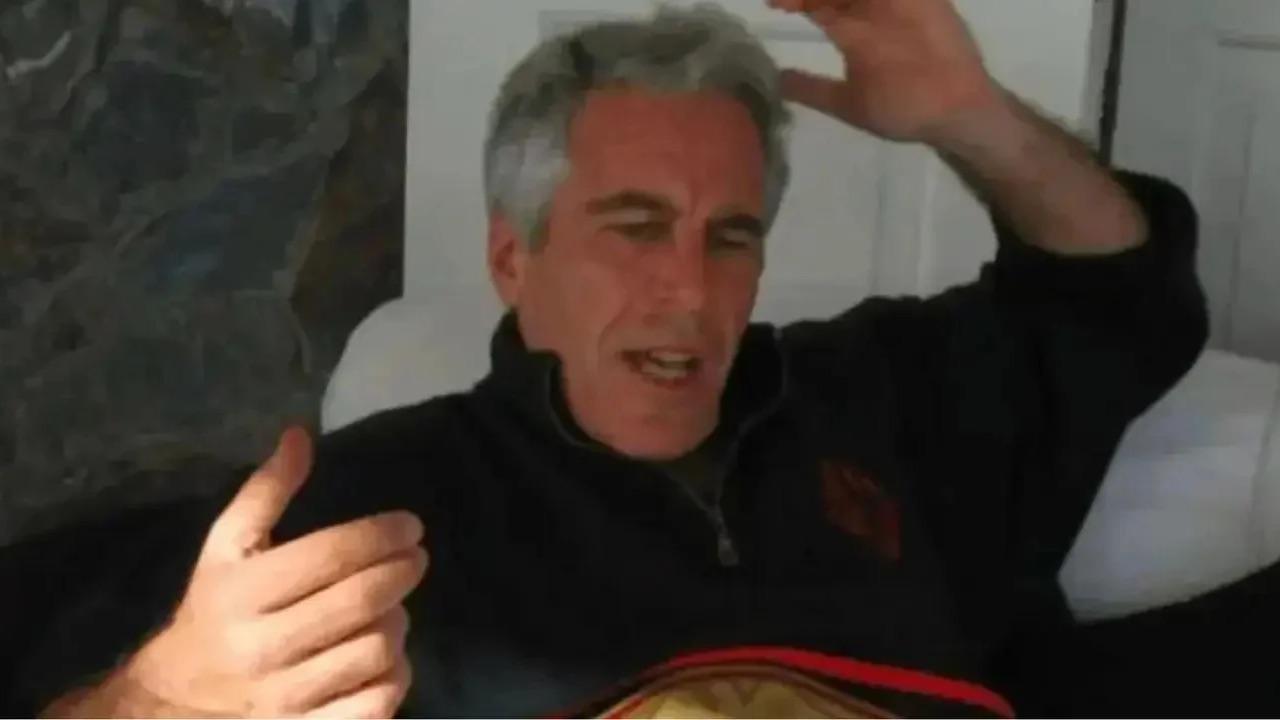
Dr. Michael Freeman said the deep, ragged, Y-shaped mark on the predator's neck is inconsistent with a typical hanging ligature and more consistent with strangulation.
Freeman said a typical hanging produces a smooth, consistent ligature mark that slopes upward toward a peak.
The predator's injury, by contrast, was deep, ragged, and branched into a Y-shaped pattern on one side, a pattern he considers more consistent with strangulation.
He also identified what he described as fingernail marks above the ligature line, an abrasion at the base of the neck, and a fresh hemorrhage in the muscle of the left shoulder, which he said could indicate the s-x offender was strangled from behind and may have struggled.
Mark previously hired forensic pathologist Dr. Michael Baden, who questioned whether the ligature mark matched the bedsheet noose authorities said was used.
"The markings on Epstein's neck would have required a different type of material," Baden said. On November 16, Mark uploaded autopsy photographs online for public examination.
Night of the Death and Official Response
He also cited possible fingernail marks, an abrasion and a shoulder hemorrhage as evidence that may point to a struggle.
As Radar previously reported, the predator was found dead in his federal jail cell in August 2019 while awaiting trial on federal s-x trafficking charges.
Two correctional officers assigned to monitor him reportedly fell asleep and failed to conduct required checks for about three hours; surveillance cameras outside the cell malfunctioned.
Footage reportedly showed an unidentified orange-colored object moving toward the cellblock around 10:39 p.m. the night before.
The medical examiner was not permitted to inspect the cell, and the guard who discovered the body later told the FBI, "I don't recall taking the noose off… I don't recall taking the thing from around his neck."
Kristin Roman, the medical examiner who performed the original autopsy, told federal investigators she was certain he died by suicide, citing the absence of bruises and debris beneath his fingernails and stating: "This doesn’t look anything like a strangulation."
The Justice Department concluded in 2023 that there had been "job performance failures” by prison officials but maintained the death was a suicide.
The New York City Office of Chief Medical Examiner said this week that it "stands by its determination."

Never Miss an

Daily updates from the heart of Hollywood, right to your inbox
By entering your email and clicking Sign Up, you’re agreeing to let us send you customized marketing messages about us and our advertising partners. You are also agreeing to our Terms of Service and Privacy Policy.
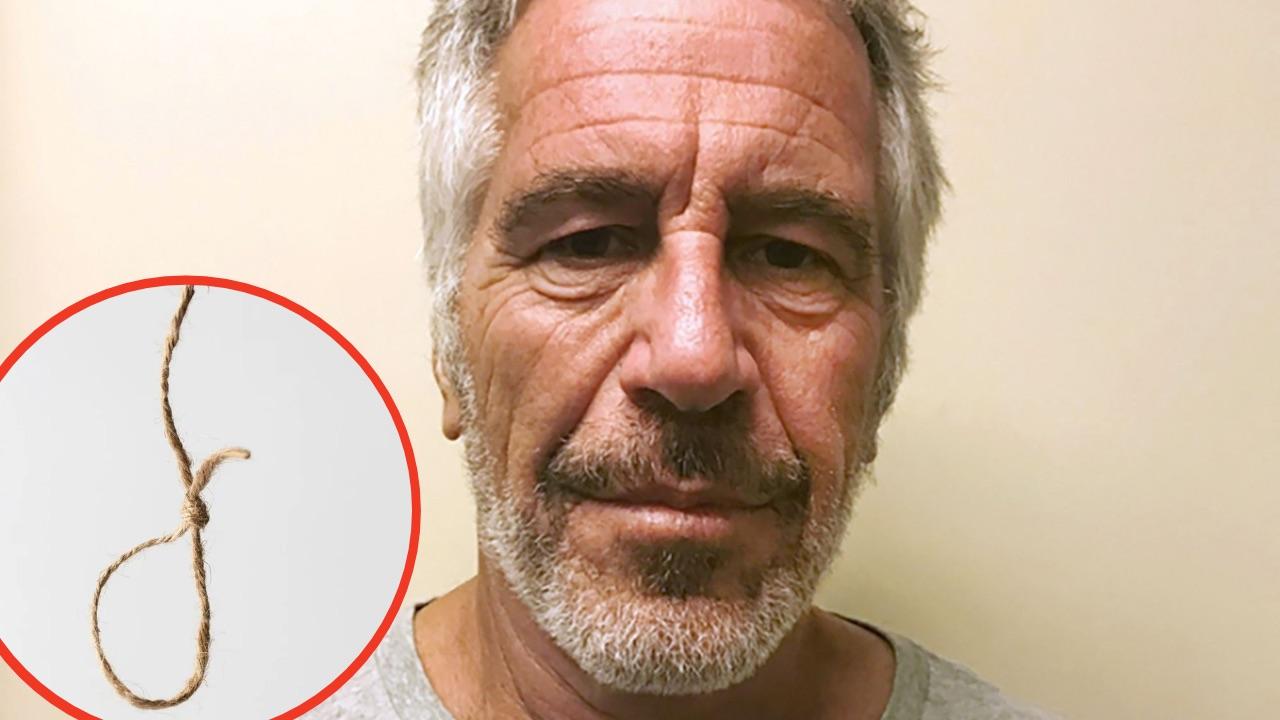
The medical examiner’s office and federal authorities continue to stand by the original suicide determination despite the new analysis.
The vile criminal's connections to wealthy and powerful individuals have long fueled speculation about the circumstances of his death.
Freeman’s analysis challenges the original ruling but has not yet undergone peer review, and the official determination remains suicide.
