


EXCLUSIVE: Jeffrey Epstein's Death Investigation Faces Fresh Questions Over His 'Suicide'

Jeffrey Epstein's death investigation faces renewed scrutiny as questions about his 'suicide' persist.

Oct. 30 2026, Published 6:00 a.m. ET


Jeffrey Epstein was murdered during a violent struggle inside his New York City jail cell, according to an explosive independent investigation by a team of internationally renowned forensic pathologists who are challenging the official ruling that his death was a suicide, RadarOnline.com can reveal.
Lead investigator Dr. Michael Freeman, a forensic expert affiliated with the Royal College of Pathologists in London, plans to unveil his bombshell findings in November following a yearlong investigation into the convicted s-- offender's controversial August 2019 hanging.
Forensic Expert Claims Epstein's Autopsy Overlooked Suspicious Injuries


Dr. Michael Freeman questioned the suicide ruling in Jeffrey Epstein's 2019 jail death.
In an exclusive interview with RadarOnline.com, Freeman reveals that Epstein's autopsy report appears to overlook bruises on the creep's face, neck and shoulder, as well as scratches above the ligature marks around his throat – injuries he believes suggest the disgraced financier fought desperately for his life.
While the Department of Justice (DOJ) said: "Jeffrey Epstein died by suicide," Freeman asserted Epstein "was trying to get at the ligature that was around his neck, which would not have occurred in the circumstances of a hanging."
Freeman declined to reveal the full extent of his findings ahead of his Nov. 16 presentation to fellow forensic experts, before adding: "What I hope to show is that we need to have a little bit more transparency about how the investigation was done, because this whole thing has been very occult."
The 66-year-old convicted s-- offender was found hanging from his bunk bed with a noose around his neck at New York's Metropolitan Correctional Center, where he was awaiting trial on federal s-- trafficking charges.
Forensic Expert Exposes Alleged FBI Blunders in Epstein Death Investigation
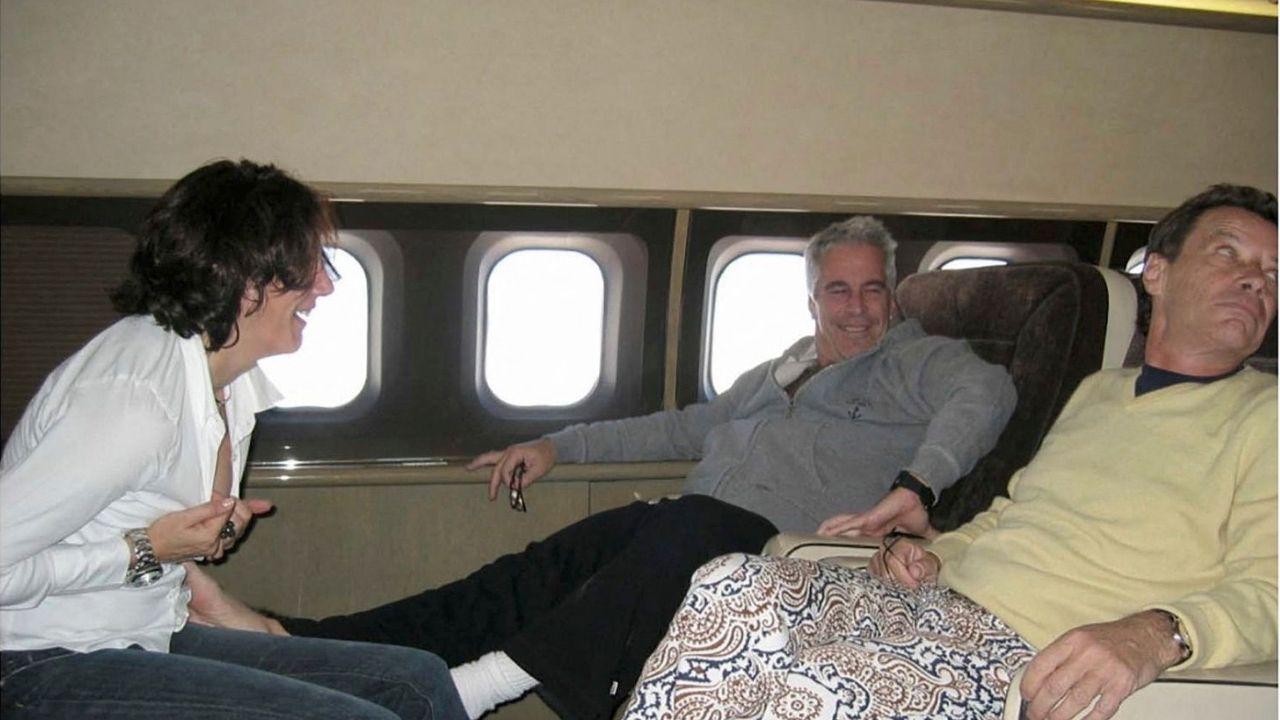
Forensic expert Dr. Michael Baden said Epstein's neck fractures were more consistent with strangulation.
But Dr. Michael Baden, an independent pathologist hired by Epstein's brother, Mark Epstein, to observe the autopsy, has argued that fractures in the neck were more consistent with homicidal strangulation than suicide.
Guards assigned to check on Epstein every 30 minutes failed to make their rounds, while jail surveillance footage was incomplete – fueling suspicions of foul play and allegations of a cover-up.
Some experts believe the missing surveillance footage has been found and shows Epstein's murder.
What's more, Freeman charges FBI investigators failed to collect DNA evidence at the scene and, incredibly, discarded the cloth noose allegedly used in Epstein's hanging – glaring lapses he identified while reviewing hundreds of pages of investigative reports, medical records and photographs supplied by Mark.
Investigator Claims Epstein's Neck Scratches Suggest He Fought for His Life
The FBI denied allegations that agents mishandled evidence from Epstein's death investigation.
"They did not preserve the ligature," Freeman said.
"This is completely false. FBI agents followed all appropriate procedures," the FBI said.
Private investigator Jason Jensen told RadarOnline.com similar scratches appeared above the ligature marks on the neck of 6-year-old JonBenét Ramsey, who was found strangled with a garrote in her Boulder, Colo., home in 1996 after being sexually assaulted.
"The scratches are common in a strangulation because the person is fighting for their life – it's instinctive," Jensen said. "They indicate defense wounds that a person is trying to free themselves."


Epstein's Brother Calls New Forensic Findings 'Compelling and Convincing'

Never Miss an

Daily updates from the heart of Hollywood, right to your inbox
By entering your email and clicking Sign Up, you’re agreeing to let us send you customized marketing messages about us and our advertising partners. You are also agreeing to our Terms of Service and Privacy Policy.
Private investigator Jason Jensen said scratches above ligature marks can indicate defensive injuries.
Mark told RadarOnline.com he believes "the truth will eventually come out," describing Freeman's findings as "compelling and convincing."
Freeman said his team includes Dr. Anders Eriksson, a former chairman of forensic pathology in Sweden, and British expert Dr. Itiel Dror, a leading authority on bias and errors in forensic science.
"We have one of the most notorious prisoners in a jail, a person of great public interest who dies under what is reasonably called suspicious circumstances, and we have virtually no information on what those circumstances are," said Freeman, pointing out only one person reportedly saw Jeffrey hanging.
"What makes this a very, very unusual suicide by hanging determination. In fact, I've never seen anything like this before."
