


Trump's Midterm Gas Price Pledge Gets a Boost as Crude Falls Below $95 Despite Fresh Iran Strikes

Trump's midterm gas pledge gets boost as crude oil price falls
Nov. 3 2026, Published 2:21 p.m. ET


Donald Trump's hopes of getting relief from high gasoline prices ahead of the midterm elections faced a fresh challenge after U.S. forces struck Iran's Qeshm Island, raising concerns about further disruptions to global oil supplies.
Oil prices had plunged more than 7% on Monday, November 2, as investors responded to signs of progress in diplomatic efforts between Washington and Tehran.
However, reports of the U.S. military operation near the Strait of Hormuz brought renewed uncertainty to the market on Election Day, November 3.
The latest developments came as Trump faced pressure over fuel costs, with gasoline prices remaining significantly higher than they were a year earlier.
Oil Drops Below $95 Despite Qeshm Island Strikes

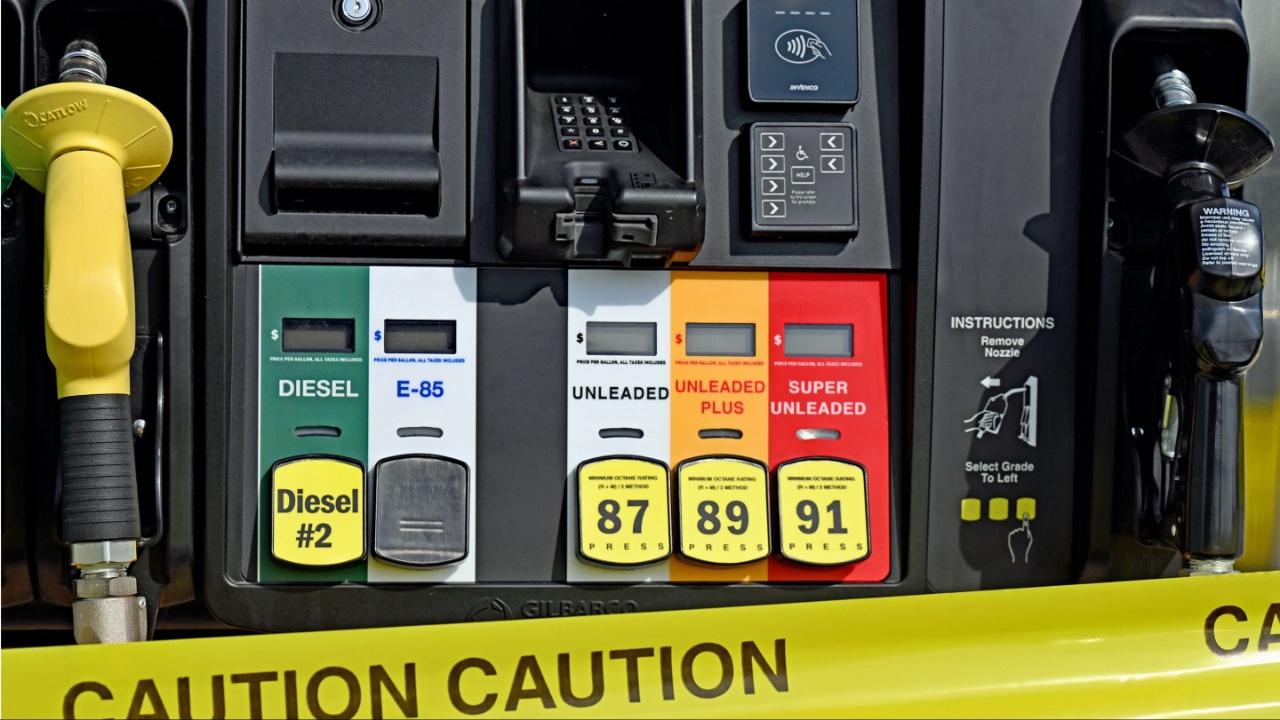
The crude went below $95 after rumors claimed that US and Iran were progressing towards a deal
The original price figures in this section need correcting. Although oil suffered a steep decline on Monday, it subsequently recovered after news of the Qeshm Island strikes.
According to Reuters, West Texas Intermediate crude was trading at $96.66 a barrel on Tuesday morning, while Brent crude stood at $104.80. Both benchmarks had fallen more than 7% during the previous session.
The Wall Street Journal reported that U.S. forces had struck Qeshm Island on Monday night, citing American officials.
Some officials described the operation as defensive, saying it was intended to prevent Iran from targeting commercial vessels in the Strait of Hormuz.
The military action complicated hopes for a diplomatic breakthrough, particularly as markets had begun factoring in the possibility of an agreement between the two countries.
Trump Midterm Pledge And Gas Price Relief
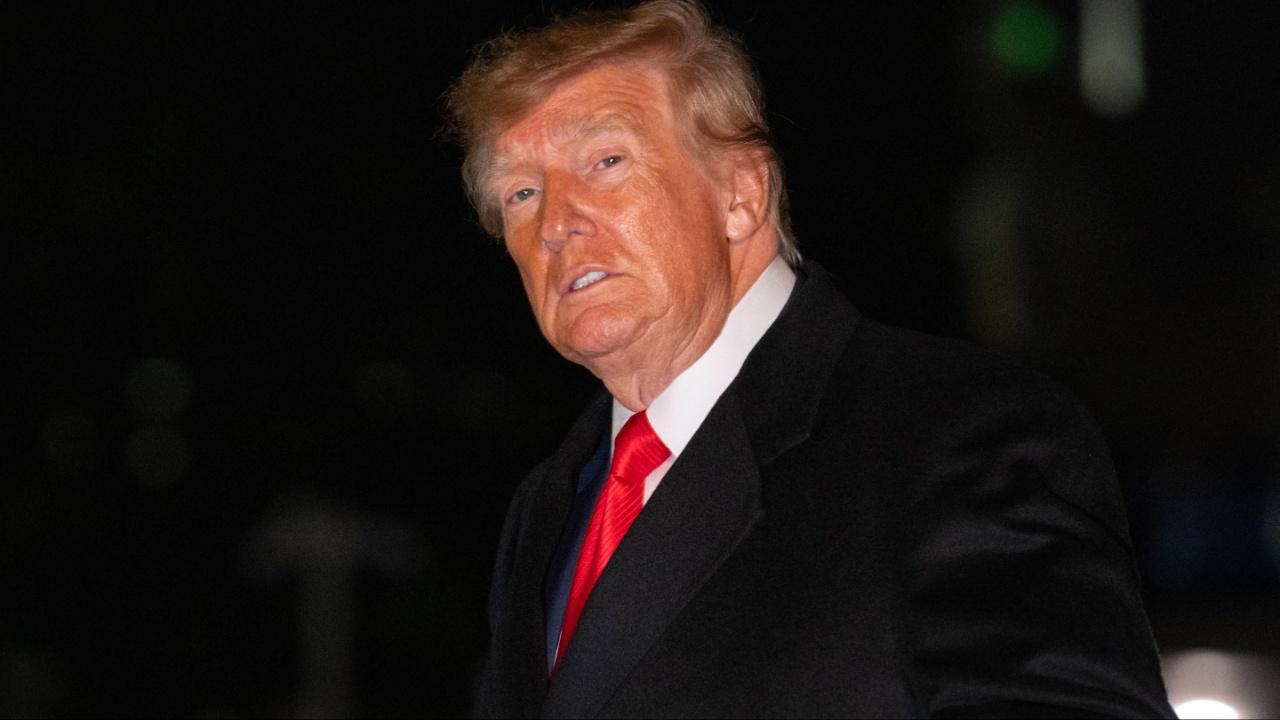
High oil prices and their contribution to inflation was a big concern for Donald Trump
Gasoline prices remain a significant concern for American drivers heading into the midterms.
AAA recorded a national average of $4.17 per gallon for regular gasoline on November 2. That was down from approximately $4.46 a month earlier but remained considerably higher than the $3.04 average recorded a year earlier.
Despite the recent decline, American motorists were still facing historically expensive fuel costs for an Election Day.
The Washington Post reported that the $4.17 average was the highest recorded for a U.S. Election Day, exceeding the previous record of $3.80 during the 2022 midterms.
The decline in crude prices offered some hope of further relief, but lower wholesale costs do not automatically translate into immediate savings at gas stations.
Continued military activity and uncertainty surrounding the Strait of Hormuz could also reverse the recent progress.
Diplomacy Signals Overshadow War Fears
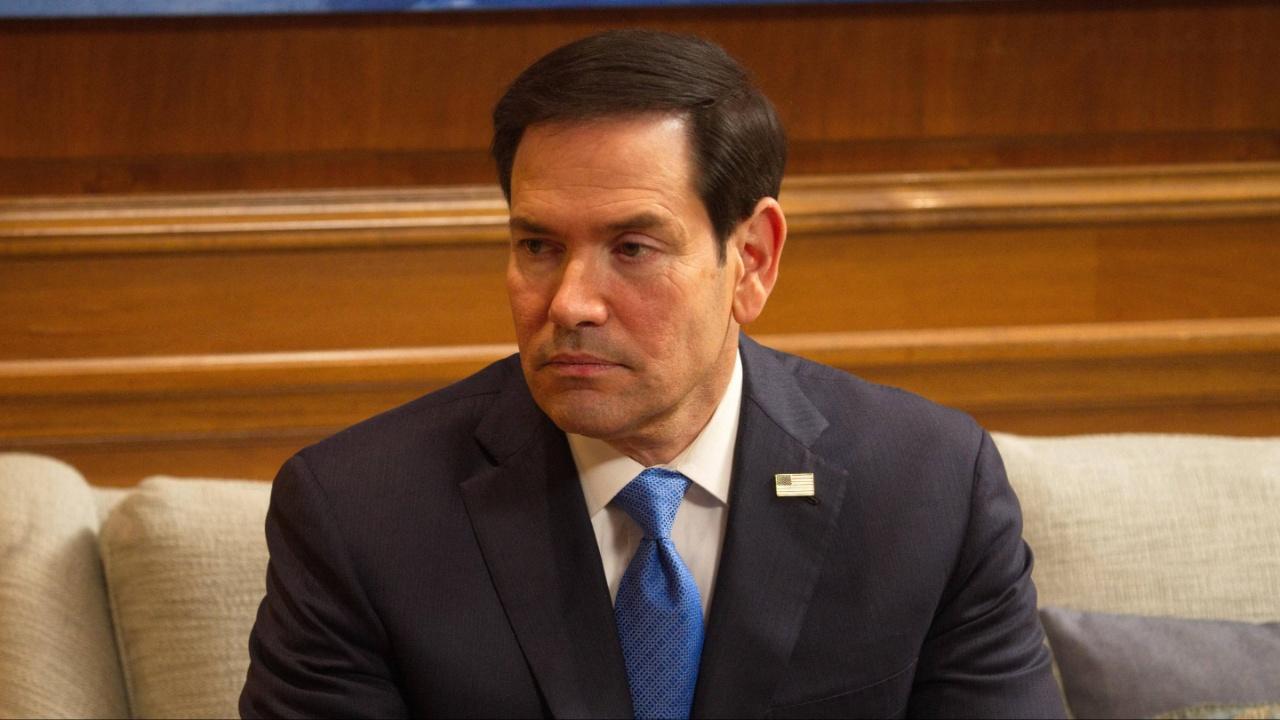
Marco Rubio claimed that President Donald Trump wants to resolve the Iranian war peacefully
The Trump administration has continued to express optimism about reaching a diplomatic settlement with Iran, despite the latest military action.
Vice President JD Vance told reporters Monday that he and Trump were encouraged by the possibility of an agreement.
"The president and I both feel pretty good about the prospects for potentially coming to a negotiated settlement," Vance said, adding that discussions would continue.
Secretary of State Marco Rubio also indicated that Trump preferred a peaceful resolution. However, he stressed that the president had not ruled out further military action if negotiations failed.
Iranian officials have also signaled an interest in continuing diplomatic discussions.
President Masoud Pezeshkian said Supreme Leader Mojtaba Khamenei had granted the government certain powers to facilitate negotiations, although the precise scope of that authority was not disclosed.
Foreign Minister Abbas Araghchi separately described the diplomatic contacts involving Qatari and Pakistani mediators as intensive, while emphasizing that an agreement would depend on Washington's willingness to pursue negotiations.


Volatility Remains As Election Day Unfolds

Never Miss an

Daily updates from the heart of Hollywood, right to your inbox
By entering your email and clicking Sign Up, you’re agreeing to let us send you customized marketing messages about us and our advertising partners. You are also agreeing to our Terms of Service and Privacy Policy.
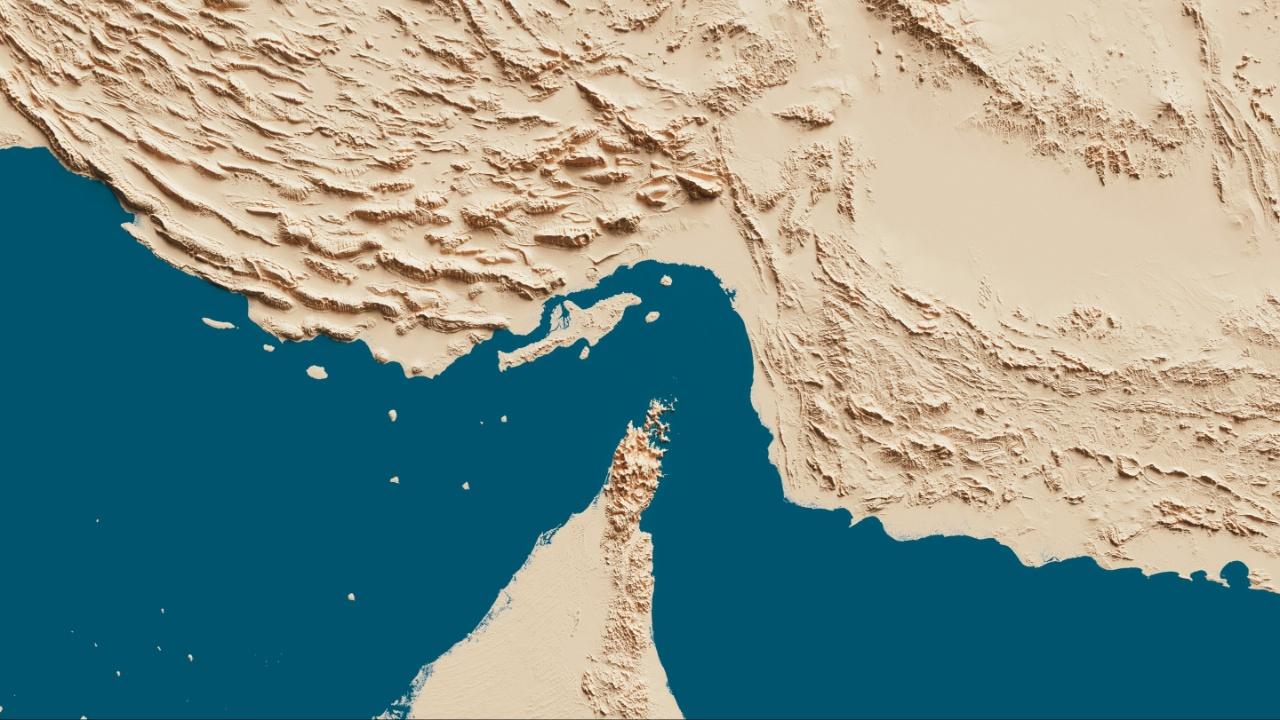
Strait of Hormuz carries around a fifth of the world's crude
The Strait of Hormuz remains central to the economic consequences of the conflict.
Before the fighting disrupted shipping, the strategic waterway carried approximately one-fifth of the world's petroleum supplies, making any prolonged interruption a serious concern for energy markets.
The recent decline in oil prices therefore does not necessarily signal that the crisis is easing.
Monday's selloff reflected hopes for diplomacy, while Tuesday's rebound demonstrated how quickly renewed military activity can change market expectations.
Trump entered Election Day with gasoline prices below their October levels, offering some relief after months of elevated fuel costs.
However, the latest developments in Iran showed that the administration's ability to deliver sustained savings at the pump remains closely tied to the outcome of the negotiations.
For now, the prospect of a diplomatic agreement is offering markets some encouragement, but the threat of renewed fighting continues to cloud the outlook for American drivers.
