


Intelligence Rift Deepens Under Trump as CIA Stops Co-Authoring Reports — Leaving Iran War Assessments in Question

Intelligence rift has deepened under Donald Trump, leaving Iran war assessments in question
Nov. 3 2026, Published 1:53 p.m. ET


An intelligence rift is growing under President Donald Trump as the CIA has stopped co-authoring key assessments with the National Intelligence Council, raising concerns about whether U.S. officials are receiving a complete picture of the war in Iran.
A Reuters investigation published November 3, based on interviews with eight current and former officials and people briefed on the matter, found that intelligence sharing with Congress and across federal agencies has slowed and, at times, temporarily stopped during Trump's second term.
The disruption comes as the administration considers its next steps in the Iran conflict. U.S. forces also carried out limited strikes against Iranian targets near the Strait of Hormuz on Monday, November 2, ahead of Election Day.
Intelligence Sharing Fractures Under Trump

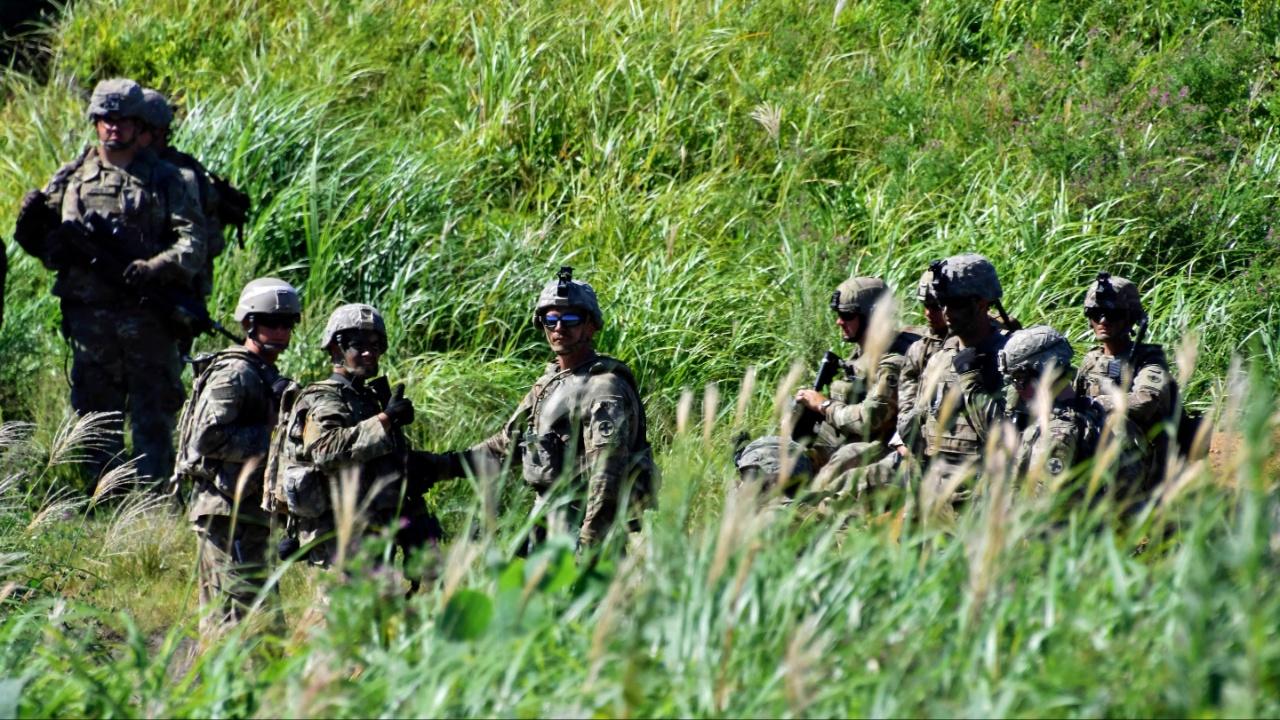
Reports from the National Intelligence discontinued after the US military intervention in Iran
Intelligence reports intended for Congress and other government agencies have become less consistent, according to officials who spoke to Reuters.
The disruptions have raised concerns that policymakers could be making critical national security decisions without access to a complete assessment of potential threats.
Former officials and outside experts compared the situation to intelligence failures exposed after the September 11, 2001, terrorist attacks.
The breakdown has also affected lawmakers directly.
According to two people familiar with the matter, members of Congress and their staffs temporarily stopped receiving reports from the Office of the Director of National Intelligence (ODNI) following the U.S. military intervention in Iran in June 2025 and the capture of former Venezuelan President Nicolás Maduro in January 2026.
Gabbard's office had accused lawmakers of leaking information to the press, Reuters reported.
CIA Stops Co-Authoring Reports With NIC
The CIA has discontinued co-authoring assessments with the NIC
One of the dispute's most significant consequences involves the National Intelligence Council (NIC), an analytical body within the ODNI that brings together assessments from the nation's 18 intelligence agencies.
The CIA stopped contributing to joint assessments last year, according to officials cited by Reuters. The agency had previously played a major role in preparing reports on international threats, including developments involving Iran and Russia.
Although the CIA continues to share intelligence with the council and contribute to some reports, its analysts have increasingly focused on producing their own assessments.
The change has affected the NIC's output. Five current and former officials told Reuters that none of the council's recent assessments had focused on the Iran war, while two people familiar with the matter said its overall production had slowed.
CIA spokesperson Liz Lyons disputed suggestions that the agency had withdrawn from the process. She said the CIA "participates fully" in intelligence assessments through the Presidential Daily Brief and the NIC.
An ODNI official also pushed back against concerns about reduced output, saying the council had maintained assessment levels close to historical trends.
Tulsi Gabbard Tenure And Turf War Behind Rift
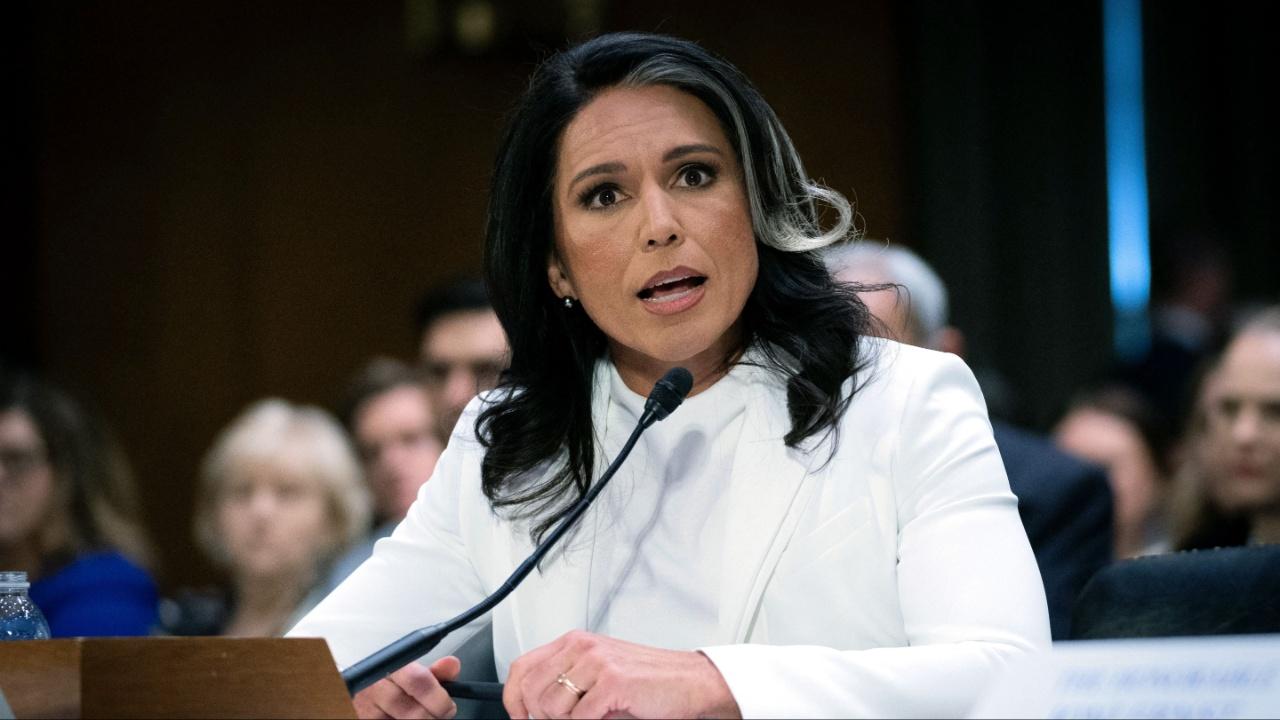
Tensions have remained despite that Tulsi Gabbard resigned in June 2026
The tensions developed during Tulsi Gabbard's time as director of national intelligence, when relations between her office and the CIA deteriorated.
Although the relationship between the agencies reportedly improved after Gabbard's resignation in June 2026, two officials told Reuters that the consequences of the dispute have continued.
Three former officials described the conflict as one of the most significant turf battles between the CIA and ODNI in roughly three decades.
The dispute intensified after Gabbard's office revoked the security clearances of current and former intelligence officials last year. Three former officials said White House Chief of Staff Susie Wiles subsequently intervened several times to ease tensions between the agencies.
The ODNI was established after the September 11 attacks to improve coordination among intelligence agencies, making the breakdown particularly concerning for former officials.
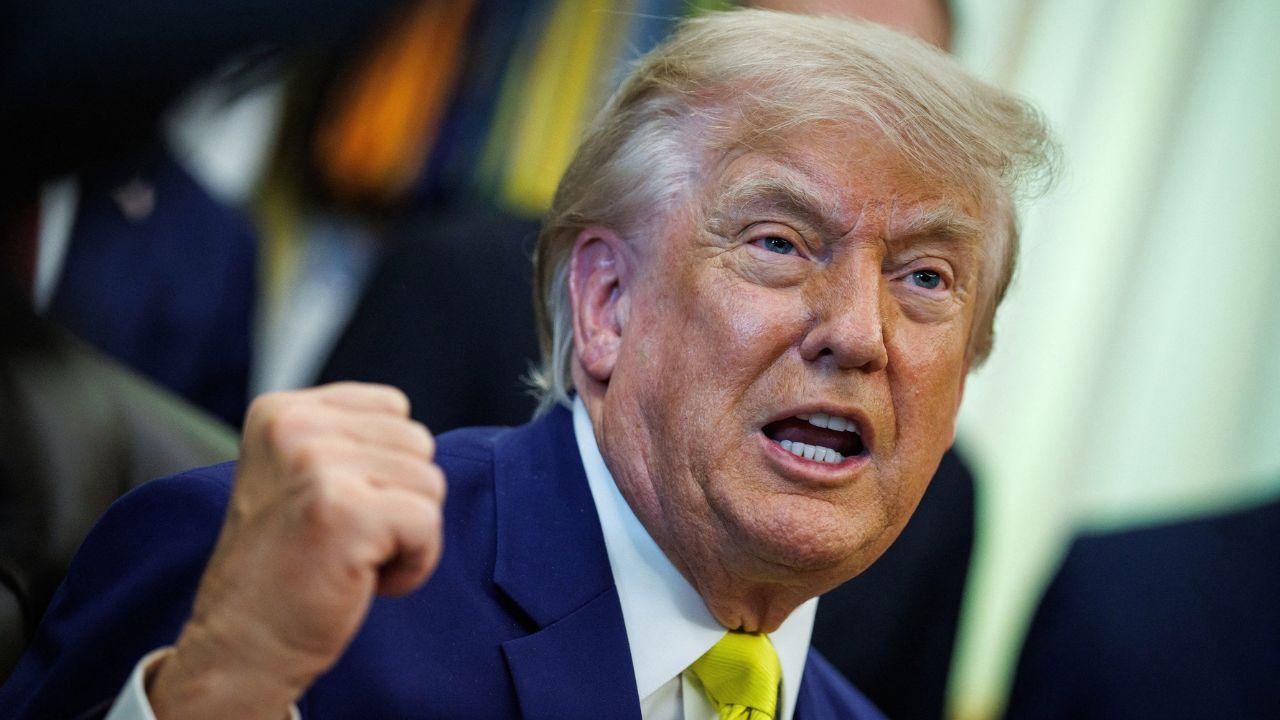
Fear Of Retaliation And Rebuild Plans

Never Miss an

Daily updates from the heart of Hollywood, right to your inbox
By entering your email and clicking Sign Up, you’re agreeing to let us send you customized marketing messages about us and our advertising partners. You are also agreeing to our Terms of Service and Privacy Policy.
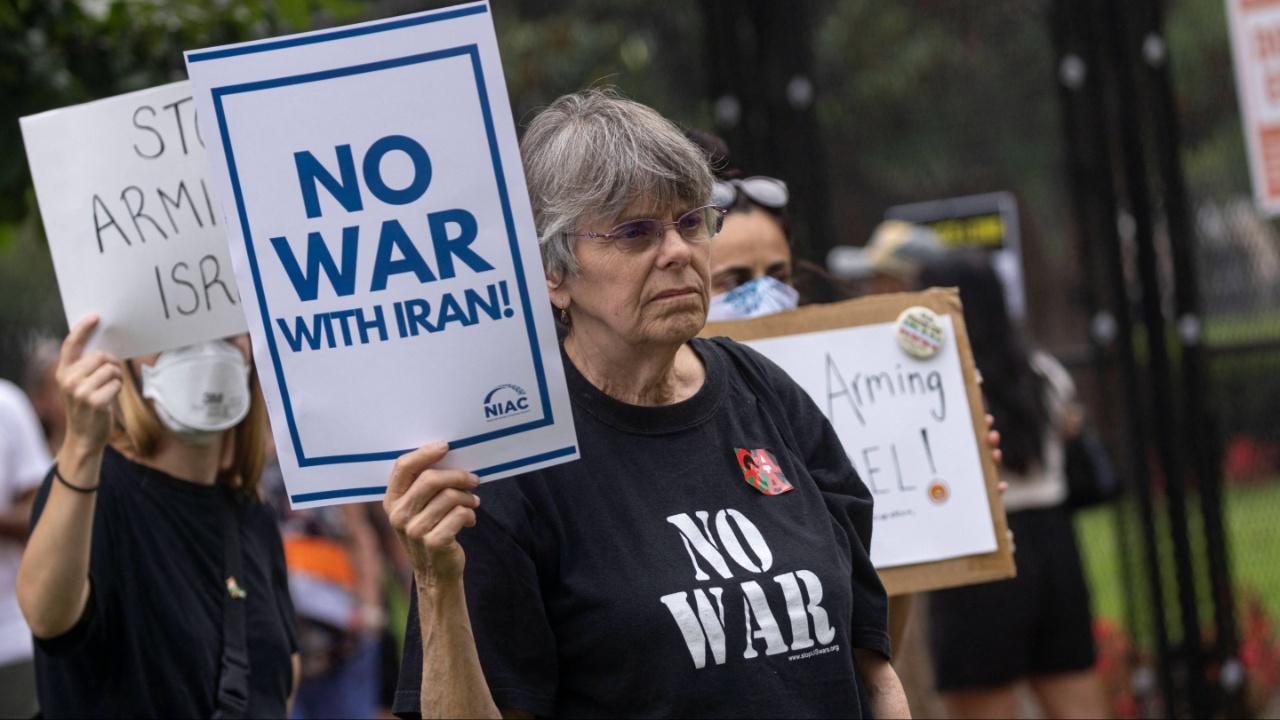
Iran has launched strikes near the Qeshm Island
Two former officials and one current official told Reuters that some analysts have become increasingly cautious about producing reports that contradict the White House's positions because they fear political retaliation.
The officials did not specify which subjects analysts were avoiding.
Former CIA analyst Julia Curlee, who said she was fired from Trump's National Security Council last year, argued that the administration's approach has weakened the influence of intelligence professionals.
"Analysts still do the work, but this White House has made them irrelevant because the president treats unwelcome information as disloyalty," Curlee told Reuters.
The situation has prompted some former intelligence officials to work on bipartisan proposals at Stanford University's Hoover Institution to rebuild the intelligence community under a future administration.
Former Deputy Director of National Intelligence Beth Sanner also warned that the loss of cooperation could have serious consequences for decision-makers.
"All of these things are adding up in a really complex world where policymakers need to have a more sophisticated, nuanced, and integrated view of the world, and they are getting less," she told Reuters.
The concerns come as U.S. forces carry out limited defensive strikes against Iranian targets near Qeshm Island in the Strait of Hormuz. The November 2 operation was confirmed by U.S. officials, although it was not described as a return to major combat operations.
