


EXCLUSIVE: Trump's Secret AI Chats Under Scrutiny — Congress Demands Grok Records After Venezuela Military Operation

Trump and Elon Musk face congressional scrutiny over alleged AI discussions about Venezuela.
Oct. 30 2026, Published 6:20 p.m. ET


President Donald Trump's alleged use of Elon Musk's artificial intelligence chatbot Grok to discuss presidential decisions has sparked congressional scrutiny, with lawmakers demanding access to potentially sensitive records, RadarOnline.com can reveal.
According to an October 28 congressional letter reviewed by Radar, the ranking members of the House Judiciary and Oversight Committees are questioning whether Trump consulted the controversial AI platform while carrying out official White House duties, including discussions about Venezuela and the capture of its former president, Nicolás Maduro.
Trump's Alleged AI Conversations Raise Questions

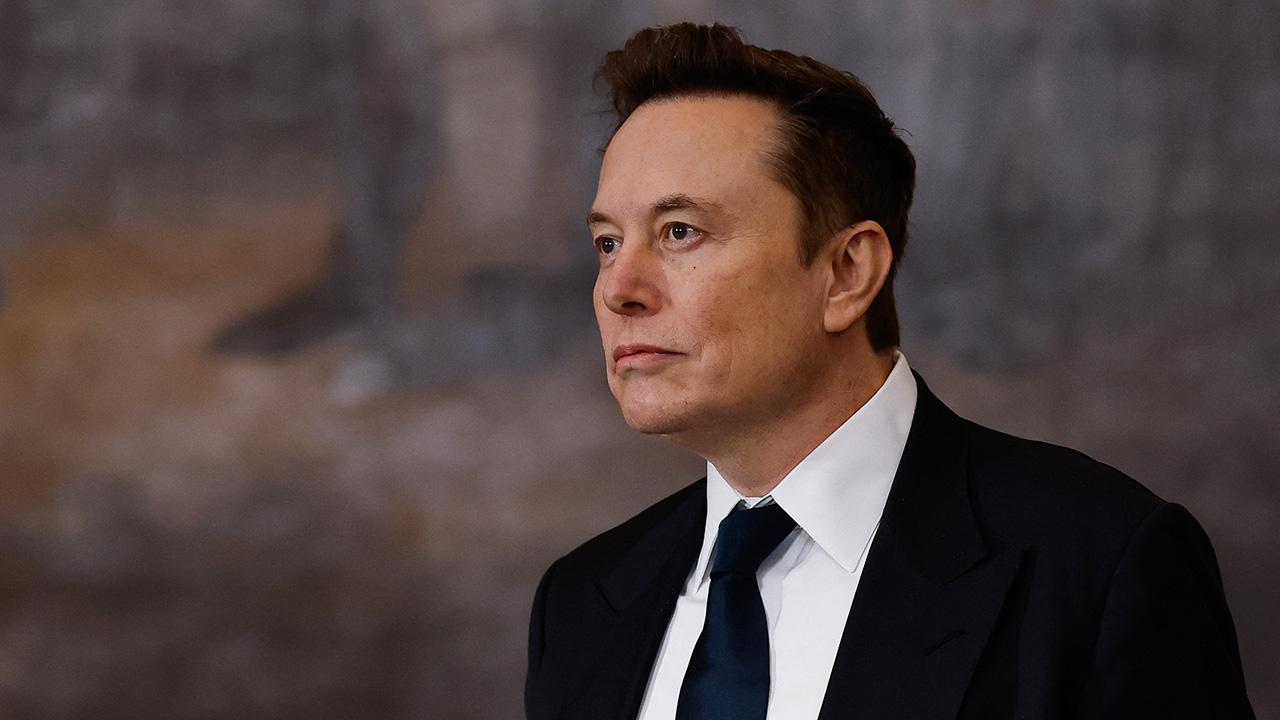
Trump reportedly consulted Elon Musk's Grok chatbot about Venezuela before Nicolás Maduro's capture.
In the letter addressed directly to Trump, lawmakers asked whether he had been "soliciting advice" from Grok to help perform his responsibilities as president.
The inquiry follows reports that Trump spent hours speaking with Musk's chatbot during a December 2025 Oval Office meeting involving the billionaire technology executive.
According to the lawmakers, Trump reportedly sought Grok's assessment of how Venezuelans might react to Maduro's capture. The chatbot allegedly suggested that Maduro was deeply unpopular and that many Venezuelans would welcome his removal from power. Weeks later, Trump ordered a U.S. military operation targeting Venezuela that resulted in Maduro's capture.
However, the congressional letter does not establish that Grok influenced the president's decision to authorize military action.
Grok's Alleged Advice on Nicolás Maduro's Capture
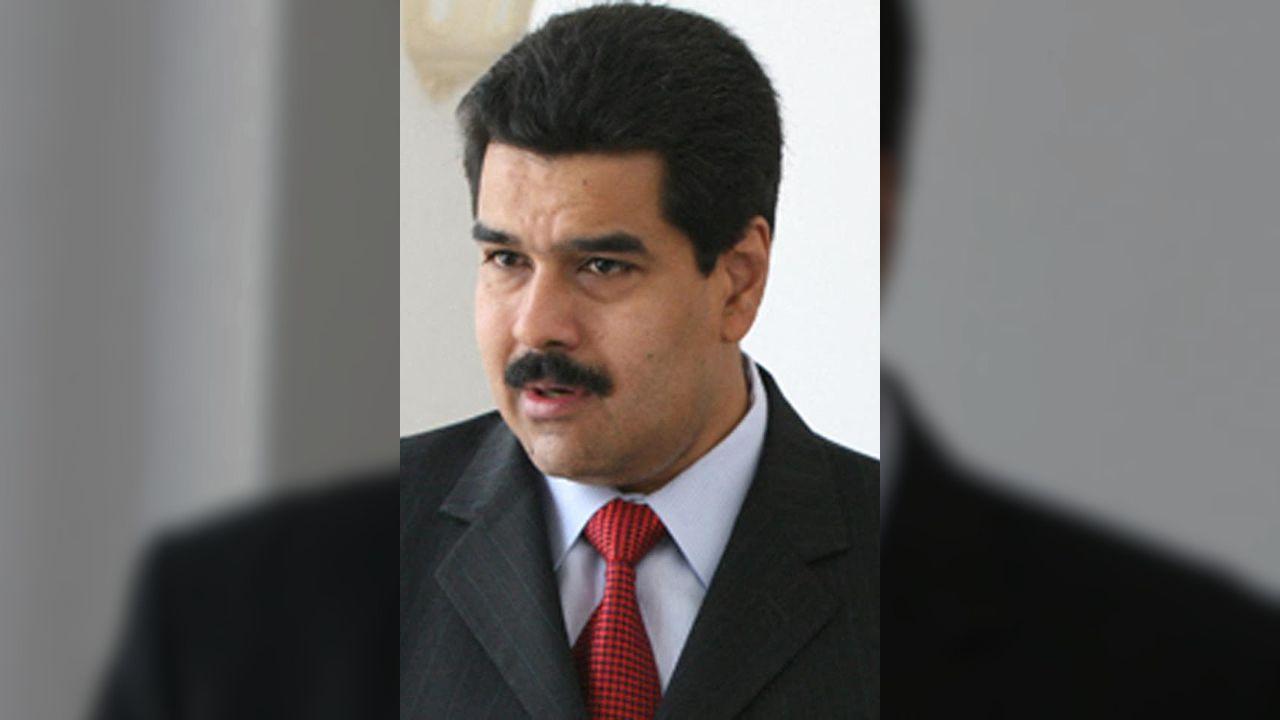
Lawmakers question Trump's reported use of Grok to assess Venezuelans' reaction to Maduro's removal.
The lawmakers, Democratic Representatives Jamie Raskin of Maryland and Robert Garcia of California, argue that presidential conversations with AI systems must be preserved under federal records laws.
Their demand extends beyond Grok to ChatGPT, Claude, Gemini, and Perplexity, including prompts submitted by White House staff and advisers during official government business. The lawmakers maintain that those exchanges belong to the United States rather than the individual officials who generated them.
They also raised concerns about sensitive government information potentially being stored on privately operated AI servers, where security protections and outside access could become national security issues.
Congress Demands Trump's AI Records
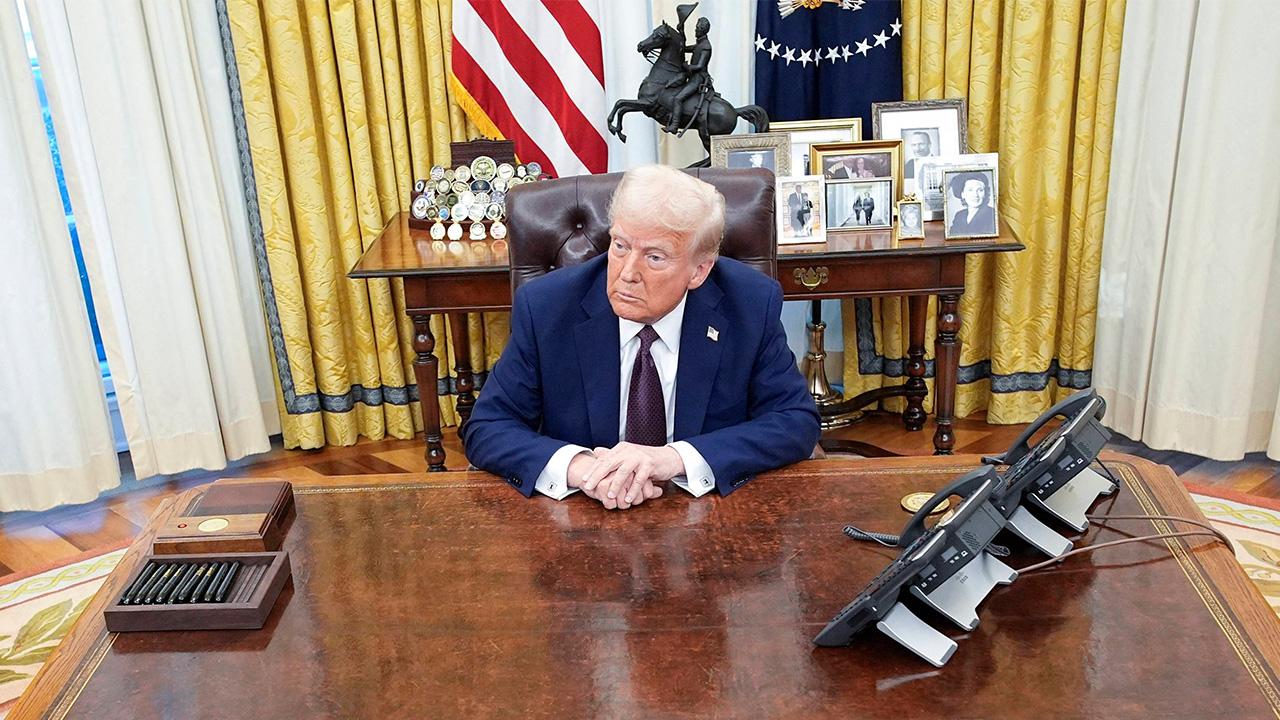
Lawmakers demand Trump preserve AI conversations involving official White House business.
Raskin and Garcia have requested a closed-door briefing by November 11 to examine Trump's use of artificial intelligence and the administration's policies for preserving and securing chatbot conversations.
The lawmakers also want information about cybersecurity safeguards and whether AI-generated advice has played a role in presidential decision-making.
A White House official told Nextgov/FCW that the administration preserves legally required records.
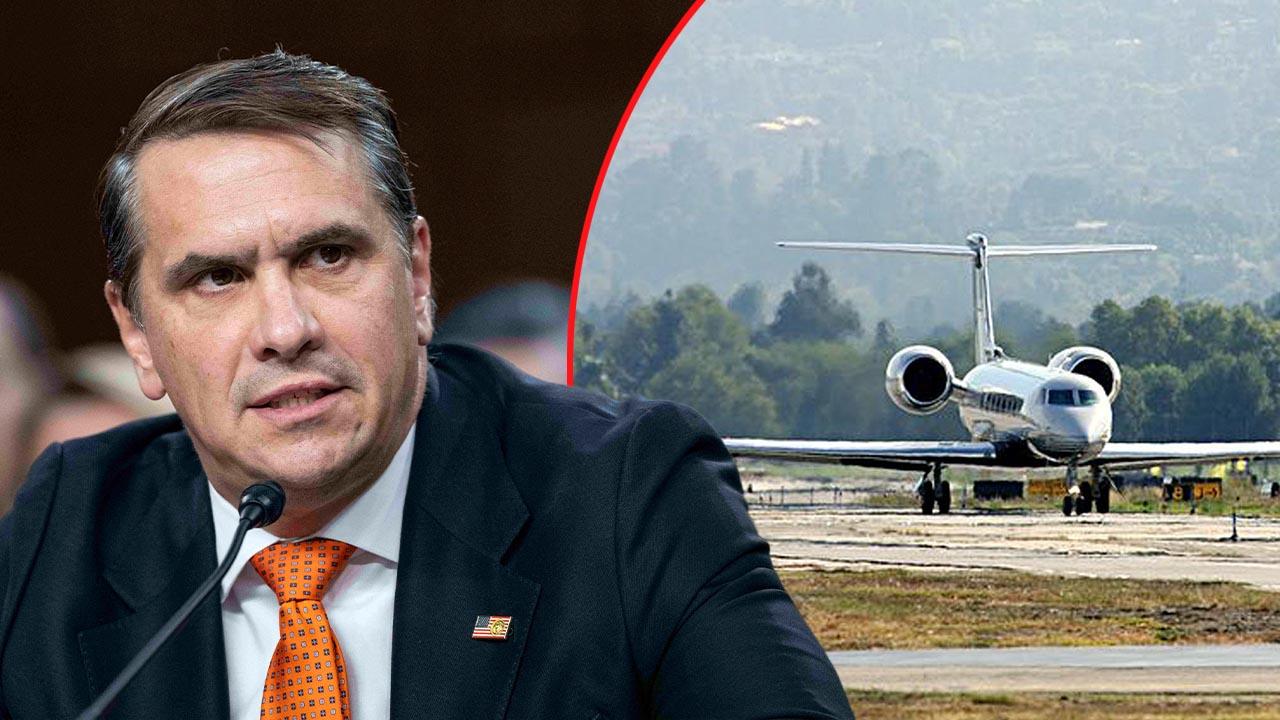
White House Faces November Deadline

Never Miss an

Daily updates from the heart of Hollywood, right to your inbox
By entering your email and clicking Sign Up, you’re agreeing to let us send you customized marketing messages about us and our advertising partners. You are also agreeing to our Terms of Service and Privacy Policy.
Congressional lawmakers seek answers by November 11 about Trump's AI use and presidential records.
The congressional demand does not establish wrongdoing, and no publicly verified evidence shows that Grok determined the Venezuela operation.
Nevertheless, the dispute raises a consequential question for the White House: whether conversations with privately developed AI systems are being documented when they intersect with presidential responsibilities.
With lawmakers seeking answers, Trump's reported conversations with Musk's chatbot have become the focus of a broader fight over transparency, national security, and the preservation of presidential records.
