


EXCLUSIVE: Trump's $10Billion Tax-Leak Fight Explodes as Watchdog Claims 'Collusive' IRS Immunity Deal Shielded His Family and Businesses

Trump is at the center of a new court fight after CREW claimed an alleged IRS immunity deal protected him, his family, and affiliated businesses.
Sept. 9 2026, Published 6:30 p.m. ET


President Trump's $10billion tax-leak battle has erupted into a fresh constitutional fight, with a government ethics watchdog claiming an alleged IRS "immunity" arrangement improperly protected the president, his family, and his businesses, RadarOnline.com can reveal.
According to court documents obtained by Radar, Citizens for Responsibility and Ethics in Washington (CREW) filed an amicus brief in Virginia federal court arguing the arrangement violated the Constitution's Domestic Emoluments Clause by allegedly giving Trump financial and legal benefits unavailable to ordinary taxpayers.
'Immunity Order' Under Fire

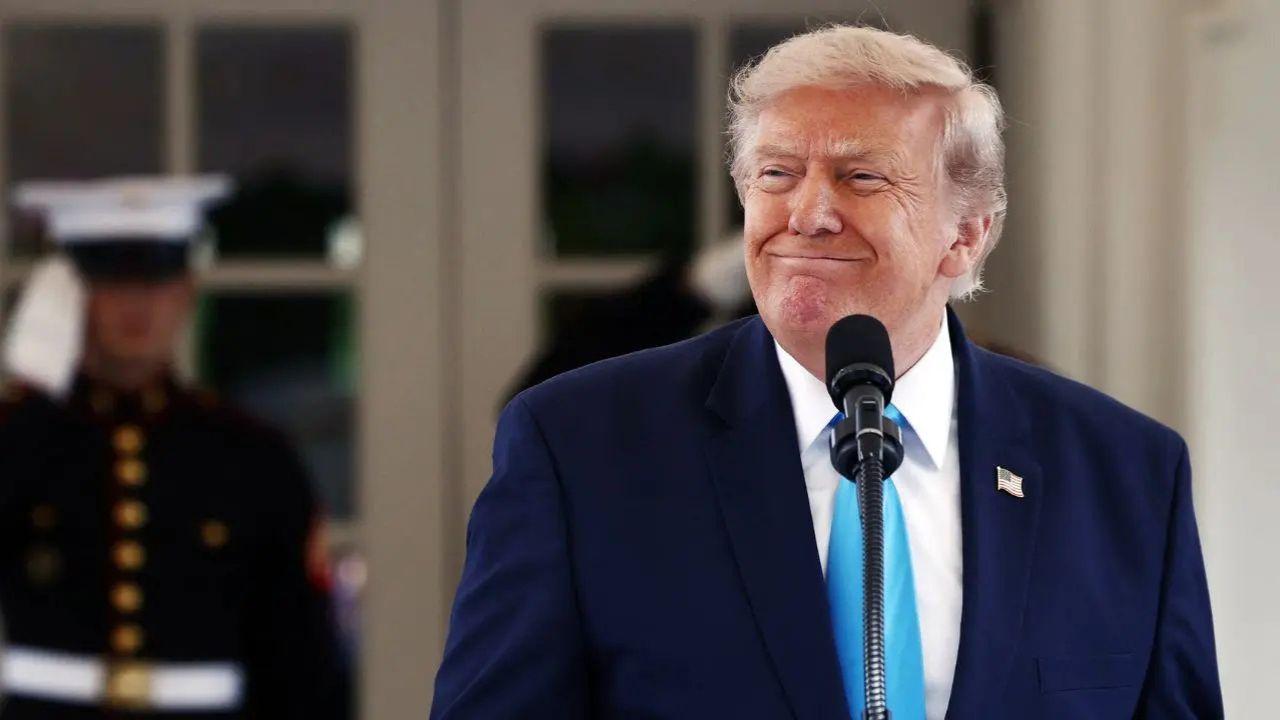
Trump's tax fight has sparked fresh scrutiny as CREW argues an alleged IRS immunity arrangement violated the Constitution.
CREW, a nonprofit watchdog focused on government ethics and conflicts of interest, zeroed in on a May 19, 2026, order issued by then-Acting Attorney General Todd Blanche, which the group refers to as the "Immunity Order."
The watchdog claimed the arrangement stemmed from a purported settlement previously described by a court as the "product of collusion" with "no viable basis in law or fact."
CREW alleged the deal produced a sweeping windfall for Trump by including "debt relief," a "tax discharge," and freedom from ongoing mandatory tax audits and potential associated liabilities. They argued the alleged arrangement gave Trump a financial and legal advantage unavailable to ordinary taxpayers.
Trump's Tax Returns Leaked

Todd Blanche issued the May 19 order that CREW refers to as the 'Immunity Order.'
The controversy traces back to Trump's lawsuit over the leak of his tax returns by government contractor Charles Littlejohn. Trump sought $10billion in damages, but CREW argued his claims faced serious legal hurdles and noted the president had not alleged any actual damages.
According to the brief, the statutory recovery could have been limited to $1,000 for each unauthorized disclosure by a government employee.
CREW also highlighted Trump's previous public remark that he would "work out a settlement with myself" and argued the resulting agreement overwhelmingly benefited the president.
Trump Family and Businesses Covered
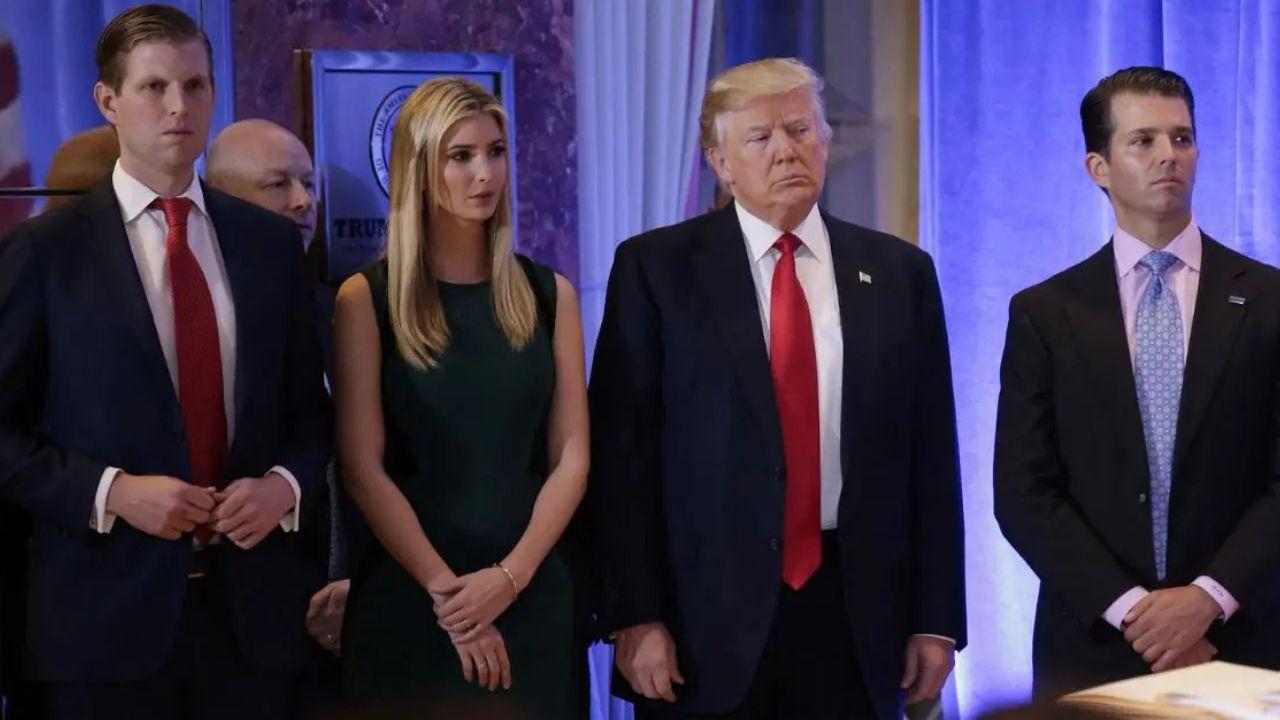
Trump's family members were also named among those claims.
The watchdog alleged the government released claims against Trump and extended immunity to family members and affiliated entities who were not even parties to his original lawsuit. The filing also raises potentially enormous financial stakes surrounding Trump's taxes.
CREW cited reports that, when the Immunity Order was signed, the IRS was investigating deductions connected to Trump's Chicago tower and hotel, an issue the brief said carried reported exposure of more than $100million.
The watchdog argued the order would terminate that exposure if additional taxes were ultimately owed.

Presidential Audits

Never Miss an

Daily updates from the heart of Hollywood, right to your inbox
By entering your email and clicking Sign Up, you’re agreeing to let us send you customized marketing messages about us and our advertising partners. You are also agreeing to our Terms of Service and Privacy Policy.
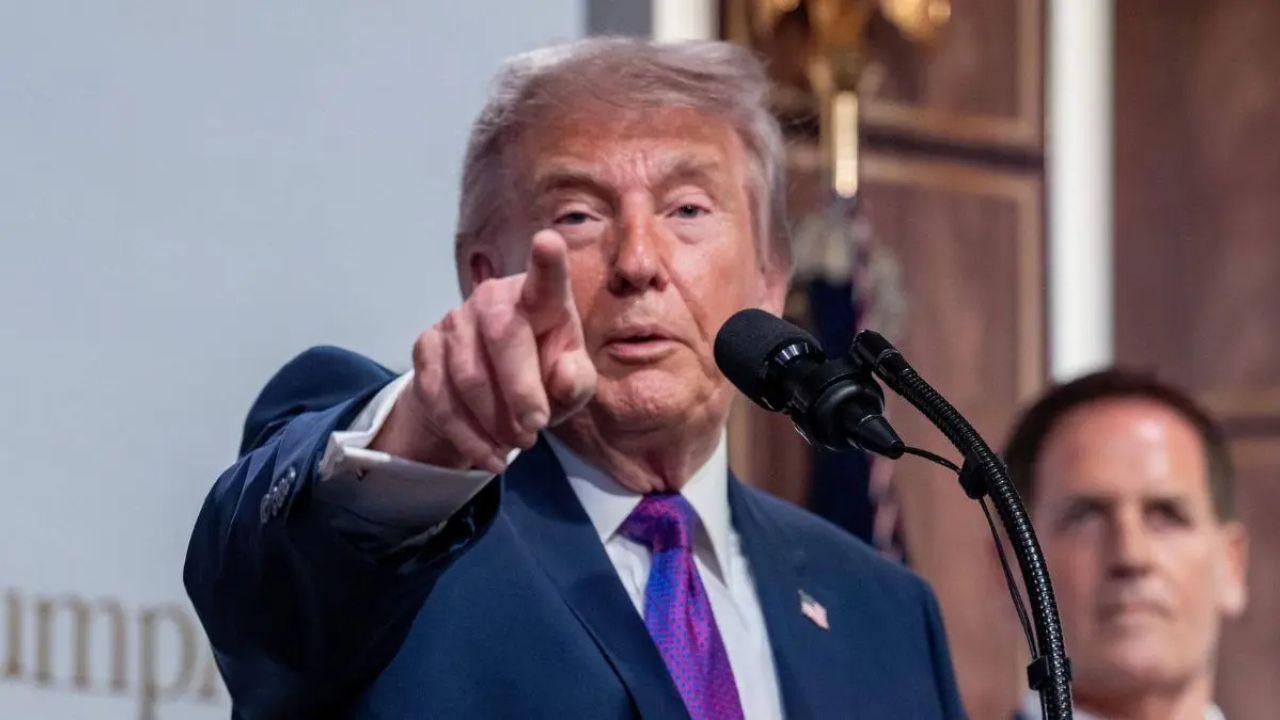
CREW cited reported IRS scrutiny involving Trump's Chicago property.
But CREW insists its constitutional argument does not depend on whether Trump actually owed additional taxes.
The organization argued that ending mandatory presidential audits would provide Trump with an advantage unavailable to other presidents and ordinary taxpayers.
CREW urged the court to treat that alleged advantage – along with any tax discharge – as a prohibited "profit, gain, or advantage" under the Domestic Emoluments Clause, escalating Trump's tax fight into a fresh constitutional showdown.
