


EXCLUSIVE: Rob Reiner's Resurrection Dream — Slain Hollywood Hero's Final Interview Reveals How He Was Intent on Making a Comedy About Jesus Rising From the Dead

Rob Reiner was intent on making one final film – a comedy imagining what would happen if Jesus returned from the dead.
Dec. 16 2025, Published 3:59 p.m. ET


Rob Reiner was intent on making one final film – a comedy imagining what would happen if Jesus returned from the dead – according to remarks he gave in one of his last interviews weeks before his knife slaughter in Los Angeles.
As RadarOnline.com reported, iconic Hollywood director Reiner, 78, was found dead with his wife Michele Singer, 68, at their home in California on Sunday, with their former drug addicted son Nick, 32, questioned by cops in the wake of their knife killings – who police now say is "responsible" for the double homicide.
Reiner's Comments About Work

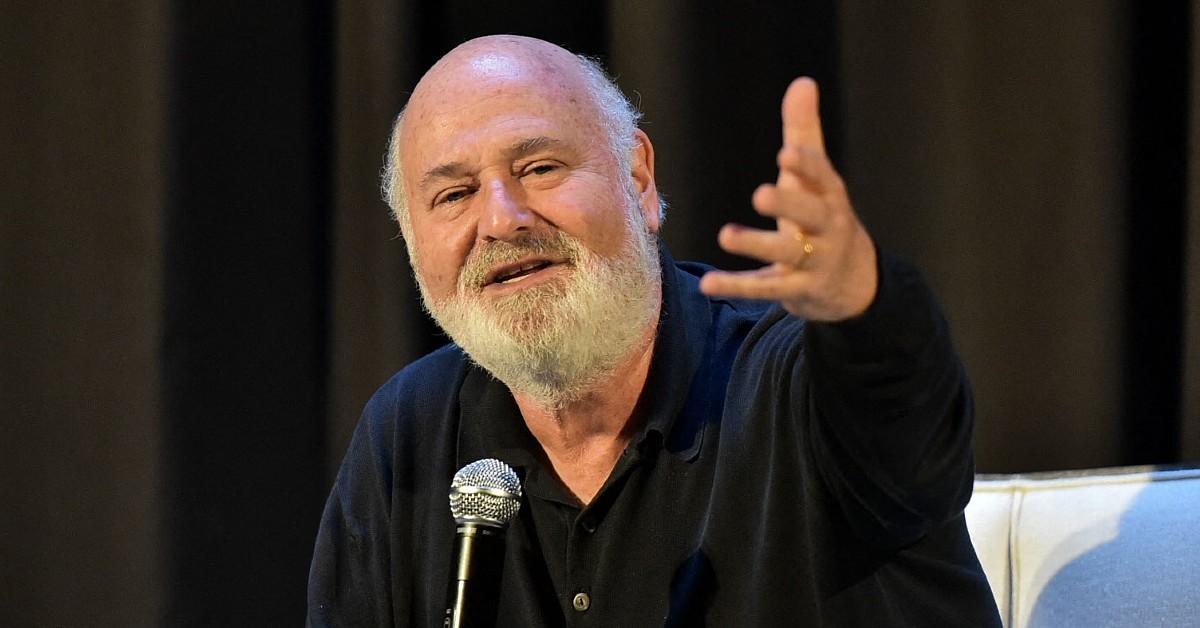
Rob and wife Michele's son allegedly slit their throats while they were sleeping.
Reiner spoke in September about his determination to direct one last project, as he reflected on the physical and creative toll of a career spanning more than five decades.
Stressing how directing remained punishing late in life during the chat, he revealed: "It's really demanding."
But Reiner added: "I can do one more maybe."
He explained the project he hoped to make was based on a comedy sketch he had written decades earlier with Steve Martin, 80, built around a provocative religious premise.
"I'm gonna try one more time," Reiner said – revealing the plot would be: "If Jesus came back, what would happen?"
The Films That Changed Hollywood
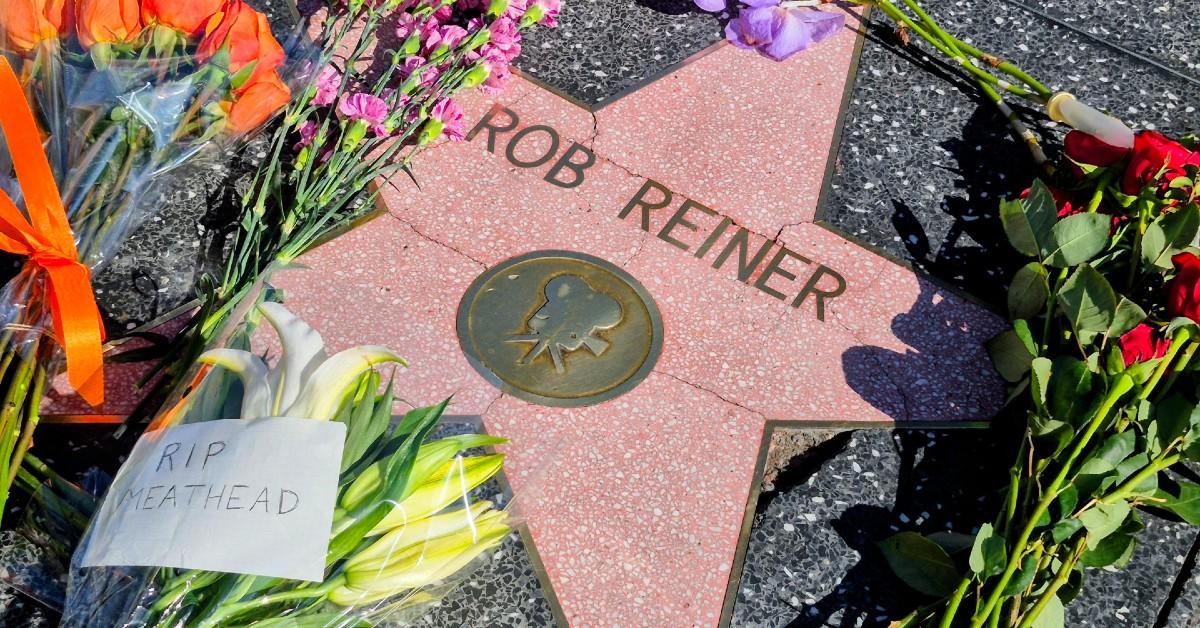
Reiner spoke in September about his determination to direct one last project.
The comments now read as a final artistic statement from one of Hollywood's most influential storytellers, whose run of films from the mid-1980s to early 1990s reshaped mainstream American cinema.
As director, Reiner made This Is Spinal Tap, Stand By Me, The Princess Bride, When Harry Met Sally, Misery and A Few Good Men, a body of work marked by genre-hopping ambition and commercial success.
Born in New York to actor parents Carl Reiner and Estelle Reiner, Reiner first became famous as an actor, playing the outspoken Mike 'Meathead' Stivic on All in the Family.
The show dominated U.S. television in the 1970s, and Reiner later credited his acting background with shaping his approach behind the camera. "I never ask actors to do anything that I couldn't do," he said.
Reiner also acknowledged his limits as a filmmaker, saying spectacle was not his strength, but performance was.
That understanding allowed him to draw acclaimed work from actors including Billy Crystal, Meg Ryan, Tom Cruise and Jack Nicholson.
Even late in his career, he returned to his roots, directing Spinal Tap II: The End more than four decades after the original, persuading musicians Paul McCartney and Elton John to appear as themselves.
Reiner Slammed Data-Driven Hollywood

Never Miss an

Daily updates from the heart of Hollywood, right to your inbox
By entering your email and clicking Sign Up, you’re agreeing to let us send you customized marketing messages about us and our advertising partners. You are also agreeing to our Terms of Service and Privacy Policy.

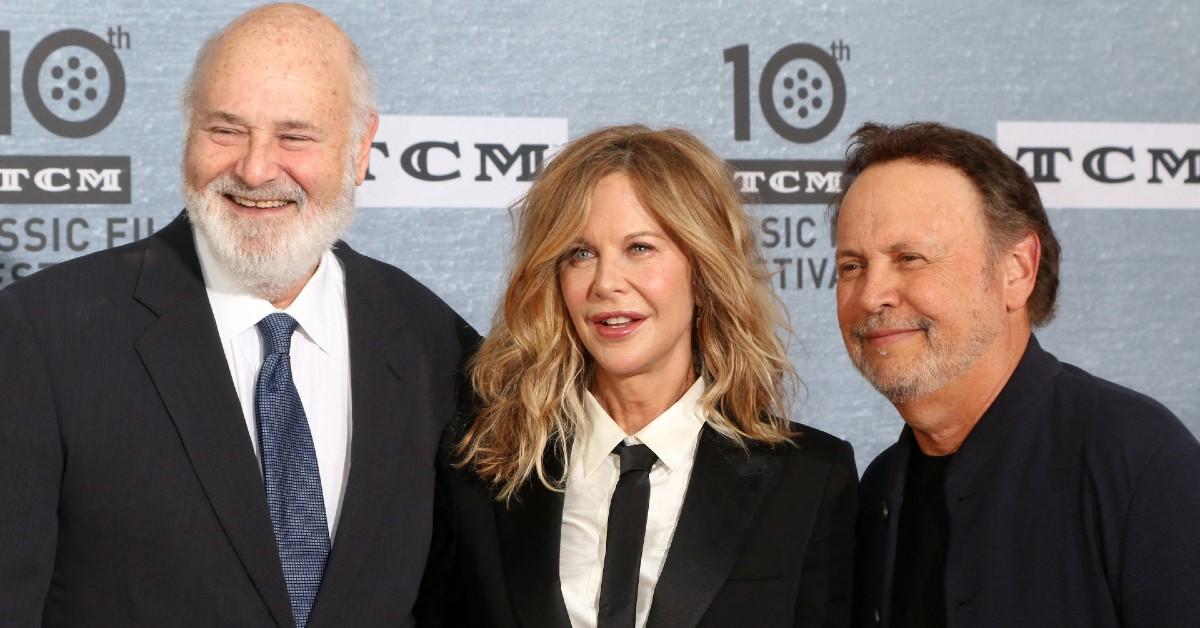
The director was candid about how his industry had changed since his career took off.
The director was candid about how his industry had changed over the decades, lamenting a Hollywood increasingly driven by data rather than judgment.
"It used to be show and business – they were equal," Reiner said. "Now the show is very small, and the business is huge."
He cited his friend Albert Brooks as emblematic of a generation whose careers depended on human decision-makers rather than algorithms.
Despite his frustrations, Reiner remained focused on audience pleasure until his cruel end.
Quoting director Frank Capra, he said filmmakers owed viewers value for their time and money.
A source said: "That philosophy underpinned his desire to make one more comedy, pushing a bold idea about faith, satire and resurrection he believed could still connect with moviegoers."
Rob and wife Michele were brutally murdered in their own bed.
