


EXCLUSIVE: R. Kelly's Abuse Blueprint Laid Bare by Child Abuse Tape Victim — From Shipping Her Around America to Forcing Her to Sleep on Medical Table

Reshona Landfair has revealed Kelly barred her from news and used a medical table.
Feb. 3 2026, Published 5:21 p.m. ET


RadarOnline.com can reveal R. Kelly's shockingly forensic grooming techniques – thanks to his child p--- tape victim Reshona Landfair coming forward to expose exactly how he got her under his twisted spell.
Reshona said Kelly, now 59, barred her from the outside world, shipped her around the country, and forced her to sleep on makeshift beds as part of an abusive system designed to keep her silent and under his control.
The Singer's 'Blueprint'

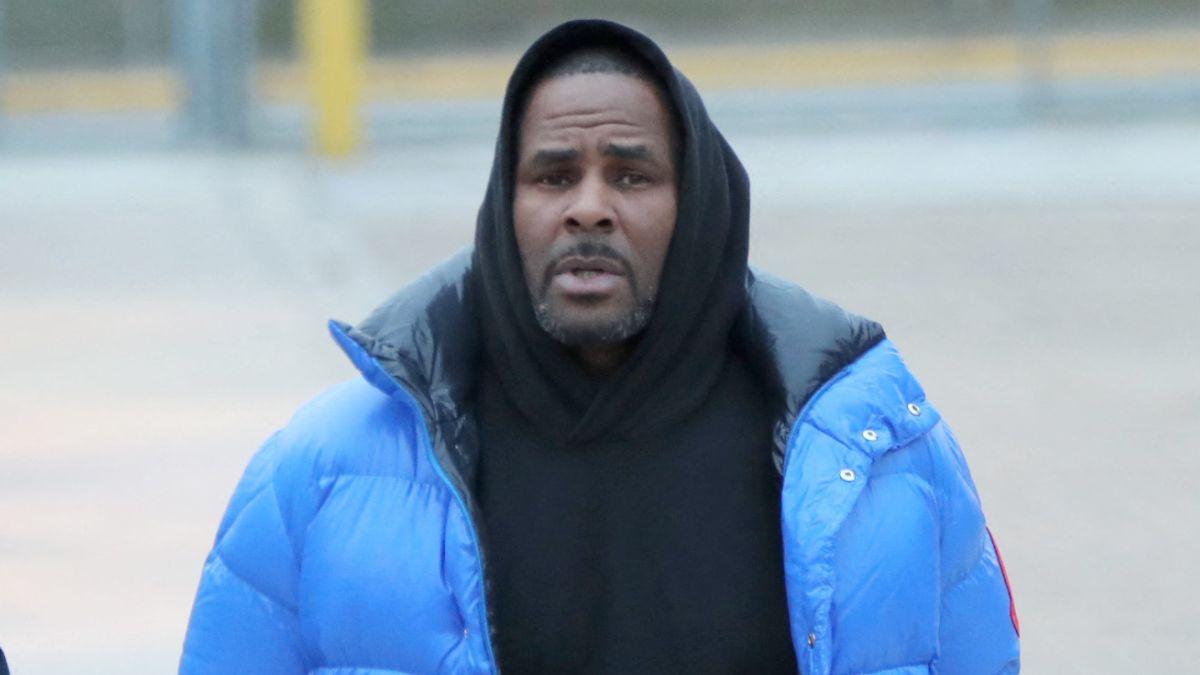
Kelly moved Landfair between tour buses and recording studios for years.
Now 42, Landfair is waiving her anonymity to set out what she calls the singer's "blueprint" of abuse in a new memoir and her first-ever interview.
In Who's Watching Shorty? Reclaiming Myself from the Shame of R. Kelly's Abuse, Landfair described how, as a 14-year-old, she became the girl in the notorious child abuse tape that helped trigger criminal investigations into Kelly in Chicago and beyond.
She said she was groomed after meeting the star through her aunt Sparkle, an emerging R&B singer, and that the man she knew as her godfather went on to control every aspect of her life for more than a decade, from where she slept to what she was allowed to watch or read.
Kelly, convicted in 2021 and 2022 of racketeering, sex trafficking and producing child sexual abuse imagery, is serving concurrent 20-year and 30-year federal sentences at a medium-security prison in North Carolina.
Life Under House Arrest Conditions
Landfair slept on a chiropractor table and in closets during her confinement.
Landfair sets out how, between Kelly's 2002 arrest on child pornography charges and his 2008 acquittal, she lived effectively under "house arrest" conditions as he moved her between tour buses, recording studios and cramped office spaces rather than bedrooms.
She said she was banned from following news about the case or the widespread public discussion of his behavior, including his televised interviews.
"There were times (when) I would be sleeping on a chiropractor table. There were times when I would be sleeping in the closet," she said, describing a routine in which associates delivered food with code knocks and even bathroom breaks required permission.
Isolation and Coercive Control Tactics

Kelly forbade her from watching his televised interviews or reading the news.
That isolation, she said, was a continuation of the control he had already built by grooming her as a young teenager, insisting she call him "Daddy" in private and convincing her they were in a secret but legitimate relationship.
Under the noses of her family and his staff, Landfair's book alleges, the singer tightened his hold by cutting her off from friends, school and music work, then using fear and loyalty to keep her compliant as criminal investigations gathered pace.
Landfair likens the period to being kept in plain sight yet hidden, saying she could sometimes hear parties happening in the same buildings where she was confined.
Her account also details how Kelly prevented her from seeing or hearing any media coverage that might prompt her to question what was happening, including his own television appearances and radio interviews after his indictment.
"I didn't have the TV on, of course," she states. "Robert wouldn't let me follow (his 2008) trial, just like he'd forbidden me from watching his televised BET interview with Ed Gordon or listening to his radio interviews since his indictment six years before. I wasn't allowed to watch, listen to, or read anything that could make me question things: not the news or trending social media stories. So, even though I was two hundred feet from Robert, I might as well have been two thousand miles away."
Stepping Out from the Shadows

Never Miss an

Daily updates from the heart of Hollywood, right to your inbox
By entering your email and clicking Sign Up, you’re agreeing to let us send you customized marketing messages about us and our advertising partners. You are also agreeing to our Terms of Service and Privacy Policy.
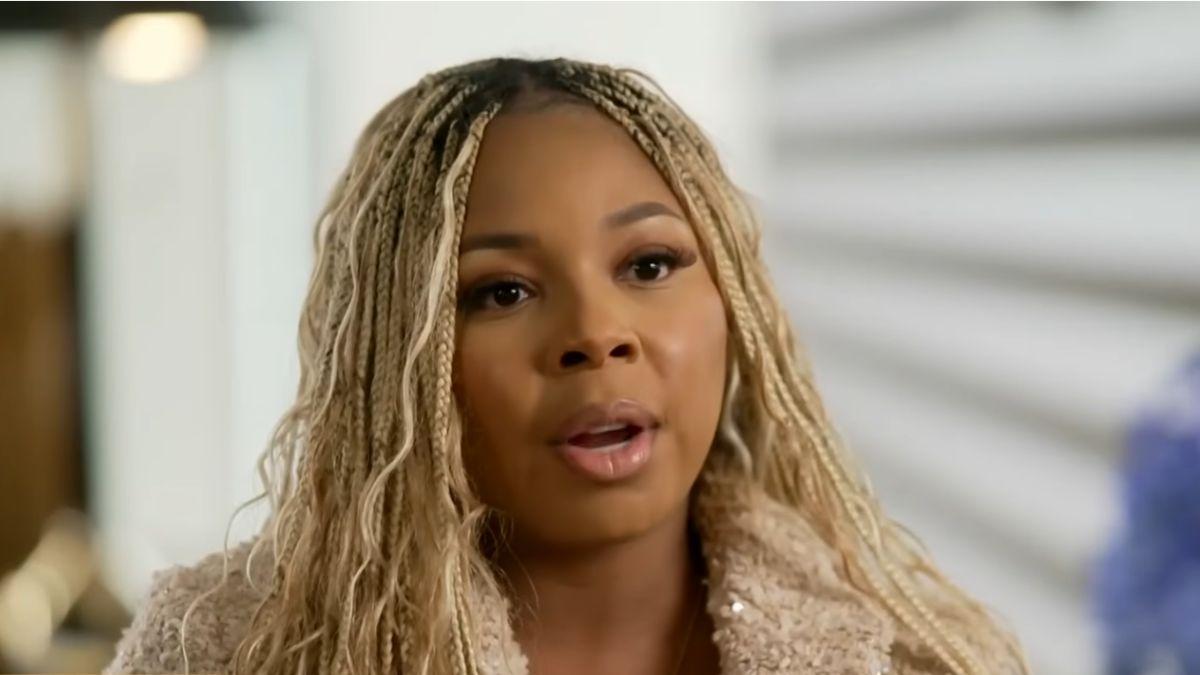
Reshona shortened her name to Chon to outrun the notoriety of the tape.
Landfair adds the same pattern of control extended to how she presented herself to the outside world, long after she left Kelly in her mid-20s.
For a quarter of a century she tried to outrun the notoriety attached to the tape by shortening her name to "Chon" with new people and avoiding any direct acknowledgement of her past.
"There's no job that I can apply for where this isn't the forefront of my life. There's no relationship I could be in where this isn't the forefront of my life," she said.
"(I felt) like I was losing power. I came to a conclusion one day, and I said, 'If I just lay all of this out, I no longer have to explain myself. I no longer have to fear the whispers about me at the table, 'Oh, you know who that is?' ... Once I realized that I didn't have peace or privacy (by hiding), I had to take ownership.'"
She says the memoir is now intended as that act of ownership – and as a way to step out from the label that has followed her since adolescence. "I was afraid to say my own name and be who I really was to work, to friends," she said.
"I created Chon, and that's what I've been going by." Then she added: "But, I'm here today as Reshona."
