


EXCLUSIVE: Princess Diana Told Brother Charles Spencer That Mohamed Al Fayed Touched Her Inappropriately

Charles Spencer's new memoir about his sister is filled with bombshell claims.
Sept. 26 2026, Published 1:00 p.m. ET


Princess Diana told her brother, Charles Spencer, that Mohamed Al Fayed groped her and made a lewd remark during the early stages of her relationship with his son Dodi Fayed, RadarOnline.com can reveal.
Spencer, 62, recounts the alleged encounter in Swan Song: Diana, My Sister, his new memoir, which recounts his relationship with Diana and the turmoil surrounding her death at age 36.
Disturbing Alleged Incident Explained

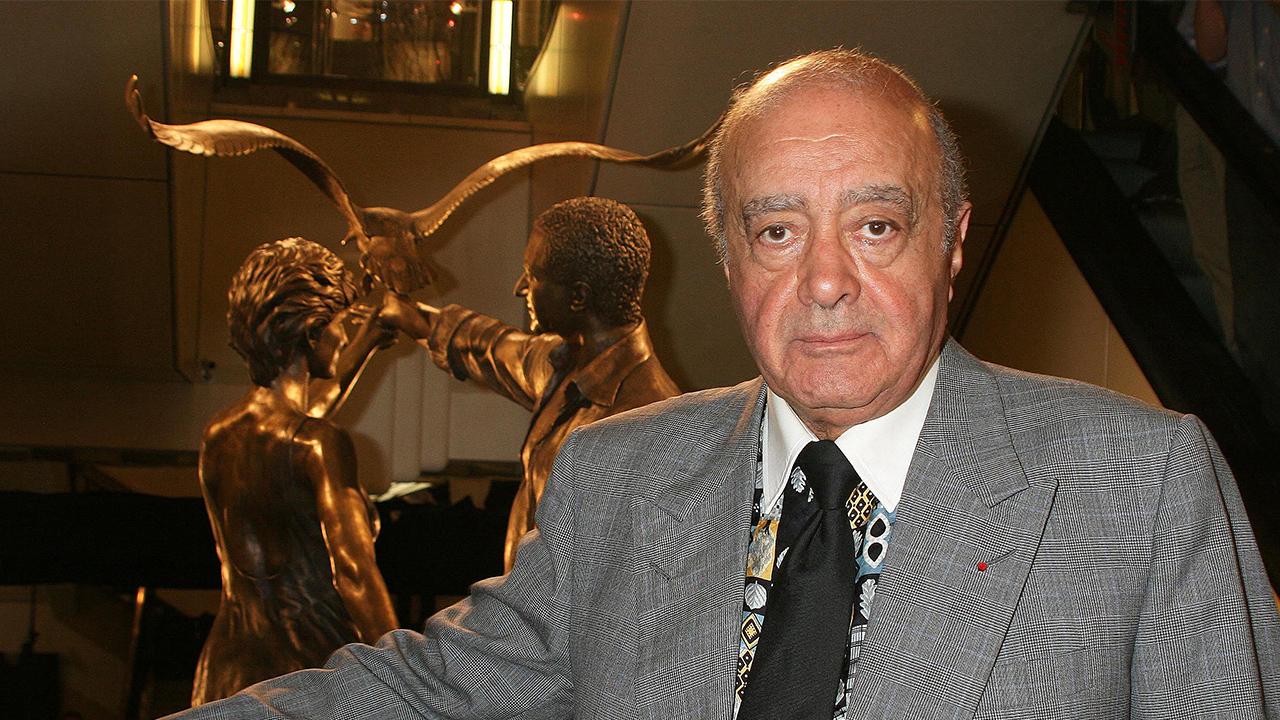
Princess Diana accused Mohamed Al Fayed of touching her inappropriately, according to Spencer.
Al Fayed, the former Harrods owner who died aged 94 in 2023, has since been accused by hundreds of women of sexual misconduct.
Dodi, 42, and Diana were killed in a Paris car crash on August 31, 1997.
Spencer writes: "(Diana) told me with revulsion how, early in her romance with Dodi, Mohamed had come up to her, dropped a hand onto her buttocks and squeezed them while saying in a leery, suggestive tone, 'And in Egypt, father-in-law gets first go... .'"
The Metropolitan Police has been examining allegations against Al Fayed dating from 1977 to 2014, including claims of sexual assault, r--- and human trafficking.
In his book, Spencer claims that Diana disliked Al Fayed despite her relationship with his son during the final weeks of her life.
Charles Spencer Removes Dodi Fayed From Eulogy
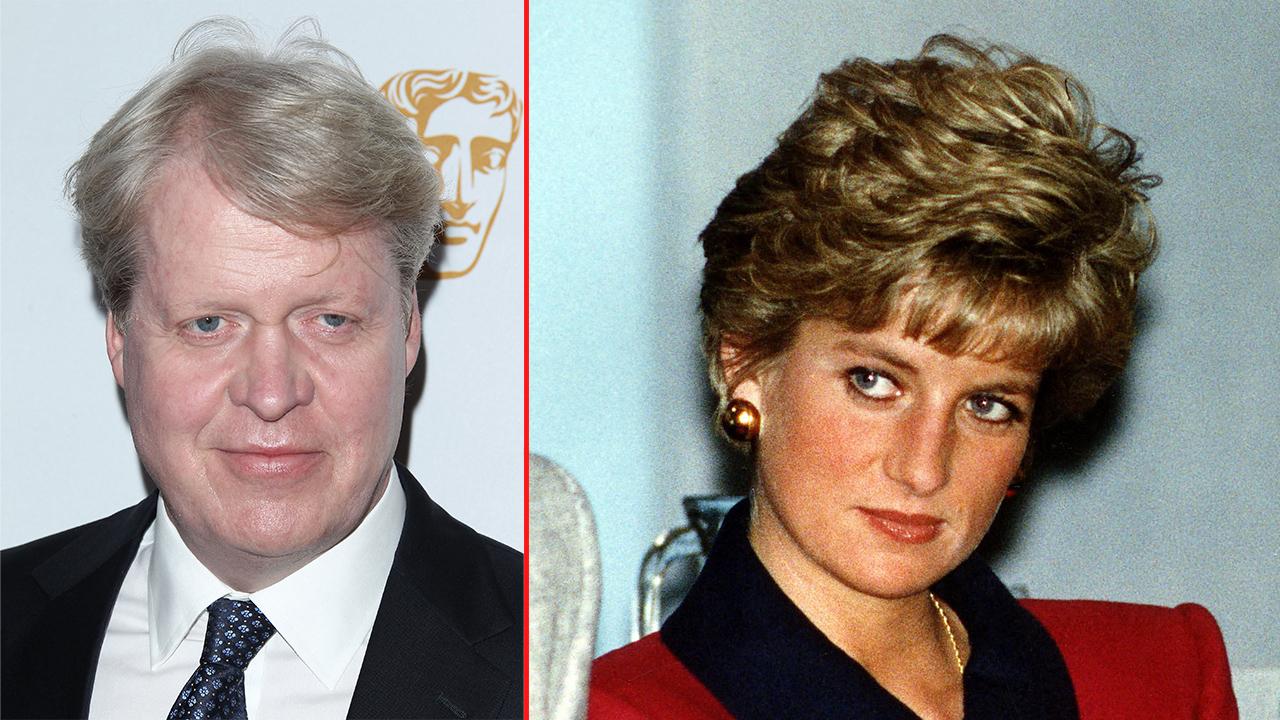
Spencer makes the claim in his new memoir about his sister, Princess Diana.
After Diana and Dodi's deaths, Al Fayed commissioned a bronze statue of the couple, titled "Innocent Victims," which was displayed at Harrods.
Spencer also reveals that an early version of the eulogy he delivered at Diana's funeral included Dodi.
He considered "thanking him by name for making Diana happy in her last few weeks," but removed the reference before the service.
The memoir has already sparked an extraordinary public dispute between Spencer and King Charles, 77, over the earl's recollections of conversations surrounding Diana's death.
King Charles 'Gaslit' Princess Diana's Brother?
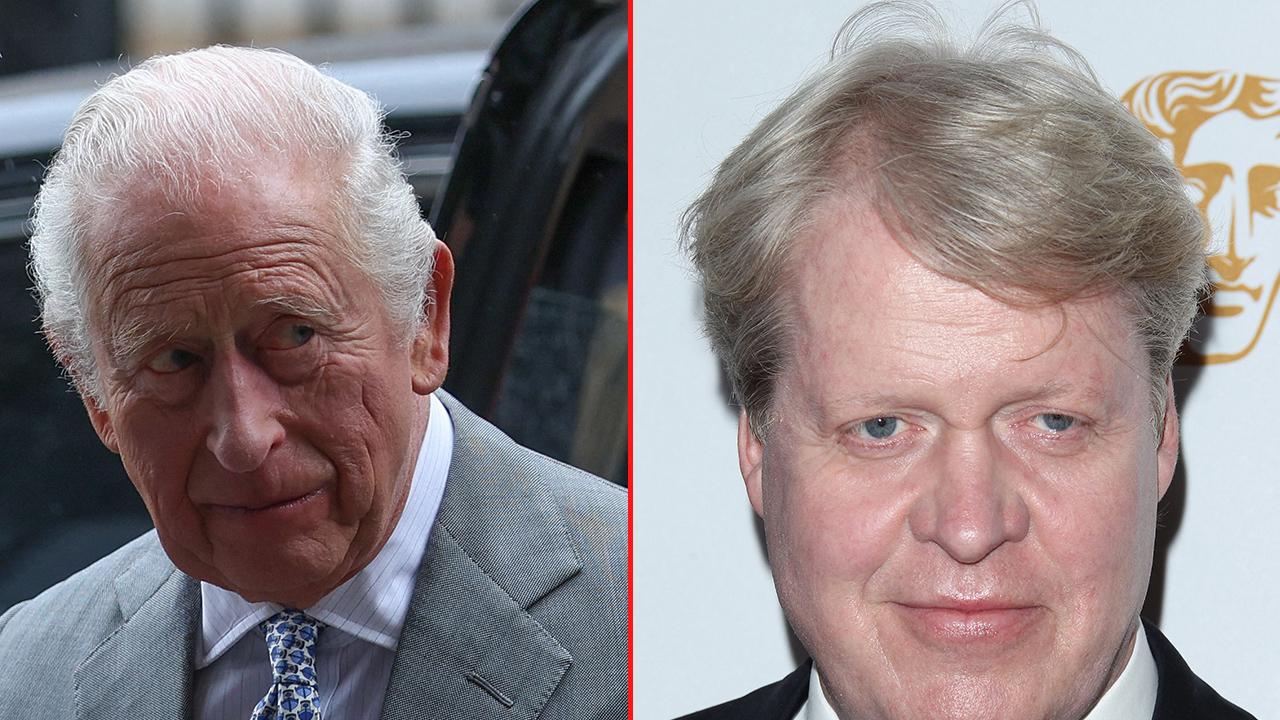
Spencer also claims King Charles was 'giddy' about Princess Diana's passing.
Spencer claims the then-Prince Charles told him, "we'll forget her soon enough," during a disagreement about Diana's funeral arrangements.
Buckingham Palace responded by saying the King was mindful that "grief can cloud reason," questioning Spencer's recollection without directly addressing the alleged words.
Spencer subsequently told the Mail on Sunday: "It is not every day you wake up to find you've been gaslit by the King. It was astonishingly provocative and below the belt because it was essentially trying to say I'd lied without the King being able to deny what I'd said.
"I also thought it was a rather poor imitation of the 'recollections may vary' quote, a much more elegant way of putting things, but in these circumstances entirely out of place."
'I Felt There Was a Sort of Giddy Tone'
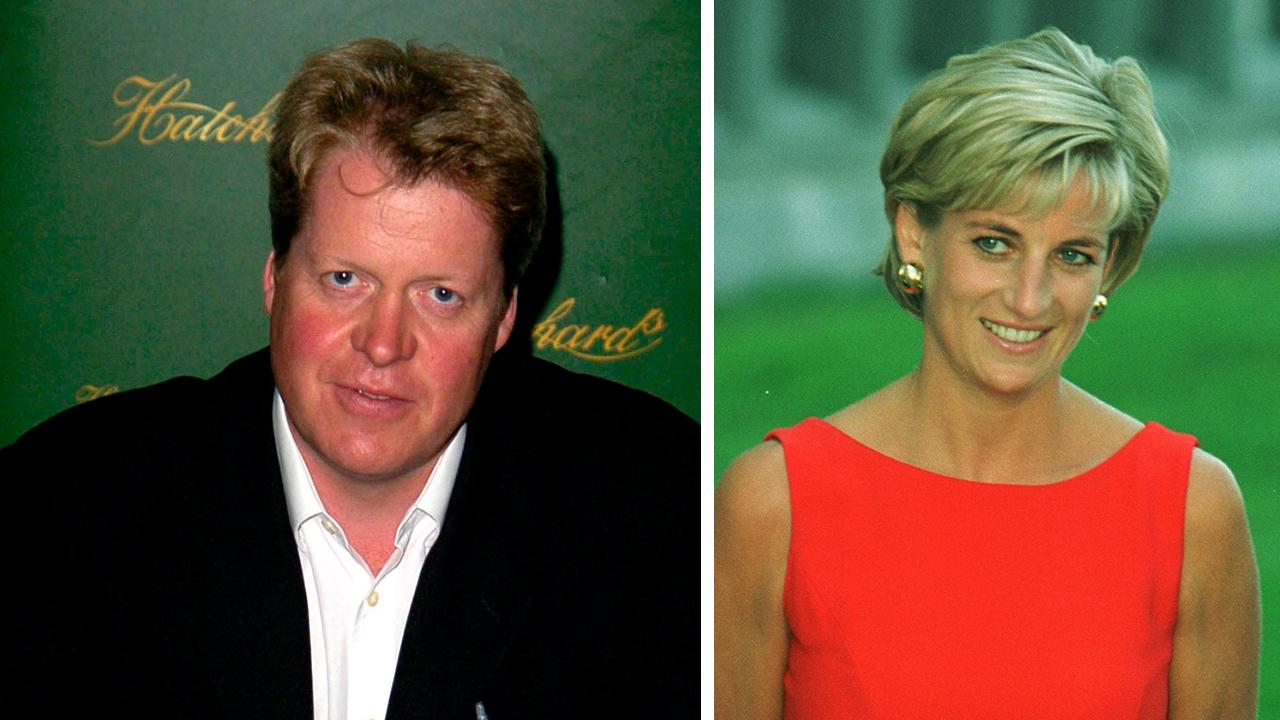
The palace has responded to Spencer's bombshell claims and refuted them.

Spencer has insisted money was "never even the remotest consideration" in writing the memoir.
Speaking separately to the BBC's Laura Kuenssberg, Spencer became emotional while discussing his sister.
He said: "My memories of Diana tend to be from our happy childhood days."
Spencer, who was in South Africa when Diana died, also recalled receiving a telephone call from Charles after the crash. He added: "I felt there was a sort of giddy tone."

Never Miss an

Daily updates from the heart of Hollywood, right to your inbox
By entering your email and clicking Sign Up, you’re agreeing to let us send you customized marketing messages about us and our advertising partners. You are also agreeing to our Terms of Service and Privacy Policy.
Discussing the subsequent rift between Diana's sons, Prince William, 44, and Prince Harry, 42, Spencer insisted he would not choose between his nephews.
He declared: "I'm on my deceased sister's sons' side, both of them. And if either of them wanted anything, then I'd be equally there for them."
Diana became one of the world's most recognizable women after marrying Prince Charles in 1981.
Mother to William and Harry, she became celebrated for humanitarian work and a more informal approach to royal life.
