


EXCLUSIVE DETAILS: Luigi Mangione Court War Intensifies as Prosecutors Claim Accused CEO Assassin's Defense Team's Juror Questions Are Too 'Intrusive'

Luigi Mangione will argue psychiatric defense at his state murder trial
May 13 2026, Published 7:55 p.m. ET


Federal prosecutors are pushing back against a sweeping list of proposed jury questions in the high-profile case against accused killer Luigi Mangione, arguing the defense is attempting to dig too deeply into jurors’ personal beliefs about healthcare, religion, and media exposure ahead of the trial, RadarOnline.com can confirm.
According to court documents obtained by us, the government filed objections to several proposed juror questionnaire items submitted by Mangione’s legal team in the Southern District of New York.
Digging Too Deeply On Jurors'

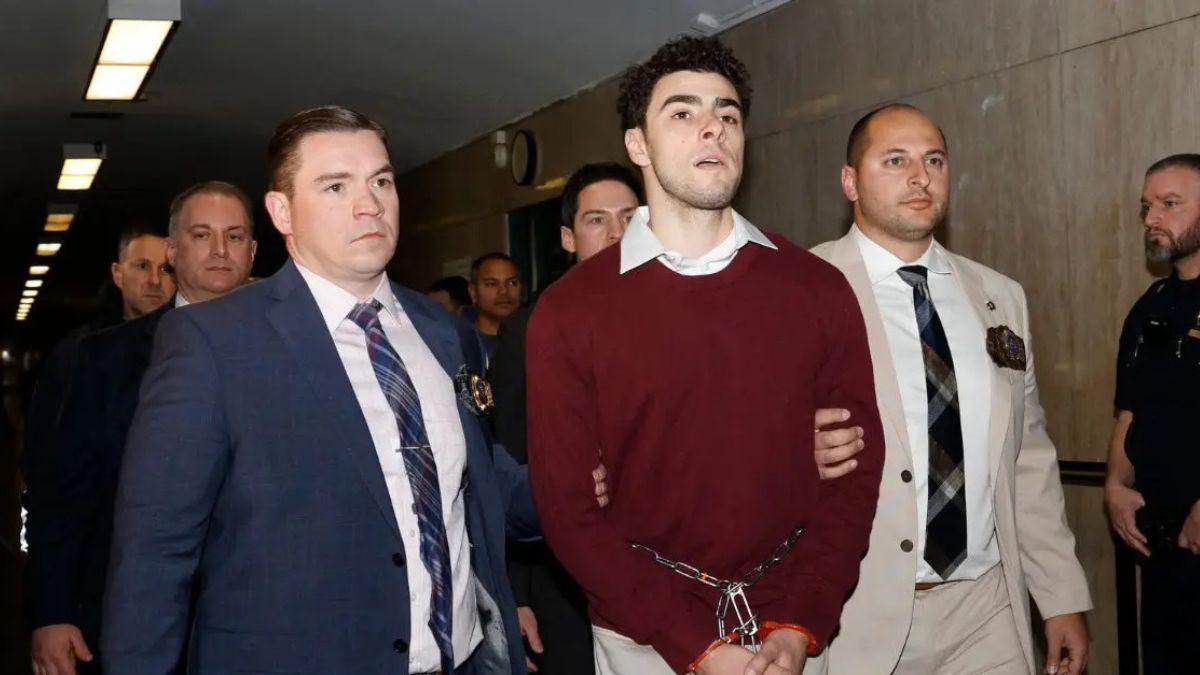
The defense team is digging into jurors’ personal beliefs about healthcare, religion and media exposure.
The filing, dated May 11, claims many of the defense’s proposed questions are "unnecessarily intrusive," repetitive, and could improperly influence potential jurors before opening statements even begin.
"As long as a defendant’s substantial rights are protected by a voir dire designed to uncover bias," prosecutors argued, "reasonable limitations on the questioning should not be disturbed."
The heated pretrial dispute centers around how much personal information prospective jurors should be forced to disclose in one of the most heavily scrutinized criminal cases in the country.
Heated Pretrial Dispute
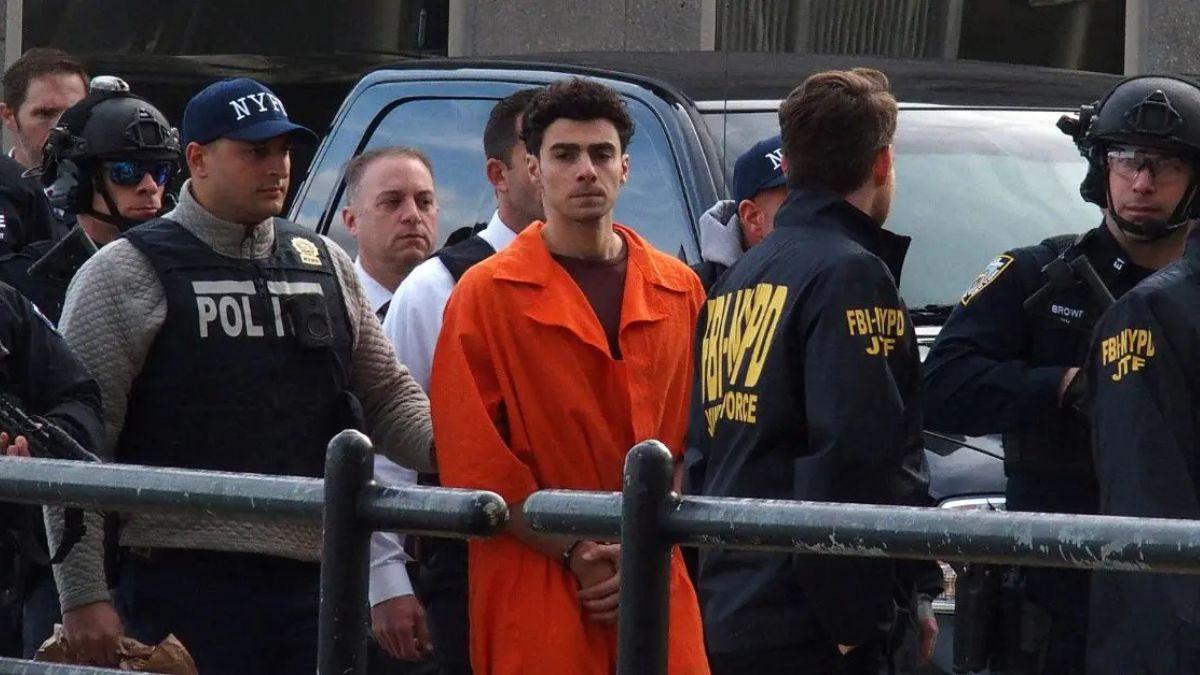
Arguing what are juror views about healthcare insurance industry could affect their ability to remain fair.
Among the most explosive issues raised in the filing are questions related to the healthcare insurance industry, a topic prosecutors acknowledged could potentially impact juror impartiality.
However, federal attorneys argued the defense went too far by proposing an extensive series of healthcare-related questions.
"Disputed Questions 54 through 64 are unnecessary," the filing states, with prosecutors maintaining that earlier questions already sufficiently determine whether jurors hold views about the healthcare insurance industry that could affect their ability to remain fair and impartial.
The government also objected to proposed questions asking jurors how often they attend religious services, calling the inquiry inappropriate because "a juror's religious practices have no bearing on the juror’s fitness to serve."
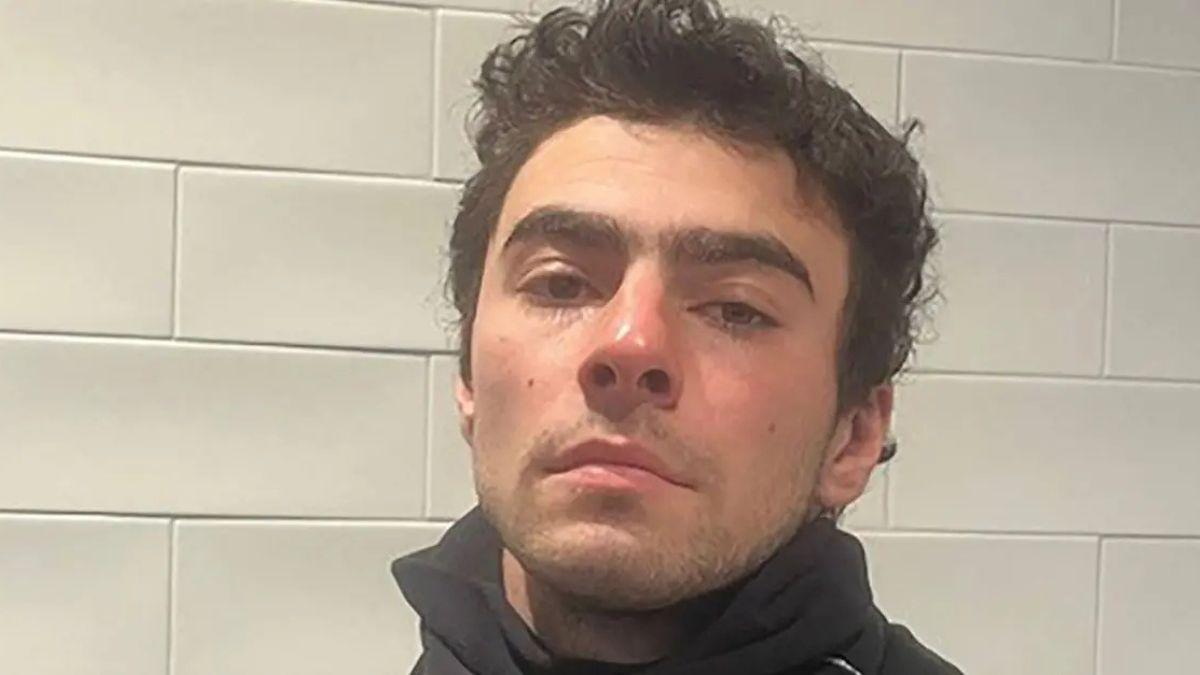
Prosecutors objected to questions involving jurors’ children, educational histories, occupations, and familiarity.
Another disputed section involved questions asking whether jurors had ever been "investigated" or "targeted" in connection with criminal matters.
Prosecutors argued such wording was too vague and problematic because criminal investigations are often confidential, and the definition of being "targeted" is not always clear.
By contrast, the government stated that asking jurors whether they had ever been arrested or charged with crimes would be more appropriate because those are "objective and public" facts.
The filing further reveals that prosecutors objected to questions involving jurors’ children, educational histories, occupations, and familiarity with prominent Manhattan locations, claiming many of the inquiries had little relevance to determining whether a juror could remain unbiased.
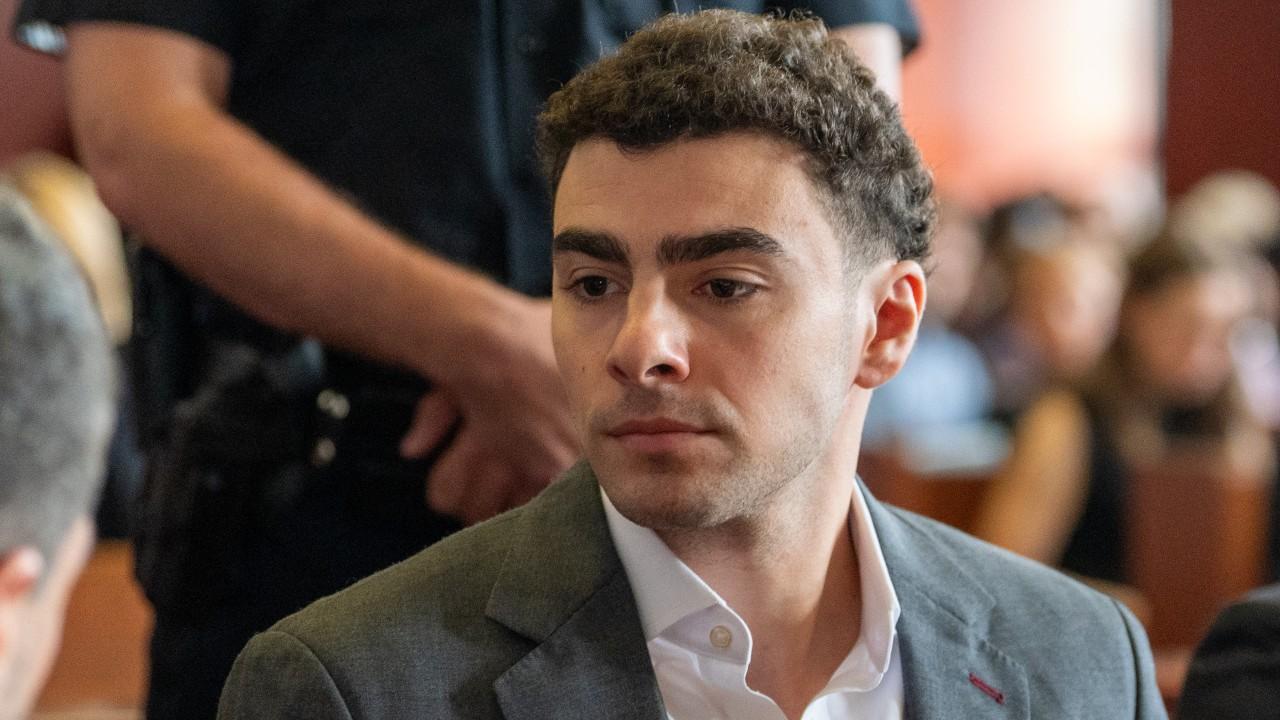
Heated Debates Online Spark Outrage

Never Miss an

Daily updates from the heart of Hollywood, right to your inbox
By entering your email and clicking Sign Up, you’re agreeing to let us send you customized marketing messages about us and our advertising partners. You are also agreeing to our Terms of Service and Privacy Policy.
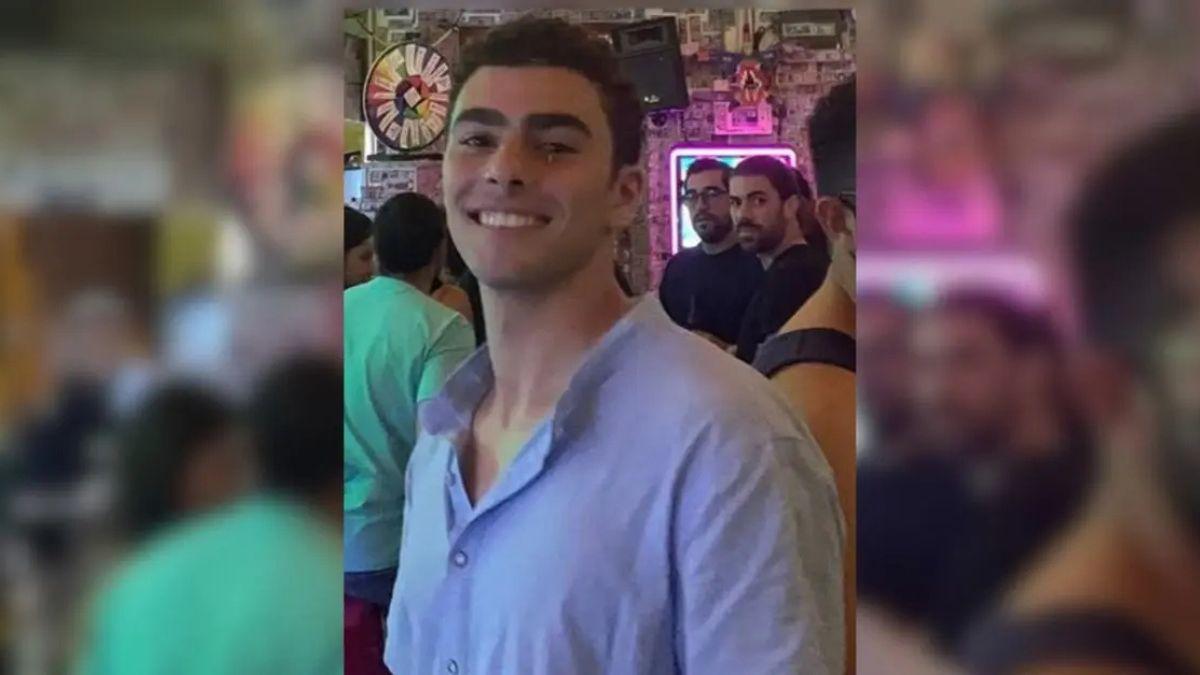
Proposed questions risked confusing jurors about the presumption of innocence.
Federal attorneys additionally warned that some proposed questions risked confusing jurors about the presumption of innocence and burden of proof issues the court itself is expected to address through formal jury instructions during trial.
The government urged the judge to reject any questions that could transform the jury selection process into a vehicle for advocacy instead of neutral screening.
Mangione’s case has continued to generate intense public fascination online, fueling heated debates surrounding healthcare, privilege, and the criminal justice system. He is accused of killing UnitedHealthcare CEO Brian Thompson in December 2024.
The courtroom fight comes just days before jury selection is expected to get underway, with reports indicating dozens of prospective jurors could be called as the closely watched case moves toward trial.
The judge has not yet ruled on the disputed questionnaire requests.
