


EXCLUSIVE: Lindsay Clancy's Lawyers Accuse Judge of Mishandling 'Critical' Jury Warnings as Prosecutors Fight to Silence Defense

Lindsay Clancy's lawyers have accused the judge of mishandling 'critical' jury warnings before her mistrial.
Oct. 29 2026, Published 7:00 p.m. ET


Lindsay Clancy's legal team has launched a fresh attack on the judge overseeing her murder case, accusing the court of failing to properly investigate troubling jury warnings before her trial collapsed – as prosecutors simultaneously push to restrict what her attorneys can tell the public, RadarOnline.com can reveal.
According to court documents obtained by Radar, Clancy's attorneys argue that Judge William Sullivan failed to adequately examine concerns that a juror was refusing to follow the law during deliberations, raising new questions about the September mistrial and whether the mother of three should face another prosecution.
Explosive Jury Warnings

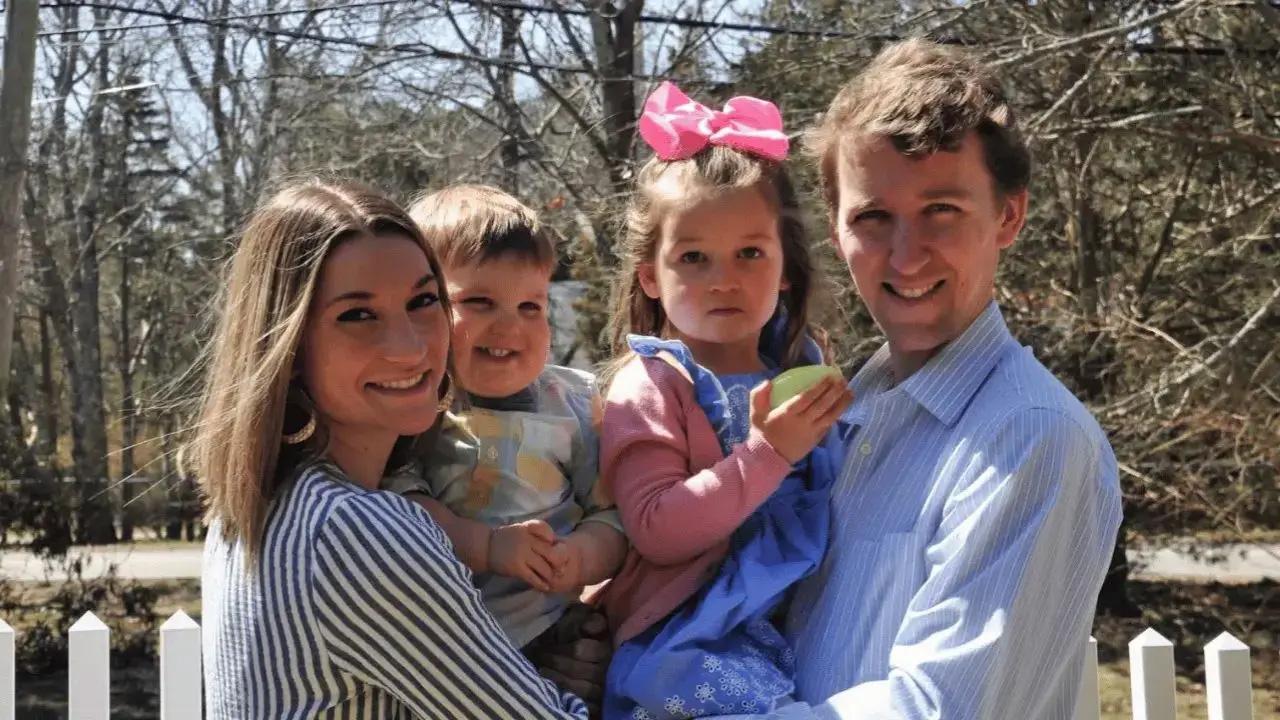
Clancy's defense claims the judge failed to properly investigate critical jury warnings before her September mistrial.
The dispute centers on two jury notes submitted before Sullivan declared a mistrial on September 4, 2026.
According to the defense's latest filing, the jury foreperson alerted the court on September 3 that a juror acknowledged reasonable doubt but allegedly refused to apply it as legally instructed.
A second note, submitted September 4, again raised concerns about the juror's understanding and application of the reasonable-doubt standard.
Clancy's attorneys contend the judge should have investigated whether the juror was deliberately disregarding the law rather than simply disagreeing with fellow jurors. The defense argues the court failed to adequately distinguish between legitimate disagreement and potential juror misconduct.
Defense Demands Murder Charges Be Dismissed
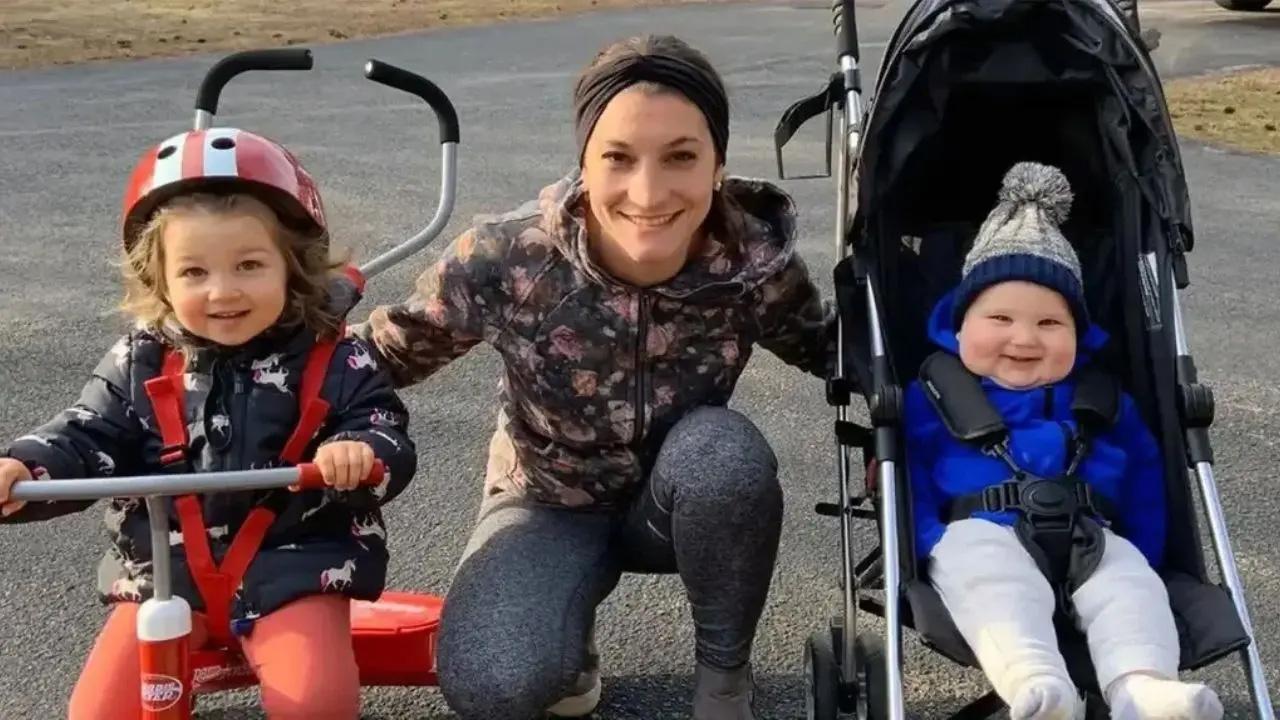
Clancy's lawyers argue the mistrial could have been avoided and are seeking dismissal of the murder charges on double-jeopardy grounds.
The disagreement now forms part of Clancy's attempt to have the murder charges dismissed on double jeopardy grounds.
Her attorneys argue the mistrial could have been avoided through additional judicial inquiry, potentially preventing prosecutors from pursuing another trial.
Prosecutors dispute that characterization, maintaining the notes did not establish juror misconduct and that further questioning risked improperly intruding into confidential deliberations. In their October 28 reply, Clancy's attorneys accused the Commonwealth of misrepresenting the defense's position.
They insisted their argument concerns whether the court should have conducted a more thorough investigation before ending the proceedings. No ruling dismissing the charges has been established in the documents reviewed.
Prosecutors Push to Restrict Media Statements
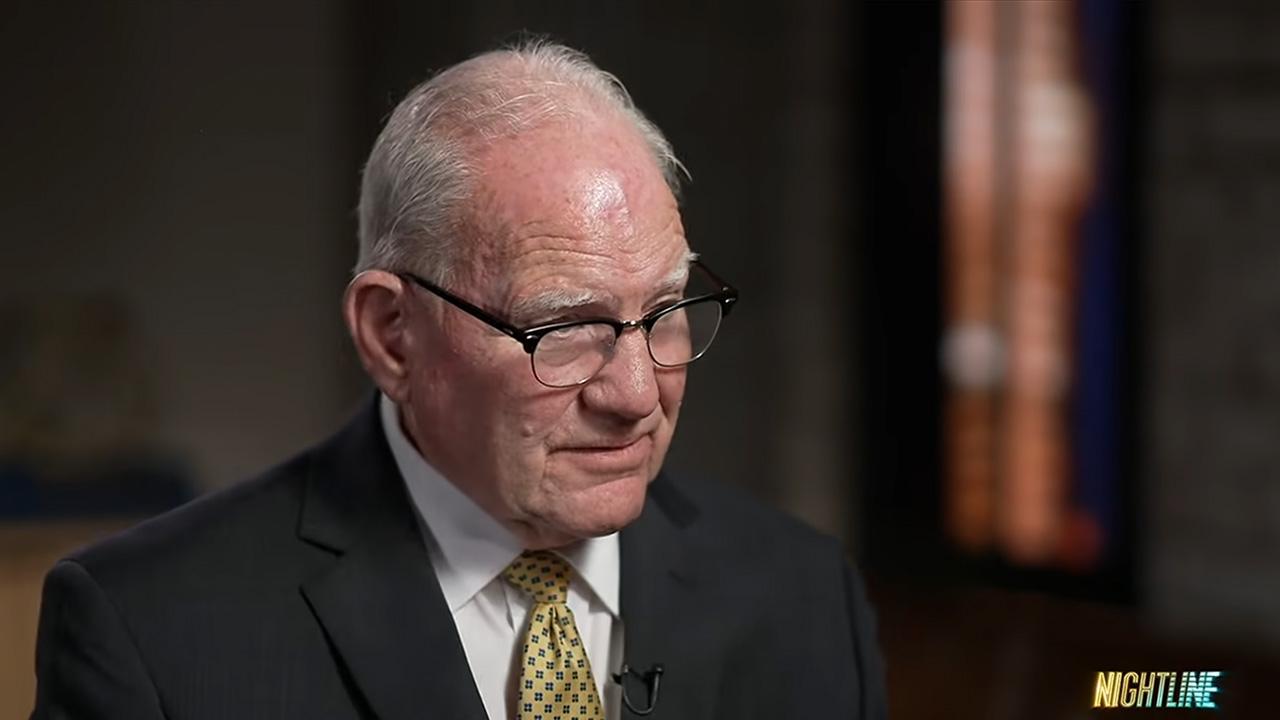
Prosecutors want restrictions on potentially prejudicial media statements.
Meanwhile, a separate courtroom battle is unfolding over what Clancy's attorneys can publicly say about the case.
In another filing, the defense opposed prosecutors' September 28 motion seeking to restrict potentially prejudicial statements to the media. Clancy's lawyers characterized the proposed restrictions as an unconstitutional "prior restraint" on speech.
They argued prosecutors had offered no supporting evidence justifying the extraordinary measure. The defense emphasized that no retrial date has been scheduled and no new jury has been selected.

Fresh Showdown Looms

Never Miss an

Daily updates from the heart of Hollywood, right to your inbox
By entering your email and clicking Sign Up, you’re agreeing to let us send you customized marketing messages about us and our advertising partners. You are also agreeing to our Terms of Service and Privacy Policy.
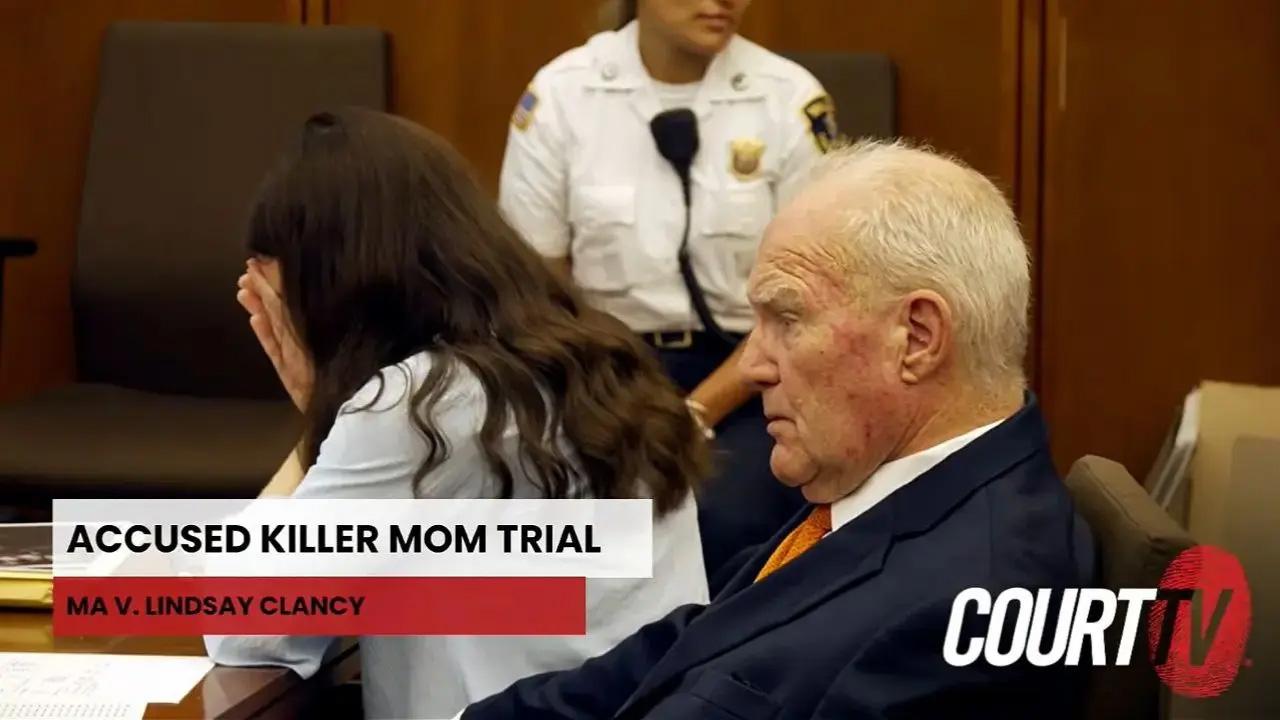
Clancy faces an uncertain future in her murder case after September's mistrial.
In an additional October 28 response, Clancy's attorneys agreed to redact a juror's identifying number from publicly filed documents.
However, they challenged prosecutors' reasoning, suggesting the redaction request was being used to bolster the separate effort to restrict media statements.
The defense is seeking to prevent another trial while preserving its ability to publicly challenge the prosecution's arguments.
With oral arguments reportedly scheduled for Monday, November 2, the legal fight could determine whether Clancy's case proceeds toward another trial or faces a significant constitutional obstacle.
