


EXCLUSIVE: Lindsay Clancy Hospital Raises Questions About Her Conduct in Malpractice Fight — as Her Lawyer Speaks Out

Lindsay Clancy's medical malpractice lawsuit faces a new legal battle.
Oct. 12 2026, Published 8:05 p.m. ET


Lindsay Clancy's legal battle over her psychiatric treatment has taken another turn, with a hospital raising her own conduct as a potential defense against her malpractice claims, prompting her attorney to speak out about the latest filing, RadarOnline.com can reveal.
According to court documents obtained by Radar, Women & Infants Hospital of Rhode Island raised 26 affirmative defenses in its October 2 response to Clancy's second amended complaint, including arguments involving comparative negligence, informed consent, and the possible responsibility of others.
Hospital Points to Lindsay Clancy's Conduct


The hospital argues that Clancy's own conduct may have contributed to the damages alleged in her lawsuit.
In its response, the hospital invokes comparative negligence, arguing Clancy's own actions may have contributed to the injuries or damages alleged in her lawsuit.
The hospital also raises defenses involving third parties and intervening causes, disputing whether it should bear responsibility for the alleged damages.
Those arguments come as Clancy pursues claims against medical professionals over the psychiatric care she received before the January 2023 deaths of her three children, Cora, Dawson and Callan. The hospital's defenses do not establish that Clancy was negligent or that her conduct caused the children's deaths.
Women & Infants Hospital also invokes informed consent, asserting that Clancy was advised of treatment risks, potential consequences, and available alternatives.
Lindsay Clancy's Attorney Breaks Silence
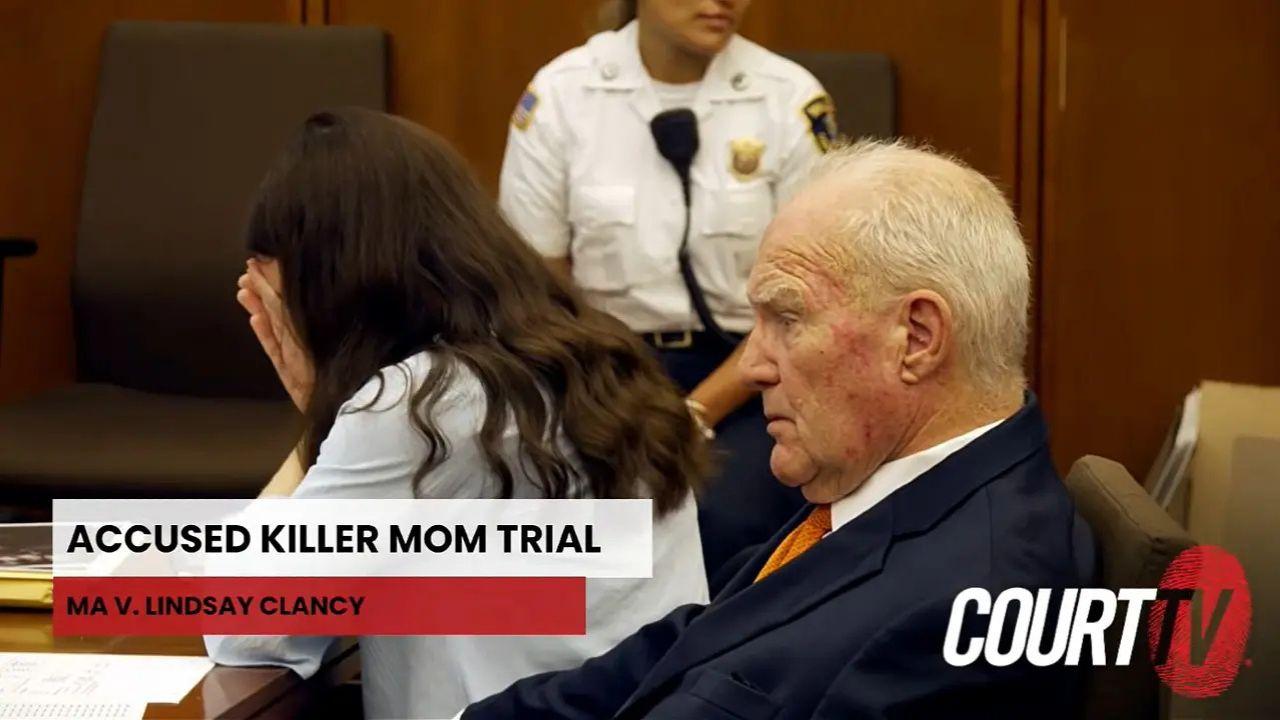
'The defense begins their case by denying everything and saying prove it,' lawyer Andrew Meyer Jr. said.
Speaking exclusively to Radar, Clancy's civil attorney, Andrew Meyer Jr., founding partner of Lubin & Meyer PC, cautioned against interpreting the hospital's response as a significant determination about the merits of the lawsuit.
"It's more form than it is substance, and it's of course our burden to prove the case," Meyer explained.
He said the hospital's denials follow a familiar pattern in civil litigation, where plaintiffs outline allegations and defendants formally dispute them. "The defense begins their case by denying everything and saying prove it," Meyer said.
"This is just the first step, and it's just classic, and I wouldn't read anything into it," Meyer emphasized that the parties have not yet established whether the alleged treatment failures occurred, explaining that evidence will be examined as the litigation progresses.
Psychiatric Treatment Under Scrutiny
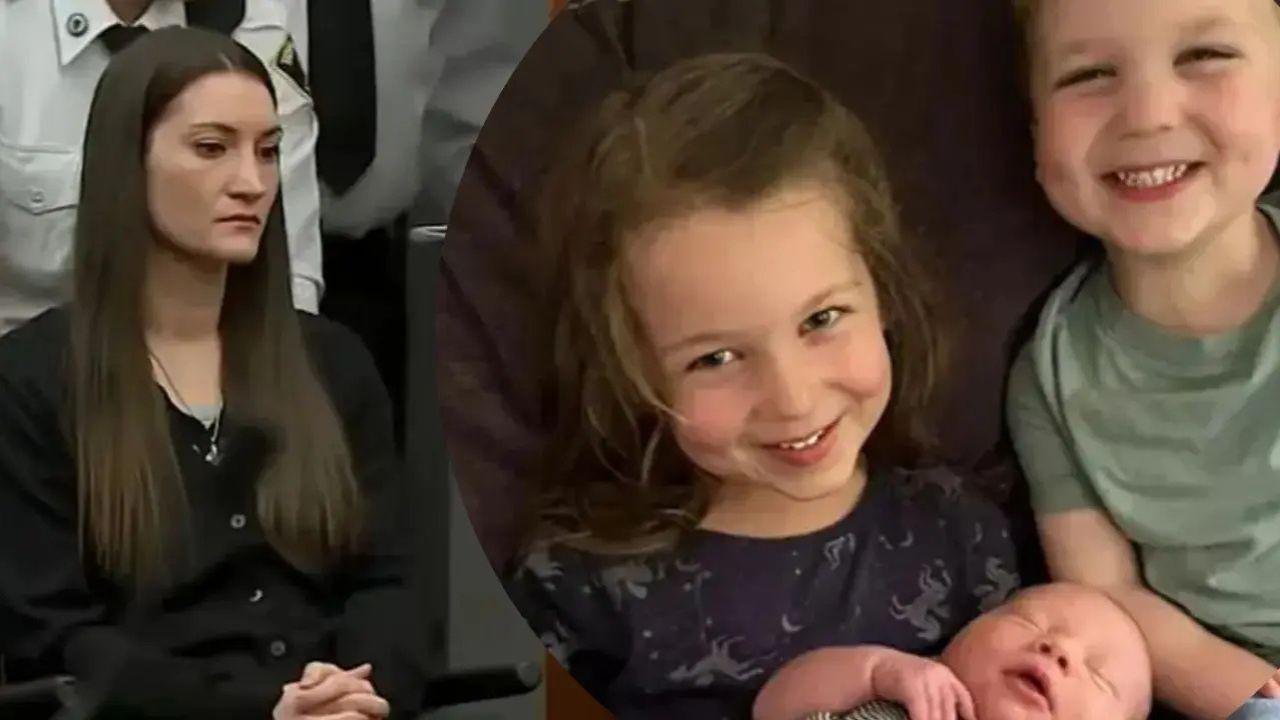
Clancy had undergone psychiatric treatment and received multiple medications
Clancy's complaint alleges medical providers failed to adequately recognize and respond to her psychiatric symptoms despite warning signs before the tragedy.
The Massachusetts mother had undergone psychiatric treatment and received multiple medications in the months preceding her children's deaths. Her lawsuit challenges decisions involving psychiatric evaluations, medication management, and treatment recommendations. Women & Infants Hospital denies the allegations and disputes Clancy's entitlement to damages.
The hospital also challenges the Massachusetts court's jurisdiction and venue and has demanded a jury trial.


Legal Fight Far From Over

Never Miss an

Daily updates from the heart of Hollywood, right to your inbox
By entering your email and clicking Sign Up, you’re agreeing to let us send you customized marketing messages about us and our advertising partners. You are also agreeing to our Terms of Service and Privacy Policy.

Clancy's civil lawsuit remains separate from the criminal proceedings
Meyer said the litigation will now proceed into discovery, when the parties can exchange evidence and conduct depositions.
"And then it's off to the races; there's discovery and depositions," he explained.
The attorney compared the hospital's response to the early stages of criminal proceedings, when a defendant initially enters a not-guilty plea before the evidence is tested.
Clancy's civil lawsuit remains separate from the criminal proceedings concerning her children's deaths.
For now, the hospital's defenses remain contested legal positions, with the question of whether any medical provider bears civil responsibility still unresolved.
