


EXCLUSIVE: How Kevin Costner's JFK Movie Sparked a Hollywood Firestorm

Kevin Costner's 'JFK' ignited Hollywood controversy over its portrayal of Kennedy's assassination.
Nov. 1 2026, Published 10:00 a.m. ET


Thirty-five years ago, Oliver Stone took on one of the most controversial chapters in American history – and turned it into a riveting three-hour movie that had audiences arguing long after the credits rolled, RadarOnline.com can reveal.
Released in December 1991, JFK stars Kevin Costner as New Orleans District Attorney Jim Garrison, the real-life prosecutor who became convinced there was more to President John F. Kennedy's 1963 assassination than the official conclusion that Lee Harvey Oswald acted alone.
Oliver Stone's 'JFK' Sparks Conspiracy Controversy

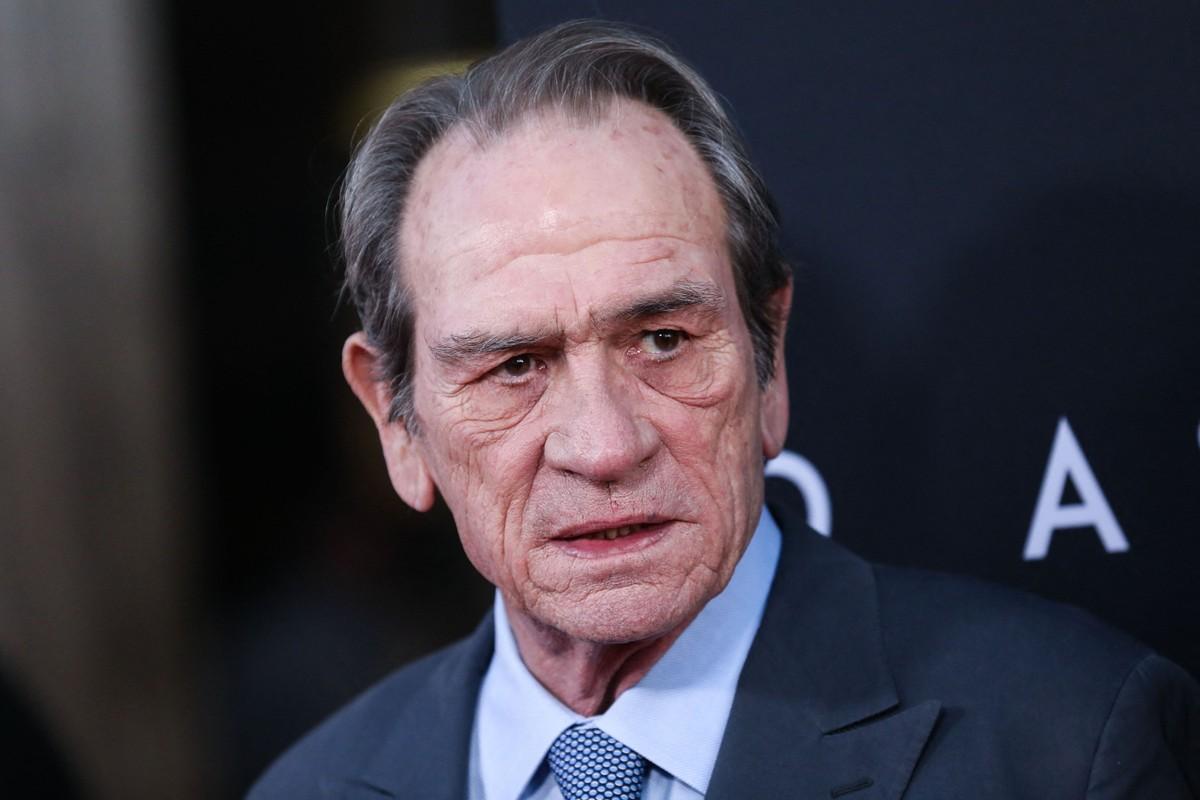
Tommy Lee Jones portrays Clay Shaw, the businessman prosecuted by Jim Garrison in 'JFK.'
The movie begins with Kennedy's fateful motorcade through Dallas on Nov. 22, 1963, then follows Garrison as doubts about the Warren Commission's findings lead him down a sprawling rabbit hole of witnesses, conflicting testimony and alleged government intrigue.
Garrison eventually focuses on prominent New Orleans businessman Clay Shaw, played by Tommy Lee Jones, whom Garrison charges with conspiring to kill Kennedy. Gary Oldman portrays Oswald, while the remarkable supporting cast includes Sissy Spacek, Joe Pesci, Kevin Bacon, Donald Sutherland, Jack Lemmon, Walter Matthau, Ed Asner, John Candy and Laurie Metcalf.
Stone makes his case with a dizzying mixture of dramatic recreations, flashbacks, archival footage and speculation, including Garrison's famous courtroom attack on the "magic bullet" theory. The movie culminates with Shaw's 1969 trial – and although the jury acquits him, Garrison remains convinced Kennedy's murder involved a larger conspiracy.
JFK generated controversy before audiences even saw it. Critics accused Stone of blurring fact and conjecture, while the filmmaker maintained he was challenging viewers to question the accepted version of events.
Oliver Stone's Extreme 'JFK' Secrecy Revealed
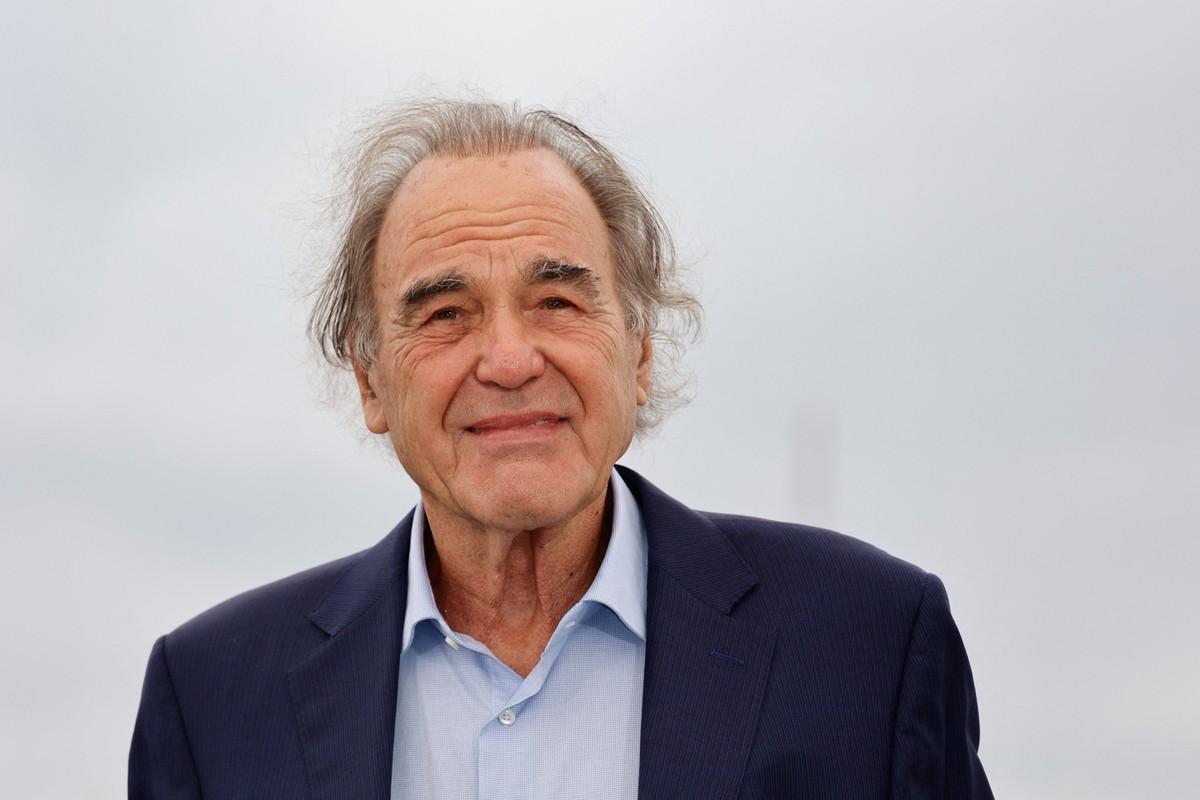
Oliver Stone drew partly on books by Jim Garrison and Jim Marrs for the screenplay.
Stone spent years researching the assassination and based the screenplay, written with Zachary Sklar, partly on Garrison's 1988 memoir, On the Trail of the Assassins, and Jim Marrs' 1989 book, Crossfire: The Plot That Killed Kennedy.
He also went to extraordinary lengths to create a feeling of authenticity. Production spent its first 10 shooting days at Dealey Plaza, where Kennedy was killed, and Stone fought to gain access to the Texas School Book Depository after officials initially refused permission. The production ultimately paid a reported $50,000 to film inside.
Stone shrouded the project in such secrecy during preproduction that it was known as Project X. Scripts were numbered and kept under lock and key. The production office was even reportedly swept for listening devices.
Hollywood A-Listers Eyed for 'JFK' Role
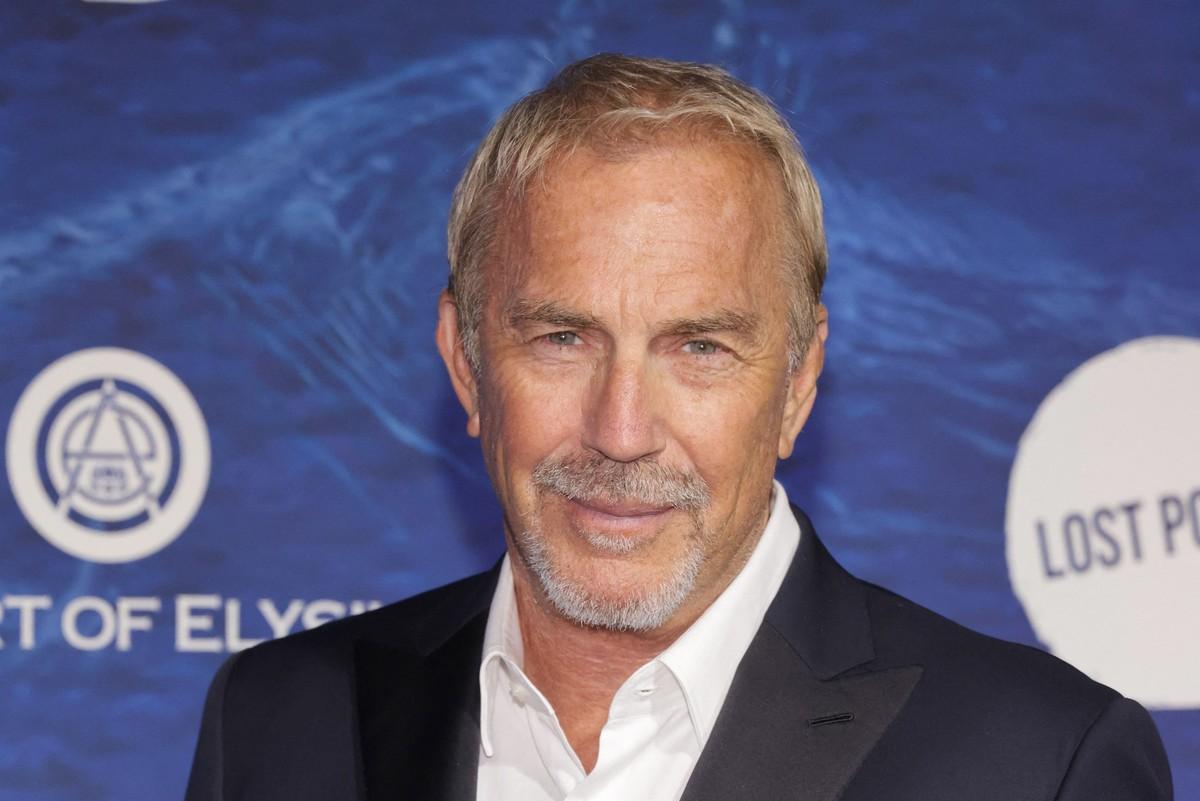
Kevin Costner was always Stone's first choice to play Garrison, the director said.
Costner wasn't the only big name linked to Garrison. Harrison Ford, Mel Gibson, Jeff Bridges, Michael Keaton and Dennis Quaid were among those reportedly considered, although Stone later insisted Costner had always been his first choice.
In one particularly inspired piece of casting, the real Jim Garrison appears in the movie – as Chief Justice Earl Warren, whose commission produced the report Garrison spent years challenging.
Audiences were willing to sit through JFK's daunting 189-minute running time.
Made for about $40million, it earned $70.4million in the U.S. and Canada and approximately $205.4million worldwide.
'JFK' Earns Eight Oscar Nominations
Never Miss an

Daily updates from the heart of Hollywood, right to your inbox
By entering your email and clicking Sign Up, you’re agreeing to let us send you customized marketing messages about us and our advertising partners. You are also agreeing to our Terms of Service and Privacy Policy.
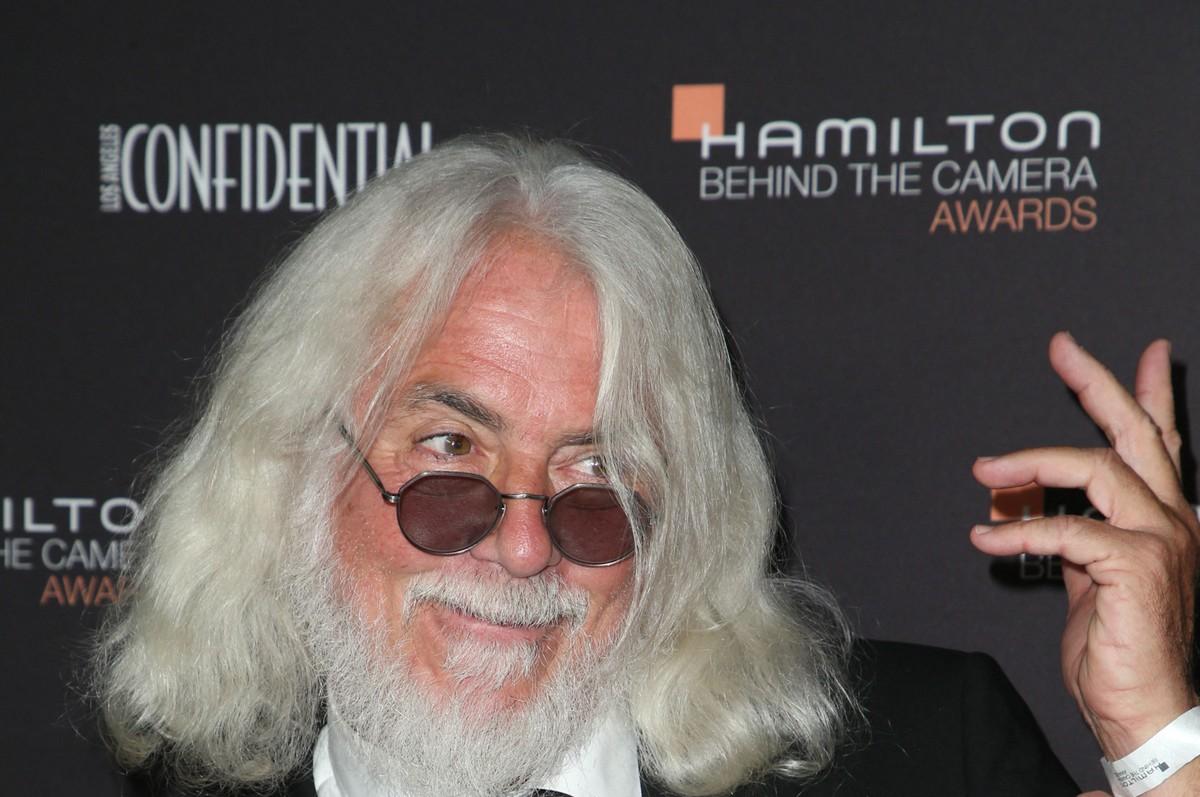
Robert Richardson won an Oscar for his cinematography on 'JFK.'
Hollywood took notice, too. JFK received eight Academy Award nominations, including Best Picture, Best Director for Stone and Best Supporting Actor for Jones. It won two Oscars, for Robert Richardson's cinematography and Joe Hutshing and Pietro Scalia's editing.
Thirty-five years later, JFK remains as provocative as ever – part political thriller, part courtroom drama and part cinematic jigsaw puzzle that still asks audiences to decide for themselves what they believe.
