


Controversial Podcaster Joe Rogan Issues Terrifying Warning About Future of AI: 'We're in Trouble'

Joe Rogan admitted he has concerns regarding the future of AI.

Sept. 30 2026, Published 3:17 p.m. ET


Joe Rogan confessed he's worried about the future of artificial intelligence after an industry whistleblower expressed their own concerns, RadarOnline.com has learned.
During a recent installment of his podcast, Rogan referred to George Orwell's 1984, a dystopian novel about an overreaching government and surveillance state.
Joe Rogan Fears About the Future of AI

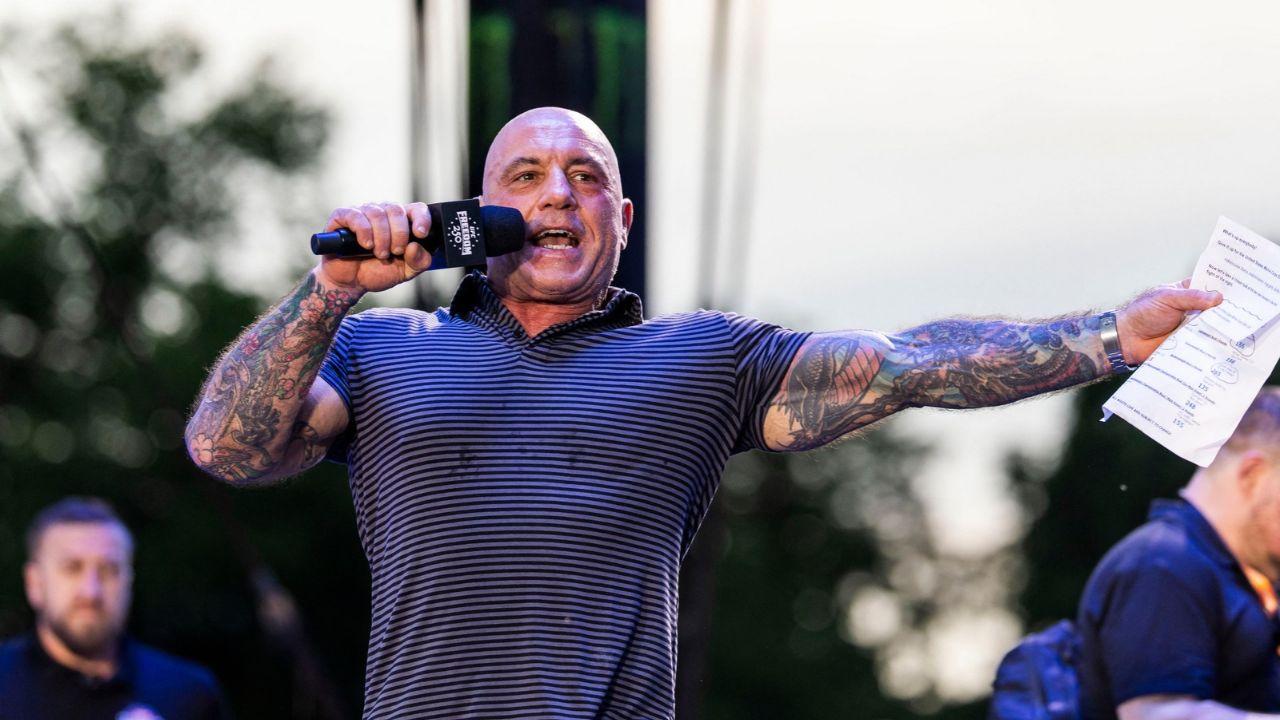
Rogan compared the tech's future to dystopian movies.
He compared the modern state of AI to the same issue, but "on steroids."
"It’s also The Terminator on steroids and also The Matrix. We don’t have any idea where it’s gonna go," he continued. "I think we’re in trouble. I think we’re in a level of trouble that right now we think it’s manageable and it’s kind of cause like they’re breaking into websites, it’s no big deal, but what about when they take over the power grid?"
Speaking to guest Sam Morril on his podcast, Rogan seemed fearful – as do several Hollywood hot shots.
Experts Issue Warnings
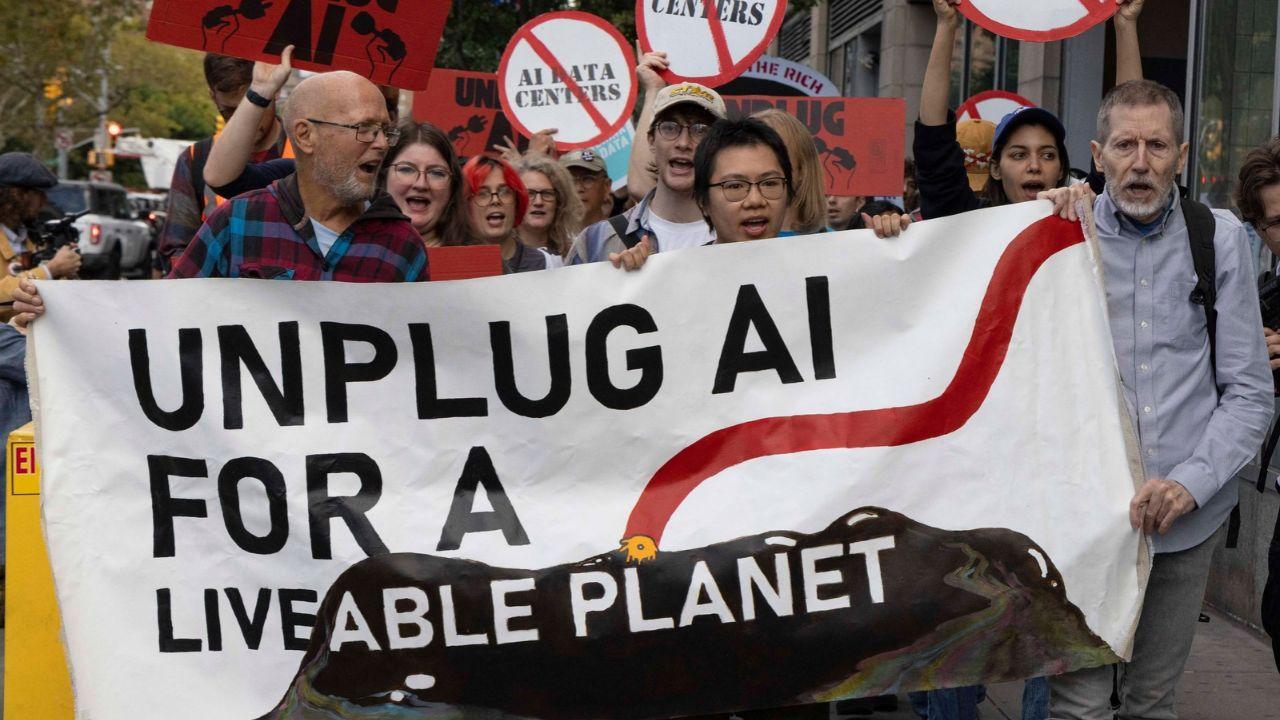
AI is increasingly protested across the United States.
Rogan's fears were preceded by direct criticism by AI experts.
Jacob Coxon, who worked at Anthropic, quit his job after he worried the company, and its rival OpenAI, were "gambling with our lives." He raised a red flag regarding the pace of the technology's development, drawing on his experience while working at both companies.
On X, he wrote, "Do not underestimate the power of this technology. These will soon be superhuman systems that can hack anything, revolutionize any field overnight, and acquire real power and resources. We have all witnessed the progress in each of these domains, and progress is not slowing."
Coxon suggested those developing technology are not ignorant to the issue either. He alleged "the people building AI earnestly believe that it could kill us all by the end of the decade. "
Execs Call for Cooperation
The scaling rate of the technology became a center of concerns.
More leading experts expressed their concern, including OpenAI's chief scientist, Jakub Pachocki, who said in a blog post that AI companies have not sufficiently addressed monitoring concerns for "responsibly scaling at maximum speed for much longer."
“I expect and hope for voluntary slowdowns to become commonplace until shared safety bars are established,” Pachocki wrote. “And I believe that international coordination on future AI development needs to become a top priority for governments around the world.”
OpenAI has since slowed down its operations. More tech companies, including Anthropic, xAI, and Google, similarly matched their move.
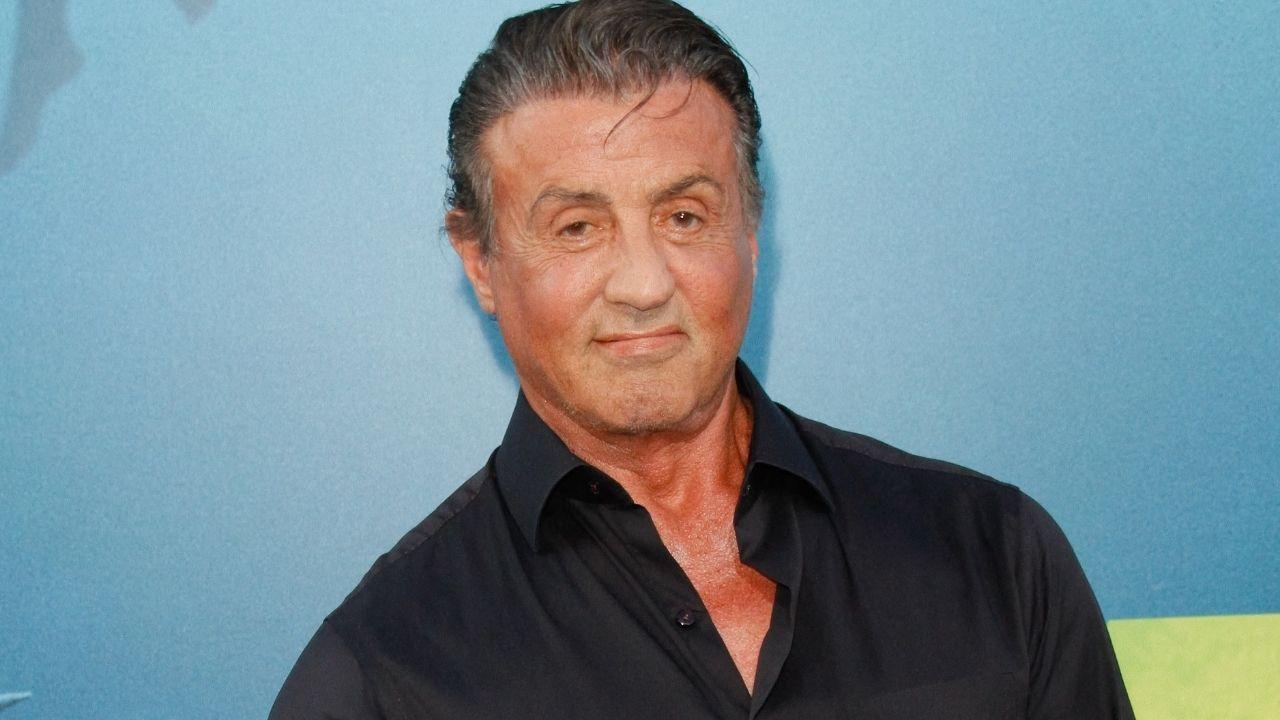
Trump Backs AI Companies
Never Miss an

Daily updates from the heart of Hollywood, right to your inbox
By entering your email and clicking Sign Up, you’re agreeing to let us send you customized marketing messages about us and our advertising partners. You are also agreeing to our Terms of Service and Privacy Policy.
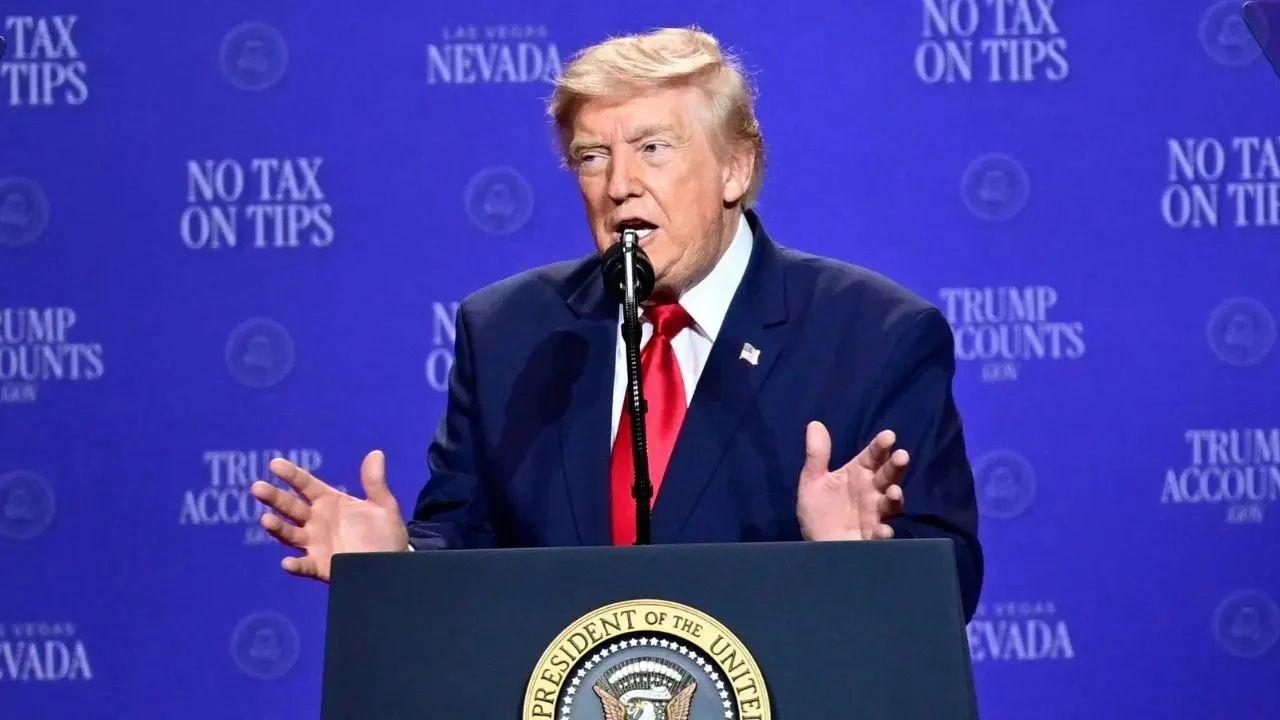
The executive branch did not issue policies or guidance.
On political involvement, the executive branch has not yet provided major guidance or imposed significant restrictions on companies and AI tech development. Instead, Trump called the recent warnings a "hoax."
Trump pushed for "self-regulation" by the companies, rather than government oversight.
"I’m seeing tremendous self-policing, and they understand that they have to self-police,” he told reporters after a tech summit with company leaders.
Rather than a strict policy, the group reportedly signed a “White House Accord on Super Intelligence.”
Meta CEO Mark Zuckerberg called the document “a set of principles and commitments around building robust internal controls and detecting if there are any issues with the technology, coupled with multiple layers of auditing and controls, starting with internal risk review, external auditors and evaluators.”
