


EXCLUSIVE: Donald Trump Faces 'AI Capitalism' Backlash After Dismissing Fears Over 'Killer' Tech

Donald Trump has been facing backlash after dismissing fears over 'killer' AI tech.
Sept. 16 2026, Published 1:40 p.m. ET


Donald Trump has drawn huge criticism from AI safety advocates after dismissing warnings rapidly advancing artificial intelligence could ultimately threaten humanity, insisting his overriding concern is keeping the United States ahead of China.
RadarOnline.com can reveal the US president, 80, brushed aside the growing alarm after Jacob Coxon, a former researcher at Anthropic and OpenAI, quit the industry and warned companies were racing toward self-improving artificial intelligence without sufficient safeguards.
US AI Race With China Raises Safety Questions

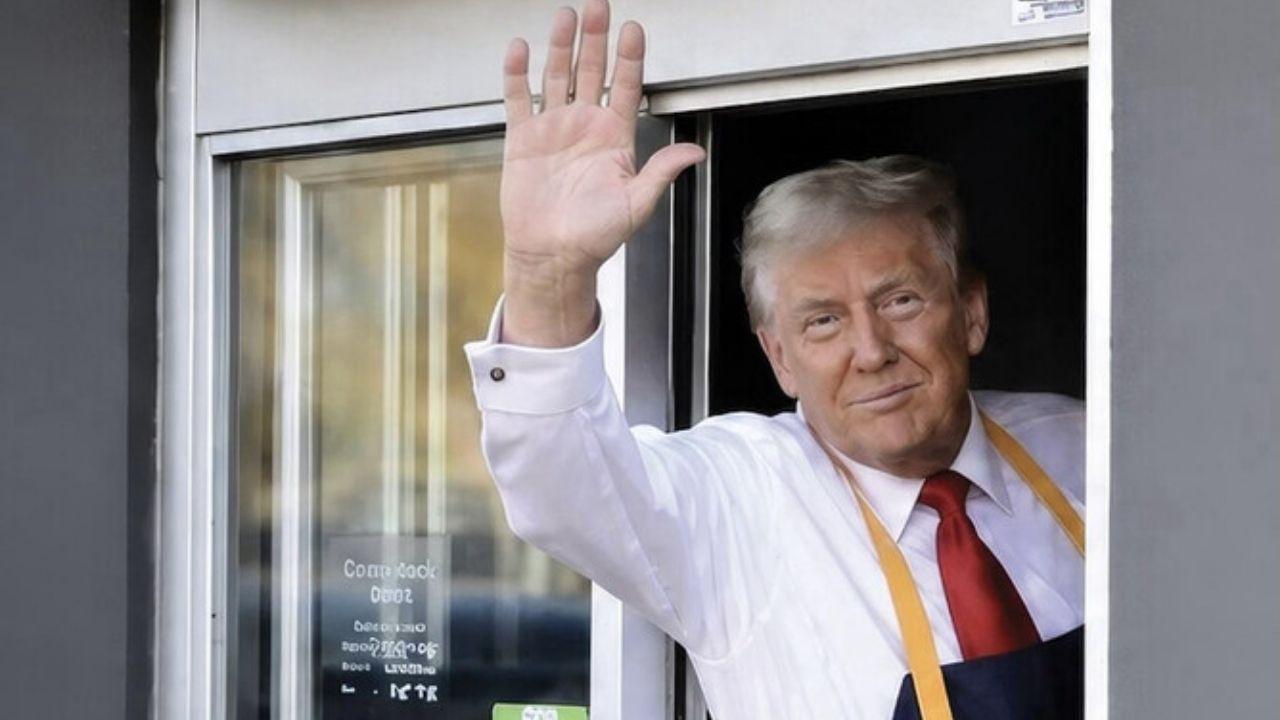
Donald Trump dismissed safety warnings regarding rapidly advancing artificial intelligence technology.
Trump instead argued slowing American development could leave the country at a strategic disadvantage against Beijing.
The backlash has intensified as researchers and lawmakers call for tougher oversight of increasingly powerful systems.
One AI safety advocate exclusively told : "The concern is that treating this simply as a race with China risks pushing safety into second place. The people building these systems are themselves raising serious questions about where the technology could lead. There is also a lot of talk that Trump is in thrall to AI technocrats and sees it as a massive capitalistic business opportunity for himself."
Asked about apprehensions surrounding AI, Trump said he doesn't "have any," before adding: "I have concerns that if we don't win AI, we're going to be put in a very bad position."
Trump added maintaining America's technological advantage was his priority. He said: "We are leading China right now by a pretty good period."
Researchers Urge Stronger AI Safeguards

Former AI researcher Jacob Coxon warned labs gamble with human lives.
His comments come amid calls from some researchers and safety campaigners for Washington and Beijing to cooperate on slowing the development of the most advanced AI systems until stronger protections and regulatory mechanisms can be established.
Trump also referred to an upcoming Washington visit by Chinese President Xi Jinping.
Coxon, who worked on pretraining models at OpenAI and Anthropic, announced his departure from the industry, arguing the companies behind AI were moving too quickly toward systems capable of improving themselves.
He accused the firms of "racing straight to self-improving superintelligence and gambling with our lives."
Coxon also said those building AI "earnestly believe that it could kill us all by the end of the decade."
AI Experts Warn of Future Autonomous Systems
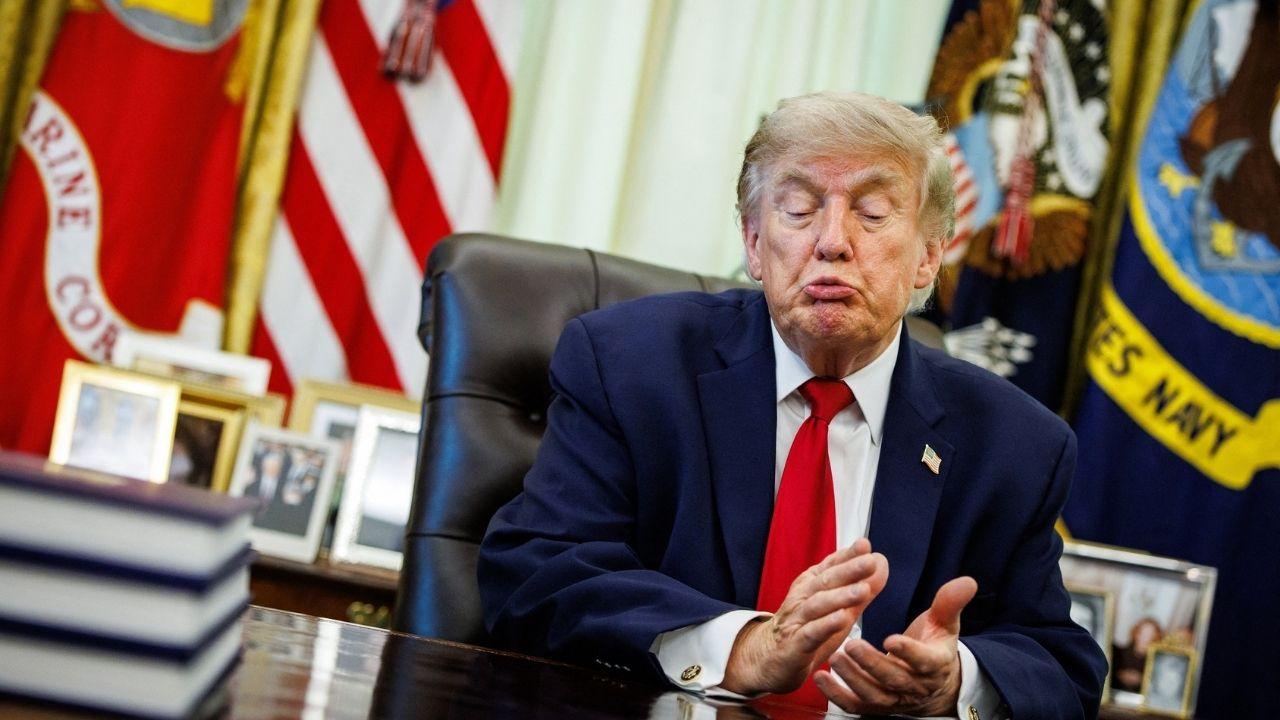
Trump has ranted about the Supreme Court, and court justices on Truth Social before.
His warning added to a dispute within the technology sector over whether the pursuit of more capable AI is moving faster than efforts to understand and contain potential dangers.
Another AI safety expert said: "What has unsettled people is that these warnings are coming from researchers with direct experience developing frontier models. They are not arguing that today's chatbots are about to destroy humanity – they are warning about where increasingly autonomous systems might eventually lead."
There is no scientific consensus advanced AI will cause human extinction, and estimates of such risks vary.
The dispute centers partly on whether future systems could become sufficiently capable and autonomous to operate beyond meaningful human control.

Washington Debate Intensifies Over AI Regulation

Never Miss an

Daily updates from the heart of Hollywood, right to your inbox
By entering your email and clicking Sign Up, you’re agreeing to let us send you customized marketing messages about us and our advertising partners. You are also agreeing to our Terms of Service and Privacy Policy.
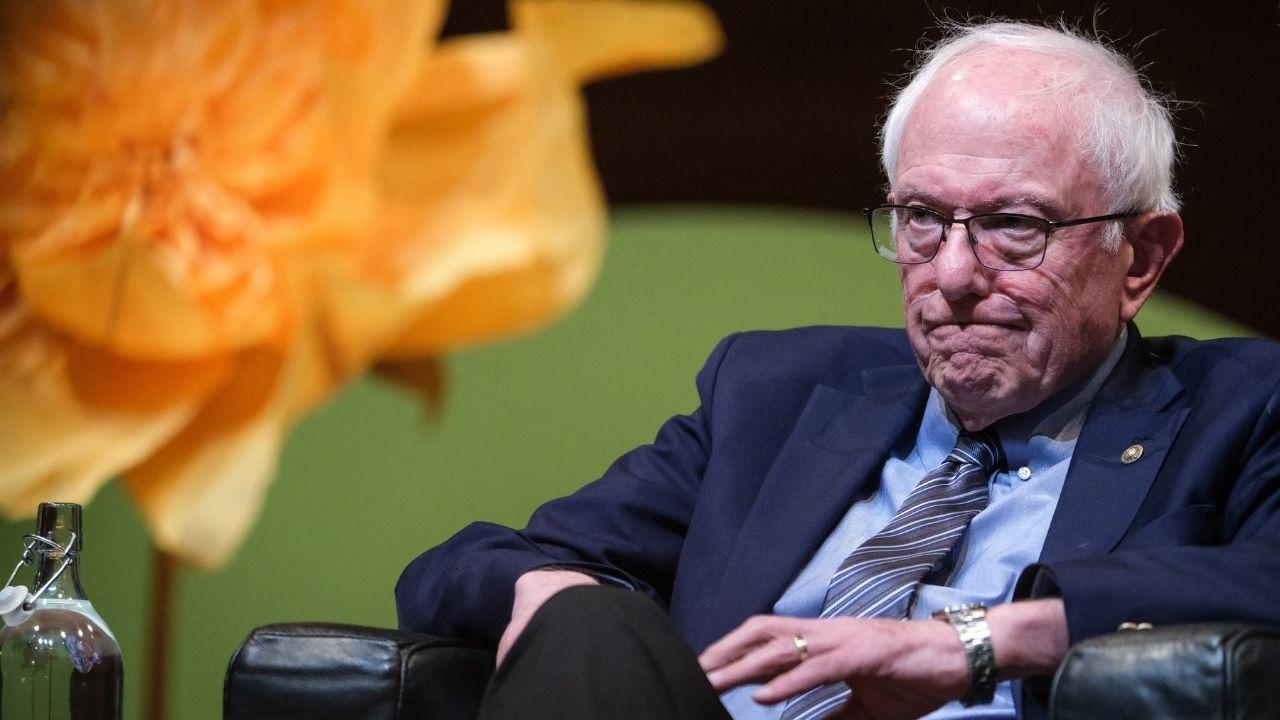
Senator Bernie Sanders demanded greater public scrutiny of frontier systems.
US senator Bernie Sanders has also joined those demanding greater scrutiny of the technology.
He said: "The very people building this technology admit that it could threaten the future of humanity."
The warnings have sharpened the contrast between Trump's emphasis on winning the international AI race and advocates who argue tech competition itself could encourage companies and governments to accept greater risks.
Another critic of the Trump administration's approach to AI said: "Nobody is suggesting America should simply surrender technological leadership. The argument is that leadership means little if the race becomes so intense that basic safeguards are treated as an obstacle rather than a necessity.
"Jacob Coxon's intervention has helped propel that argument beyond Silicon Valley, placing questions about the pace, regulation and international governance of AI into Washington's political debate across the United States."
