


Jimmy Kimmel Mocks Trump for Telling Supporters Their $5,000 Checks May Not Buy a Burger at Mar-a-Lago

Trump told supporters their $5,000 checks might only buy a hamburger and a small dessert at Mar-a-Lago
Oct. 29 2026, Published 5:14 p.m. ET


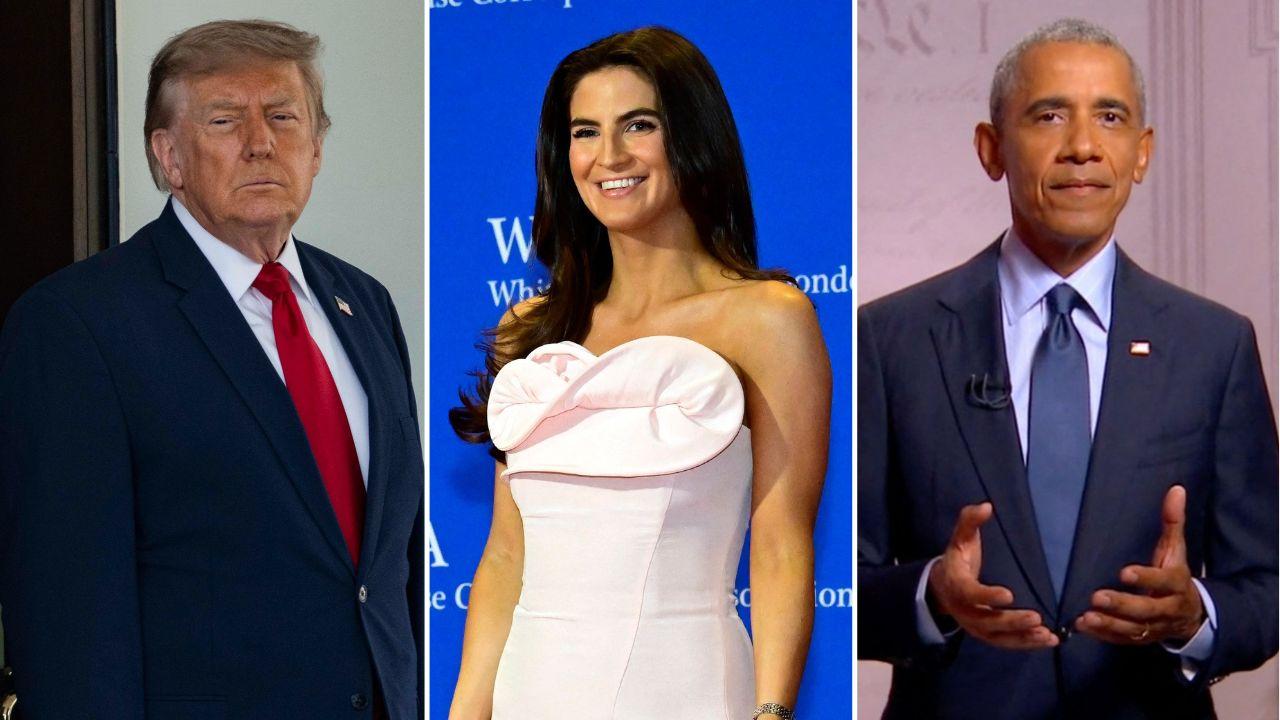
President Donald Trump gave Jimmy Kimmel plenty of material when he joked that his proposed $5,000 payments to Americans might not even cover a hamburger and a small dessert at Mar-a-Lago.
During a Wednesday, Oct. 28, episode of Jimmy Kimmel Live!, the late-night host played footage from Trump's Oct. 27 campaign rally in Corpus Christi, Texas, where the president promoted his proposed "Trump Dividend" before warning supporters about the prices at his private Florida club.
The exchange came less than a week before the Nov. 3 midterm elections, with affordability among the major issues for voters.
An AP-NORC poll found that 85% of voters considered the economy important to their decision, while 84% said the same about the cost of living.
What Did Donald Trump Say About $5,000 Checks?

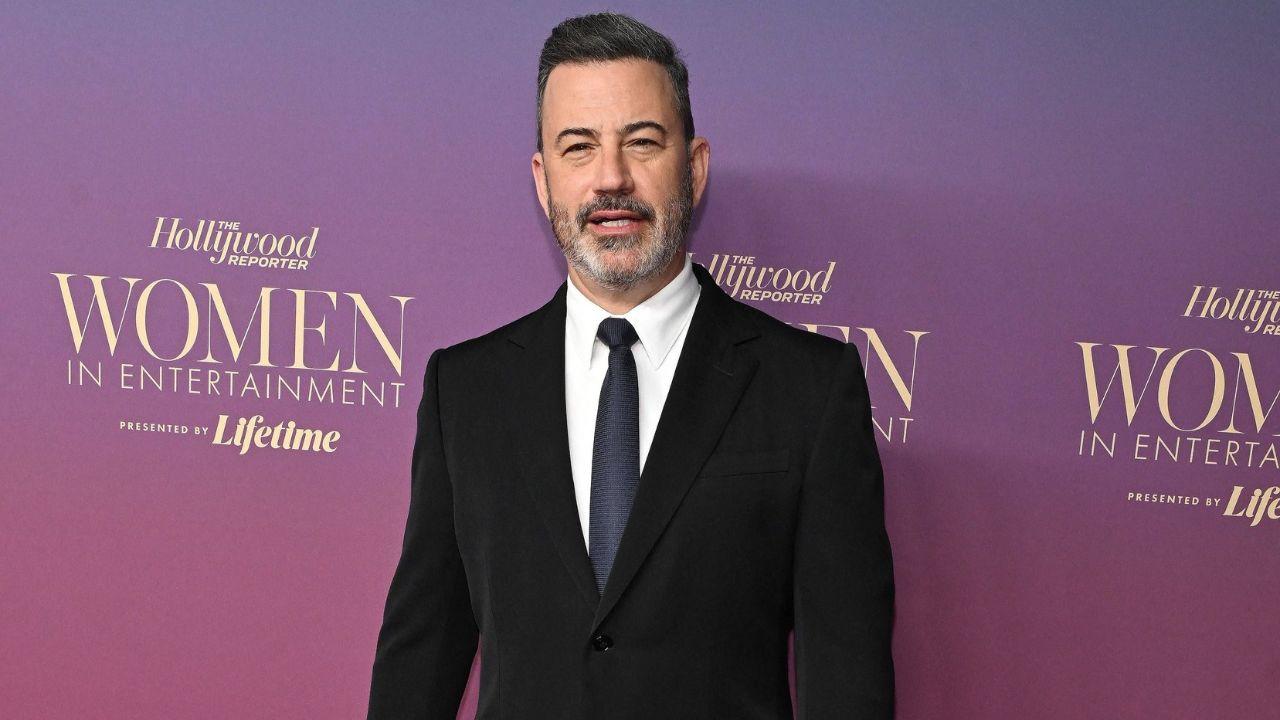
Jimmy Kimmel mocked Trump for saying it out loud to the crowd
Trump has proposed giving $5,000 to every adult U.S. citizen if Republicans retain control of both the House and Senate. The White House announced the plan in September, saying the payment would be funded by the country's economic strength.
At the Texas rally, Trump explained that recipients would have to spend the money in the United States before suggesting they could visit Mar-a-Lago.
"You could even come to Mar-a-Lago. I said it the other night. You'll be my guest at Mar-a-Lago," Trump said.
He then joked that the $5,000 would not go very far at the club.
"The problem is that for $5,000 the most you'll be able to buy is a hamburger and maybe a small dessert," Trump said. "I'm not even sure you could buy that."
He followed by warning supporters, "That's not a good place if you're price conscious."
How Did Jimmy Kimmel Mock Trump's Mar-a-Lago Remarks?
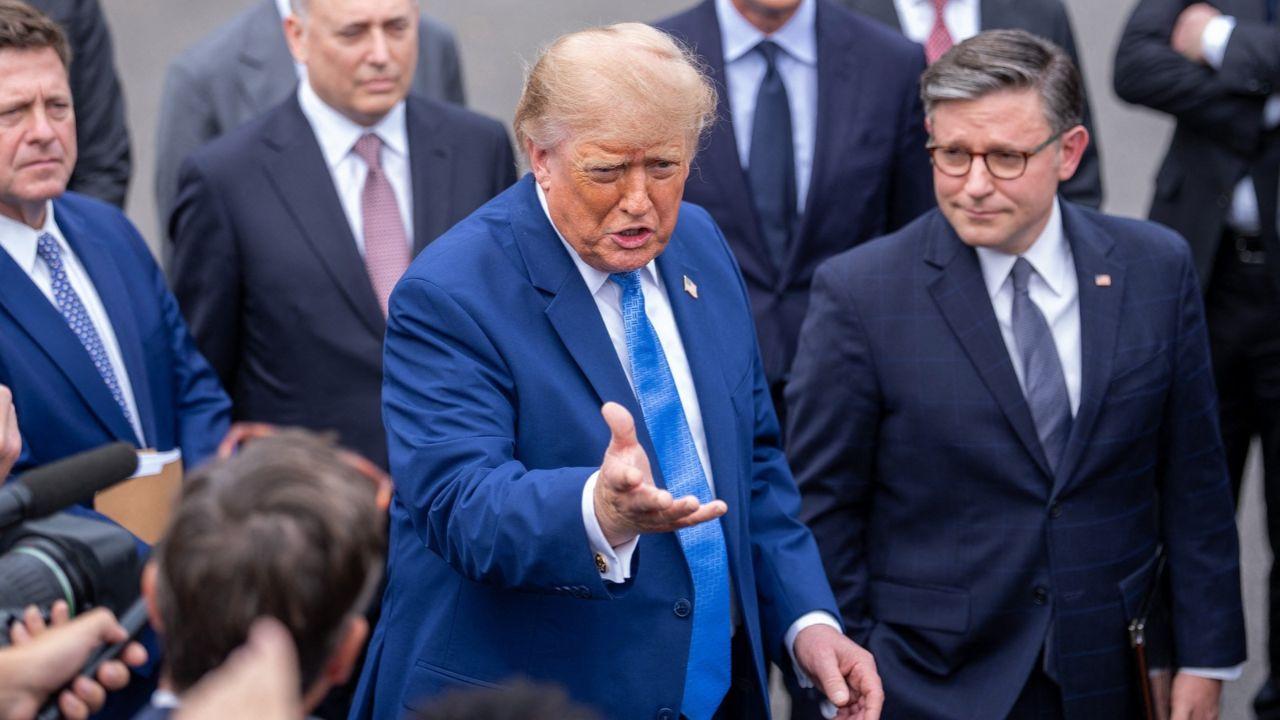
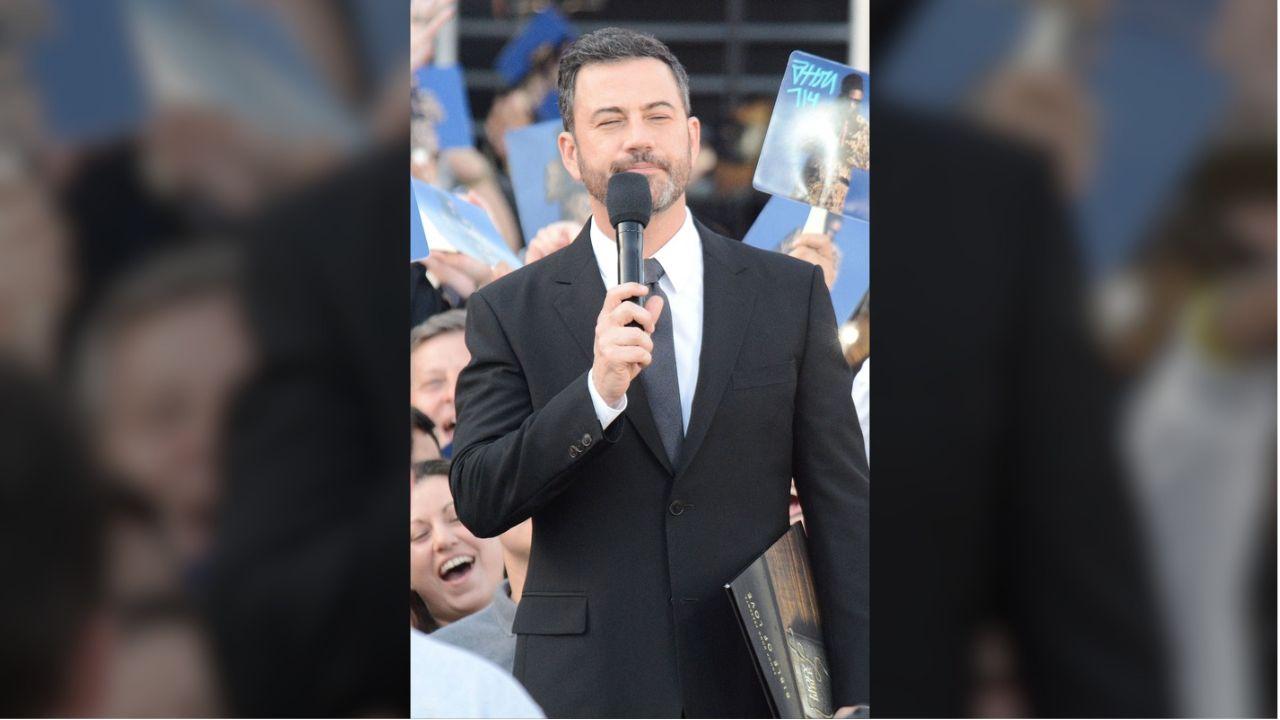
Kimmel asked why Trump would tell supporters they can’t afford to eat at his own club
Kimmel played the clip during his monologue, prompting boos from the studio audience before he questioned why Trump would make the comment to his own supporters.
"Hold on. I have a question. Why are you saying this out loud?" Kimmel said.
He then joked that Trump was effectively telling rallygoers they could not afford to eat at his club, asking, "How is that helping you?"
Kimmel also mocked the president's wealth by imagining Trump telling supporters, "Me and my friends are so rich you could never eat with us. H*ll, you probably couldn't even afford to park the car."
The host later said Trump was "completely out of touch" before adding, "When he is in touch, it's usually without consent."
What's Trump's $5,000 Dividend Plan?
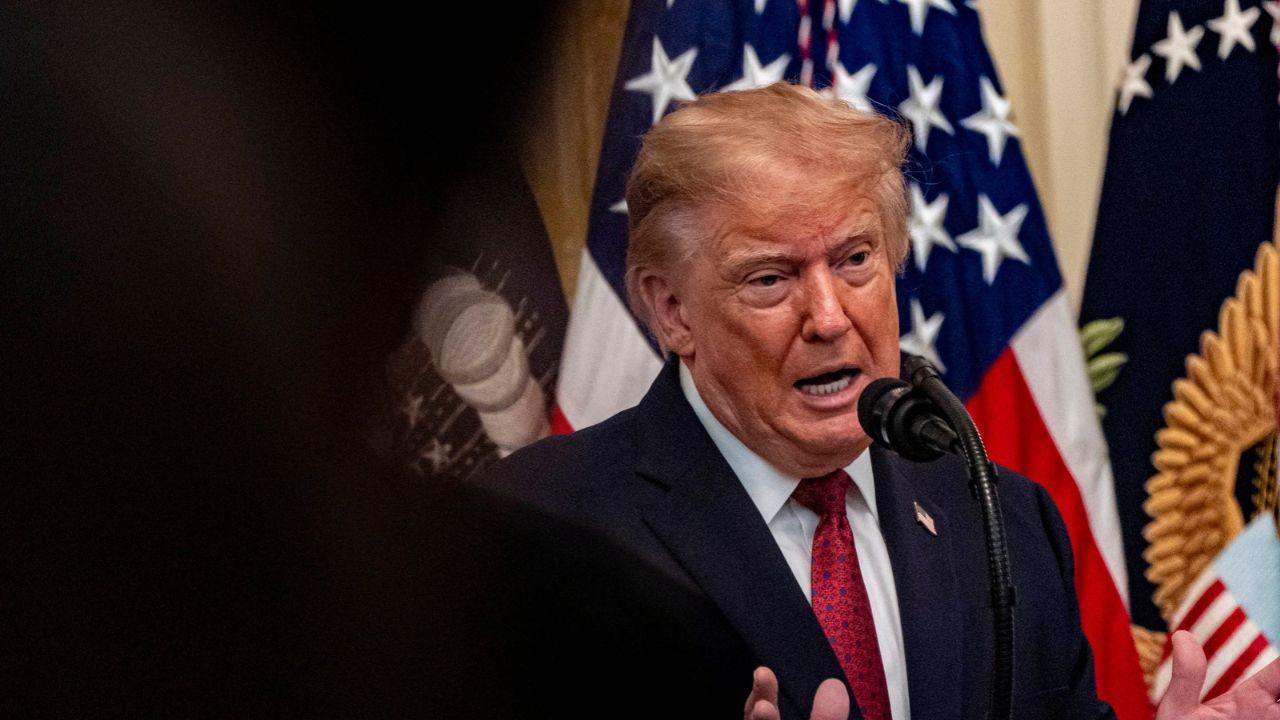
Trump has promised every adult $5,000 if Republicans keep control of Congress
Trump unveiled the proposal in September, tying the payments to Republicans maintaining control of Congress in the midterm elections.
The White House said the money would go to every adult U.S. citizen, while Trump has said the payments would be possible because of economic and trade-related revenue.
The proposal could cost more than $1 trillion. House Speaker Mike Johnson has said Congress would need to approve the payments, despite Trump previously saying he did not believe congressional authorization would be necessary.
The plan also does not yet include a detailed mechanism for distributing the money or enforcing Trump's condition that it be spent domestically.
Why Did Kimmel Call Trump Out Over the Comments?

Never Miss an

Daily updates from the heart of Hollywood, right to your inbox
By entering your email and clicking Sign Up, you’re agreeing to let us send you customized marketing messages about us and our advertising partners. You are also agreeing to our Terms of Service and Privacy Policy.
Kimmel turned Trump's plan into joke
Kimmel's joke landed as Trump and Republican candidates campaigned on economic issues ahead of the midterms.
The timing made Trump's comments about the cost of eating at his luxury club particularly notable, with affordability ranking among voters' top concerns.
For Kimmel, the Mar-a-Lago remark became another opportunity to portray Trump as disconnected from Americans focused on everyday expenses.
The proposed $5,000 payments remain just that - a proposal - and would require congressional action before Americans could receive them.
