


Jeffrey Epstein's Death Faces Fresh Scrutiny as 3 Experts Claim New Autopsy Findings Point to Murder, Not Suicide — as Financier's Brother Demands New Probe

The report was presented in London on Nov. 16, 2026.
Nov. 19 2026, Published 1:53 p.m. ET


A new forensic review has reignited questions about Jeffrey Epstein's 2019 death, with three specialists arguing that injuries documented during his autopsy are more consistent with homicidal strangulation than suicide.
The findings were presented in London on November 16 by forensic scientist Michael Freeman, Swedish forensic pathologist Anders Eriksson and cognitive scientist Itiel Dror.
The team examined autopsy records, photographs and a biomechanical reconstruction of Epstein's injuries, challenging the official conclusion that he died by suicide in a New York federal jail.
Epstein's brother, Mark Epstein, has renewed his demand for a full-scale murder investigation following the presentation. However, the new analysis has not changed the official cause-of-death ruling, and its conclusions remain disputed.
Experts Cite Neck Injuries and Signs of Struggle

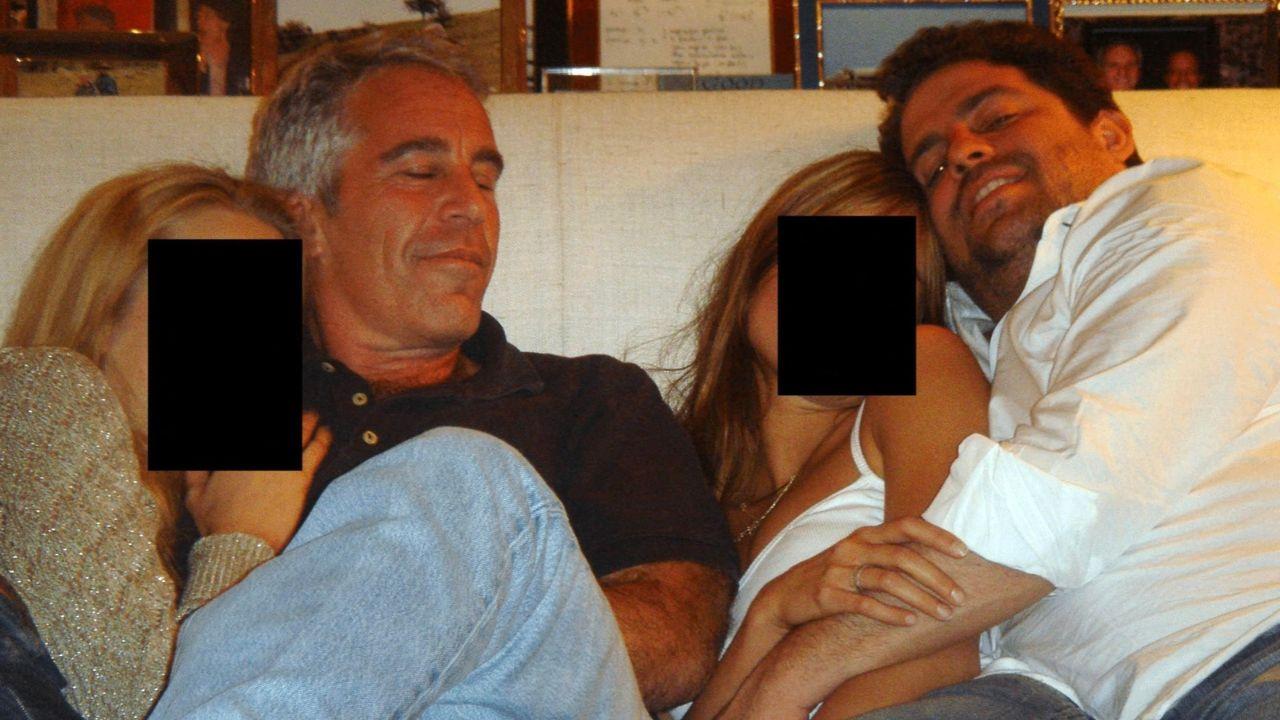
The team reviewed autopsy records, unpublished photos and a 3D biomechanical reconstruction.
The researchers argued that the injuries documented on Epstein's neck do not fit the typical pattern of a suicidal hanging.
They described the ligature marks as deep, irregular, and branching, suggesting that the injuries were more consistent with strangulation using a narrow fabric ligature.
The team also highlighted scratches above the ligature marks, facial bruising, and a deep soft-tissue hemorrhage in Epstein's left shoulder and back. According to the report, these injuries were not adequately explained by the original examination.
"The pattern, distribution, and multitude of injuries are not explained by a suicidal hanging," the report stated.
The authors proposed that Epstein may have been strangled before his body was suspended from a bedpost to make the death appear to be suicide. They also questioned the handling of the crime scene, noting that photographs were not taken of his body before it was lowered from the bunk.
However, the findings represent a reassessment of existing forensic material, not a new autopsy.
Brother Calls for Murder Investigation
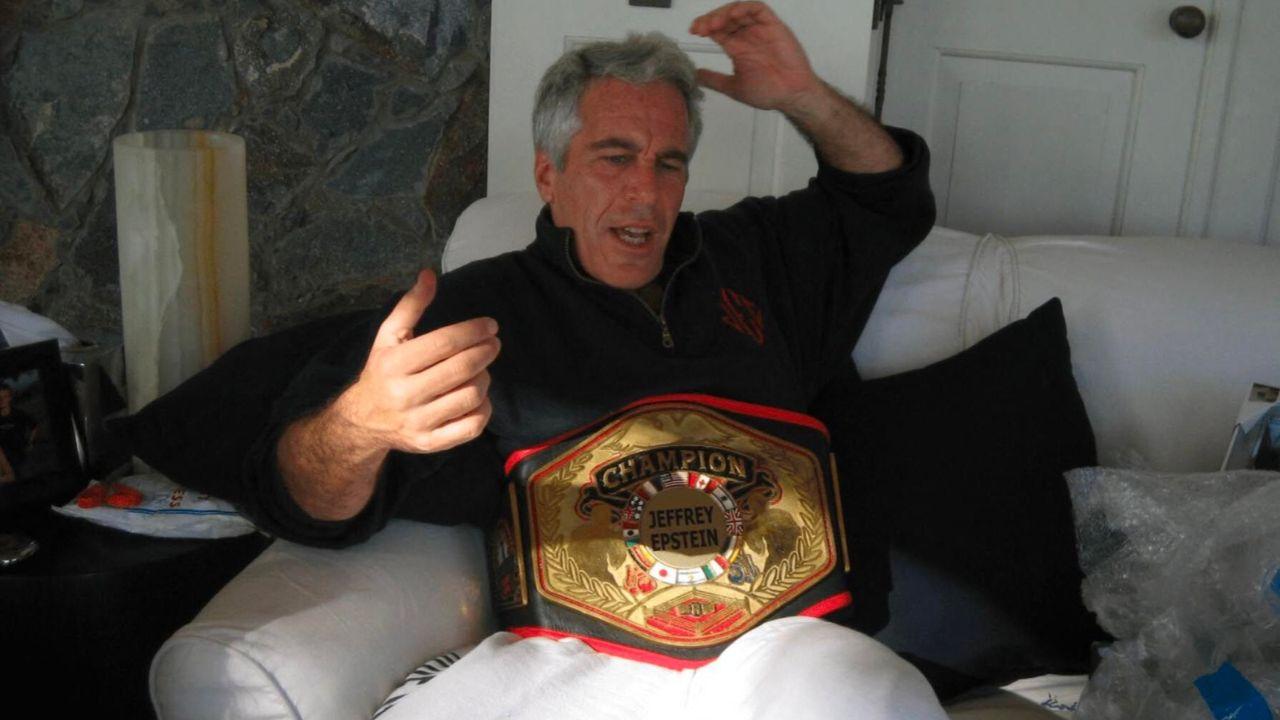
Researchers described Epstein’s neck marks as deep, ragged and Y-shaped.
Mark Epstein, who supplied autopsy materials and photographs for the review, has maintained that his brother did not take his own life.
Following the presentation, he renewed his demand for a full-scale murder investigation, arguing that the new findings support his long-standing position.
The researchers also raised concerns about the original investigation, including the absence of photographs documenting Epstein's body in its original position and questions about whether all available forensic evidence was properly examined.
Their conclusions, however, have not established that another person was involved in Epstein's death.
Medical Examiner Stands by Suicide Ruling
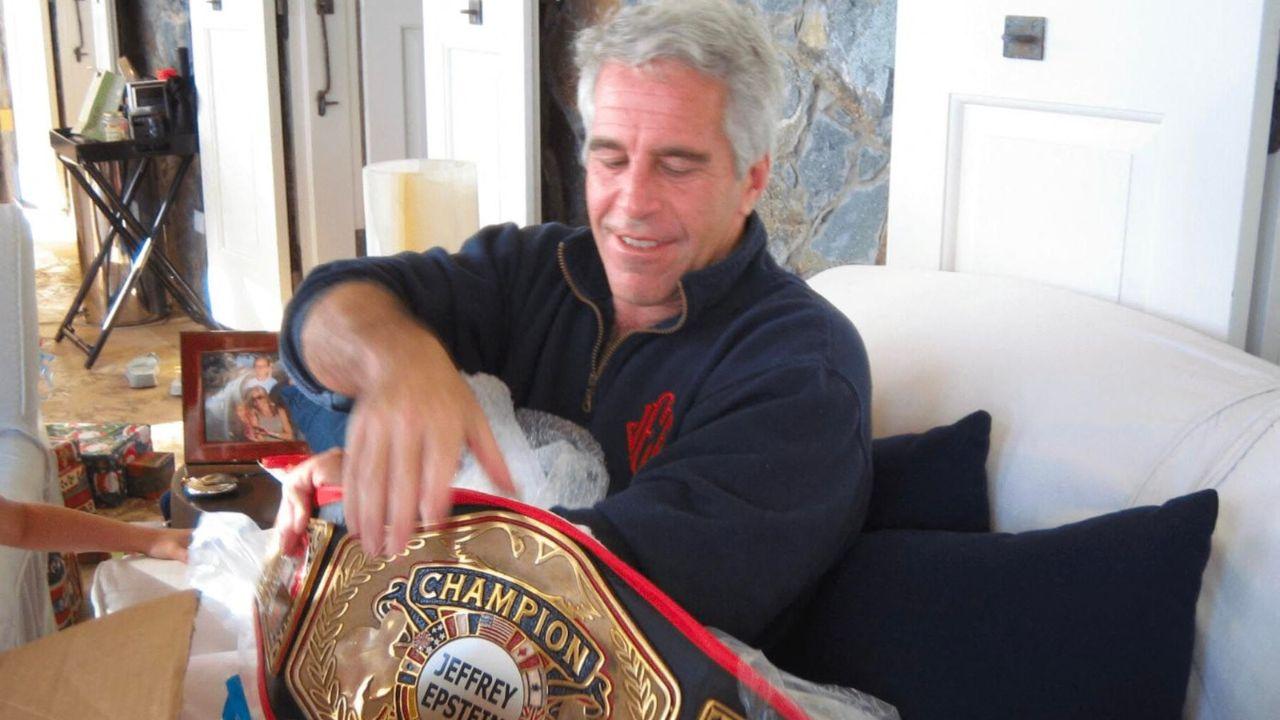
The report cites scratches, facial bruising and shoulder and back hemorrhaging.
The New York City Office of Chief Medical Examiner has not changed its position. A spokesperson told CNN that the office "stands by its determination" that Epstein died by suicide by hanging.
Freeman acknowledged that the new analysis has not undergone peer review. He also said an academic journal previously rejected the report, although he plans to resubmit it.

Jail Failures Fueled Long-Running Doubts

Never Miss an

Daily updates from the heart of Hollywood, right to your inbox
By entering your email and clicking Sign Up, you’re agreeing to let us send you customized marketing messages about us and our advertising partners. You are also agreeing to our Terms of Service and Privacy Policy.

The experts theorized Epstein may have been strangled and then suspended from a bedpost.
Epstein was found dead on August 10, 2019, inside the Metropolitan Correctional Center in Manhattan. The convicted s-x offender was awaiting federal trial on s-x-trafficking charges involving underage girls.
His death prompted widespread scrutiny of the prison's security failures. A 2023 Justice Department inspector general report documented serious misconduct, including missed inmate checks, falsified records, staffing problems, and malfunctioning surveillance equipment.
However, the watchdog found no evidence contradicting the FBI's determination that there was no criminality connected to Epstein's death. Investigators also found no evidence that anyone entered his housing unit during the relevant overnight period.
The latest forensic review has reopened debate over the physical evidence, but the official finding of suicide remains unchanged.
