


Charlie Kirk's Accused Assassin Tyler Robinson Shouldn't Face Death Penalty Because Shooting 'Didn't Endanger Others,' Defense Claims

Tyler Robinson's attorneys want to eliminate the possibility of the death penalty at his trial.

Aug. 12 2026, Published 4:00 p.m. ET


Tyler Robinson's lawyers say the death penalty should be off the table in his upcoming trial for allegedly killing Charlie Kirk, RadarOnline.com can report.
Defense attorneys are now arguing prosecutors have not proven that others who attended the conservative commentators' event at Utah Valley University on September 10 were endangered by the shooting — a key element needed to charge him with aggravated murder.
Prosecutors Must Provide an 'Aggravating Factor' for the Death Penalty

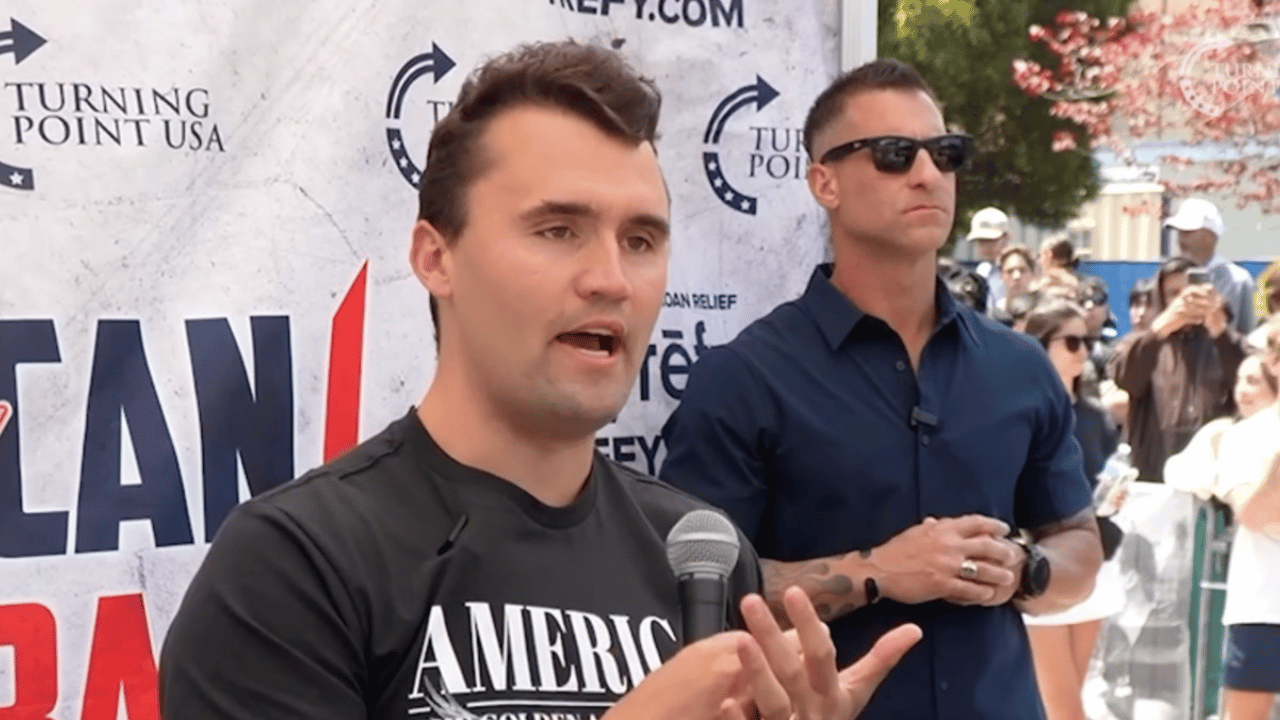
Kirk was hosting a rally at a Utah college when he was shot and killed.
Robinson's high-priced lawyers issued a response Tuesday night to the state's official memorandum urging Judge Tony Graf to send the case to trial, firing back at many of the prosecutor's top arguments.
In their brief, Robinson’s attorneys argued prosecutors presented no evidence that he knew his alleged actions would create "a great risk of death" to anyone besides the 31-year-old.
In Utah, not every homicide is automatically a capital crime. Prosecutors must show the killing was especially egregious and prove there was an "aggravating factor" in play as well.
Tyler Robinson's Lawyers Argue Charlie Kirk Was the Lone Target
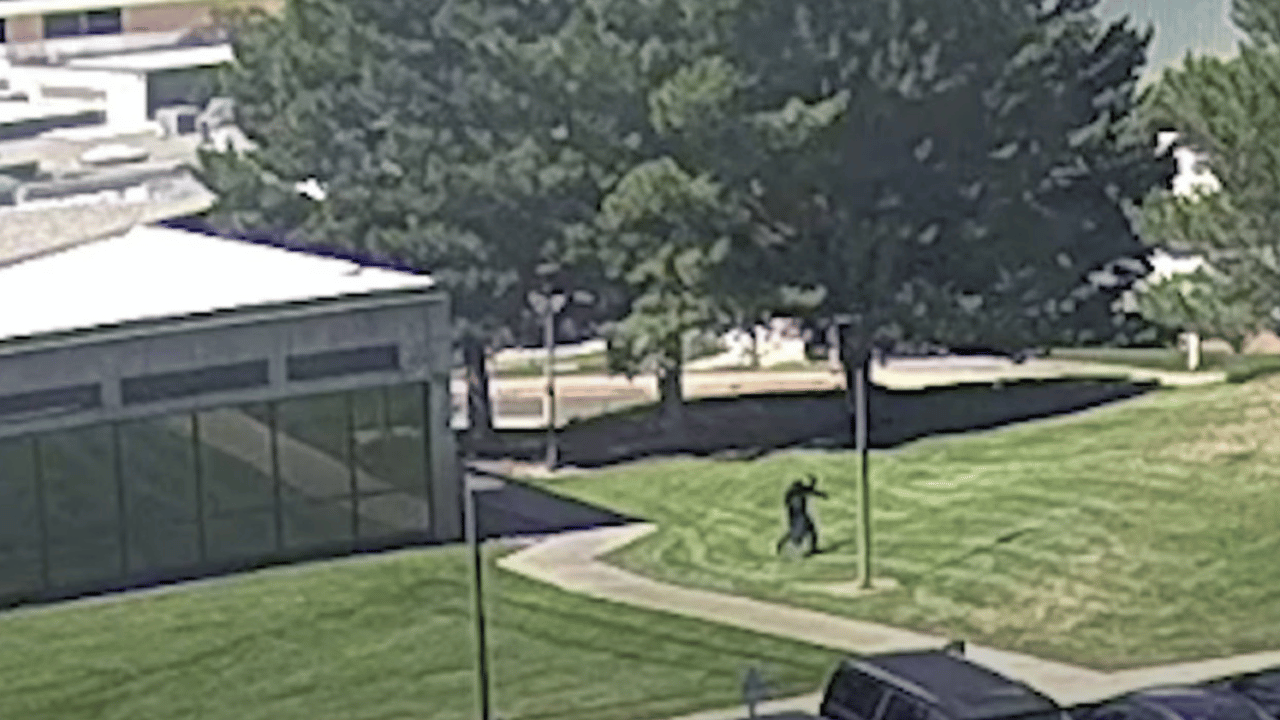
Robinson's attorneys argued the only person in any danger was Kirk.
For Kirk's killing, prosecutors have argued the aggravating factor was that Robinson put others at risk when he allegedly fired at the popular podcaster in the middle of a packed, public college quad.
But the 23-year-old's attorneys countered that prosecutors need to show more than just a "possibility" of someone else getting hurt, arguing the fatal bullet was headed in only one direction.
"The bullet that struck and killed Mr. Kirk was not fired in an enclosed bedroom or space but rather, an open-air arena with what the State’s witnesses termed, 'a clear line of sight,'" the brief reads. "There were no threats to others in the course of conduct. There was no one 'directly' next to Mr. Kirk when he was shot, and there was no one under the tent on the side that Mr. Kirk was struck or behind him in the breezeway."
Tyler Robinson Brought Extra Ammo 'In Case He Missed' His Target, Prosecutors Say
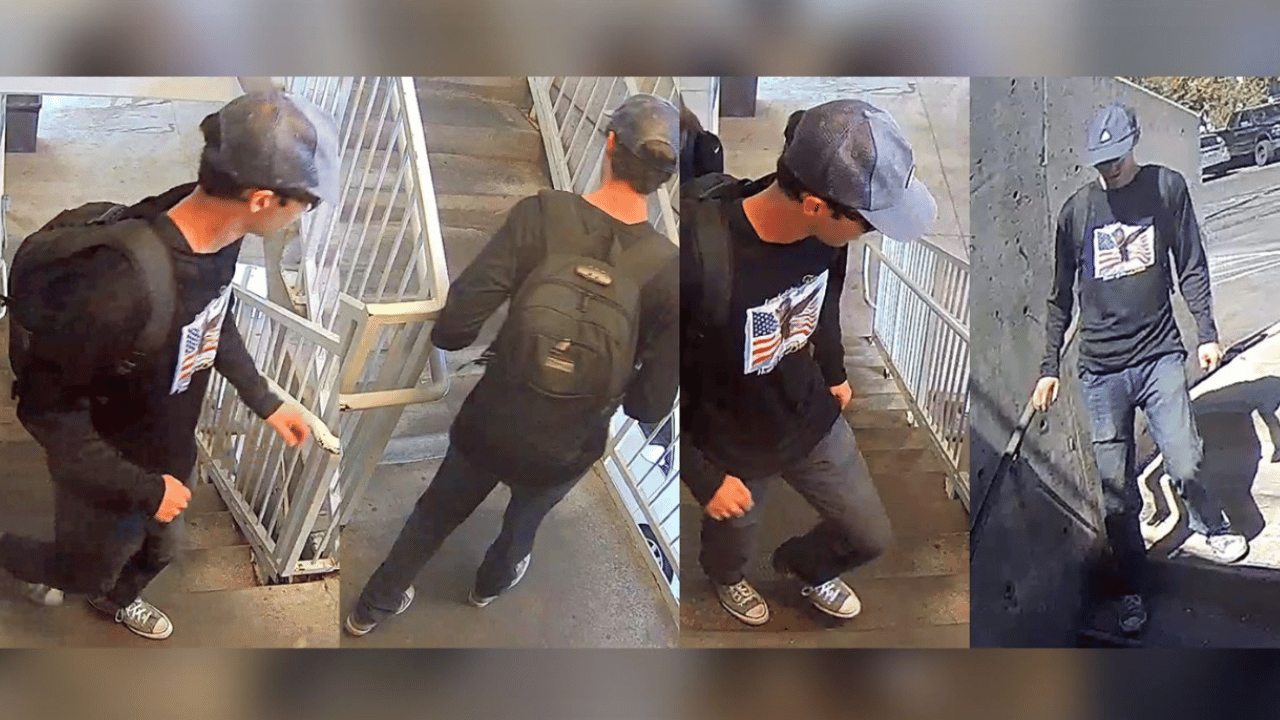
Prosecutors contend Robinson put the entire packed crowd in danger.
Prosecutors argued in their initial brief that the fact Robinson allegedly had four rounds locked and loaded into a shotgun showed he wasn't confident his first attempt would be successful.
"The evidence also demonstrates that Defendant was not certain to hit only his target, Mr. Kirk," the memorandum states. "Defendant loaded his rifle with four cartridges, creating a reasonable inference that he anticipated that his first shot might miss."
"Evidence of Defendant’s target practice before the shooting shows that he did not always hit the bullseye," the document reads. "Indeed, some of his shots completely missed the paper target."
Tyler Robinson's Attorneys Have Tried to Remove the Death Penalty Before

Never Miss an

Daily updates from the heart of Hollywood, right to your inbox
By entering your email and clicking Sign Up, you’re agreeing to let us send you customized marketing messages about us and our advertising partners. You are also agreeing to our Terms of Service and Privacy Policy.
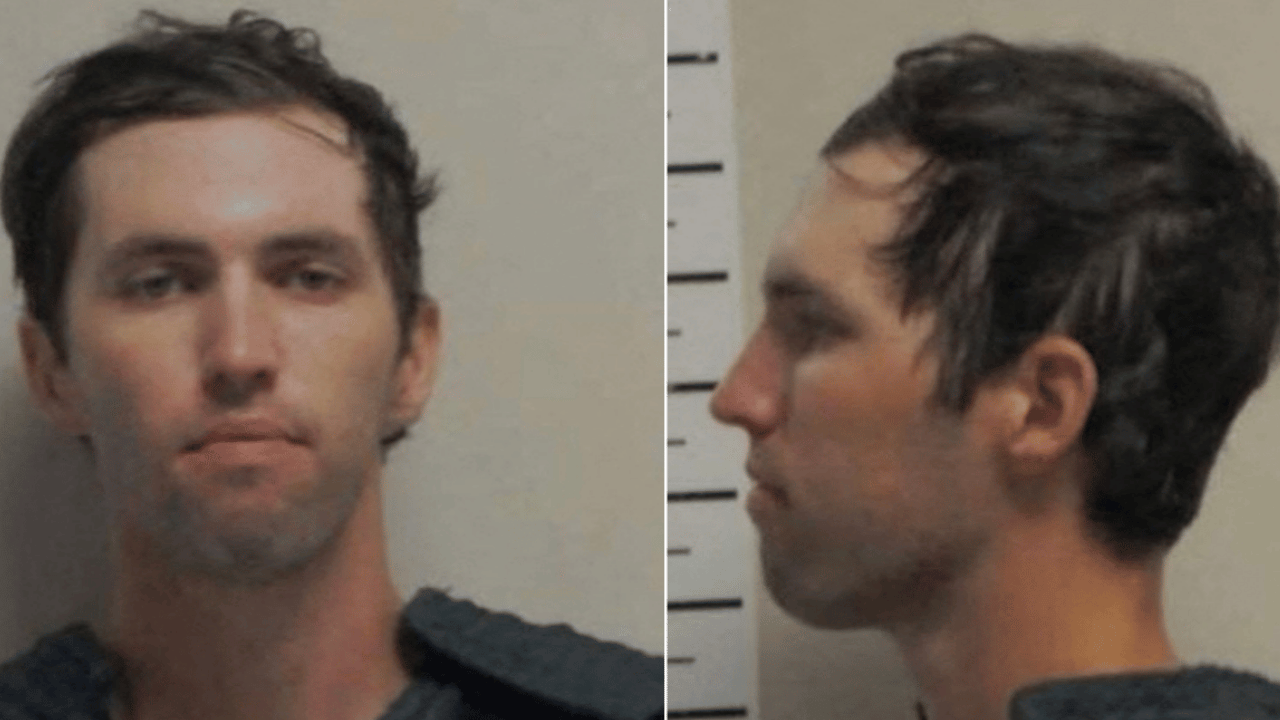
Robinson's attorneys have fought before to drop the death penalty possibility.
Robinson's defense has tried before to remove the option of the death penalty, asking Graf to do so in June as punishment after one of the Utah County prosecutors embarked on what they labeled a "media blitz" that could have tainted the jury pool.
While Graf declined the request, he did hold Deputy Utah County Attorney Christopher Ballard in contempt for openly discussing claims the bullet used to kill the conservative commentator did not match Robinson's rifle.
Ballard insisted he only spoke to the media to correct the defense's "mischaracterization of bullet evidence," which he argued fueled questions and speculation that their case was flawed.
"My concern is that it would feed the idea the state did not have sufficient evidence in the case," Ballard said. "This was a significant issue, and we needed to figure out how to respond to that."
Graf agreed that prosecutors were allowed to correct the public record regarding the ATF findings; however, he did rule that Ballard crossed the line when he publicly stated there was "ample evidence" proving Robinson's guilt.
