


'American Idol' Alum Caleb Flynn Faces New Legal Battle Over Wife's $100K Life Insurance Payout After Murder Conviction

The policy was issued in March 2016 and named Caleb Flynn as its sole beneficiary.
Nov. 11 2026, Published 2:51 p.m. ET


Banner Life Insurance Company has asked a federal judge to determine who should receive the life insurance proceeds belonging to Ashley Flynn after her husband, former "American Idol" contestant Caleb Flynn, was convicted of murdering her.
The insurer filed an interpleader lawsuit in federal court in Ohio on Nov. 10, asking a judge to resolve competing potential claims to the money. Caleb was originally named as the policy's sole beneficiary, but his murder conviction prevents him from collecting the payout under Ohio law.
The legal dispute could leave Ashley's family members and the couple's two daughters among those seeking the proceeds, with the court now responsible for determining who is legally entitled to the funds.
Policy Named Caleb Flynn As Sole Beneficiary

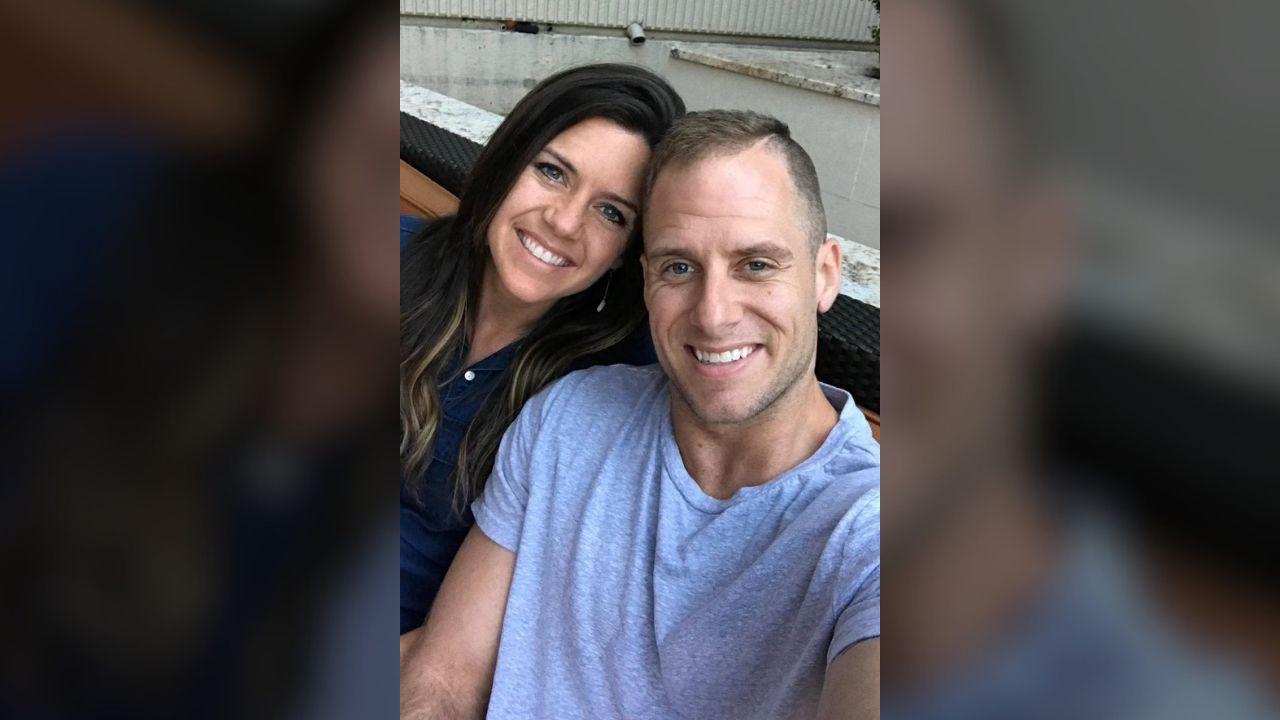
Banner Life says the proceeds, including interest and premium refunds, total $100,759.77.
Banner Life Insurance issued Ashley's policy in March 2016, naming Caleb as both the policy owner and sole beneficiary, according to the lawsuit. No alternate beneficiary was identified in the policy documents.
The insurer is seeking a judicial decision because several people may have a potential claim to the proceeds. Rather than choose a recipient itself, Banner wants the court to determine how the money should be distributed.
The lawsuit identifies Caleb, his parents and brother, Ashley's parents and siblings, and the couple's two daughters as potential interested parties.
Ashley's sister has also contacted the insurer about claiming the money, according to the court filing. She reportedly told Banner that she had been appointed emergency custodian of the girls.
Ohio Law Bars Convicted Killers From Collecting
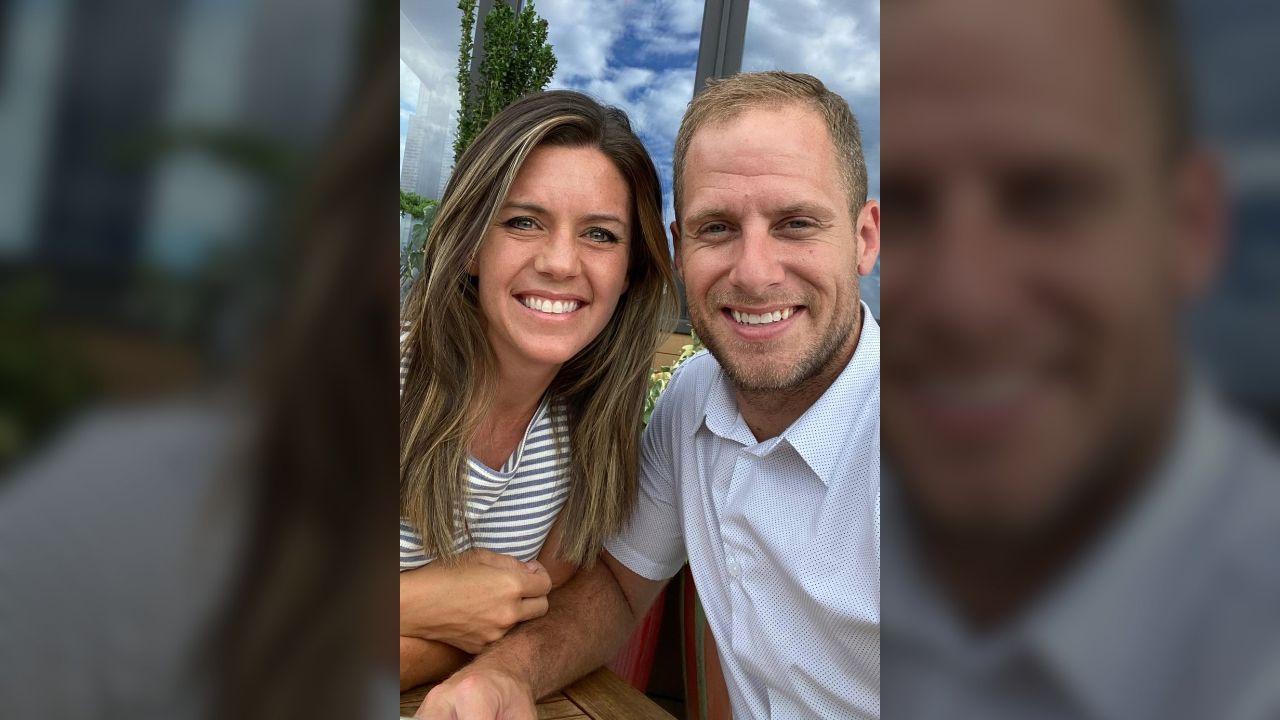
Ohio’s slayer statute bars people convicted of killing an insured person from collecting the policy’s proceeds.
Ohio's slayer statute, Section 2105.19 of the Ohio Revised Code, prohibits anyone convicted of murder from financially benefiting from the victim's death.
The law specifically covers life insurance proceeds and requires the money to be distributed as though the person responsible for the death had died before the victim.
Because Caleb was convicted of aggravated murder and murder, he is barred from receiving Ashley's insurance payout.
However, that does not automatically establish which surviving family member should receive the money. The court must determine who qualifies under the applicable law and the circumstances surrounding the policy.
Banner's lawsuit is intended to prevent the company from facing multiple claims or the possibility of paying the same benefits to more than one party.
Families and Daughters Named In Lawsuit
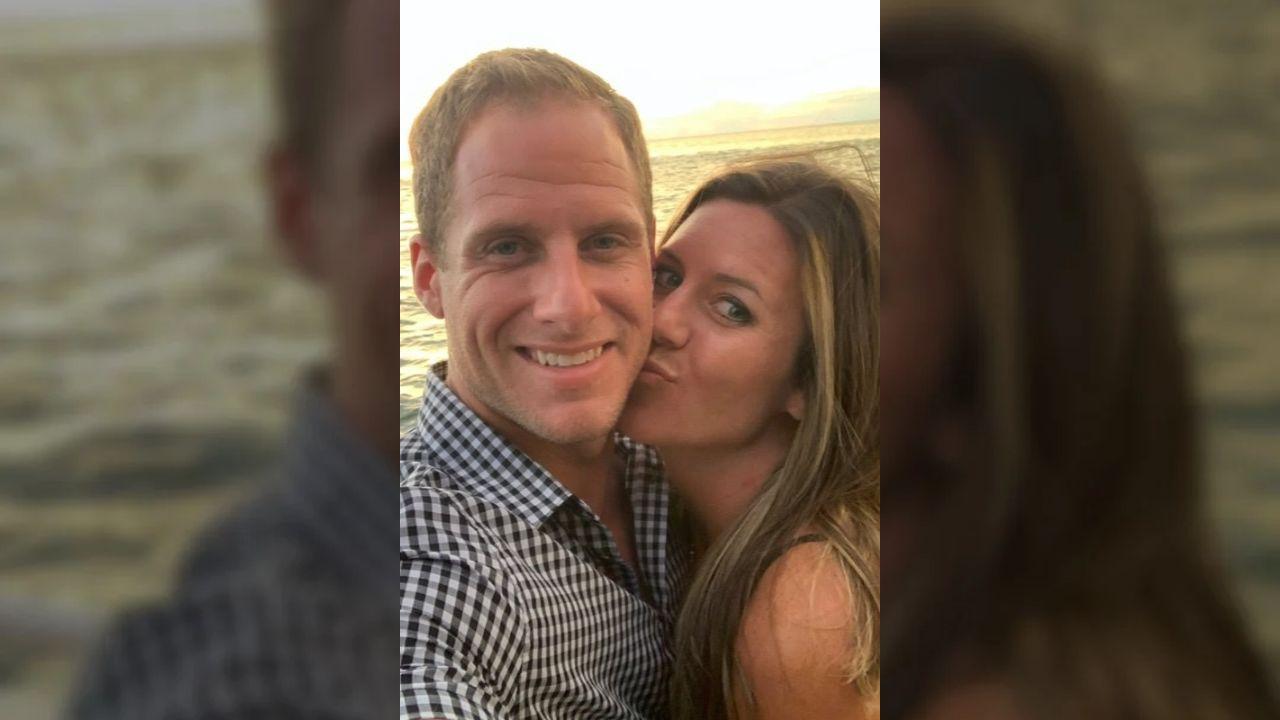
The lawsuit names relatives on both sides of the family and the couple’s two daughters as potential claimants.
The potential claimants include relatives on both sides of the family, as well as Ashley and Caleb's two daughters. Banner has not accused any of the named family members of wrongdoing.
According to Court TV's report on the filing, Ashley's sister contacted the insurer after her death and expressed an intention to claim the proceeds. Her appointment as the children's emergency custodian was cited as the basis for her potential interest in the money.
The insurer has asked the court to allow the proceeds to be held by the court clerk while the competing claims are resolved. Banner has said it does not favor one potential recipient over another.
The eventual decision will determine which eligible claimant, if any, receives the money.


Murder Case Ended In Life Sentence

Never Miss an

Daily updates from the heart of Hollywood, right to your inbox
By entering your email and clicking Sign Up, you’re agreeing to let us send you customized marketing messages about us and our advertising partners. You are also agreeing to our Terms of Service and Privacy Policy.

Caleb Flynn was sentenced to life without parole, plus 16 years, after his conviction for Ashley’s murder.
Caleb was sentenced on Oct. 5 after a Miami County jury found him guilty of aggravated murder, murder, felonious assault, and tampering with evidence. His punishment includes life in prison without the possibility of parole, along with an additional 16 years for firearm specifications and evidence-tampering convictions.
Prosecutors argued that Caleb shot Ashley twice in the back of the head while she was sleeping at their Tipp City, Ohio, home on Feb. 16, 2026. They also presented evidence that he staged the scene to make it appear that an intruder had broken into the house.
Caleb maintained his innocence during sentencing, telling the court that he did not kill his wife.
The couple's daughters also addressed their father's actions in victim-impact statements. One daughter said she would not visit him in prison, while the other spoke about the pain of losing her mother.
The insurance case is separate from Caleb's criminal proceedings. Its focus is the distribution of Ashley's policy benefits, not his conviction or prison sentence.
