


Trump's ICE Training Scandal Exposed as Recruits Were Allowed to Complete Monthlong Course in Less Than a Day

New ICE officers hired under Trump's deportation push completed their training in a day
Nov. 21 2026, Published 1:57 p.m. ET


A draft government watchdog report has revealed serious problems with Immigration and Customs Enforcement's (ICE) training program, finding that thousands of recruits hired during President Donald Trump's immigration crackdown were allowed to bypass traditional instruction and complete online coursework in a matter of hours.
The New York Times obtained the 19-page draft from the Department of Homeland Security's Office of Inspector General and reported on it November 20.
It examines changes made during former Homeland Security Secretary Kristi Noem's tenure as the administration rushed to expand its deportation force.
Although the report has not been finalized or publicly released, its findings raise questions about how prepared officers were when they entered the field. One instructor reportedly described the changes as a "catastrophic failure."
Watchdog Report Details Problems With ICE's Rapid Hiring Push


A new report opened up on a plan to hire thousands of hire under ex Homeland Security Secretary Kristi Noem
The investigation examined ICE's efforts to recruit about 10,000 additional officers under Noem, following a major expansion of immigration enforcement funding.
According to the draft, the department relaxed several training requirements to speed up recruitment and deployment. The changes affected both experienced law enforcement recruits and applicants without previous policing backgrounds.
The watchdog's findings suggest that restoring the original training requirements did not automatically resolve problems involving officers who had already completed the shortened programs.
Recruits Completed Basic Training in Hours Instead of Weeks
The new ICE officers finished 80% of the course within ten days in less than 24 hours
The most striking finding involved more than 3,500 recruits with prior law enforcement experience. Rather than attending the traditional month-long, in-person program, they were permitted to complete their basic instruction virtually.
The draft found that more than 80% finished the online coursework within 10 days. More than 10% completed it in less than 24 hours, while at least five recruits reportedly finished in approximately two hours.
The report also identified problems with testing requirements. ICE removed a rule limiting recruits to two attempts at a training exam, allowing unlimited retakes. One recruit reportedly took the test 32 times before passing.
The watchdog also raised concerns about whether recruits were absorbing the material. According to the reported findings, some students moved through online modules without fully engaging with the instruction.
Thousands of ICE Officers Received Reduced Training
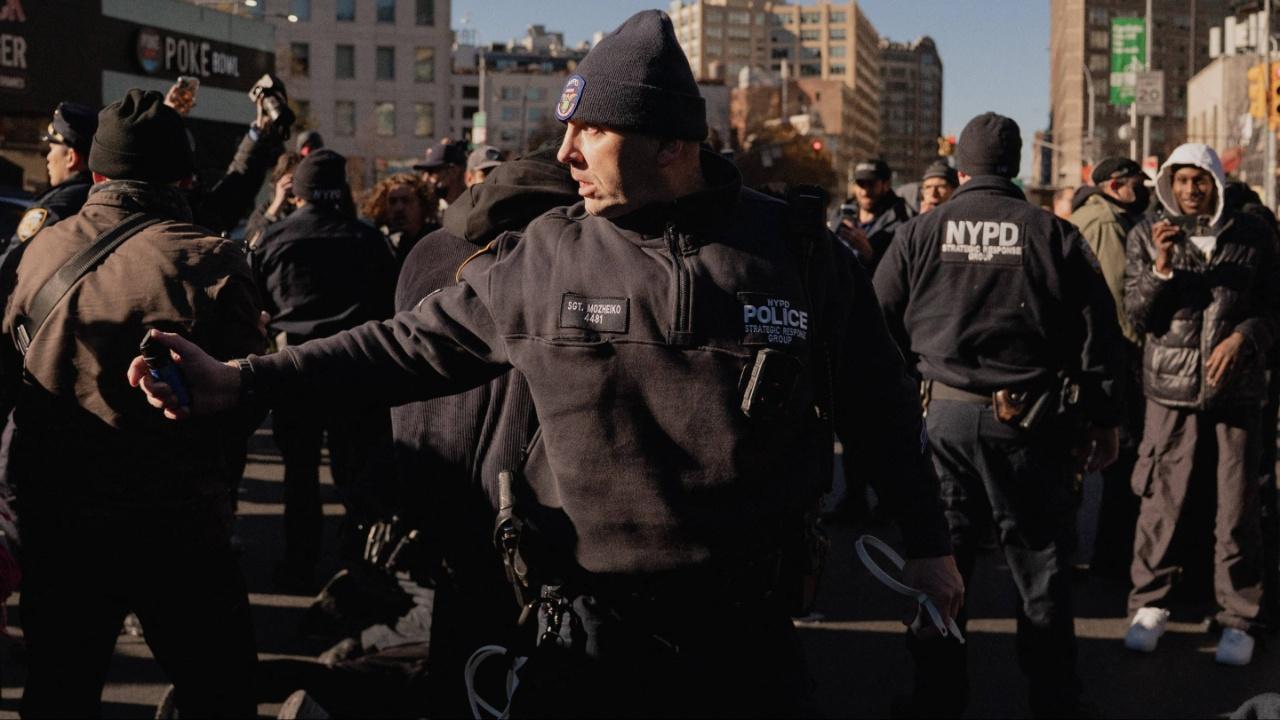
Thousands of ICE officers went through a sharply reduced model
The changes extended beyond recruits with previous law enforcement experience. According to the draft, nearly 6,000 officers completed a reduced training program between August 2025 and July 2026.
More than 2,000 recruits without law enforcement backgrounds were affected. Their instruction was reduced from 543 hours to approximately 300 hours, while the academy program was shortened from 72 days to 42 days.
The cuts affected several important areas of law enforcement preparation, including firearms instruction, arrest procedures, driving techniques, and determining citizenship.
The findings add context to earlier criticism of ICE's accelerated hiring program. In February, former ICE lawyer and instructor Ryan Schwank described the training system as "deficient, defective and broken."
DHS and ICE rejected claims that essential training had been eliminated, arguing that the revised program still covered firearms, de-escalation, and constitutional requirements.


DHS Says Training Standards Were Restored Under Mullin

Never Miss an

Daily updates from the heart of Hollywood, right to your inbox
By entering your email and clicking Sign Up, you’re agreeing to let us send you customized marketing messages about us and our advertising partners. You are also agreeing to our Terms of Service and Privacy Policy.
DHS claimed that officers receiving extra training and new hires had law enforcement backgrounds
Current Homeland Security Secretary Markwayne Mullin has since moved to reverse the changes introduced under Noem.
During a June 3 congressional hearing, Mullin announced that ICE would return to its standard 72-day training program beginning July 1. He said the department had rewritten the curriculum to restore regular requirements.
Mullin addressed the issue again during a House Homeland Security Committee hearing on November 18.
He told lawmakers that officers currently working in the field had completed their background checks, while some employees remained on administrative leave pending final checks. He also addressed the requirement for officers to complete the full training program.
However, the watchdog's draft suggests that reinstating the original standards has not resolved every problem created during the hiring surge.
Importantly, the report does not establish that the reduced training caused any particular incident involving ICE officers. Its central concern is how the agency implemented the accelerated program and whether recruits received adequate preparation before entering the field.
DHS has defended its training efforts, pointing to recruits' previous law enforcement experience and additional instruction provided to officers.
The draft report remains preliminary, meaning its findings could change before the inspector general issues a finalized version.
