


Trump Returns to Court to Fight Hush Money Conviction Just Days After Republicans' Midterm Rout

Donald Trump's legal team is seeking to throw out his hush money conviction
Nov. 5 2026, Published 2:50 p.m. ET


President Donald Trump's lawyers appeared before a New York appeals court on Thursday, November 5, seeking to overturn his hush money conviction on 34 felony counts.
The hearing came just two days after Democrats scored major midterm victories, taking control of both the House and Senate from Republicans.
Trump did not attend the Manhattan court session. Instead, his legal team faced a five-judge panel of the Appellate Division, First Department, in another attempt to erase the historic verdict.
The appeal gives Trump another opportunity to challenge the conviction, which has remained on his record despite his return to the White House in January 2025.
The Hearing In Manhattan

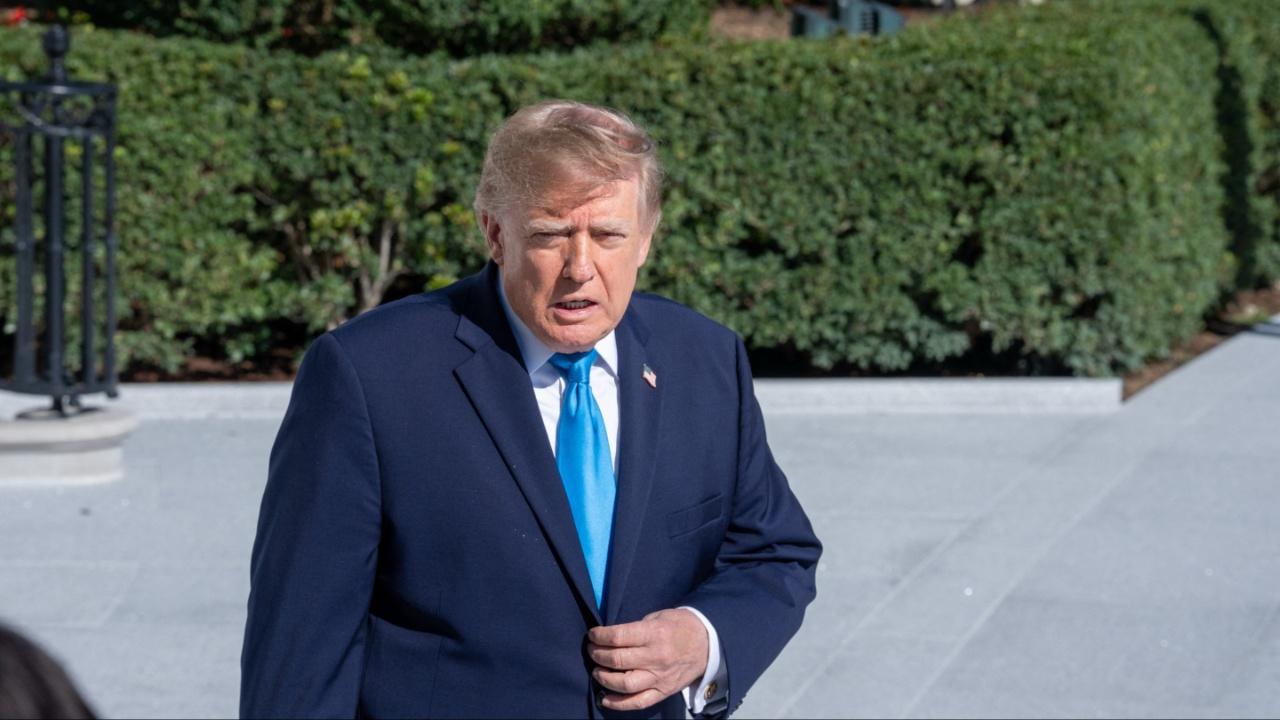
Donald Trump needs a majority of the five judges to prevail
Trump's attorneys urged the judges to overturn the conviction, arguing that the prosecution relied on a flawed legal theory and improperly used evidence from his first presidential term.
Manhattan District Attorney Alvin Bragg's office defended the verdict, maintaining that prosecutors had presented sufficient evidence and that presidential immunity did not apply to Trump's alleged conduct.
Both sides were given 15 minutes to present their arguments. Trump needs a majority of the five judges to rule in his favor.
The panel did not issue an immediate decision. The case could eventually reach New York's highest court, the Court of Appeals, although further review is not automatic.
What The Case Was About
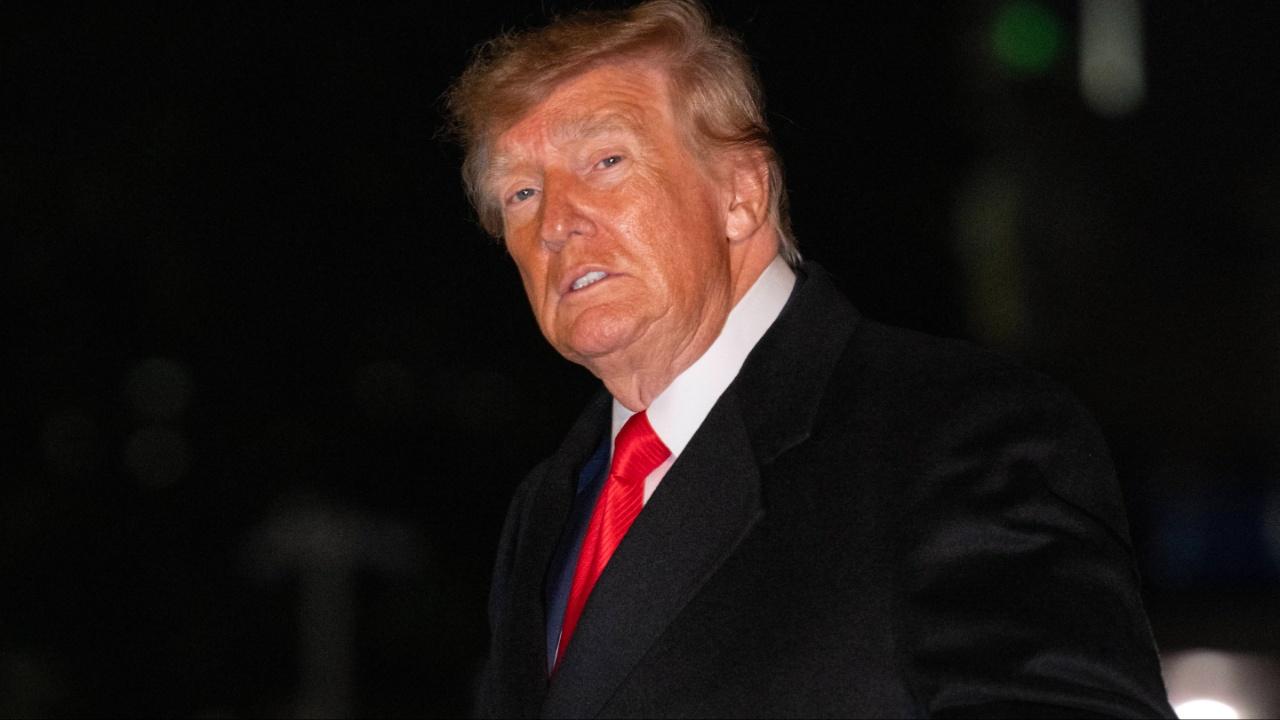
Prosecutors alleged that Trump falsified records tied to reimbursements to Michael Cohen
A Manhattan jury found Trump guilty in May 2024 on all 34 felony counts of falsifying business records. The charges centered on payments made to reimburse his former attorney, Michael Cohen, for a $130,000 payment to adult film performer Stormy Daniels.
Cohen paid Daniels shortly before the 2016 presidential election. Prosecutors alleged the money was intended to prevent her from publicly discussing an alleged sexual encounter with Trump years earlier. Trump has denied that the encounter happened.
The reimbursements were recorded as legal expenses in 2017. Prosecutors argued that the records concealed the true purpose of the payments and helped hide an alleged effort to influence the election.
Under New York law, falsifying business records becomes a felony when done with the intent to commit or conceal another crime.
The verdict made Trump the first former U.S. president convicted of a crime. After winning the 2024 election, he received an unconditional discharge in January 2025, meaning he faced no prison time, fine, or probation. However, the conviction remained.
What Trump's Team Is Arguing
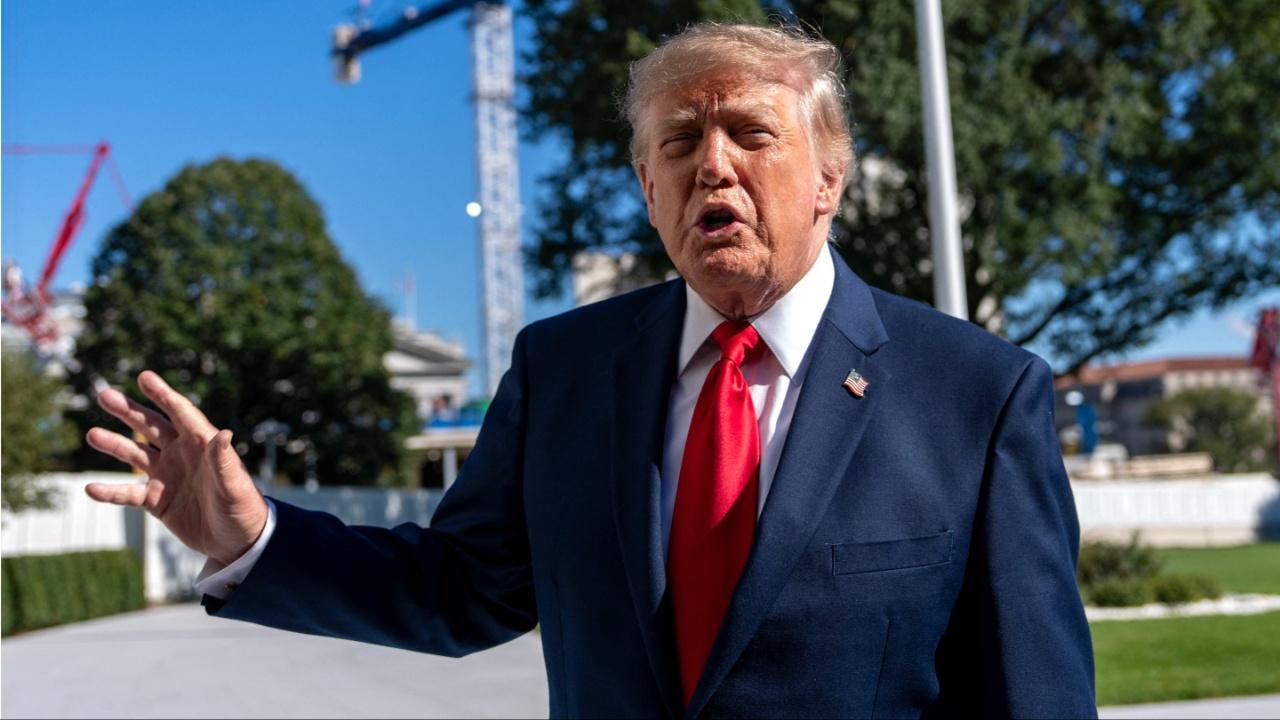
Donald Trump's legal team challenged the legal theory used by prosecutors
Trump's lawyers have repeatedly described the prosecution as politically motivated, accusing Bragg, a Democrat, of pursuing the case under political pressure while Trump was the leading Republican presidential candidate.
They have also challenged the prosecution's legal theory, calling it a "house of cards" built on an improper combination of alleged state and federal offenses.
The defense has questioned whether prosecutors established the required intent and presented sufficient evidence to support the charges.
Another major part of the appeal concerns evidence jurors heard about Trump's first administration.
His attorneys argue that testimony about White House discussions, including conversations with former aides, and his social media posts should not have been admitted because they involved conduct protected by presidential immunity.
Bragg's office disagrees, arguing that the evidence was admissible and that the alleged conduct underlying the criminal charges was personal rather than presidential. Prosecutors have also maintained that substantial evidence supported the jury's decision.
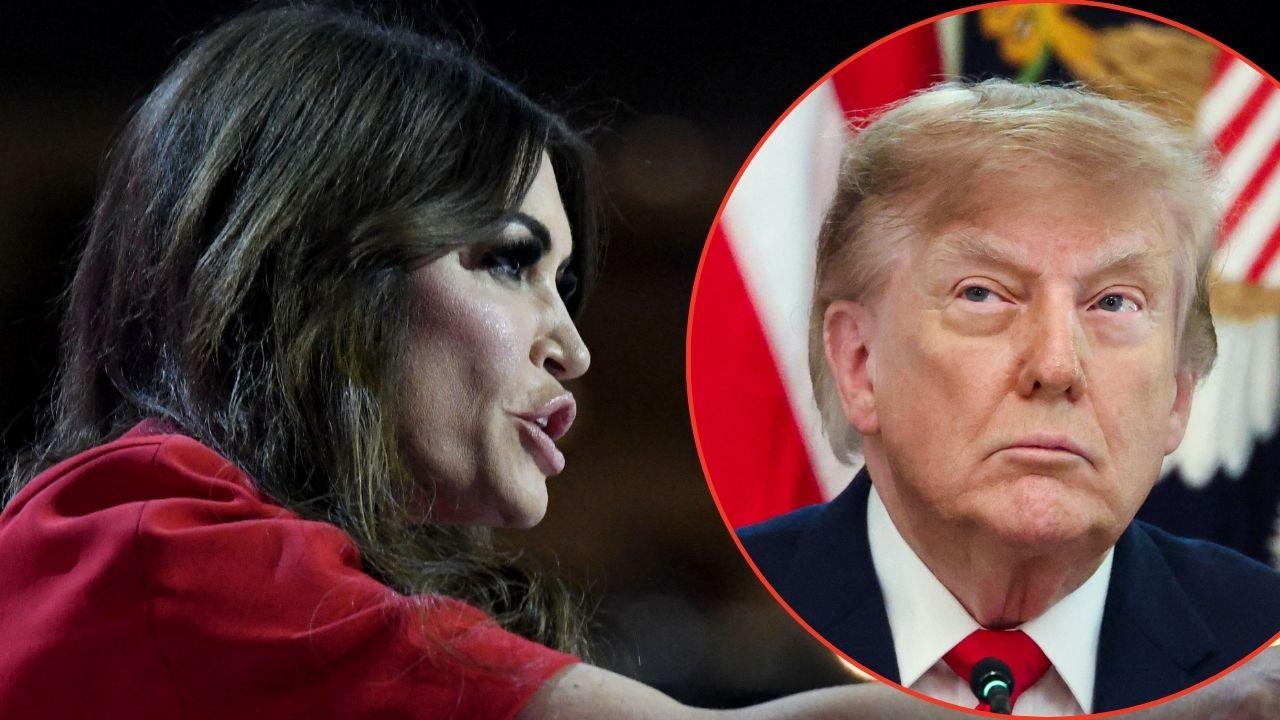
Why The Timing Matters

Never Miss an

Daily updates from the heart of Hollywood, right to your inbox
By entering your email and clicking Sign Up, you’re agreeing to let us send you customized marketing messages about us and our advertising partners. You are also agreeing to our Terms of Service and Privacy Policy.
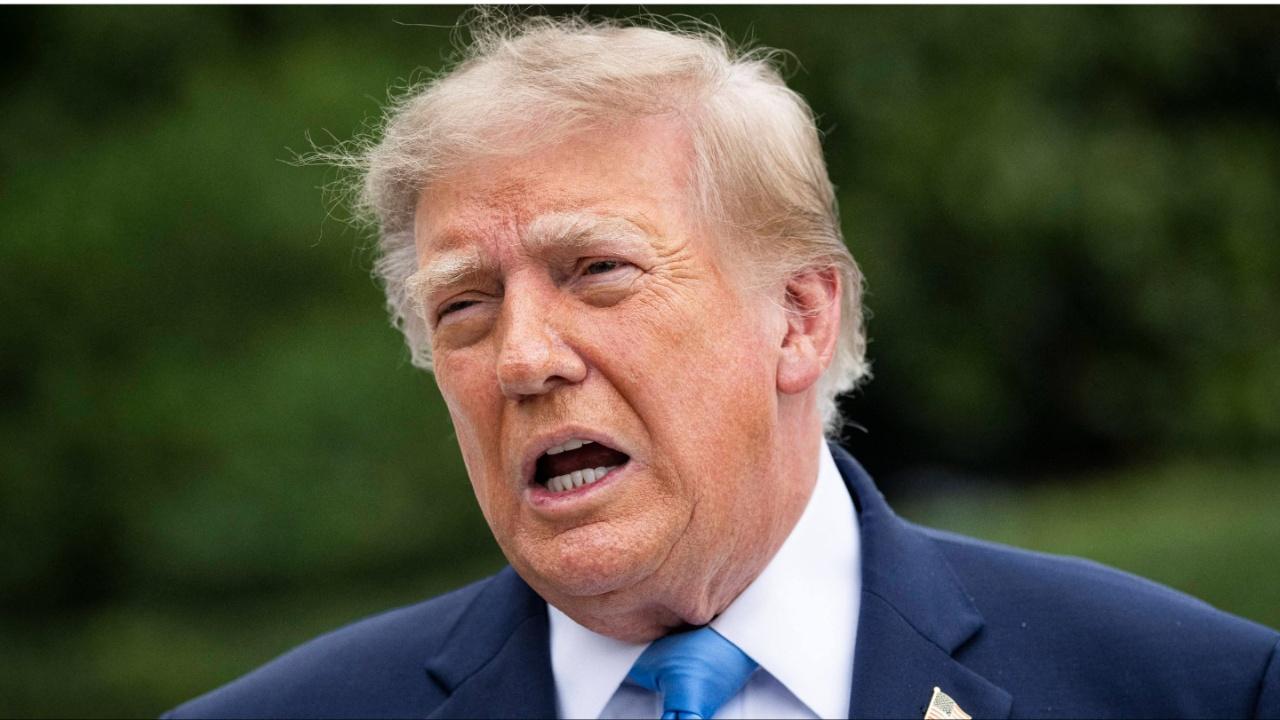
Donald Trump tried to move the case to federal court and dismiss it on immunity grounds
The New York appeal is unfolding alongside a separate federal legal battle. Trump has also tried to move the case to federal court and have the conviction dismissed based on presidential immunity.
U.S. District Judge Alvin Hellerstein rejected that effort for the third time in August, ruling that Trump's latest attempt to transfer the case came too late. His legal team appealed that decision, with arguments scheduled for November 16.
The latest court appearance also came against the backdrop of a major political setback for Trump and his party. Democrats won control of both chambers of Congress in the November 3 midterms, flipping the political balance ahead of the new Congress taking office on January 3, 2027.
For now, Trump's New York conviction remains intact. The appeals panel's eventual decision will determine whether the guilty verdict stands or is overturned, leaving another significant legal challenge hanging over his presidency.
