


EXCLUSIVE: Trump and Pete Hegseth Dealt Fresh Court Blow as Judges Block Pentagon From Ousting 27 Transgender Service Members

Trump and Hegseth face another courtroom setback as 27 transgender service members won protection from discharge.
Nov. 18 2026, Published 3:30 p.m. ET


President Donald Trump and Defense Secretary Pete Hegseth have suffered another major legal setback after federal appeals judges blocked the Pentagon from forcing 27 decorated transgender service members out of the military, RadarOnline.com can reveal.
According to court documents obtained by Radar, the U.S. Court of Appeals for the D.C. Circuit rejected the Trump administration's latest attempt to delay an earlier ruling protecting the troops, ordering its decision to take effect immediately on November 17.
Judges Reject Pentagon's Latest Attempt to Boot Transgender Service Members

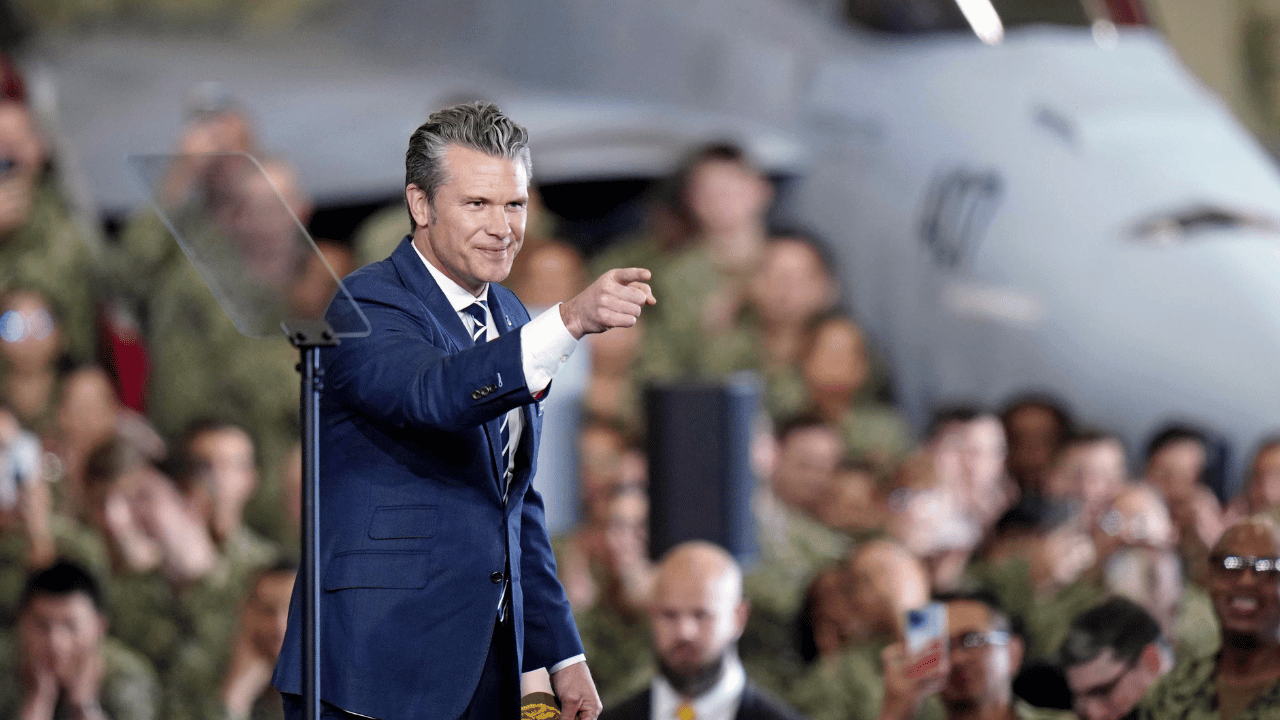
Hegseth's controversial military policy faces another legal setback after judges rejected the Pentagon's latest request.
The decision marks another blow to the administration's controversial military restrictions, known as the Hegseth Policy, as the White House continues fighting to defend the ban before the Supreme Court.
In the eight-page order, the appeals court denied the government's request to keep its June ruling on hold while the Supreme Court considers whether to review the case. Judge Robert Wilkins delivered a pointed explanation, finding that the administration had failed to demonstrate the harm necessary to justify another delay.
Judge Robert Wilkins criticized the Pentagon for failing to identify specific national security risks associated with allowing the decorated troops to remain in uniform.
"The Department has never specified" what national security risks would result from retaining the service members, Wilkins wrote.
He also noted that the government had not disputed evidence showing the plaintiffs served honorably and met military standards.
Wilkins also noted that claims of irreparable injury must be "certain and great" and "actual and not theoretical." Judges Wilkins and Judith Rogers voted against the administration's request, while Judge Justin Walker would have granted it.
Transgender Troops Caught in Trump's Military Ban
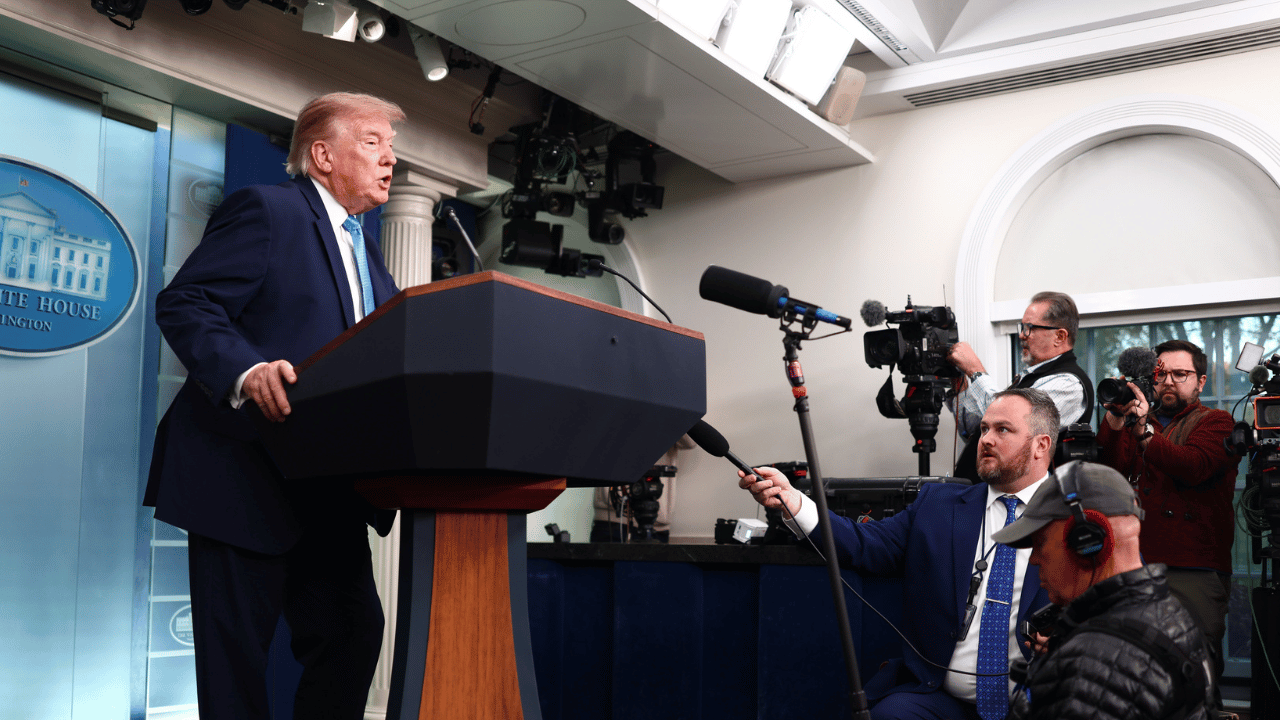
Trump's administration failed to convince appeals judges to delay protections for the affected troops.
The ruling protects 27 transgender service members who collectively have more than 130 years of military experience and over 80 commendations, according to attorneys representing the plaintiffs.
Despite their records, the troops were placed on administrative leave, while several faced separation proceedings under the Pentagon's policy. Their attorneys argue the administration has failed to provide evidence justifying their removal.
In a November 2 Supreme Court filing, the service members' legal team also challenged the policy's underlying rationale, accusing the government of targeting transgender personnel rather than addressing legitimate military-readiness concerns. The filing cited Hegseth's previous public remarks about transgender troops as evidence supporting the plaintiffs' allegations of discriminatory motivation.
Judge Slams Pentagon's National Security Argument
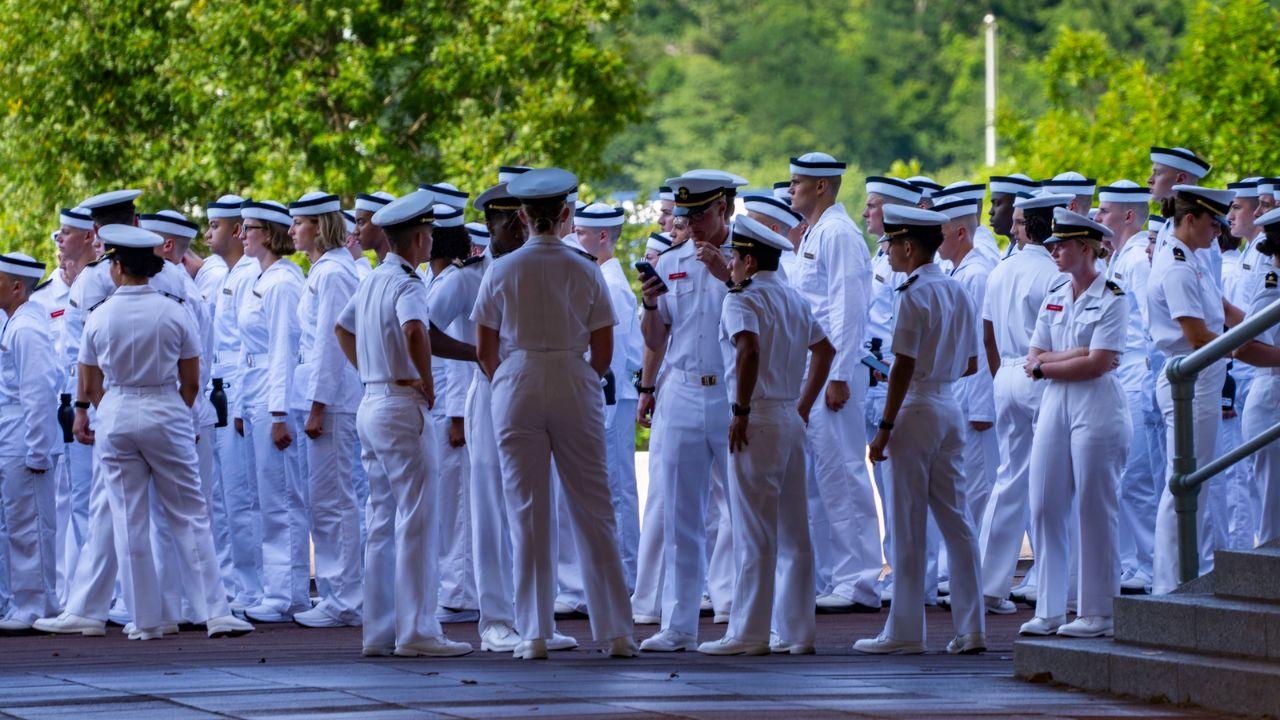
The 27 service members (not pictured) have earned more than 80 commendations during their combined 130-plus years of service.
Wilkins also rejected the administration's argument that a separate Supreme Court decision involving transgender athletes undermined the earlier military ruling.
He explained that the Pentagon's restrictions extend beyond medical diagnoses, potentially targeting service members who previously changed their clothing or pronouns.
The judge concluded that the policy's classifications lacked a demonstrated connection to military standards. "Such 'stereotyping' is not a legitimate government interest," Wilkins wrote.
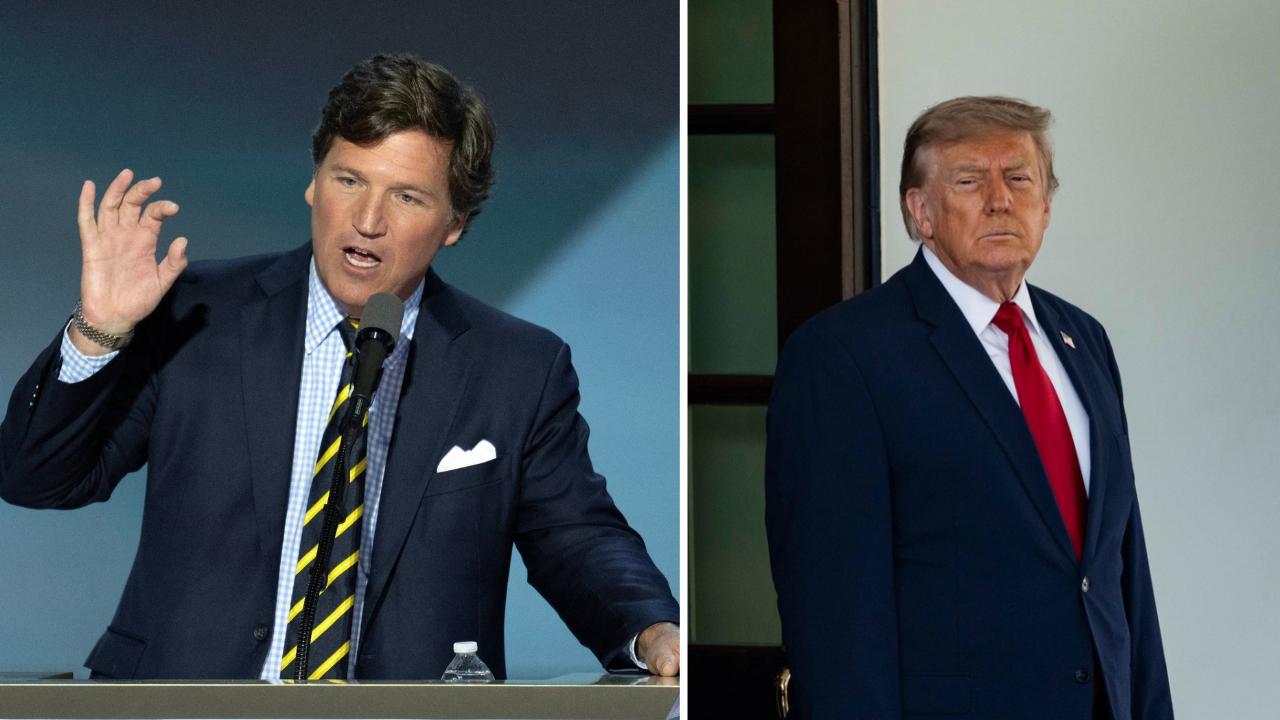
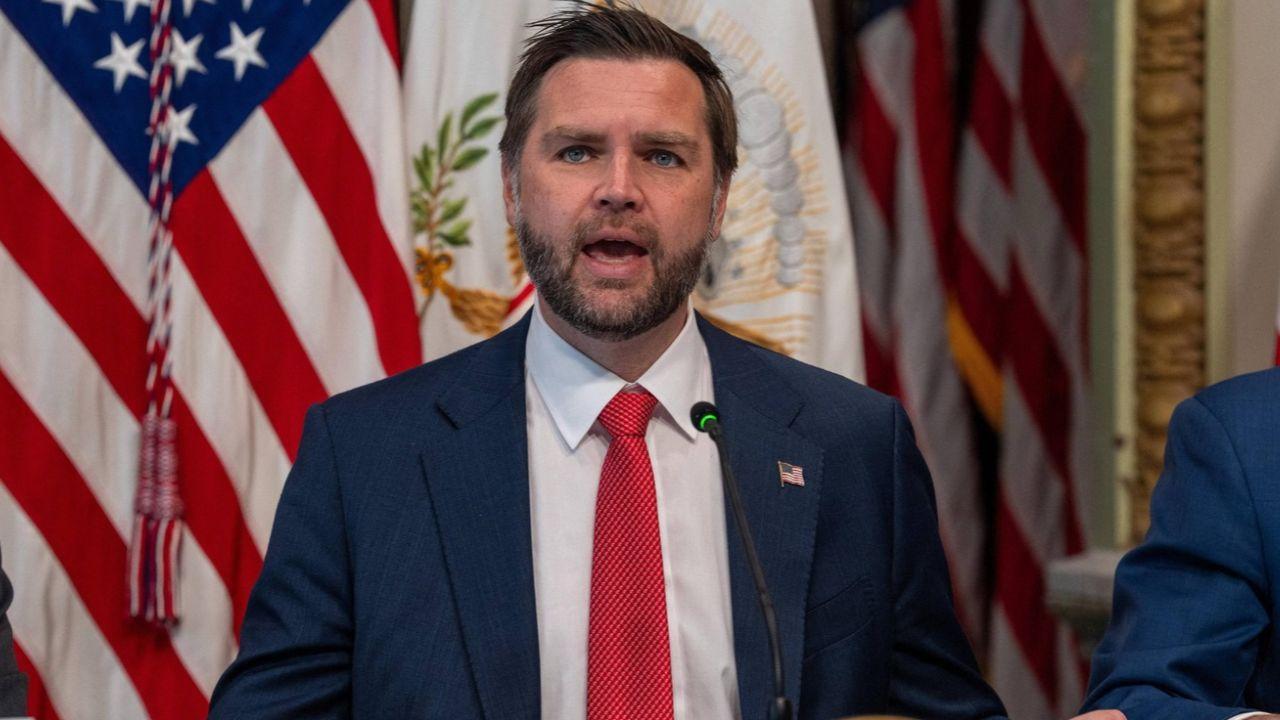
Trump's Military Ban Heads Toward Supreme Court Showdown

Never Miss an

Daily updates from the heart of Hollywood, right to your inbox
By entering your email and clicking Sign Up, you’re agreeing to let us send you customized marketing messages about us and our advertising partners. You are also agreeing to our Terms of Service and Privacy Policy.
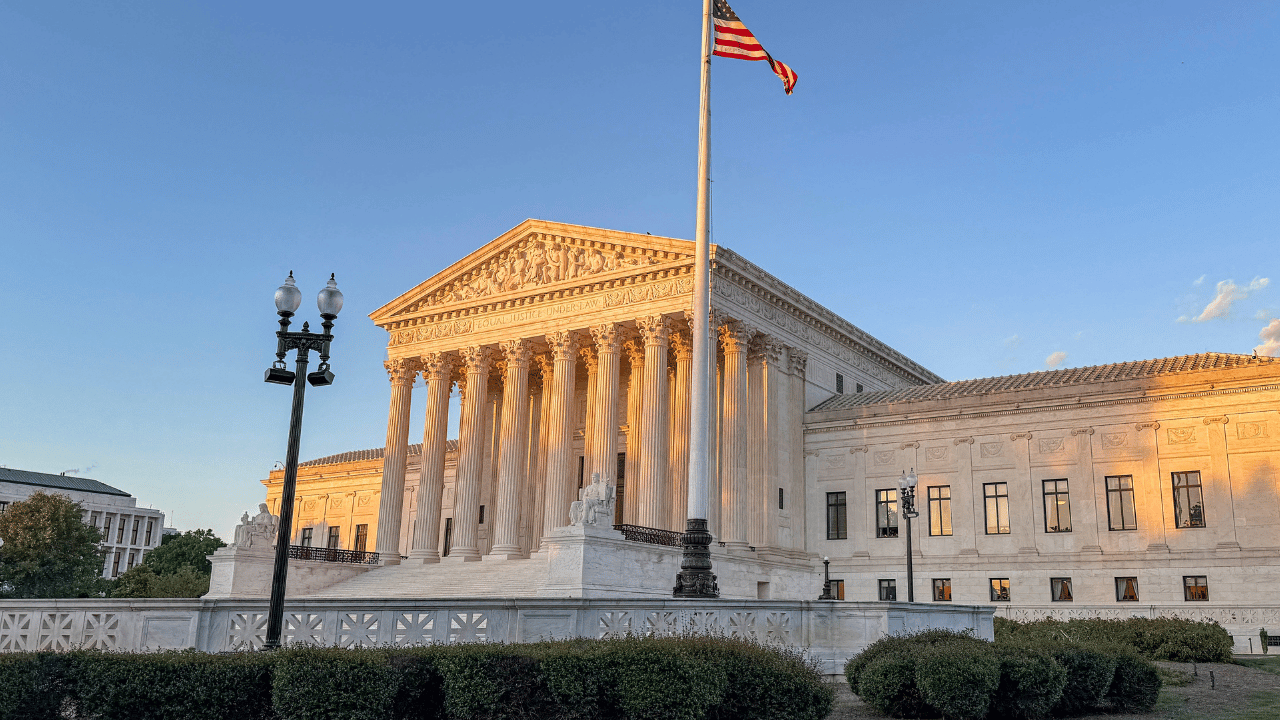
The Trump administration is seeking Supreme Court review as the military ban lawsuit continues.
The legal victory does not permanently overturn Trump's military policy or extend protection to individuals seeking to enlist.
Instead, it allows the 27 currently serving plaintiffs to remain protected from discharge while their constitutional challenge proceeds.
The administration's petition for Supreme Court review remains pending. Meanwhile, the underlying case, Talbott v. United States, is scheduled for trial in January 2027, setting the stage for another potentially consequential courtroom showdown over Trump's military agenda.
