


Trump Buys Up to $265,000 in Nvidia Stock as Administration Weighs New Chip Restrictions — After Company's CEO Resigns Amid Scandal

Donald Trump brought Nvidia stock worth $265,000
Nov. 19 2026, Published 3:22 p.m. ET


President Donald Trump bought up to $265,000 in Nvidia stock in September, according to a financial disclosure released Thursday, November 19.
The transactions are drawing attention as his administration tightens restrictions on advanced AI chip exports and the technology giant deals with the fallout from former CEO Jensen Huang's resignation.
The disclosure, signed by Trump on November 1 and made public by the U.S. Office of Government Ethics, also showed that he sold up to $15,000 in Nvidia shares during the same month. The figures are reported in financial ranges, meaning the exact transaction amounts are not available.
Disclosure Shows September Trades

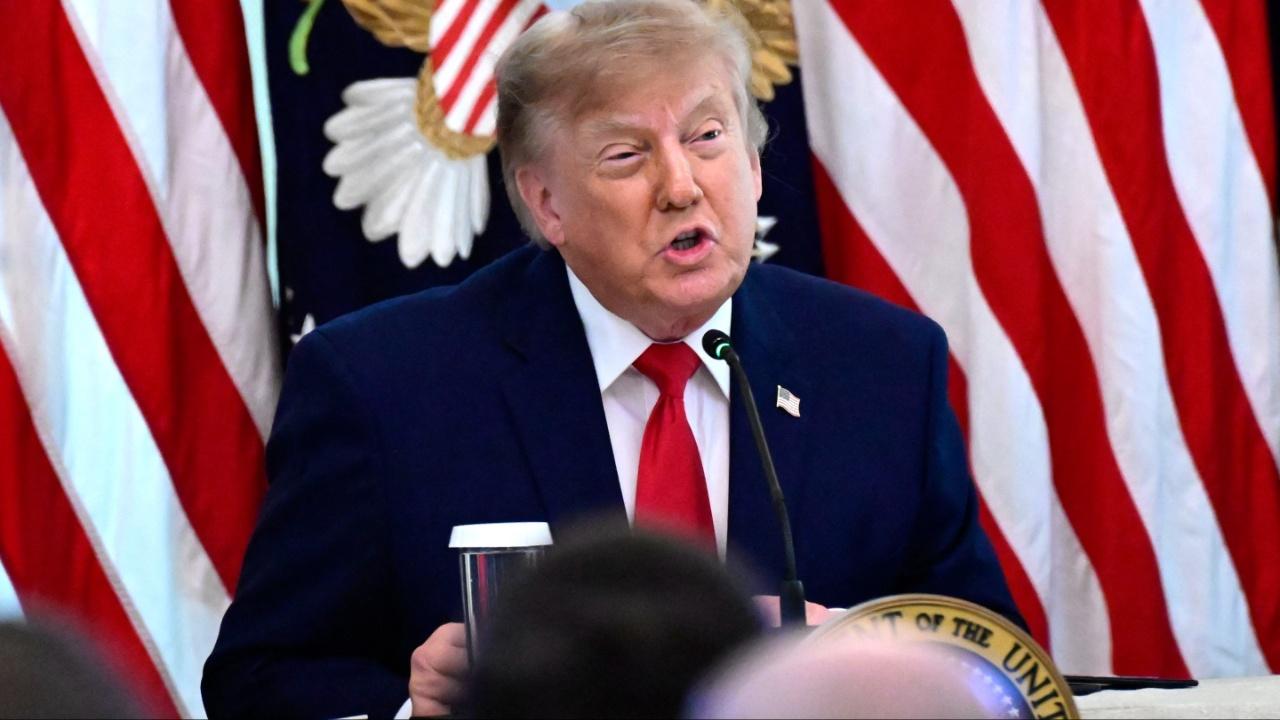
Donald Trump had previously purchased Nvidia shares worth $1.6 million
The latest filing follows Trump's August transactions, when he purchased up to $1.6 million in Nvidia stock and sold up to $1 million, according to an earlier disclosure. His September transactions also included purchases of up to $315,000 in SpaceX stock, Reuters reported.
White House spokesperson Davis Ingle previously addressed questions about the president's investments, saying third-party financial institutions independently manage his portfolio and replicate "recognized indexes, such as the Schwab 1000."
Ingle also said investment decisions are made entirely by independent managers, without direction from Trump or his family, Reuters reported.
New Chip Restrictions Under Consideration
Nvidia has gained recognition as a maker of advanced AI chips
The disclosure comes as the Trump administration moves to tighten controls on advanced artificial intelligence chips, including those manufactured by Nvidia.
On November 16, the administration announced new export restrictions targeting overseas data centers that provide significant computing power to companies headquartered in China.
The measures cover shipments of advanced chips to Singapore, Thailand, Malaysia, Indonesia, and Brazil. Affected data centers serving Chinese companies will have 90 days to obtain the required licenses.
The restrictions aim to prevent Chinese businesses from accessing powerful American technology through overseas facilities. Nvidia has previously faced pressure over its access to the Chinese market, while Huang had advocated for maintaining sales opportunities in the country.
CEO Resigns Amid Scandal
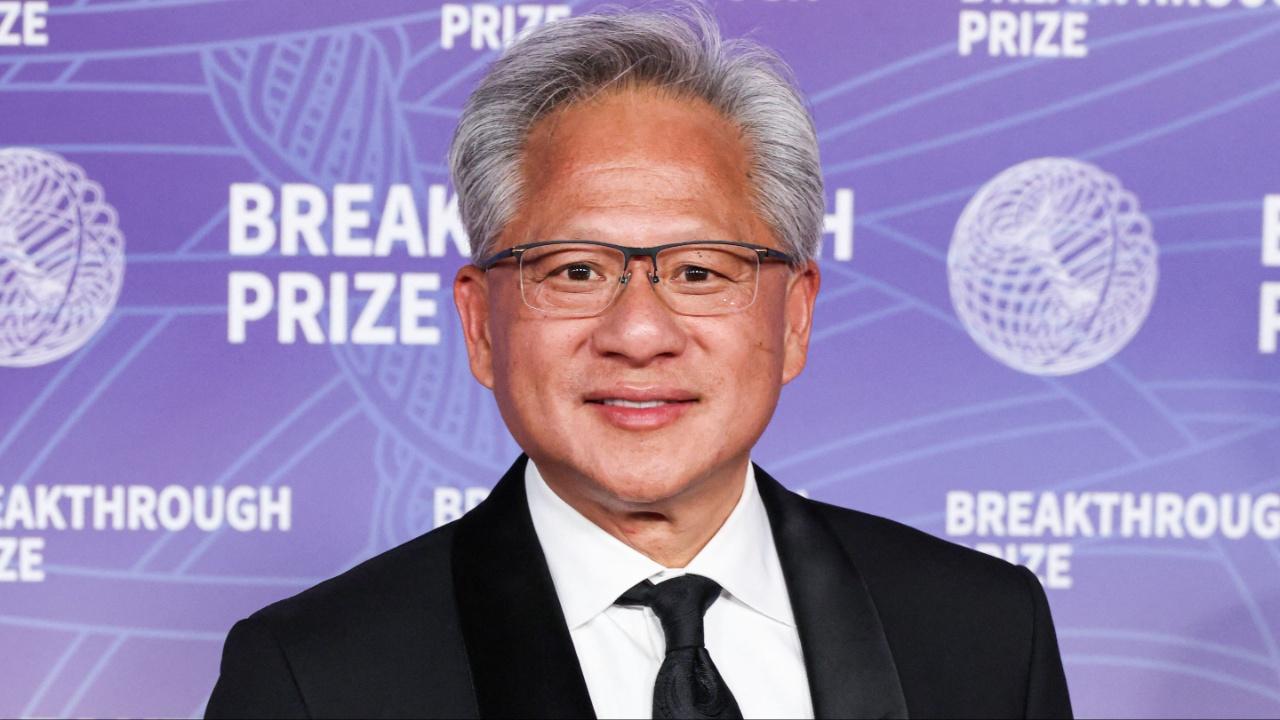
Jensen Huang resigned from Nvidia on November 12, 2026
Nvidia announced on November 12 that Huang had resigned as president, CEO, and board member, effective immediately. His departure ended a 33-year leadership run at the company he co-founded.
The resignation followed reports about Huang's personal relationships and concerns involving a possible Chinese intelligence operation.
On November 8, he acknowledged being unfaithful to his wife in a message to Nvidia employees, although he did not identify the person involved.
One reported relationship involved Alice Huang, a former executive at Singapore-based technology company Megaspeed.
U.S. intelligence officials reportedly suspected her of working for Chinese intelligence, but the Justice Department has not concluded that she was a spy. Beijing has also denied the allegations. Jensen Huang and Alice Huang are not related.
The New York Times separately reported on November 11 that Huang had a relationship with Kimberly Powell, Nvidia's vice president of healthcare, who reported directly to him. Nvidia and Powell did not confirm the reported relationship.
Interim Leadership Named

Never Miss an

Daily updates from the heart of Hollywood, right to your inbox
By entering your email and clicking Sign Up, you’re agreeing to let us send you customized marketing messages about us and our advertising partners. You are also agreeing to our Terms of Service and Privacy Policy.

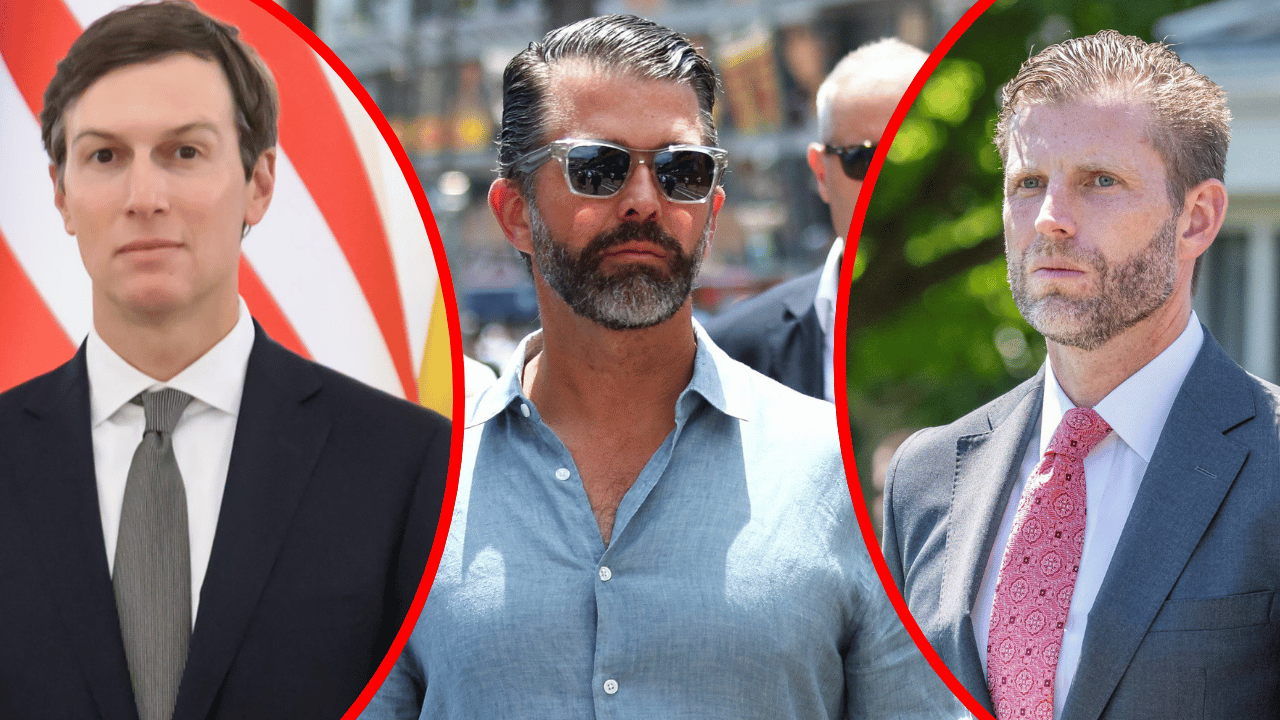
Nvidia has already brought another person as the interim chief executive
Following Huang's departure, Nvidia appointed chief financial officer Colette Kress as interim CEO. She will retain her finance position, which she has held since September 2013, while the board searches for a permanent replacement.
The board also appointed director Harvey C. Jones as its first chairman. Nvidia said it would consider both internal and external candidates for the permanent CEO position.
The controversy has also drawn Trump's attention. The New York Times reported that the president had received briefings about the intelligence concerns surrounding Alice Huang.
Trump subsequently said the FBI was investigating the allegations, while Attorney General Todd Blanche confirmed that the Justice Department had not determined whether she was a Chinese spy.
