


EXCLUSIVE: Trump Administration Hit With Emergency Deportation Order as Federal Judge Restricts Afghan Removals

Trump administration officials face an emergency federal court order restricting deportation flights carrying Afghan nationals to Afghanistan and Pakistan.
Nov. 3 2026, Published 7:54 p.m. ET


The Trump administration has been slapped with an emergency federal court order restricting deportations of Afghan nationals to Afghanistan and Pakistan, RadarOnline.com can reveal.
According to court documents obtained by Radar, U.S. District Judge Valerie Caproni issued a temporary restraining order on November 3, requiring federal immigration officials to honor assurances that no deportation flights involving Afghan nationals are currently planned or confirmed.
The order, issued in Manhattan federal court, follows an emergency lawsuit filed by Project Rousseau, Inc., which sought to prevent the removal of its clients while litigation continues.
Federal Judge Steps Into Deportation Fight


Todd Blanche is among the senior Trump administration officials named in the emergency lawsuit.
The legal action names senior administration officials, including David J. Venturella, Markwayne Mullin, Todd Blanche and Marco Rubio, as defendants.
Project Rousseau filed its lawsuit on November 2 and immediately requested emergency intervention to stop its clients from being deported to Afghanistan or Pakistan without further court authorization.
During a November 3 hearing, government attorneys informed the court that they had consulted Christopher George, a deputy assistant director overseeing Enforcement and Removal Operations at Immigration and Customs Enforcement.
George reportedly confirmed that ICE had no planned or confirmed chartered or commercial flights to deport Afghan nationals to either country through the end of the week.
ICE Officials Forced to Honor Court Assurances

ICE officials confirmed no deportation flights to Afghanistan or Pakistan were planned.
According to the order, government attorneys also represented that arranging deportation flights generally requires weeks of preparation.
Judge Caproni determined that those assurances effectively meant Afghan nationals would not be deported from the United States to Afghanistan or Pakistan during the week.
The administration consented to a temporary restraining order requiring officials to comply with those representations.
The judge ordered defendants, their employees, agents and other covered individuals to adhere to the government's statements concerning deportation flight arrangements.
The restrictions took effect immediately and remain in place until November 7 at 11:59 p.m., unless the court extends or dissolves the order.
Senior Trump Officials Named in Emergency Case
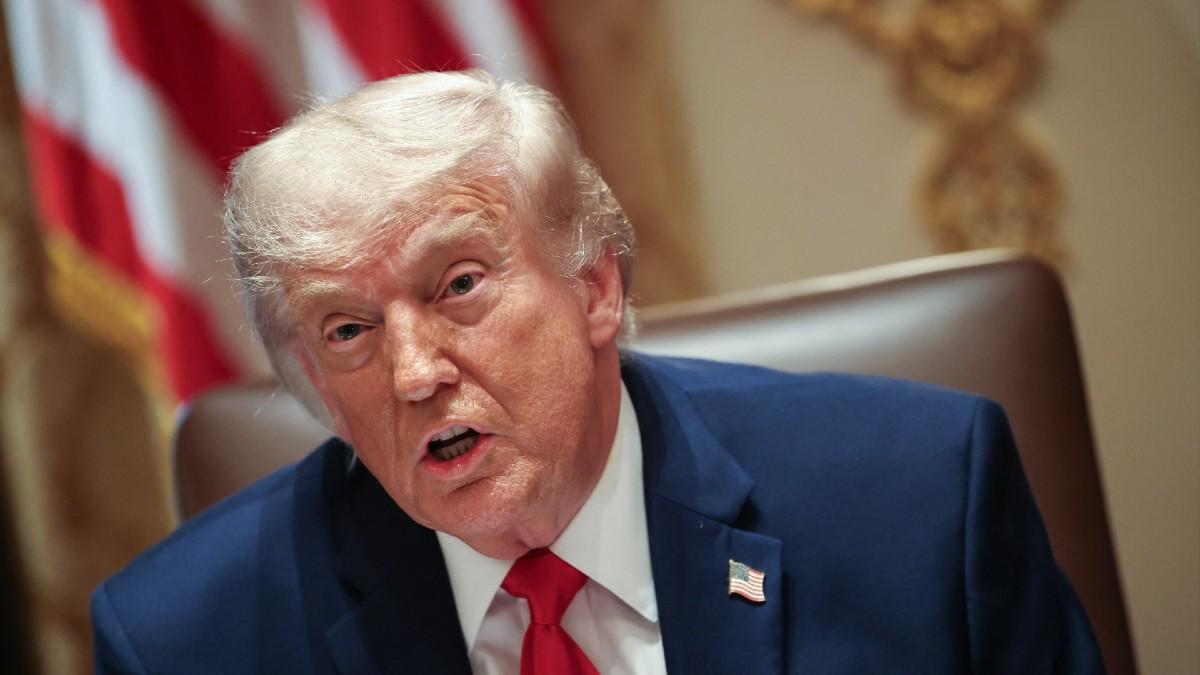
Trump's administration agreed to a temporary order requiring compliance with its deportation assurances.
The ruling also requires government attorneys to immediately distribute the order to George, an appropriate State Department representative and relevant Department of Homeland Security officials.
The directive places multiple federal agencies on notice of the court's restrictions while the emergency litigation proceeds.
However, the order does not constitute a final ruling on whether the proposed deportations would be lawful.
Instead, it temporarily binds officials to the government's representations while the judge considers the broader request for emergency relief.

Administration Faces New Court Deadline

Never Miss an

Daily updates from the heart of Hollywood, right to your inbox
By entering your email and clicking Sign Up, you’re agreeing to let us send you customized marketing messages about us and our advertising partners. You are also agreeing to our Terms of Service and Privacy Policy.

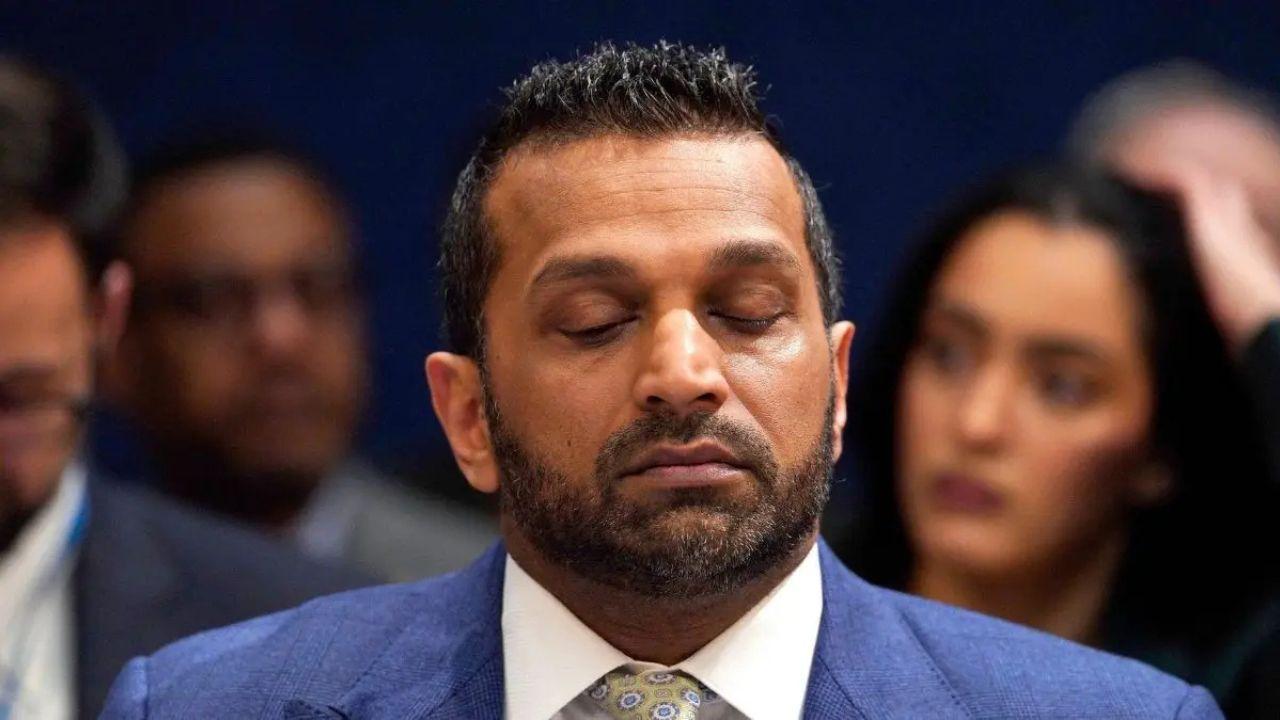
Afghan nationals face uncertainty as the administration prepares its November 5 court response.
The legal fight is far from over. Caproni ordered the administration to submit its formal response to Project Rousseau's emergency motion by Thursday, November 5, at 9 a.m.
The judge also determined that the plaintiff would not be required to post financial security under the federal rules governing temporary restraining orders.
For now, the administration faces a binding court directive concerning Afghan deportation flights, with further judicial action possible before the temporary restrictions expire.
The next filing could clarify how the government intends to respond to the organization's attempt to secure longer-lasting protections for its clients.
