


EXCLUSIVE: Kristi Noem and Pam Bondi Named in Explosive ICE Ruling as Judge Exposes Fabricated Arrest Records

Kristi Noem and Pam Bondi are named in an explosive federal court ruling after a judge found that an ICE officer fabricated arrest records and lied under oath.
Nov. 2 2026, Published 8:05 p.m. ET


Former Homeland Security Secretary Kristi Noem and former Attorney General Pam Bondi have been thrust into an explosive federal court ruling after a judge found that an Immigration and Customs Enforcement officer fabricated arrest records and lied under oath, RadarOnline.com can reveal.
According to court documents obtained by Radar, U.S. District Judge Mustafa Kasubhai issued a 50-page ruling on November 2, finding that federal immigration authorities repeatedly violated an injunction restricting warrantless arrests in Oregon.
Judge Exposes Fabricated Arrest Records


A federal judge found that an ICE officer fabricated arrest records and gave false testimony under oath.
In a stunning finding, the judge determined that an ICE officer had falsified information in official government records to justify an immigration arrest.
The court also found that the officer gave false testimony under oath while attempting to explain discrepancies in the documentation.
The findings emerged during proceedings examining whether federal immigration authorities had complied with an earlier court order governing arrests without judicial warrants.
The ruling raises serious questions about the accuracy of federal immigration records and the government's compliance with judicial oversight.
Noem and Bondi Named in Federal Case
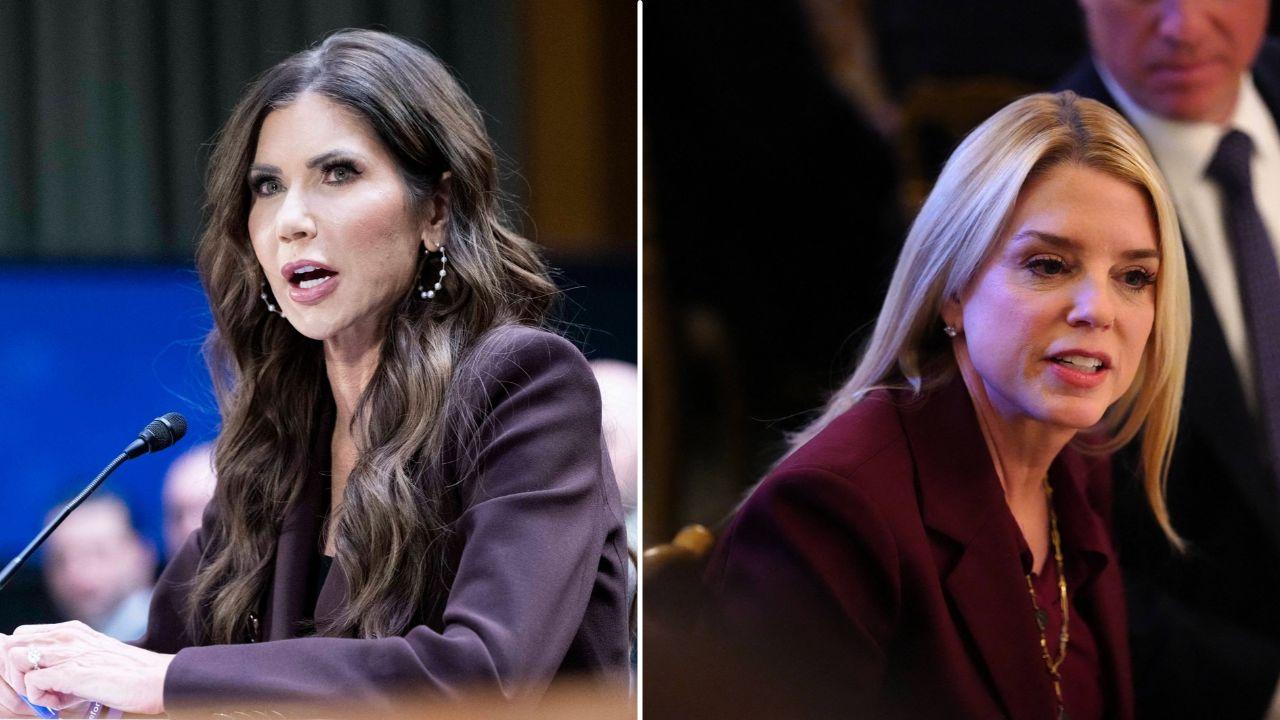
A federal judge found serious violations of court-ordered arrest restrictions in a case naming Kristi Noem and Pam Bondi.
Noem and Bondi are among the federal officials named as defendants in their official capacities in the litigation, placing two of the Trump administration's most prominent law enforcement figures at the center of the legal dispute.
However, the ruling does not accuse either official of personally falsifying records or providing false testimony.
Instead, the case concerns the conduct of federal immigration authorities and whether their arrest practices complied with constitutional requirements and the court's injunction.
The findings represent a significant judicial rebuke of enforcement practices carried out under the administration's immigration crackdown.
ICE Accused of Ignoring Court Orders

The ruling found that federal immigration authorities failed to comply with restrictions on warrantless arrests.
The controversy began after the court issued a preliminary injunction on February 4, requiring ICE officers to assess whether an individual was likely to escape before making a warrantless civil immigration arrest.
Officers were also required to document the circumstances surrounding those arrests and submit regular reports detailing their actions.
But the latest ruling found that authorities consistently failed to follow those requirements.
The plaintiffs accused ICE of conducting arrests before assessing escape risks, using improper standards, failing to document arrests adequately, and withholding information.
Federal officials disputed the allegations and maintained that they had complied with the injunction.
Federal Judge Orders New Oversight

Never Miss an

Daily updates from the heart of Hollywood, right to your inbox
By entering your email and clicking Sign Up, you’re agreeing to let us send you customized marketing messages about us and our advertising partners. You are also agreeing to our Terms of Service and Privacy Policy.

The judge ordered additional oversight measures to ensure ICE complies with the court's injunction.
The court ultimately sided with the plaintiffs, granting their motion to enforce the preliminary injunction after reviewing testimony and documentary evidence.
Judge Kasubhai emphasized the importance of requiring government agents to explain their conduct under oath, particularly when official records conflict with testimony.
The decision also highlighted broader concerns about accountability within federal immigration enforcement. The ruling requires additional compliance measures intended to ensure ICE follows the court's restrictions on warrantless arrests.
For Noem and Bondi, the case adds another high-profile legal challenge involving federal immigration enforcement, although neither was personally found responsible for the fabricated records.
The underlying preliminary injunction remains the subject of a pending appeal.
The November 2 ruling marks a significant escalation in the Oregon litigation, with the court concluding that federal authorities failed to honor restrictions already imposed on their arrest practices.
