


Tiger Woods 'Had Two Loose Pills in His Pocket' During DUI Arrest, Cops Claim — As 'Sweating' Golf Legend Appeared 'Lethargic and Slow' After Car Crash

Deputies said Tiger Woods appeared 'lethargic and slow' at the scene of the crash.

March 31 2026, Published 10:25 a.m. ET


Tiger Woods' DUI arrest is taking a darker turn as newly released police documents claim the golf legend had opioid pills in his pocket and showed "severe signs of impairment" after his crash, RadarOnline.com can reveal.
Newly released documents detail the moments after the rollover, painting a troubling picture of Woods' condition at the scene.
‘Severe Signs of Impairment’


Officers claimed Woods was sweating despite sitting in a cooled police vehicle.
According to an arrest affidavit obtained by TMZ Sports, responding deputies observed Woods, 50, "sweating profusely" despite sitting in a cooled patrol vehicle after his car rolled over on March 27 in Florida.
Officers noted his behavior appeared "lethargic and slow," adding he showed "severe signs of impairment" during their interaction.
When Woods removed his sunglasses, deputies reported his eyes were "bloodshot and glassy," with pupils described as "extremely dilated." At the same time, he was also said to appear "extremely alert."
Pills Found in Pocket and Sobriety Test
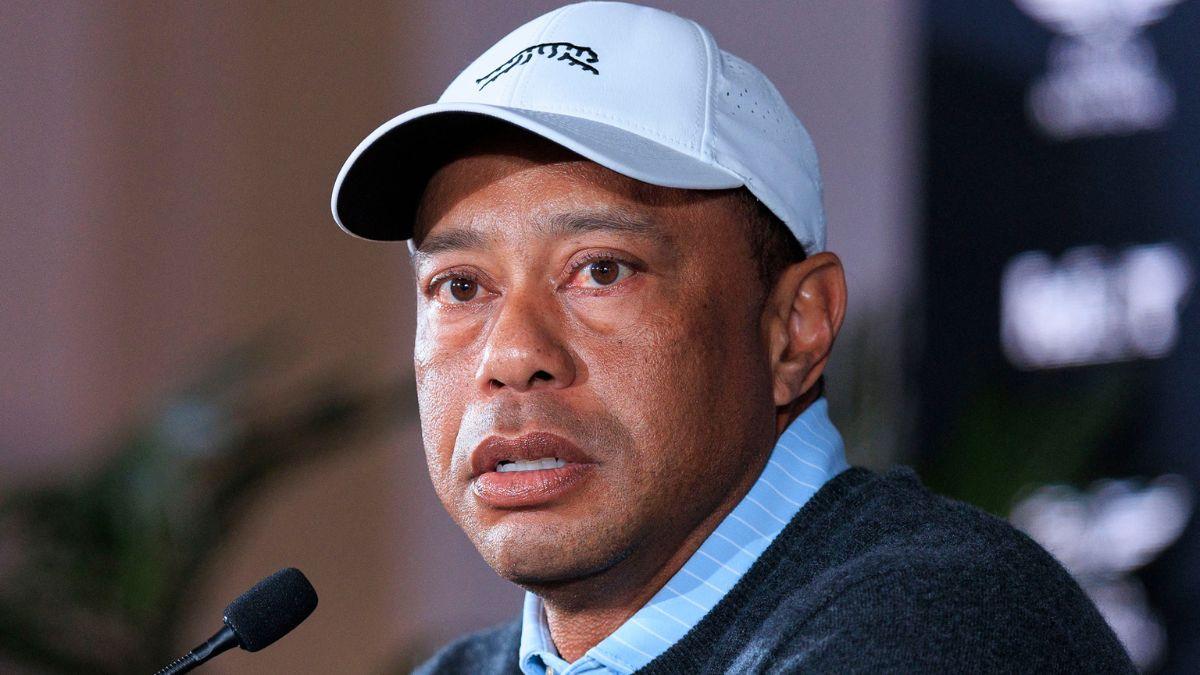
Police reported finding two hydrocodone pills in Woods' pocket during a search.
During a search, deputies said they discovered two loose white pills in Woods' pants pocket marked "M367," later identified as hydrocodone — a prescription opioid used for severe pain.
When asked about medication use, Woods told officers, "I take a few."
He also denied drinking alcohol that day, responding “none,” but admitted he had taken prescription medication earlier in the morning.
The golfer added that he had not used any illegal substances.
Woods agreed to perform field sobriety tests but appeared unsteady, with deputies noting he was "limping and stumbling to the right."
The golfer reportedly explained his physical condition by referencing a long history of injuries, including seven back surgeries and more than 20 procedures on his leg.
He was also wearing a compression sock over his right knee at the time.
Officers further noted Woods had persistent hiccups throughout the interaction.
Crash Explanation
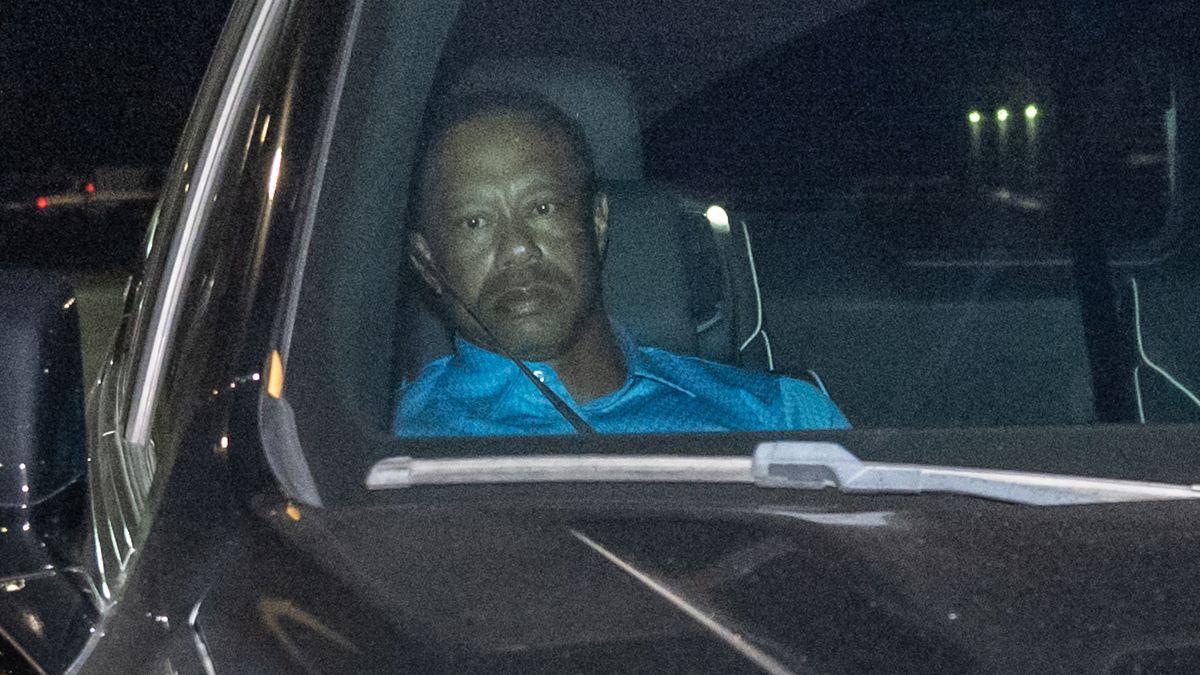
The golfer blamed the crash on distractions from his phone and radio.
Woods reportedly told deputies the crash happened while he was distracted behind the wheel.
He claimed he was looking at his cell phone and adjusting the radio, and did not realize the vehicle in front of him had slowed until it was too late to avoid impact.
Authorities estimated the crash caused roughly $5,000 in damage, primarily to a trailer attached to a work truck.


'A Signal'

Never Miss an

Daily updates from the heart of Hollywood, right to your inbox
By entering your email and clicking Sign Up, you’re agreeing to let us send you customized marketing messages about us and our advertising partners. You are also agreeing to our Terms of Service and Privacy Policy.

Woods' also struggled to complete the sobriety tests at the scene.
Richard Taite, a longtime addiction specialist and founder of Carrara Treatment, believes Woods' latest arrest is part of a bigger pattern.
"Tiger didn't just lose his swing after 2009; he lost control of something in his life," Taite exclusively told Radar.
He continued: "Whether that's pain management, prescription medication, or something else, I'm not going to speculate beyond the facts. But when the same types of incidents keep happening, that's not bad luck. That's a signal."
"I've spent my life helping people through exactly this kind of cycle," he explained. "It's not about being weak, it's about something getting a hold of you instead of you being in control."
"The good news is that it can be turned around. I've seen it thousands of times," he added.
