


Tiger Woods' Shame: Golf Star's Refusal to Take Urine Test Could Be Legal 'Ammunition' For Prosecutors — It Shows 'Consciousness of Guilt,' Says Attorney

Tiger Woods' refusal to give a urine sample could give prosecutors 'ammunition,' attorney says.

March 31 2026, Updated 11:56 a.m. ET


Tiger Woods' recent DUI arrest is raising serious legal questions — especially after the golf legend refused to submit to a urine test following his Florida crash, RadarOnline.com can reveal.
According to attorney Brad Vinson, that decision could become a key talking point for prosecutors as the case unfolds.
Refusal Under Scrutiny

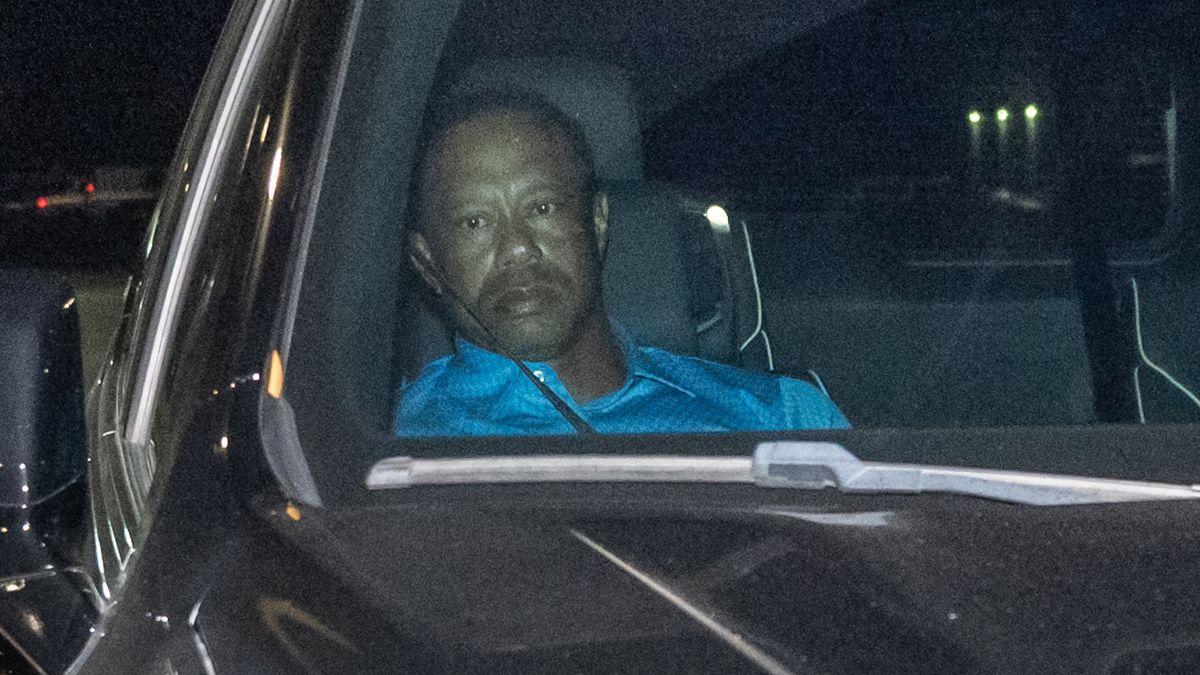
The lawyer also claimed the refusal may signal 'consciousness of guilt.'
"This won't make the case stronger necessarily, but it will give prosecutors more ammunition as they will argue that the refusal shows consciousness of guilt," Vinson explained exclusively to Radar.
"From a defense standpoint, there are other reasons Woods initially refused, such as distrust of the process or legal caution. This also deprived the prosecution of concrete chemical evidence, which can make their case more difficult to prove."
Crash and Arrest Details
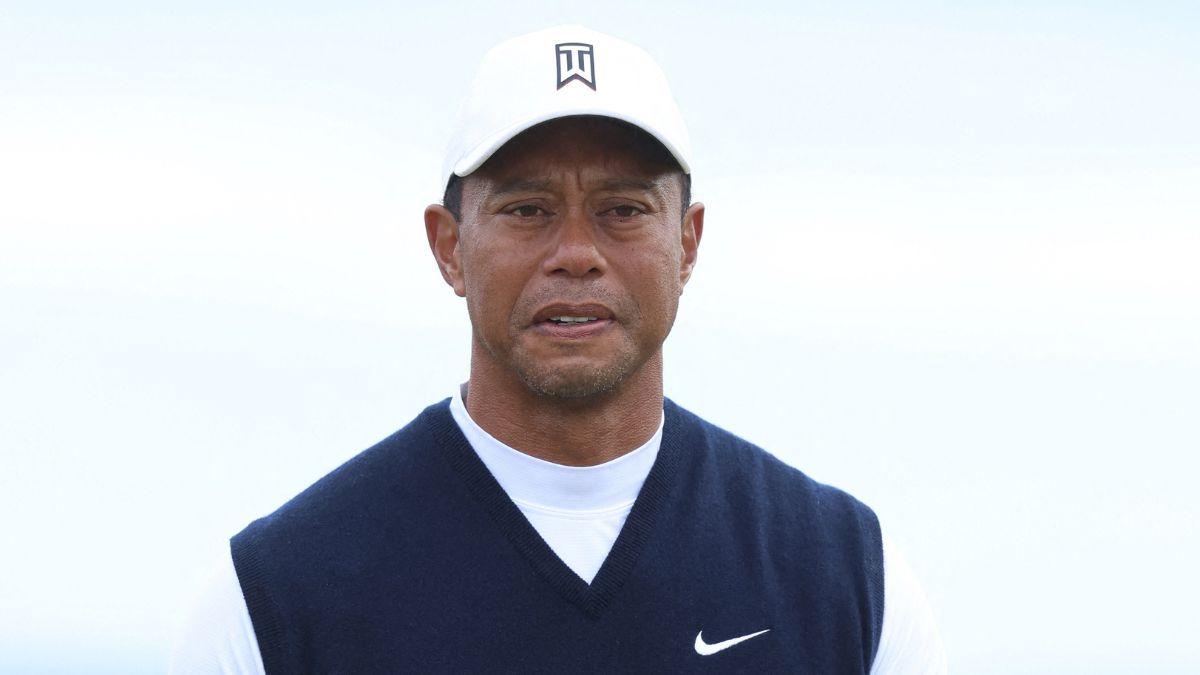
Woods was arrested after a rollover crash in Florida.
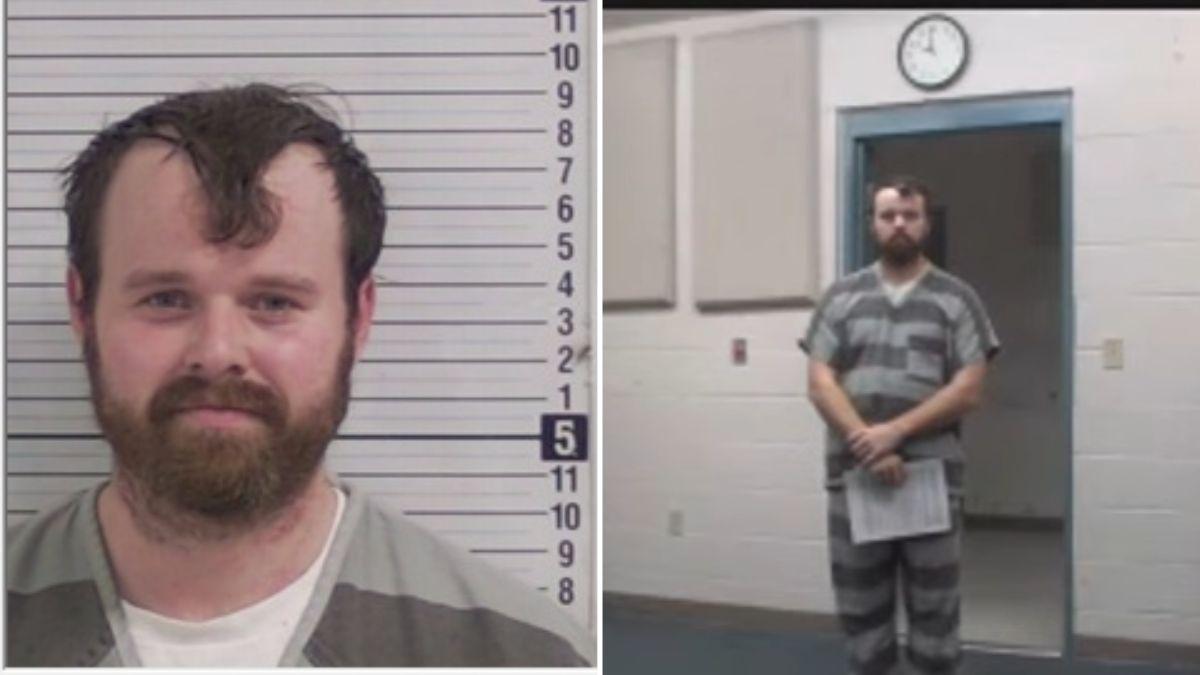
Woods, 50, was taken into custody on March 27 after a dramatic rollover crash in Jupiter Island, Florida.
Authorities said the pro golfer attempted to pass a utility truck before colliding with a trailer attached to the vehicle. The impact caused his SUV to overturn, leaving the star scrambling out of the wreckage.
Officers at the scene noted signs of possible impairment, though Woods later registered a 0.00% blood alcohol content on a breathalyzer test.
Despite that result, he declined to provide a urine sample — leading to additional charges, including refusal to submit to a lawful test, along with DUI and property damage.
Bigger Picture
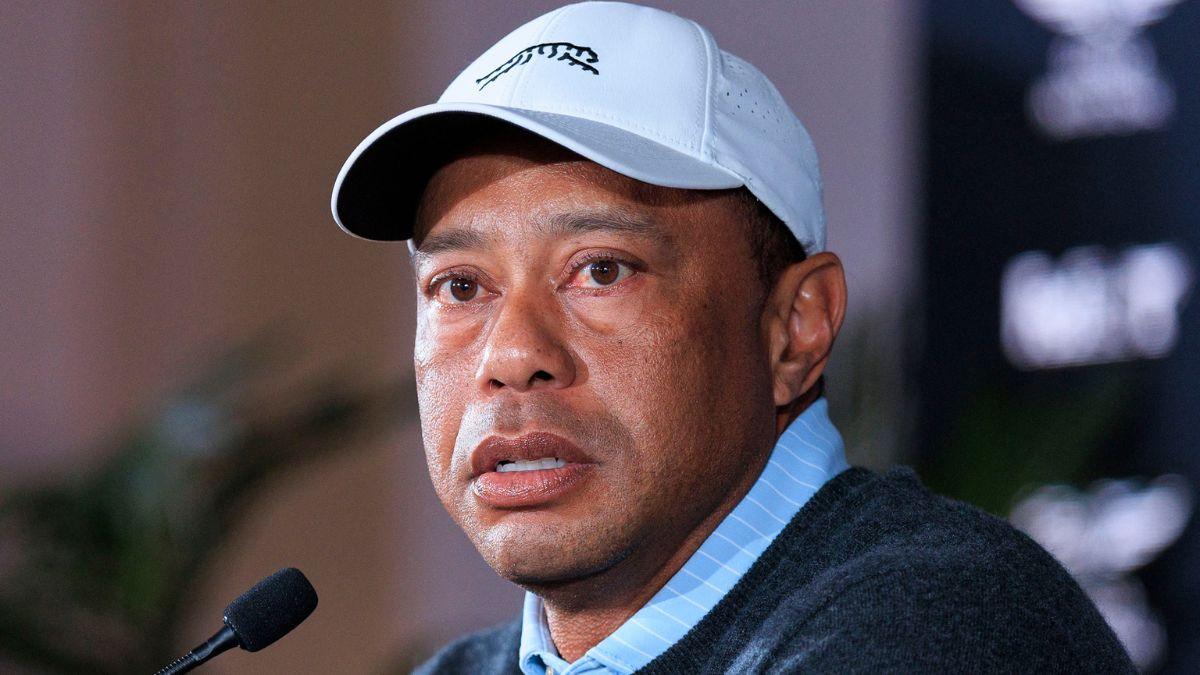
His SUV flipped, leaving Woods to climb out of the wreckage.
Richard Taite, a longtime addiction specialist and founder of Carrara Treatment, told Radar that Woods' latest arrest fits into a broader pattern.
"Tiger didn't just lose his swing after 2009; he lost control of something in his life," Taite explained.
He continued: "Whether that's pain management, prescription medication, or something else, I'm not going to speculate beyond the facts. But when the same types of incidents keep happening, that's not bad luck. That's a signal."
Despite concern, the expert added: "I've spent my life helping people through exactly this kind of cycle," he explained. "It's not about being weak, it's about something getting a hold of you instead of you being in control."
"The good news is that it can be turned around. I've seen it thousands of times," he shared.
Troubling Pattern

Never Miss an

Daily updates from the heart of Hollywood, right to your inbox
By entering your email and clicking Sign Up, you’re agreeing to let us send you customized marketing messages about us and our advertising partners. You are also agreeing to our Terms of Service and Privacy Policy.
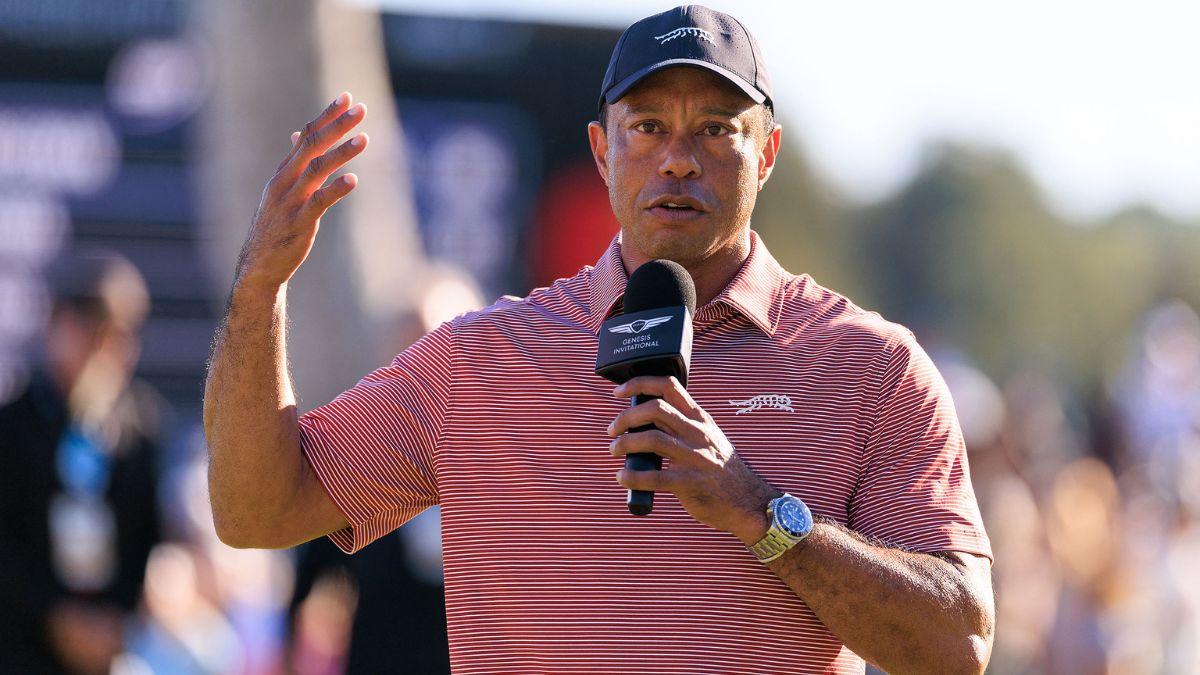
Woods later tested 0.00% BAC but refused a urine test.
This is not his first driving-related incident.
In 2017, Woods was arrested after being found asleep in his vehicle in Florida. Toxicology reports later showed multiple prescription drugs in his system, and he ultimately pleaded guilty to reckless driving.
He has also been involved in several serious crashes over the years, including a 2021 accident in Los Angeles that left him with significant leg injuries and required extensive surgery.
An earlier 2009 crash outside his Florida home also drew widespread attention.
