


Steve Bannon Sounds Warning Over Immigration 'Amnesty' as Trump's Comments on Migrants Spark Republican Uproar: 'They're Going to Jam It Down Everybody's Throats'

Bannon urged federal troops to Texas, warning immigration could cause permanent damage.
Nov. 16 2026, Published 6:15 a.m. ET


President Donald Trump's suggestion that he could negotiate an immigration deal with Democrats has exposed divisions within the Republican Party, with Steve Bannon warning conservatives that lawmakers could push through an amnesty bill despite opposition from the party's hard-line immigration supporters.
The controversy followed Trump's Nov. 8 interview with CBS News' "60 Minutes," in which he acknowledged that his administration's deportation policies might have been "too tough" and said he was interested in working with Democrats on immigration.
The president's comments came after Republicans suffered significant losses in the midterm elections, with immigration enforcement emerging as one of the issues that hurt the party among some Latino voters.
Trump suggested that immigrants who had established lives and maintained jobs in the United States could be treated differently from criminals facing deportation.
However, his remarks immediately raised concerns among conservatives who have made mass deportation a central Republican priority.
Bannon Demands Mass Deportations

Bannon’s call for a troop deployment followed Democrats’ midterm gains in Texas.
On his "War Room" podcast, Bannon claimed lawmakers were preparing a sweeping immigration proposal that could grant legal status to undocumented immigrants.
"Trust me, in this city right now, they're working on a massive amnesty bill that they're gonna try to jam down everybody's throats in this lame duck session," he said while speaking with guest Dr. Charles Cornish-Dale.
Bannon made clear that he opposed any compromise with Democrats, arguing that deportation efforts should extend beyond people convicted of crimes.
"We need mass deportation, not just the bad hombres. We need them all," he declared.
The former Trump adviser subsequently renewed his opposition, calling for "No amnesty and mass deportations now." He also warned about immigration-related changes in Texas and urged the deployment of federal troops, describing the situation as an emergency.
Bannon characterized Texas as a "jewel in the crown of the union" and warned that it could become a sanctuary for undocumented immigrants.
Republicans Warn Against Amnesty
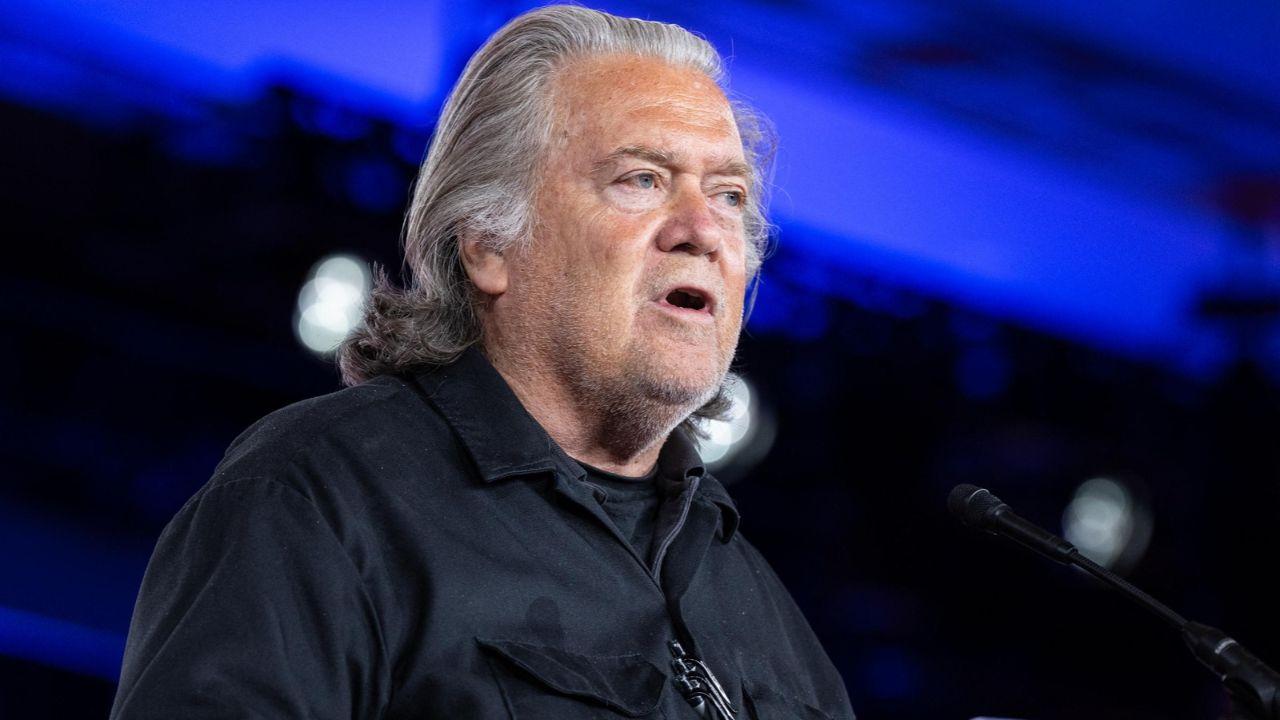
Bannon urged federal troops to Texas after Democrats made midterm gains in the state.
Bannon's criticism has found support among other conservative voices and Republican lawmakers who oppose offering legal status to undocumented immigrants.
Fox News host Laura Ingraham called the prospect of amnesty "political suicide" on Nov. 9, arguing that immigration remained a nonnegotiable issue for many conservative voters.
Fox News contributor Karol Markowicz also condemned the possibility of a deal, describing amnesty as "repulsive," according to Media Matters.
Republican lawmakers have also drawn a firm line against the proposal. Sen. Jim Banks, R-Ind., told Fox News Digital, "As far as I'm concerned, amnesty is off the table. I'll never go for it."
Sen. Thom Tillis, R-N.C., offered a different perspective, arguing that the administration should use its border security gains as an opportunity to pursue merit-based immigration reform. He also criticized Stephen Miller's influence over the discussions.
Senate Majority Leader John Thune, R-S.D., meanwhile, said he had not seen a concrete proposal but would be willing to hear Trump out if he wanted to pursue negotiations.
Trump Denies Considering Amnesty
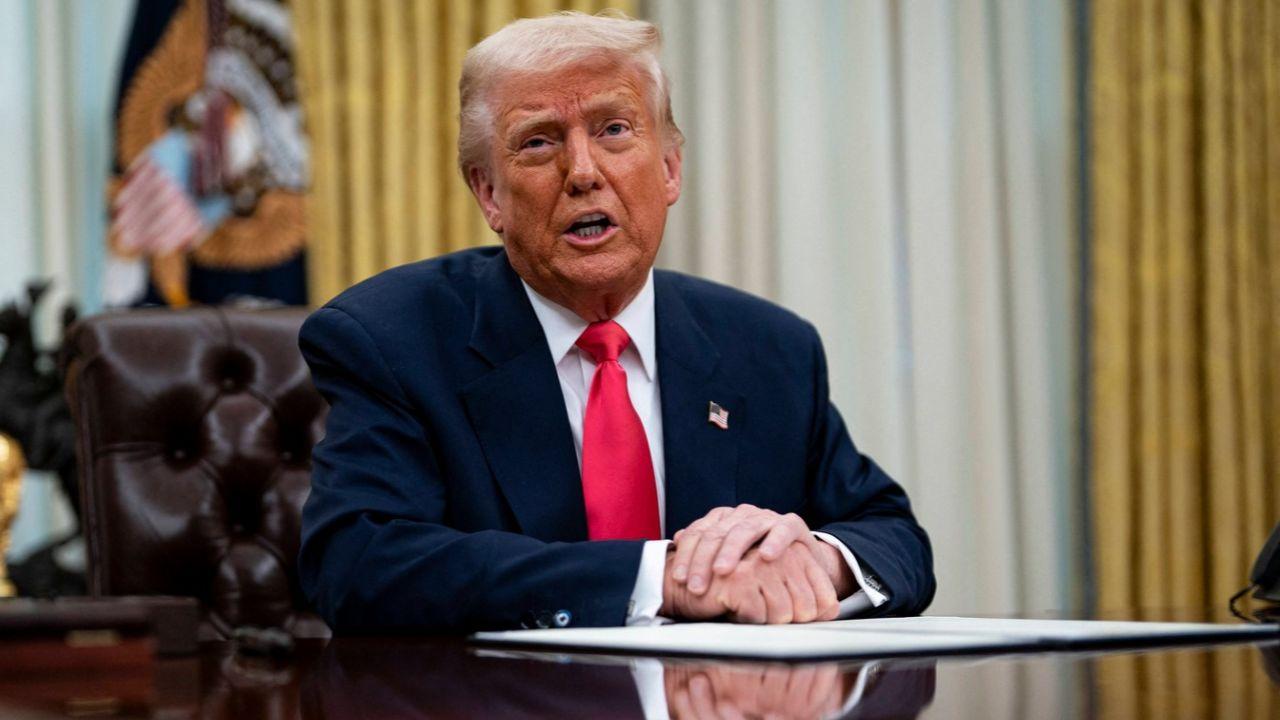
Trump said he could work something out with Democrats on immigration after the midterm elections.
Trump moved to address the backlash on Nov. 9, insisting that his willingness to discuss immigration reform did not mean he supported amnesty.
"There won't be amnesty," he told reporters at the White House. He added that undocumented immigrants "knew the law" when they entered the country.
Homeland Security Secretary Markwayne Mullin also rejected the possibility of an amnesty agreement, saying the administration would not support such a measure.
The administration's response followed Trump's earlier suggestion that some long-term undocumented residents with jobs could be considered for a deal. However, neither Trump nor his administration had presented a specific legislative proposal at that point.
Mullin has indicated that bipartisan immigration discussions could still take place, while maintaining that amnesty would not be part of any agreement.


Texas Tensions Raise Stakes

Never Miss an

Daily updates from the heart of Hollywood, right to your inbox
By entering your email and clicking Sign Up, you’re agreeing to let us send you customized marketing messages about us and our advertising partners. You are also agreeing to our Terms of Service and Privacy Policy.

Bannon urged federal troops to Texas, warning that increased immigration could cause permanent damage to the country.
Texas has become another focal point in the immigration debate following Democratic gains in the midterm elections and renewed disagreements over local cooperation with federal immigration authorities.
Houston Mayor John Whitmire recently directed police to limit contact with Immigration and Customs Enforcement during traffic stops involving people who have not committed jailable offenses.
Under the revised policy, officers will not contact ICE over administrative immigration warrants when a person is not being arrested, according to The Texas Tribune.
Meanwhile, the Supreme Court's December 2025 decision blocking the Trump administration's attempted National Guard deployment in Chicago remains an example of the legal challenges surrounding federal involvement in domestic immigration enforcement. The 6-3 decision upheld a lower court's block while litigation continued.
For now, Trump has ruled out amnesty publicly, but his interest in discussing immigration reform has left conservatives demanding assurances that mass deportations will remain a priority.
