


Everything to Know About Stephen Hubbard - as Russia Releases American Teacher, 74, Imprisoned on Ukraine Mercenary Charges

Donald Trump said he asked Vladimir Putin to release Stephen Hubbard during a phone call
Oct. 23 2026, Published 3:24 p.m. ET


Stephen Hubbard, a 74-year-old retired American teacher, has been released from Russian custody after more than four years in detention over allegations that he fought for Ukraine.
Russian President Vladimir Putin announced Hubbard's release on October 21 during talks with U.S. special envoy Steve Witkoff in St. Petersburg.
Hubbard had been sentenced in 2024 to six years and 10 months in prison after a closed-door Moscow trial. His lawyers and family disputed Russia's allegations, and the U.S. government designated him as wrongfully detained in January 2025.
Who Is Stephen Hubbard?

Stephen Hubbard taught language in Japan for over 25 years
Hubbard grew up in Big Rapids, Michigan, and served in the U.S. Air Force and National Guard, according to military records cited by The New York Times and Reuters.
He earned a master's degree in English and spent 25 years teaching English in Japan before moving to Cyprus and later Ukraine.
In 2014, Hubbard moved to Izyum, an eastern Ukrainian city, with a Ukrainian partner, according to his sister, Patricia Hubbard Fox.
He remained there after the relationship ended and was living in the city when Russia launched its full-scale invasion of Ukraine in February 2022. Fox previously told Reuters that Hubbard was living on a pension of about $300 a month.
Russian forces captured Izyum in the spring of 2022. Russian authorities said Hubbard was detained in April of that year after allegedly serving at a Ukrainian military checkpoint.
Reuters reported that the circumstances of his capture could not be independently established.
Why Did He Get Locked Up In Russia?
Hubbard was seized in Izyum in April 2022 and later convicted of mercenary activity for Ukraine
Russian prosecutors accused Hubbard of joining a Ukrainian territorial defense unit in February 2022. They alleged that he received military training, weapons and ammunition and was promised $1,000 a month.
A Moscow court convicted Hubbard of mercenary activity in October 2024 and sentenced him to six years and 10 months in prison. Russian state media reported that he pleaded guilty, but his family questioned that account.
Hubbard's U.S. lawyer, Martin De Luca, later said Hubbard denied being part of a military or combat unit and told his legal team that Russian soldiers had taken him from his home. Reuters reported that it could not independently verify the circumstances of his capture.
The U.S. Embassy had also been denied consular access to Hubbard, according to the State Department. The Biden administration designated him as wrongfully detained in January 2025.
What Did His Family Say About His Release?
Stephen Hubbard said he couldn’t believe he was being released and that he thought he would die in prison
Fox said she spoke with her brother after his release and that he initially struggled to believe he was free.
"He was just laughing. He said, 'I can't believe this is happening,'" Fox told The Associated Press. She said Hubbard did not realize he was being released until he was put on a plane and saw an American flag.
Fox also said Hubbard feared he would die in prison and alleged that he had suffered beatings and starvation during his detention. Those claims came from his sister and have not been independently established through published medical findings.
Hubbard was taken to the United States after his release, and Fox said she expected him to stay with her in Colorado. His lawyer said Hubbard's family had feared they would never see him alive again.
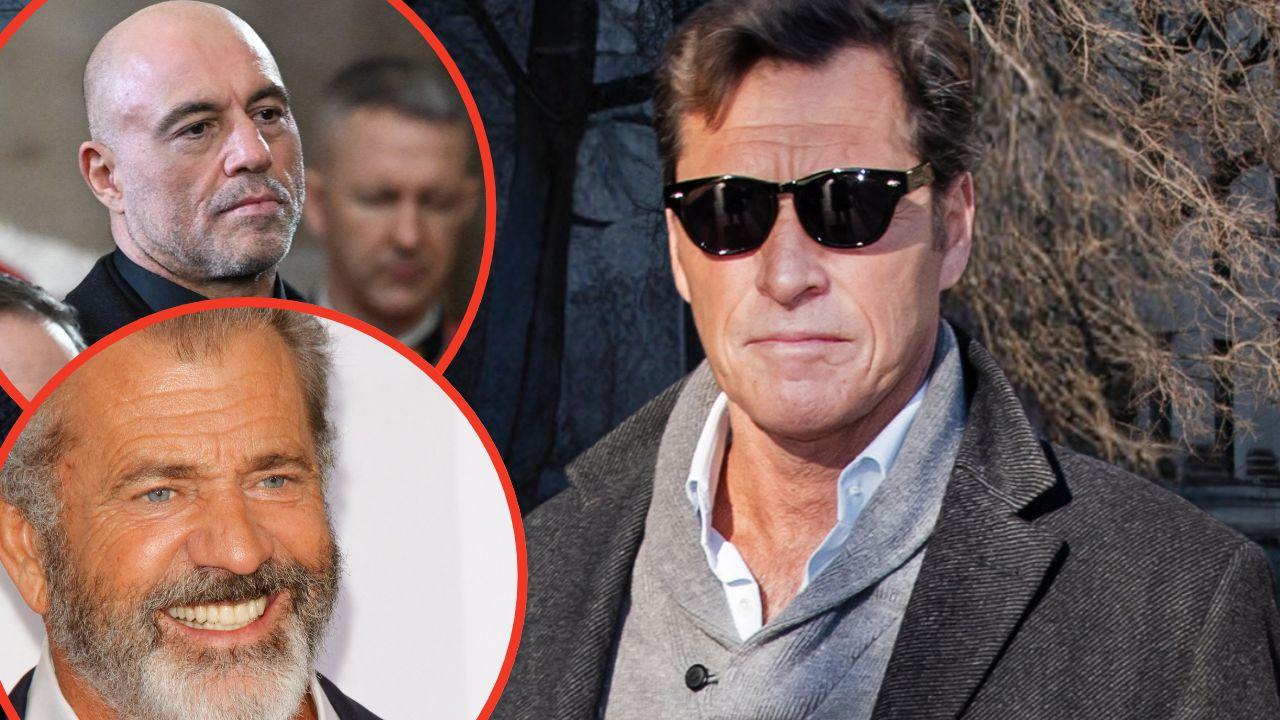
How Did the U.S. Get Him Out?

Never Miss an

Daily updates from the heart of Hollywood, right to your inbox
By entering your email and clicking Sign Up, you’re agreeing to let us send you customized marketing messages about us and our advertising partners. You are also agreeing to our Terms of Service and Privacy Policy.
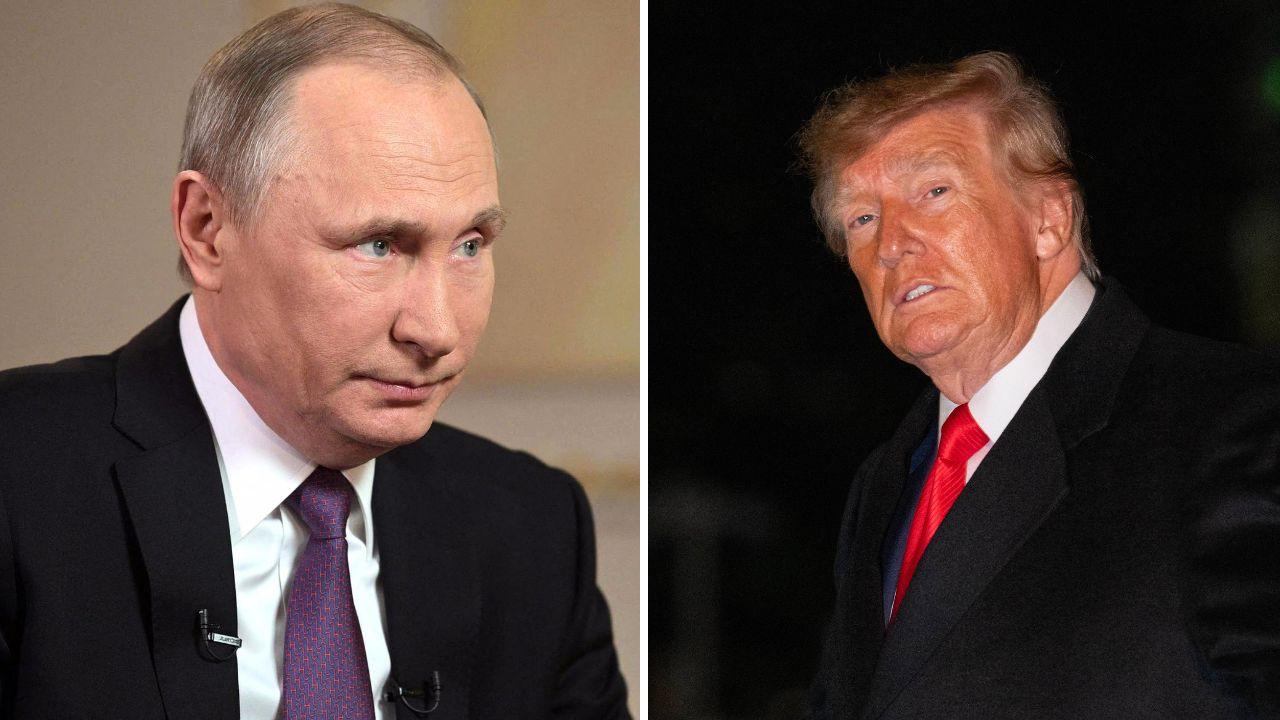
U.S. envoy Steve Witkoff thanked Putin for releasing Stephen Hubbard
President Donald Trump said he asked Putin during a phone call earlier in October to release Hubbard. Trump said Russia did not require a prisoner exchange in return.
The release was announced as Witkoff met Putin in St. Petersburg.
The Kremlin said Putin approved Hubbard's release on humanitarian grounds, while the State Department later confirmed that Russia made the decision unilaterally and that no exchange or additional concessions were involved.
Witkoff praised Putin for the decision, calling him a "humanitarian" while thanking the Russian president for allowing Hubbard to return home.
The meeting came as the Trump administration was pursuing renewed negotiations aimed at ending the Russia-Ukraine war.
Hubbard's release also came amid broader U.S.-Russia diplomacy and follows the August release of another American, former Marine Robert Gilman. Other Americans remain imprisoned in Russia.
