


Stephen A. Smith Calls Out Trump's 'Inconsistent' Midterm Election Claims After 40-Minute White House Interview

The interview was recorded for Smith’s show, Straight Shooter with Stephen A.
Nov. 13 2026, Updated 3:05 p.m. ET


Stephen A. Smith challenged President Donald Trump's explanation for the Republican Party's midterm election losses after sitting down with him for a 40-minute interview at the White House on Thursday, November 12.
The ESPN commentator said Trump had encouraged voters to view the elections as a reflection of his presidency but later distanced himself from the results by insisting he had not been on the ballot.
Smith discussed the president's response during an appearance on Fox News' Hannity on Thursday. He also revealed that their conversation covered the economy, the war in Iran, and other political issues.
The interview was recorded for Smith's show, Straight Shooter with Stephen A., and was scheduled to air at 6 p.m. ET on Thursday.

Smith Points To A Shift In Trump's Message
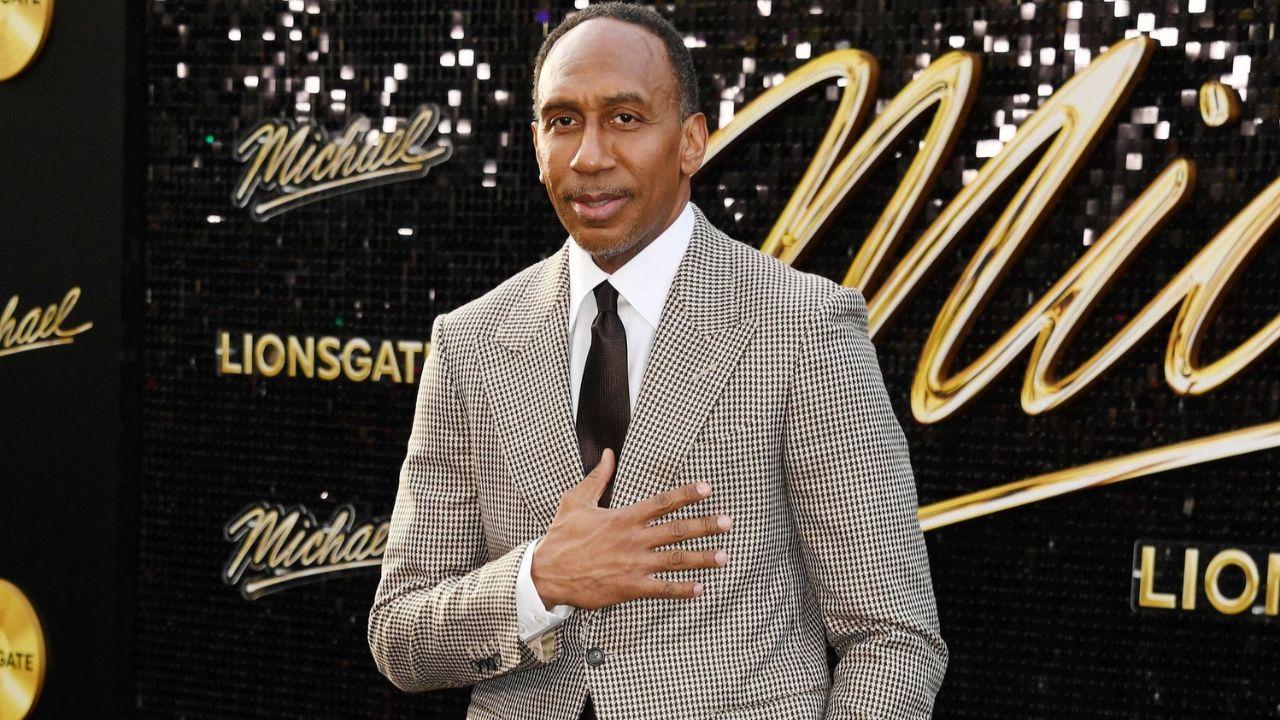
Smith said Trump’s midterm comments were “inconsistent” with his earlier election appeals.
Smith took issue with Trump's changing position on his involvement in the midterm elections, particularly after Republicans suffered significant losses.
"He’s not somebody that considers himself to have been on the ballot. To me, that was inconsistent with what he had been saying, talking about people putting him on the ballot," Smith told reporters outside the White House.
The commentator was referring to Trump's repeated appeals before Election Day for supporters to treat the midterms as a referendum on his leadership.
On Election Night, however, Trump wrote that he had not been on the ballot and claimed Republicans would have won "IN A LANDSLIDE!" if he had been.
A Washington Post analysis found that Trump had declared himself on the ballot, or encouraged voters to imagine he was, 63 times before the election.
Smith also confronted the president about the contradiction during their interview. Recalling the exchange on Hannity, he said he told Trump, "That makes absolutely no sense, Mr. President. You said, put you on a ballot."
Trump's response, according to Smith, was that voters had not followed that instruction.
Trump Blames Candidates For Losses
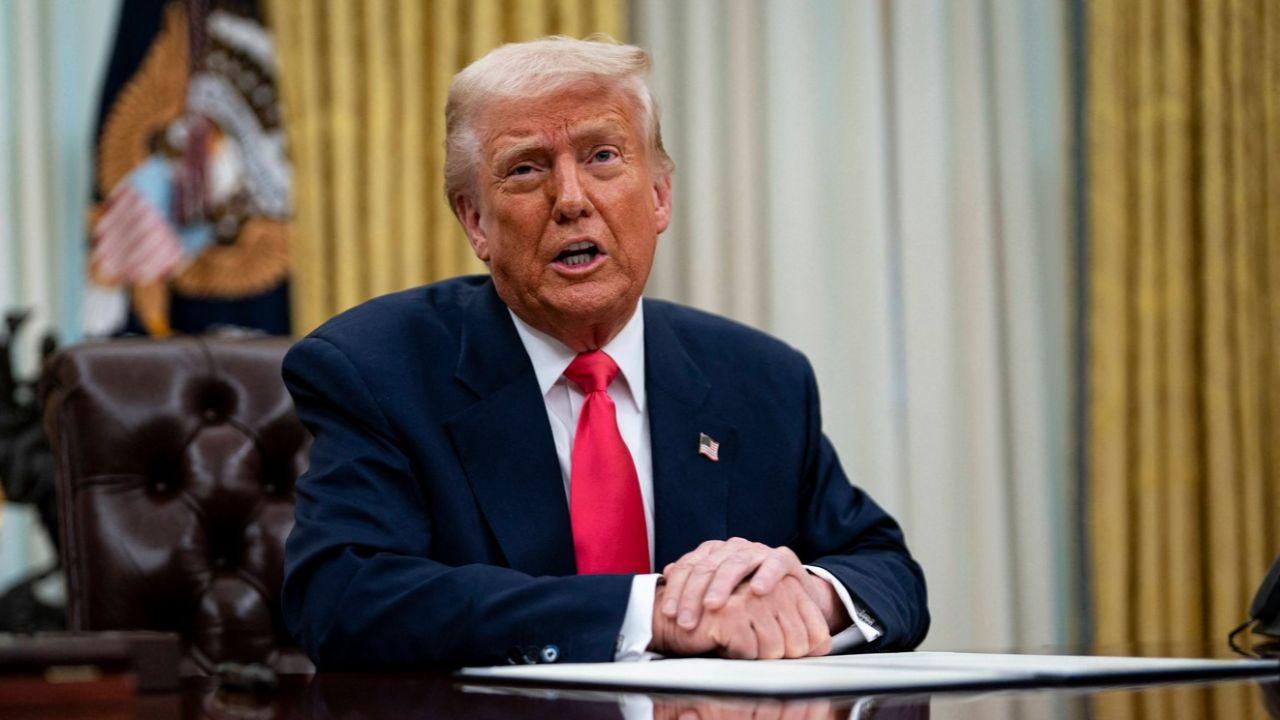
Trump had urged voters to treat the midterms as a referendum on his leadership.
Smith said Trump refused to accept that public dissatisfaction with his administration had played a role in the Republican defeats.
During his appearance with Sean Hannity, Smith described the president's reaction when asked whether he was prepared to accept responsibility.
"He was dogged ... he was immovable," Smith said.
According to the commentator, Trump maintained that Republican candidates had failed to connect with voters and suggested the results would have been different if he had personally been running.
Smith disagreed with that assessment. He argued that voters were responding to what they perceived as Trump's lack of focus on issues affecting their everyday lives.
The president also discussed rising fuel prices and the economic impact of the conflict in Iran during the interview. Smith questioned whether the administration's policies, including tariffs, had contributed to the Republican losses.
Trump acknowledged that the war could have short-term political consequences, while defending his decision to pursue it, according to the interview transcript.
Interview Ranged Beyond The Election

Never Miss an

Daily updates from the heart of Hollywood, right to your inbox
By entering your email and clicking Sign Up, you’re agreeing to let us send you customized marketing messages about us and our advertising partners. You are also agreeing to our Terms of Service and Privacy Policy.
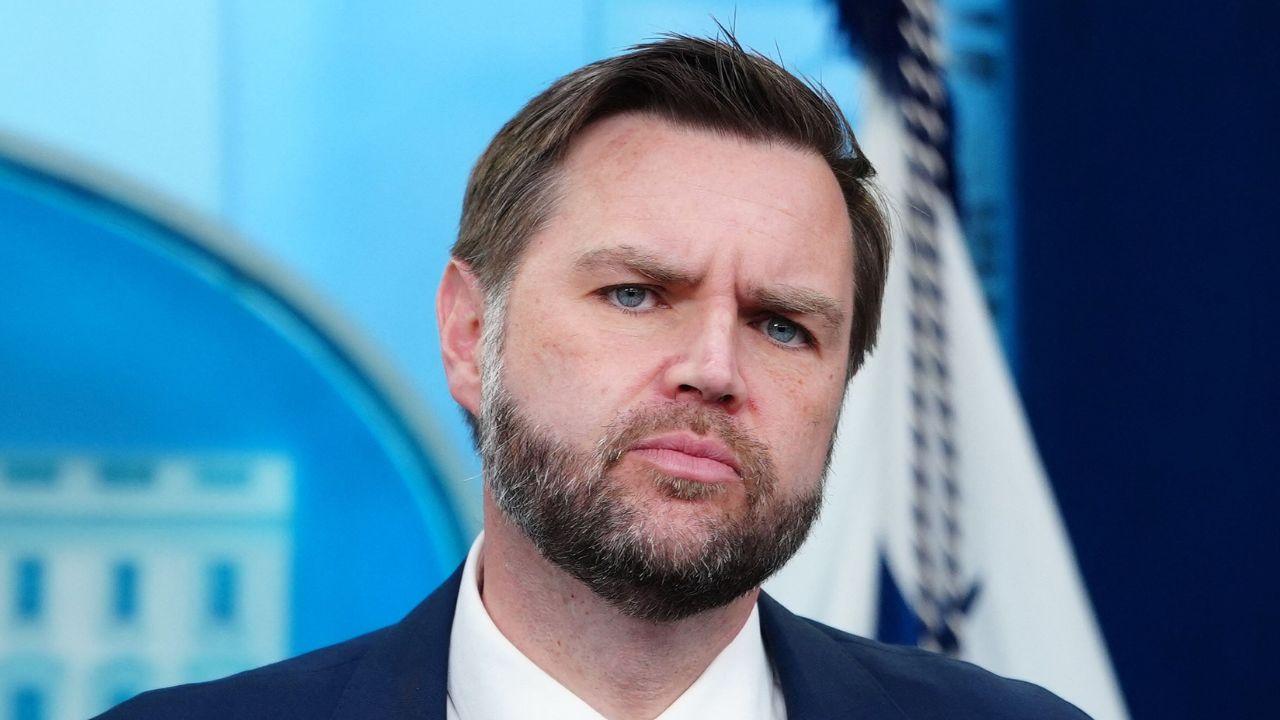
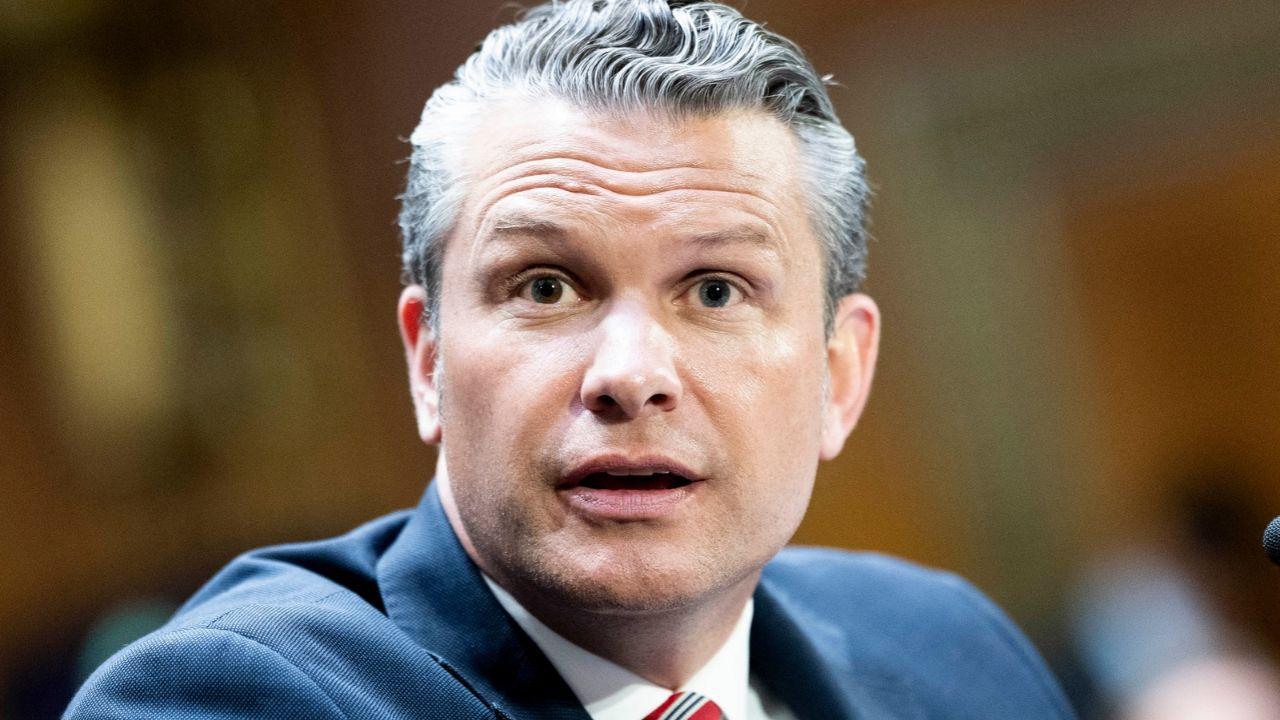
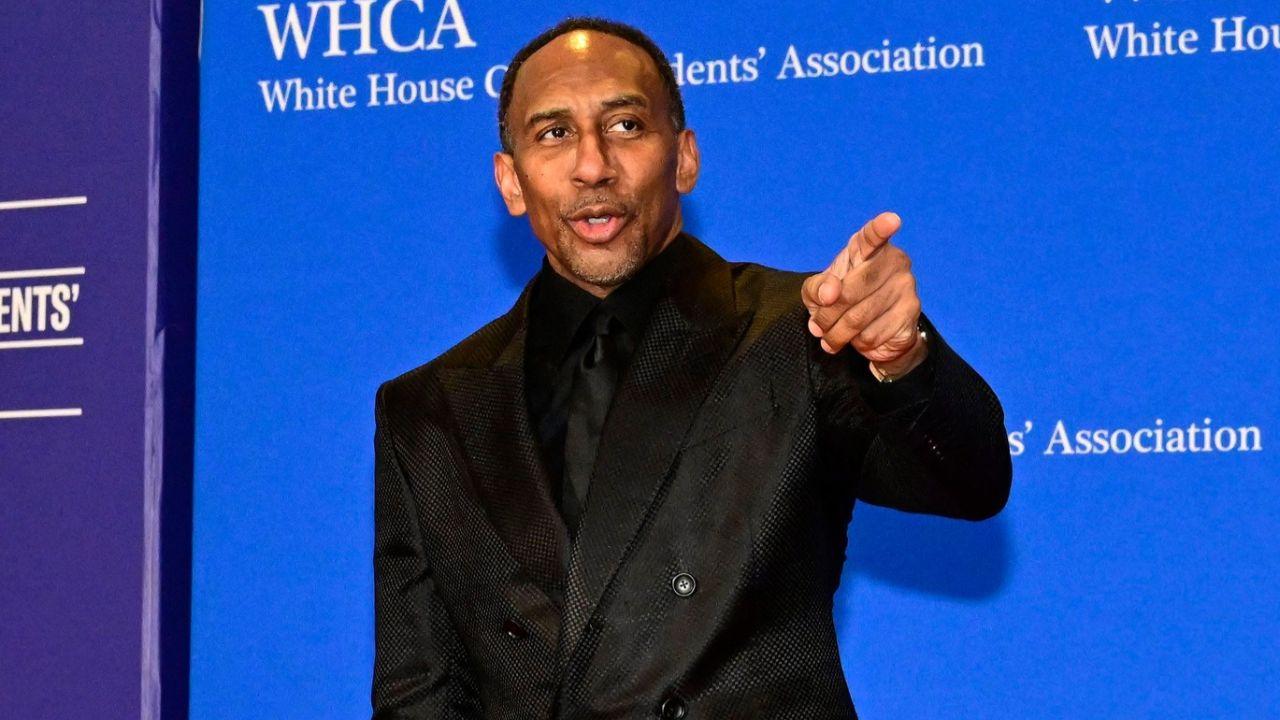
Smith said Trump was “immovable” when asked whether he would accept responsibility.
The discussion was not limited to the midterms. Smith said he also questioned Trump about Nvidia and its leadership, including CEO Jensen Huang.
The commentator later described the president as unwilling to acknowledge that his position might be mistaken.
"He doubled down," Smith told reporters. "He's not one to sit up there and acknowledge that he was mistaken."
Despite disagreeing with some of Trump's answers, Smith said he appreciated that the president had agreed to the interview and addressed the questions put to him.
Smith also used his Hannity appearance to discuss the Democratic Party's political challenges. He warned that divisions within the party, particularly over the influence of its progressive wing, could make it harder for Democrats to appeal to a broader group of voters.
