


EXCLUSIVE: Pedophile R. Kelly 'Spent Days Mercilessly Coaching Child Abuse Tape Victim to Lie About Their Relationship Like a Military Drill Sergeant'

Reshona Landfair's experiences with R. Kelly are detailed in her new memoir.
Feb. 3 2026, Published 5:00 p.m. ET


RadarOnline.com can reveal R. Kelly child s-- tape victim Reshona Landfair claimed the warped R&B star spent days mercilessly drilling her as a child to lie about their sexual relationship – comparing the preparation to a military‑style rehearsal designed to protect him from prosecution.
Now 42, Landfair has waived her anonymity to publish a memoir and speak publicly for the first time about the abuse she said she suffered over more than a decade at the hands of the now jailed 59‑year‑old singer, who is serving federal sentences for child sexual abuse and exploitation.
Inside Reshona Landfair's New Memoir


Reshona Landfair released her new memoir on February 3, 2026.
In Who's Watching Shorty? Reclaiming Myself from the Shame of R. Kelly's Abuse, released on Tuesday, February 3, the former child rapper from Chicago details how, as a 14-year-old, she became the girl in the notorious abuse tape that later sat at the center of Kelly's criminal cases.
The book sets out how Kelly – whom she had been encouraged to ask to be her godfather – groomed her, filmed sexual encounters when she was underage, and then trained her for hours to deny the relationship to police, child protection officials, and, later, a grand jury.
Landfair, who first met Kelly through her aunt, R&B singer Sparkle, said her decision to speak now is the final step in reclaiming her name and identity.
'It Was Long Days of Grooming'
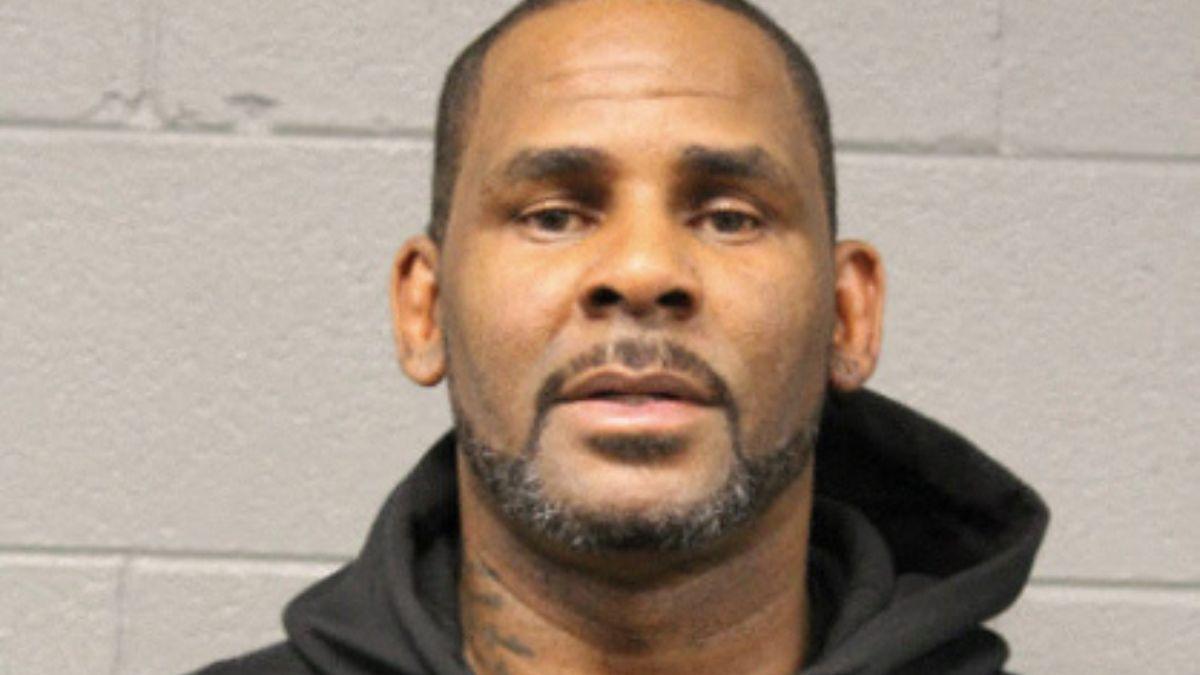
The singer is accused of subjecting the fourteen-year-old to long days of grooming and rehearsals.
Describing the period when Illinois child protection officials began probing allegations that Kelly was abusing her, Landfair alleges the singer subjected her to punishing rehearsal sessions so she could smoothly lie about their relationship.
He is said to have walked her line by line through a false version of events, anticipating questions from investigators and family members and forcing her to repeat her answers until they satisfied him.
Landfair said the aim was to ensure she would walk out the door and represent it exactly as he demanded, insulating him from legal consequences while leaving her, still a child, to carry the burden of the secret.
"It was long days of rehearsals, it was long days of grooming," Landfair claims.
"It was until you got it right. Until he felt like you could walk out the door and represent it the way he translated it. It would take that long."
She said the preparation left her feeling that there was no safe adult she could tell the truth to and that any mistake on her part would lead to punishment from Kelly and chaos within her family.
Overcoming Silencing and Coercive Control
Kelly monitored Landfair through house-arrest-style conditions in tour buses and studios.
Landfair writes that, under the pressure of that conditioning, she denied the abuse when first questioned and later told a grand jury that the girl on the tape was not her, a decision that has weighed on her ever since.
She said she now understands the drills as part of a broader pattern of coercive control that included isolation, physical violence, and tight monitoring of her movements, described in the memoir as "house arrest"-style conditions in tour buses, studios, and makeshift rooms.


Never Miss an

Daily updates from the heart of Hollywood, right to your inbox
By entering your email and clicking Sign Up, you’re agreeing to let us send you customized marketing messages about us and our advertising partners. You are also agreeing to our Terms of Service and Privacy Policy.
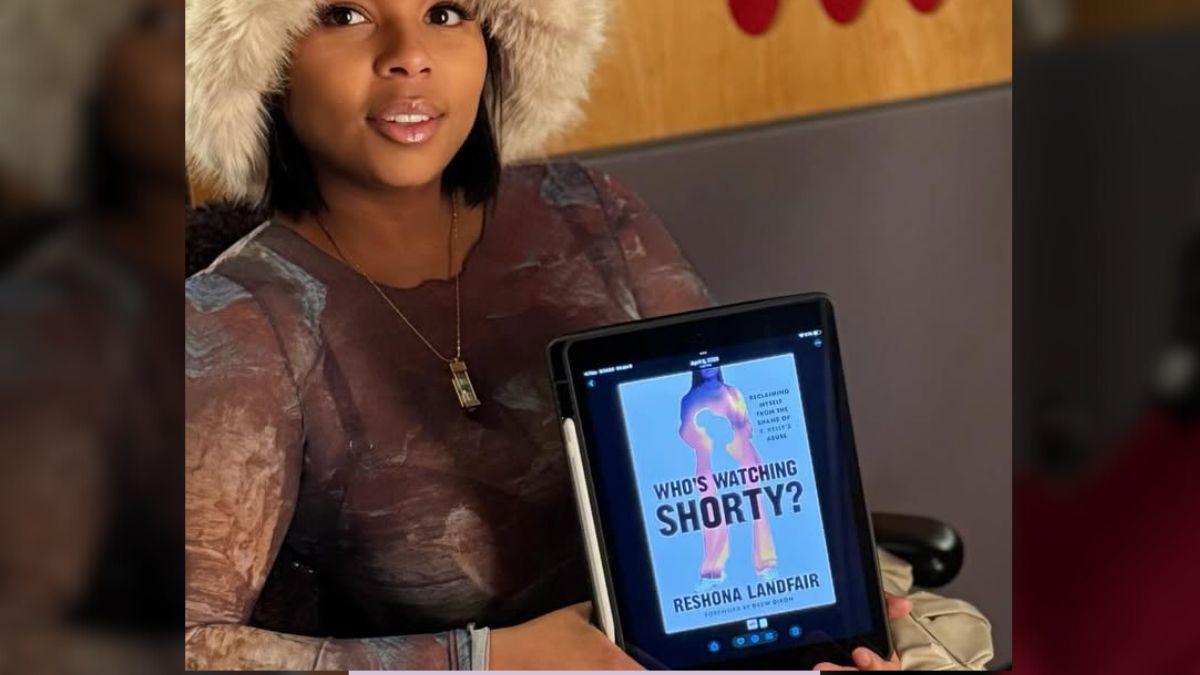
Landfair felt that no safe adult existed for her to tell the truth.
She also recounts how that intensive coaching shaped her adult life, leaving her fearful that colleagues, friends, or partners would recognize her as "the girl in the tape" and judge her for lies she had been forced to tell as a frightened teenager.
"There's no job that I can apply for where this isn't the forefront of my life. There's no relationship I could be in where this isn't the forefront of my life," Landfair says.
"(I felt) like I was losing power. I came to a conclusion one day, and I said, 'If I just lay all of this out, I no longer have to explain myself. I no longer have to fear the whispers about me at the table, 'Oh, you know who that is?'… once I realized that I didn't have peace or privacy (by hiding), I had to take ownership.'"
