


EXCLUSIVE: Prince William 'Set to Turn Royals into Autograph-Signing Celebs' When He Becomes King

Prince William may be looking to shake up the monarchy when he's king.
Nov. 27 2026, Published 1:30 p.m. ET


Prince William could consign one of the monarchy's longest-standing conventions to history by allowing members of the royal family to sign autographs as part of his ambitions to create a more approachable and modern institution, RadarOnline.com can reveal.
The Prince of Wales, 44, is understood to favor sweeping reforms when he succeeds King Charles III, 78, with speculation mounting over whether he could abandon the late Queen Elizabeth II's restrictions on autograph signing.
'Change Is On My Agenda – Change For Good'

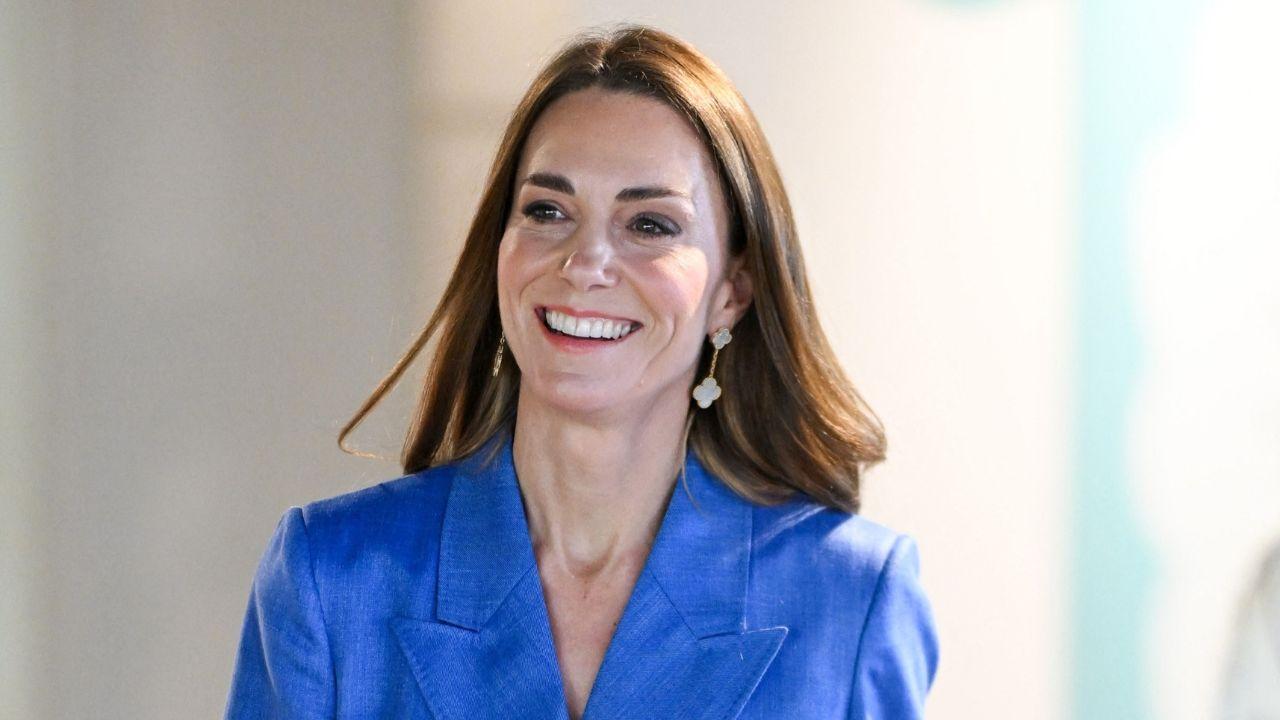
Princess Catherine declined requests for autographs during a visit to India.
His wife, Princess Catherine, 44, recently declined requests for autographs during a visit to India, where she accompanied cricket legend Sachin Tendulkar, 53.
William has previously acknowledged his appetite for modernization, telling actor Eugene Levy, 79, during an appearance on the Apple TV series The Reluctant Traveller: "change is on my agenda – change for good."
He added: "I want to create a world in which my son is proud of what we do, a world and a job that actually does impact people's lives for the better".
While royal convention has traditionally discouraged autograph signing, several members of the family have adopted a more relaxed approach.
Queen Camilla, 79, personally signs correspondence, while Princess Michael of Kent, 81, has signed copies of her books. Sarah Ferguson, 67, has also readily provided autographs.
But a source claimed, "William is looking at virtually every aspect of royal life and questioning whether some of these centuries-old conventions still serve a meaningful purpose.
"The prohibition on signing autographs is precisely the sort of tradition that could come under his reform. "People are accustomed to meeting celebrities and getting a signature, so why should meeting a member of the royal family be so different is his thinking.
"William wants the monarchy to feel more accessible and less detached from ordinary people. Allowing royals to sign autographs could be a relatively simple way of breaking down some of those barriers."
"However, traditionalists are arguing that it risks turning the royal family into a collection of autograph-signing celebrities, but William has already made clear that he is not afraid of change," the insider noted.
Radical Shake-Up Could Strip Own Kids of HRH Titles
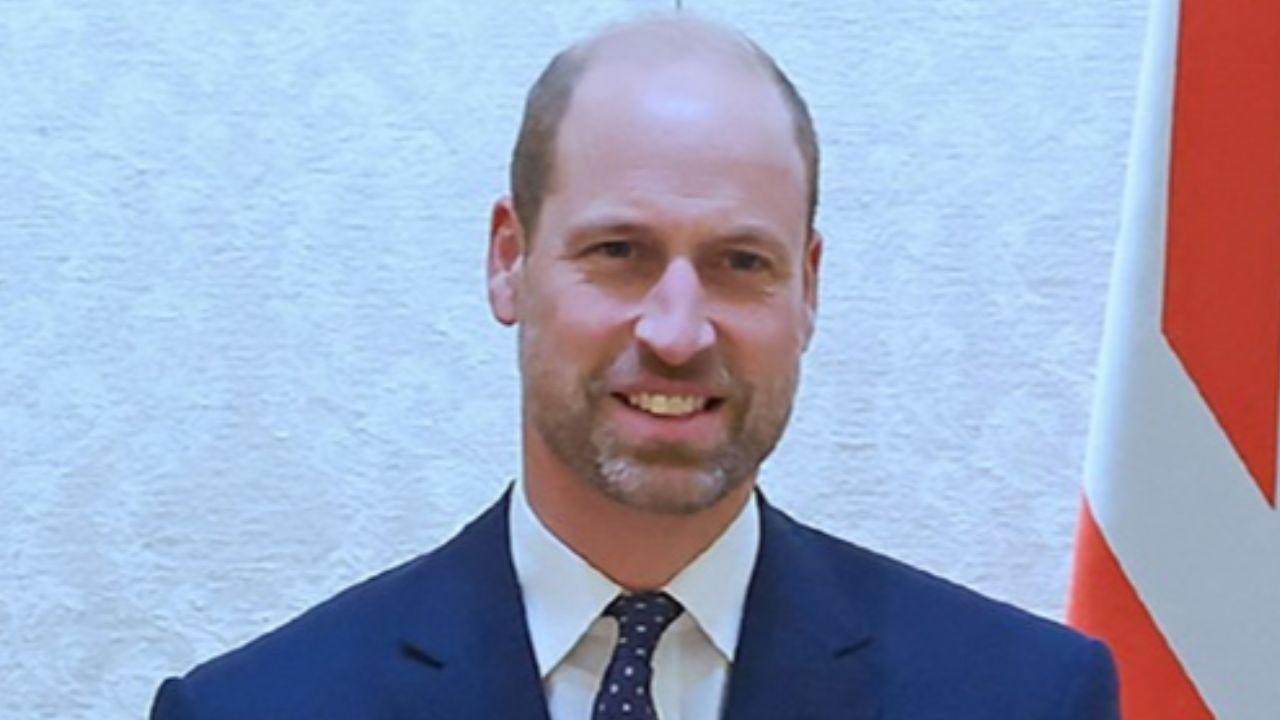
Prince William wants to make the monarchy more approachable, sources claim.
The speculation comes amid rumors that William could remove royal titles from his own children when he becomes king, under proposals to modernize the monarchy and establish a clearer distinction between working royals and private citizens, according to a royal author.
The future king is said to favor giving Princess Charlotte, 11, and Prince Louis, eight, greater freedom to determine their futures. His alleged proposals are outlined by Tom Sykes in his forthcoming book, Dukes of Hazard: Harry, Andrew and Edward VIII: The Spares Who Shook the Throne, which examines William's reported ambitions for his reign.
Friends told the author William is focused on the "liberation of his children."
While Prince George, 13, is destined to inherit the throne, his younger siblings could be offered the opportunity to pursue careers outside the royal institution without retaining their HRH styles.
The approach would draw inspiration from Princess Anne, 76, and Prince Edward, 62, whose children grew up without using HRH styles.
No Work, No Royal Cash Under Ruthless New Rules
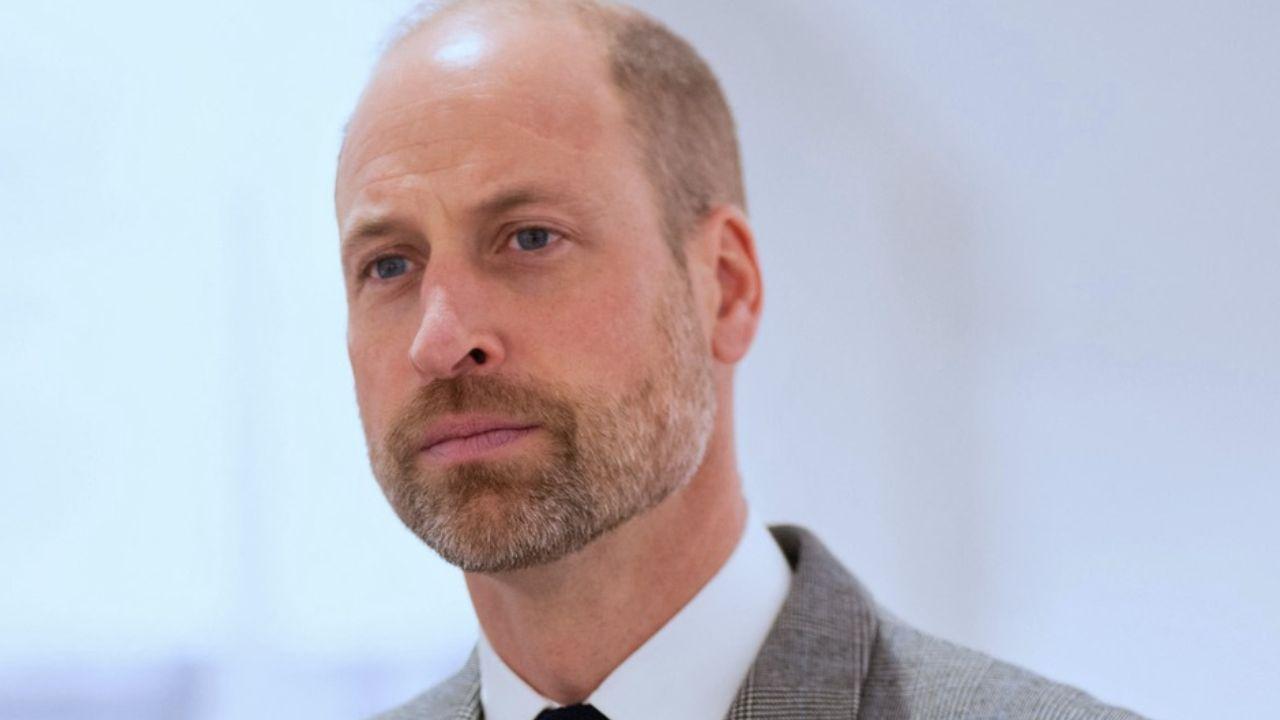
A source said Prince William questioned centuries-old royal conventions.
Under the rumored proposed arrangements, working members of the royal family would receive salaries, allowances, and accommodation in exchange for undertaking official engagements.
Those choosing not to participate would be expected to support themselves financially without the privileges associated with representing the monarchy.
The alleged proposals could also have implications for the Duke and Duchess of Sussex, who stepped back from royal duties in 2020 and subsequently established independent commercial interests in the US.
Royal aides have indicated William's immediate priorities remain supporting his family and fulfilling his responsibilities as Prince of Wales, particularly following Catherine's cancer diagnosis in 2024.
He and Catherine's recent visit to India also offered an indication of their ambitions for a more focused approach to international royal engagements.
$656M Estate Sell-Off Signals Slimmed-Down Monarchy

Never Miss an

Daily updates from the heart of Hollywood, right to your inbox
By entering your email and clicking Sign Up, you’re agreeing to let us send you customized marketing messages about us and our advertising partners. You are also agreeing to our Terms of Service and Privacy Policy.
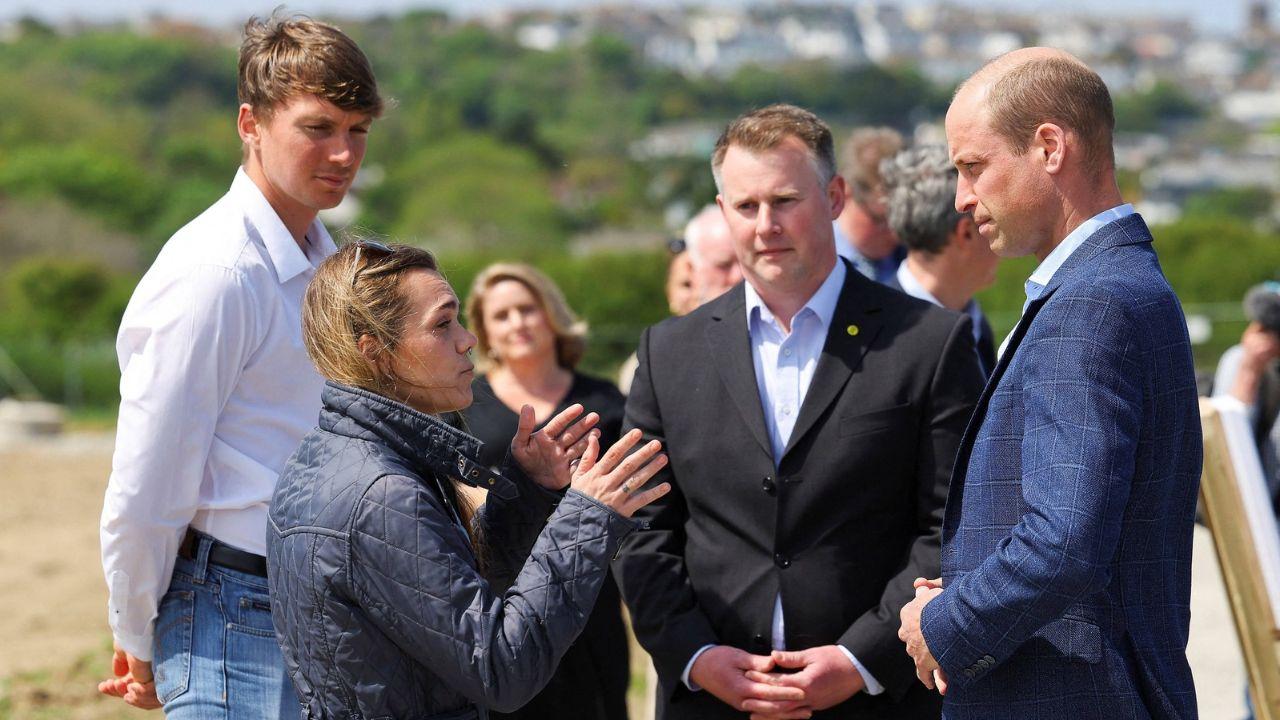
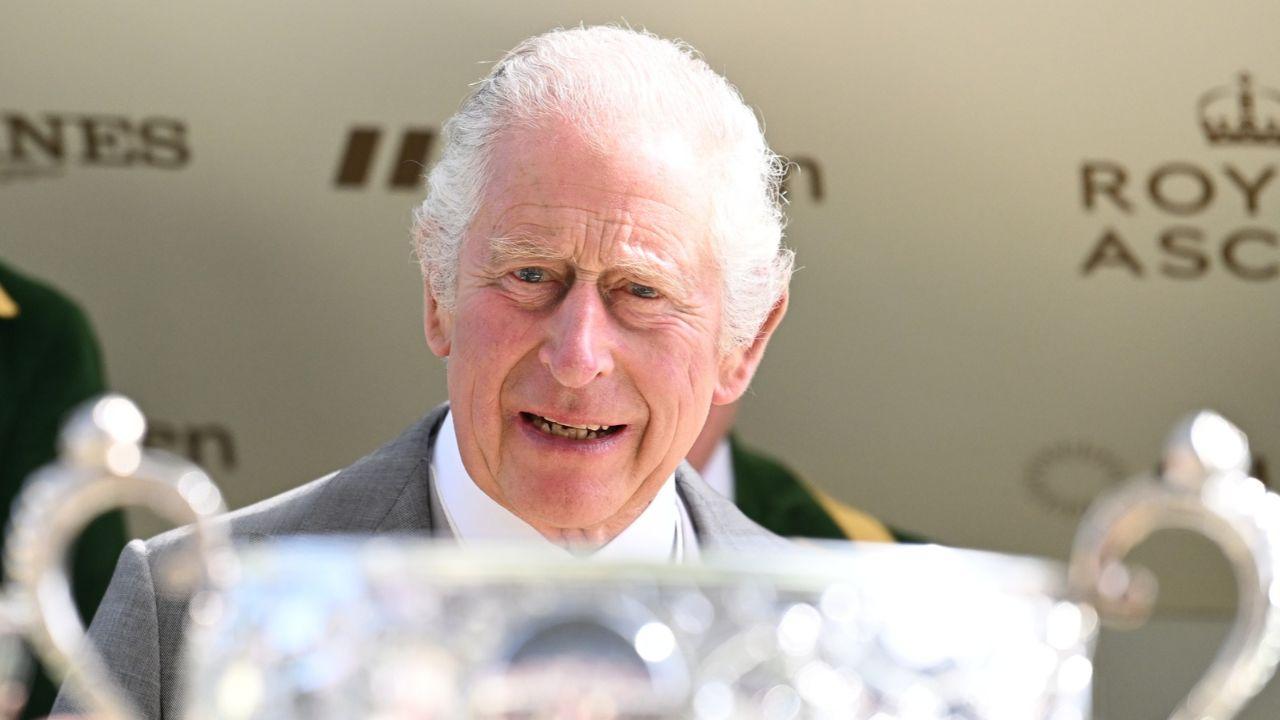
Officials announced plans to sell 20% of the Duchy of Cornwall estate.
William's management of the Duchy of Cornwall has provided another illustration of his willingness to reconsider longstanding institutional arrangements.
Plans have been announced to sell approximately 20% of the estate over the next decade, raising £500million ($656million) for projects including affordable housing, renewable energy and environmental initiatives.
A spokesperson for William said: "He's gone and looked under the bonnet and is now making really difficult decisions and changing an organisation that hasn't been changed for a very long time."
William's vision for a slimmed-down monarchy is understood to involve a smaller group of working royals whose public responsibilities would justify their privileges and financial support. The approach would build on King Charles' longstanding ambition to streamline the institution while making it more accountable and relevant to modern Britain.
William could establish a sharper distinction between family members undertaking official duties and those pursuing independent careers. The latter would be expected to support themselves financially without relying on royal allowances or accommodation.
The proposed reforms could eventually leave the Waleses and the Edinburghs at the center of a significantly reduced royal operation. William is also understood to favor shorter, more purposeful overseas visits and charitable initiatives delivering measurable benefits to communities.
