


EXCLUSIVE: Why 'Undiplomatic and British' Prince William Could Push Andrew Windsor into Being Royal Family's 'Worst Ever Nightmare' When He Becomes King

Prince Andrew is once again central to palace anxiety, and insiders claim tougher treatment of the royal exile from Prince William could end badly for the family.
Jan. 16 2026, Published 5:54 p.m. ET


The "commoner" formerly known as Prince Andrew is once again central to palace anxiety, with insiders telling RadarOnline.com tougher treatment of the sleazy royal exile from his future king nephew Prince William could drive the disgraced ex-duke to retaliate with tell-all television interviews or a memoir if his finances are squeezed too hard.
The former Duke of York, 65, now formally styled Andrew Mountbatten Windsor after being stripped of his royal titles in the wake of his Jeffrey Epstein scandal, has lived largely out of public view since years of controversy linked to his friendship with the convicted s-- offender.
William Draws A Hard Line On Andrew's Lifestyle

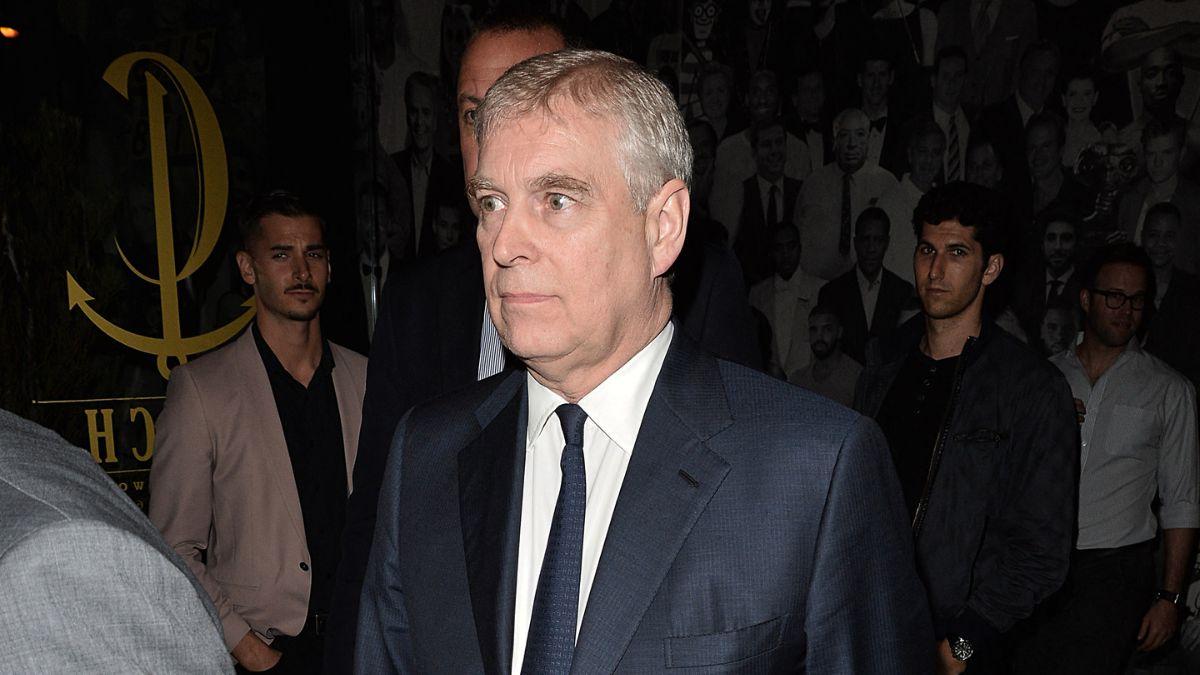
Prince Andrew is causing fresh concern inside the palace.
Late last year, King Charles III, 77, finalized the removal of Andrew's remaining royal status in an attempt to draw a line under the scandal.
Yet those close to the palace say Windsor's private lifestyle has barely changed, even as public tolerance for any lingering privilege has evaporated.
But according to one palace aide, the situation could worsen if William, 43, moves decisively against his uncle when he eventually becomes king.
"William's tolerance for Andrew's situation is almost non-existent," the source said.
"He looks at the way his uncle continues to live and sees it as a direct affront to the standards the monarchy is supposed to uphold. In William's mind, the era of indulgence should have ended the moment Andrew lost his royal roles."
Financial Squeeze Could Trigger Revenge Move
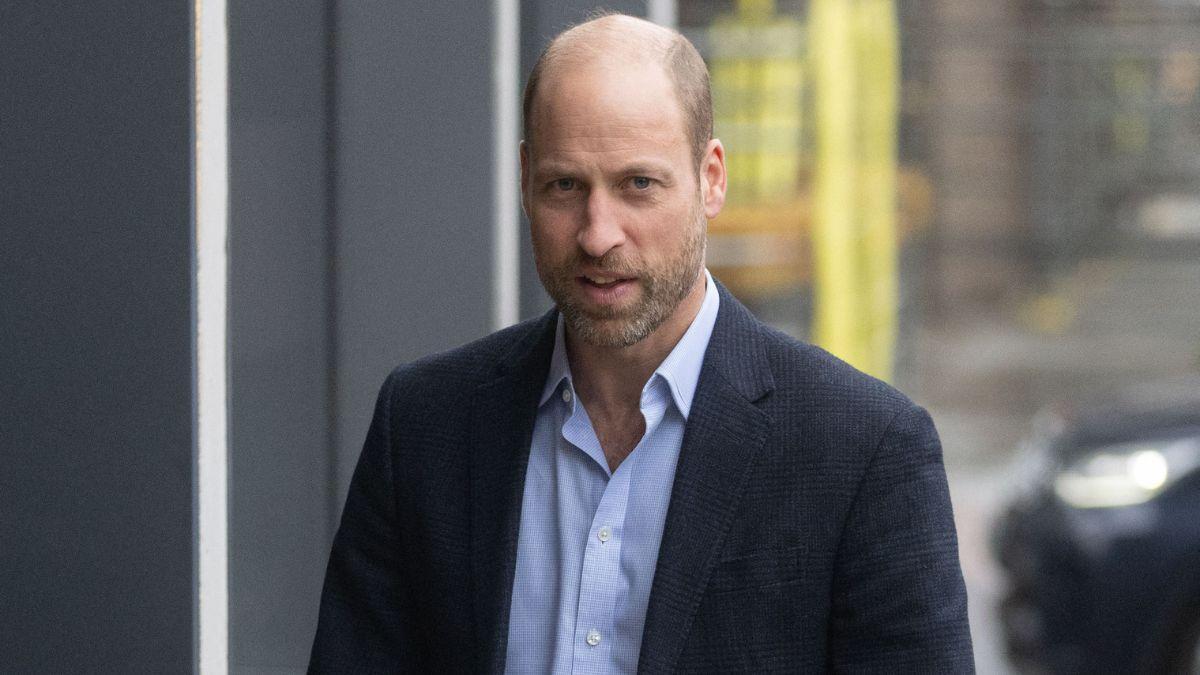
Insiders said Prince William plans tougher treatment for his uncle.
But the source stressed: "The danger is that cracking down too aggressively could have unintended consequences. If Andrew feels financially strangled and completely stripped of security, he may reach the conclusion that he has nothing left to protect.
"At that point, the instinct to act out, speak publicly or pursue his own interests without regard for the family becomes far more likely."
The insider also cautioned: "Andrew is effectively cut off from any conventional means of earning a living. He has no formal position, no public-facing role and very little independent income to fall back on. That leaves him in a precarious position, both financially and psychologically."
They added: "If he starts to feel deliberately punished or boxed into a corner, the idea of monetizing his experiences becomes far more appealing. A memoir or a high-profile television interview would suddenly look like a lifeline rather than a betrayal.
"That is why William has to tread carefully, unleashing that kind of public reckoning would be deeply damaging and is exactly the outcome the royal family is desperate to avoid."
Lavish Habits Persist Despite Royal Exile
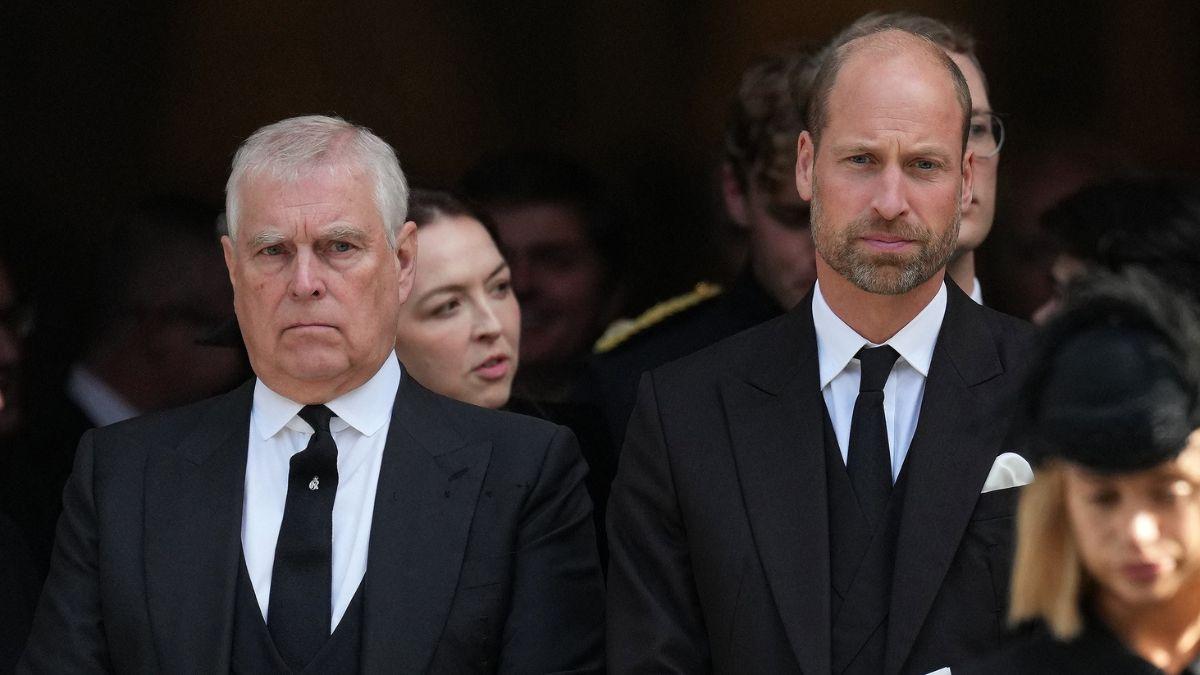
William believes Andrew no longer deserves special treatment.
William may seem calm, but he is actually one of the more undiplomatic royals when it comes to talk of getting the institution "cleaned up."
However, he could learn a lot from his father's more "softly, softly" approach.
Windsor is in the process of moving out of the Royal Lodge, the 31-room Grade II-listed property in Windsor valued at around $40million he has shared with his ex-wife Sarah Ferguson, 66, for years despite their divorce decades ago.
Even though Charles has ordered Windsor into a humbler royal home, another palace source said the monarch's younger brother's daily routine remains lavish.
"He continues to insist on all the trappings of a grand household, even when there is no audience for it," the insider added.
"Dinner is still presented as a full, formal affair each night, complete with silver service, regardless of whether he is entertaining guests or sitting alone at the table."
The source continued: "That routine reflects a broader mindset. Andrew still behaves as if his status remains intact, projecting an air of entitlement and expecting those around him to defer to him in the same way they always have. From the perspective of staff, it can feel as though he believes nothing fundamental about his position has actually changed."

Worst Case Scenario For The Monarchy

Never Miss an

Daily updates from the heart of Hollywood, right to your inbox
By entering your email and clicking Sign Up, you’re agreeing to let us send you customized marketing messages about us and our advertising partners. You are also agreeing to our Terms of Service and Privacy Policy.
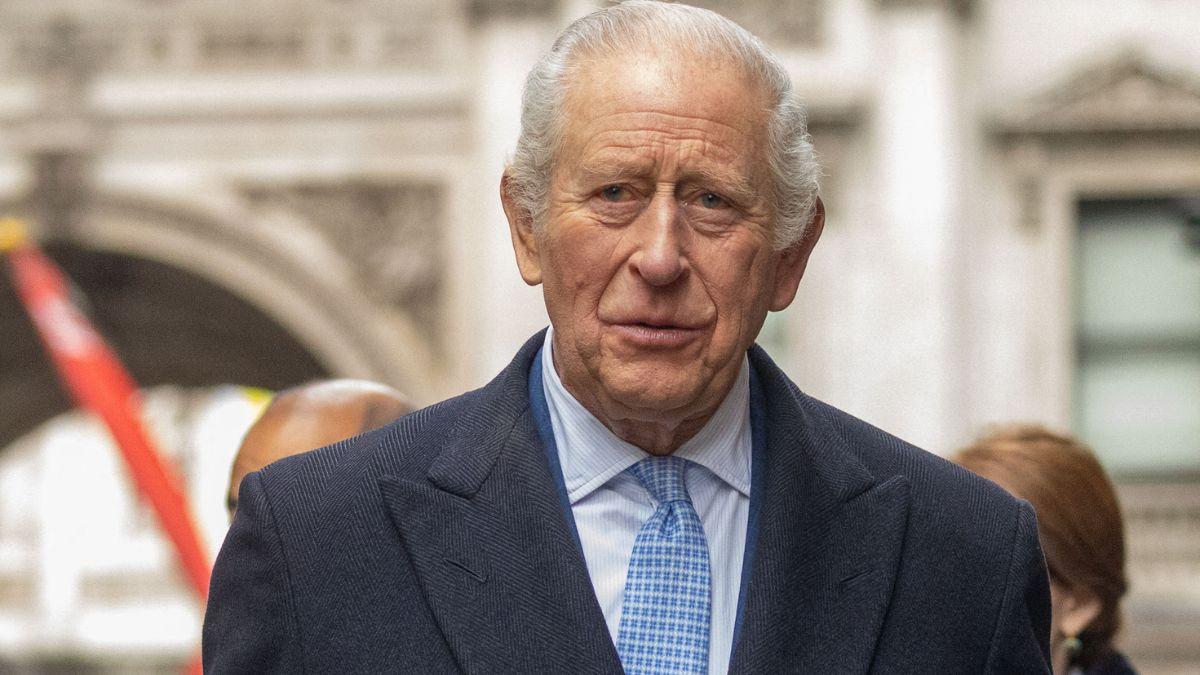
Charles preferred a cautious approach to avoid fallout.
Other palace sources said the King's approach to Windsor has been pragmatic rather than punitive.
"Charles is acutely aware of how fragile the situation could become if it is mishandled," one mole said.
"He has no appetite for driving his brother into a corner where he feels completely abandoned or humiliated, because he believes that kind of pressure would be dangerous."
The insider continued: "If Andrew were suddenly stripped of all financial support and stability, the only leverage he would have left would be what he knows about the family. That is precisely the scenario Charles is trying to prevent, because once those doors are opened, there is no easy way to contain the fallout."
William's stance is far less forgiving. "William's view is that Andrew forfeited any right to special treatment the moment he stopped being a working royal," another source told us.
"From his perspective, that means living within the same kind of financial limits as any other private individual, without the cushion of palace-funded comforts."
The source added: "He feels his father has been far too generous in allowing Andrew's lifestyle to continue largely unchanged. William is resolved that, when he eventually becomes king, there will be a far stricter approach, and he fully intends to rein in what he sees as unjustifiable excess."
That determination, insiders warn, could backfire badly.
"Andrew carries decades' worth of resentment and an intimate understanding of how the royal household really operates," the source said.
"He has seen and heard far more than most people ever will, and that history gives him a powerful, if dangerous, form of leverage.
"If he were pushed into a position where he felt exposed, humiliated or financially desperate, there is a genuine risk he could decide to use that knowledge against the family.
"That prospect is not lost on William, who is well aware that an embittered and unrestrained Andrew would represent one of the most serious threats the monarchy could face."
