


EXCLUSIVE: Pete Hegseth Hit With Explosive Pentagon Lawsuit Over Elon Musk's Role in Secretive Warfare Committee

Pete Hegseth and Elon Musk are at the center of a federal lawsuit challenging the Pentagon's secretive warfare advisory committee.
Nov. 3 2026, Published 6:00 p.m. ET


Defense Secretary Pete Hegseth has been dragged into a federal lawsuit over a Pentagon warfare committee involving billionaire Elon Musk, as government watchdogs accuse military officials of violating federal transparency laws, RadarOnline.com can reveal.
According to court documents reviewed by Radar, three watchdog organizations filed a lawsuit on November 2 against the Department of Defense, Hegseth and senior Pentagon official Emil Michael, challenging the creation and operation of a powerful advisory committee tasked with shaping America's military future.
Pentagon's Future Warfare Plans Under Fire


Anduril founder Palmer Luckey is among the defense technology figures whose roles on the Pentagon's warfare committee have drawn scrutiny in a federal lawsuit.
The lawsuit, filed in Washington, D.C., by Citizens for Responsibility and Ethics in Washington (CREW), Public Citizen and the Project On Government Oversight (POGO), targets an initiative known as Project Meridian: The Future of Warfare.
Hegseth commissioned the committee on September 30 to examine emerging battlefield technologies, identify future military capabilities and recommend ways to develop and deploy advanced weapons systems.
The initiative features Musk, defense technology billionaire Palmer Luckey and former House Speaker Newt Gingrich in prominent leadership roles.
However, watchdogs argue that the committee's composition raises serious questions about corporate influence over Pentagon decisions.
Elon Musk's Pentagon Connections Spark Concerns

Elon Musk's defense contracts have raised concerns about potential conflicts of interest in Pentagon decision-making.
Musk leads SpaceX, which holds major government contracts, while Luckey founded Anduril Industries, a defense technology company specializing in advanced military systems.
According to the lawsuit, numerous committee participants have financial interests in industries that could benefit from the Pentagon's future weapons recommendations.
The plaintiffs argue that allowing defense industry executives to help shape military strategy without sufficient independent representation creates potential conflicts of interest.
They also accuse the Pentagon of failing to comply with the Federal Advisory Committee Act, which establishes transparency and membership requirements for federal advisory bodies.
The allegations have not been established by a court.
Watchdogs Demand Pentagon Accountability
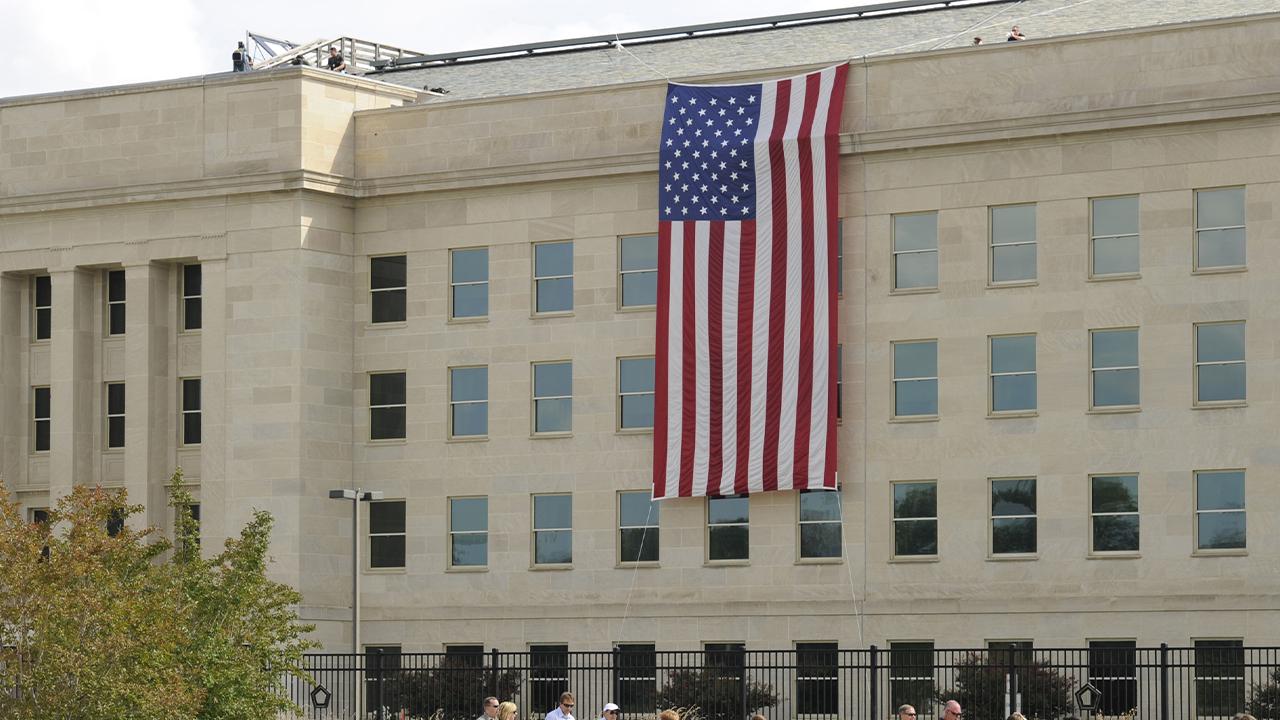
Three watchdog groups accuse the Pentagon of violating federal transparency requirements.
The lawsuit claims the department failed to make committee records publicly accessible, provide public access to meetings and ensure balanced representation among members.
CREW President Donald K. Sherman accused the department of seeking private advice from defense contractors with substantial potential conflicts.
Meanwhile, Public Citizen co-president Robert Weissman warned that committee members could recommend increased spending on artificial intelligence and advanced weaponry benefiting their industries.
POGO interim executive director Isabel Munilla similarly questioned whether defense contractors should have such significant influence over future military priorities.
The organizations want the committee prevented from operating unless it complies with federal law.

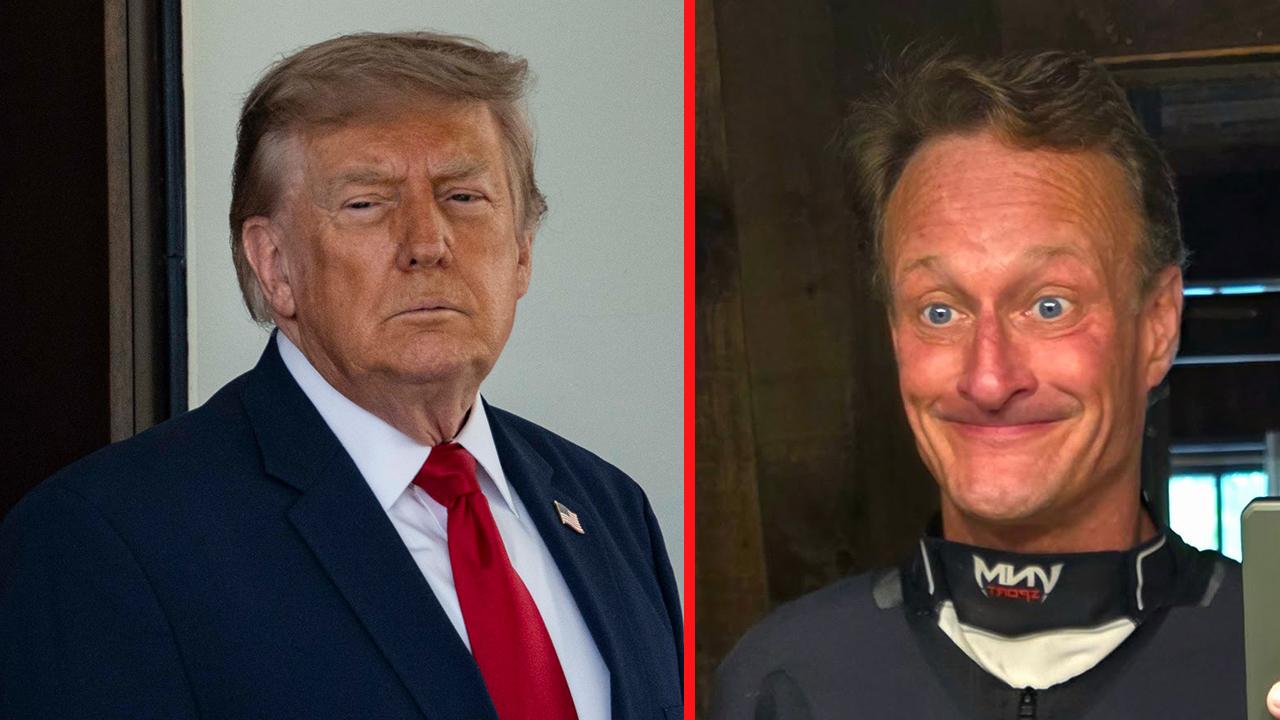
Hegseth's Military Initiative Faces Legal Challenge

Never Miss an

Daily updates from the heart of Hollywood, right to your inbox
By entering your email and clicking Sign Up, you’re agreeing to let us send you customized marketing messages about us and our advertising partners. You are also agreeing to our Terms of Service and Privacy Policy.

Pete Hegseth's military advisory initiative faces a legal challenge over its membership and operations.
The lawsuit follows an October 29 letter from POGO requesting that an independent government accountability expert be appointed to Project Meridian.
The organization argued that the committee lacked sufficient representation from individuals focused on taxpayer protections and defense spending oversight.
The Pentagon has previously defended the initiative, telling NPR that MITRE, the nonprofit organization overseeing the study, would evaluate recommendations using technical scrutiny and conflict-of-interest safeguards.
The department has not been found liable for violating the Federal Advisory Committee Act.
The lawsuit now places Hegseth's ambitious military technology initiative under federal judicial scrutiny as watchdogs seek greater transparency over who influences America's future defense strategy.
