


EXCLUSIVE: Marilyn Monroe's Murder Solved — New Claims The Bombshell's Death 'Definitely' WASN'T Suicide

New proof claims Marilyn Monroe's murder solved, showing bombshell evidence that her death was not suicide.

March 8 2026, Published 9:00 a.m. ET


According to a shocking new claim, Marilyn Monroe's death wasn't an apparent suicide after all, RadarOnline.com can reveal.
For more than 60 years, the Hollywood bombshell's death has been wrapped in doubt and contradiction.
Was it an accidental overdose by a troubled star? A deliberate suicide by a woman overwhelmed by fame and loneliness? Or – most unsettling of all – was she murdered?
Marilyn Monroe Death Cover-Up Claim

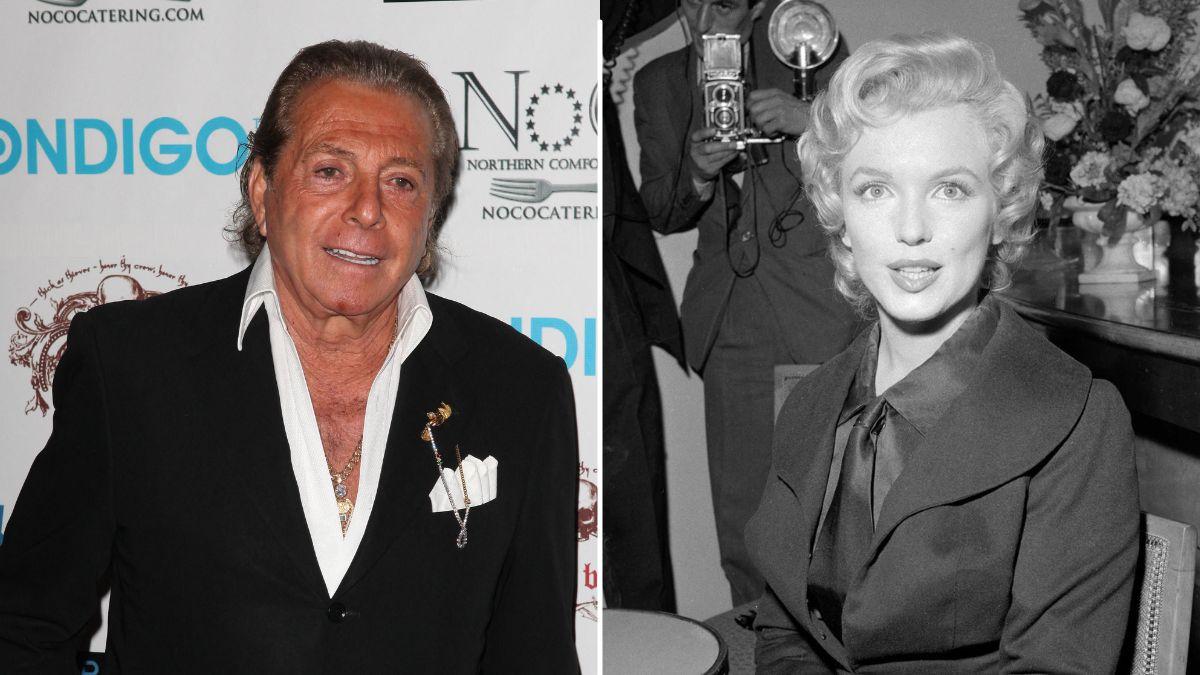
Gianni Russo alleged in 'Mafia Secrets: Untold Tales from the Hollywood Godfather,' Marilyn Monroe was silenced.
Monroe's death on Aug. 5, 1962, was officially ruled a probable suicide. Pills were found. The narrative was neat. Too neat. And according to Gianni Russo, actor and longtime mob associate, it was also completely false.
In Mafia Secrets: Untold Tales from the Hollywood Godfather, Russo – who played Carlo Rizzi in 1972's The Godfather – claimed Monroe was silenced because she had become dangerous.
By the summer of 1962, Monroe was unraveling, but not in the way history remembers. She was furious. She was talking openly about her affair with Robert F. Kennedy, becoming pregnant and about being pressured into an abortion at six weeks.
Worse still, she was threatening a tell-all press conference. She wanted the world to know how Bobby and his brother, John F. Kennedy, really behaved behind closed doors. That terrified them.
Russo Claims Kennedy Cover-Up Plot
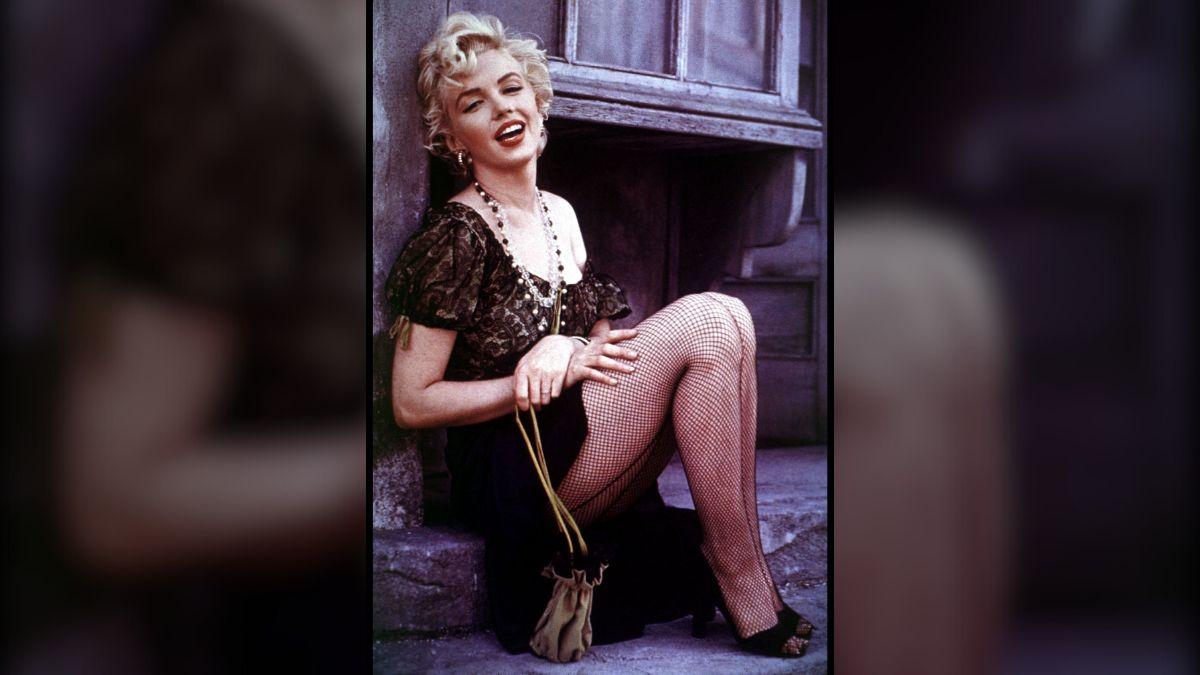
Robert F. Kennedy was claimed to have gone to Monroe's Brentwood home with Peter Lawford to stop her from disgracing the famous family.
According to Russo, the final proof came from Joe DeCarlo, a well-connected nightclub owner who understood how problems quietly disappeared. DeCarlo told Russo that on the evening of Saturday, Aug. 4, 1962, RFK and actor (and Kennedy brother-in-law) Peter Lawford went to Monroe's Brentwood home with one purpose: to stop her from disgracing the famous family.
They pleaded. They argued. They warned her. Monroe refused to be silenced and ordered them to leave, Russo writes.
That was when the decision was made.
"They sent people there," DeCarlo said, according to the book. "They had it handled."
"Handled" meant no visible violence. No needle marks in the arm. No crime scene that would invite scrutiny. Monroe was to die in a way the world would accept.
Chilling Phone Call Before Monroe's Death
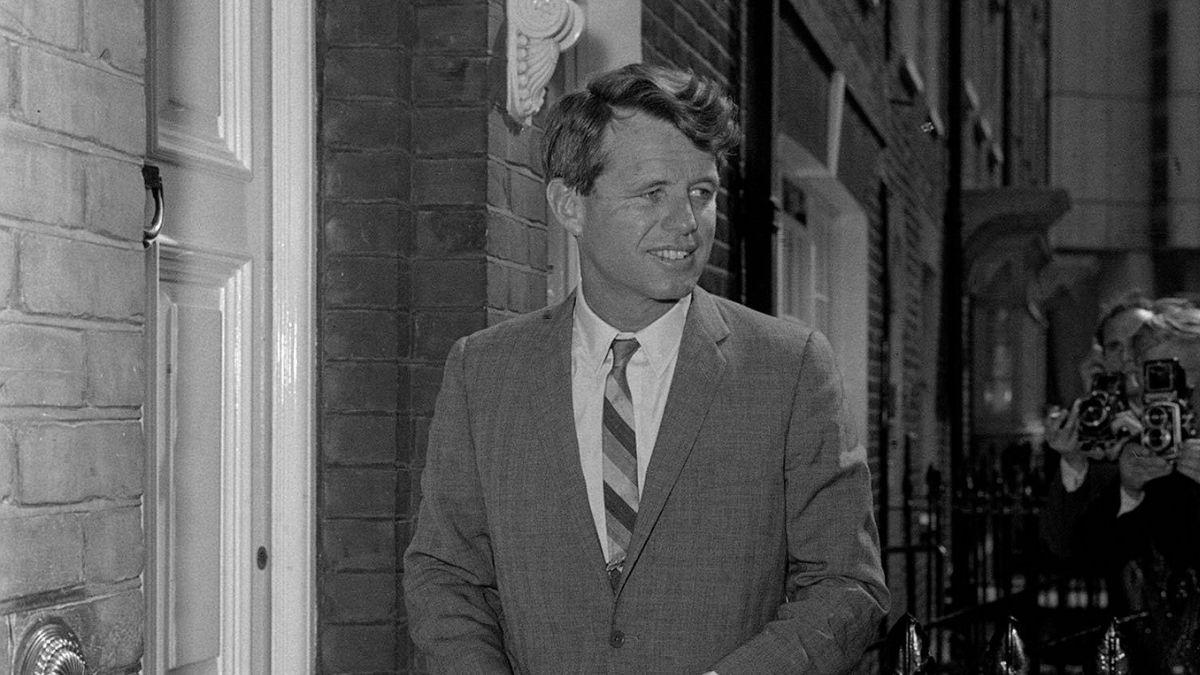
Cited evidence suggested Monroe was fatally overdosed using her own pills.
Later that night, Monroe was believed to be on the phone with a friend named Louise when intruders entered her bedroom through a window. The call was never disconnected. Louise heard Monroe cry out – and say names. She heard a struggle. Then nothing.
According to accounts later echoed by investigative journalist Mark Shaw, Monroe was subdued with a tranquilizer. Her own pills were dissolved into liquid and administered via a drug enema, sending a fatal overdose straight into her bloodstream within minutes.
The coroner later noted an unexplained purplish discoloration in Marilyn's lower colon – an anomaly that never aligned with suicide.
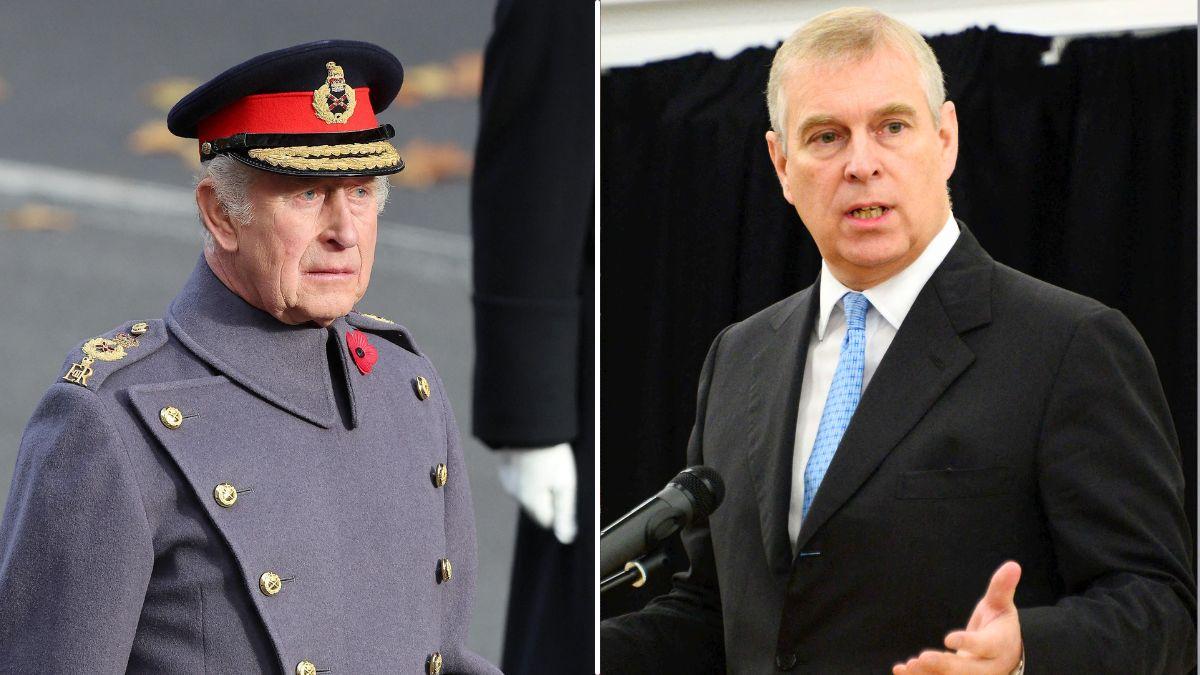
Witness Feared For Family's Life

Never Miss an

Daily updates from the heart of Hollywood, right to your inbox
By entering your email and clicking Sign Up, you’re agreeing to let us send you customized marketing messages about us and our advertising partners. You are also agreeing to our Terms of Service and Privacy Policy.
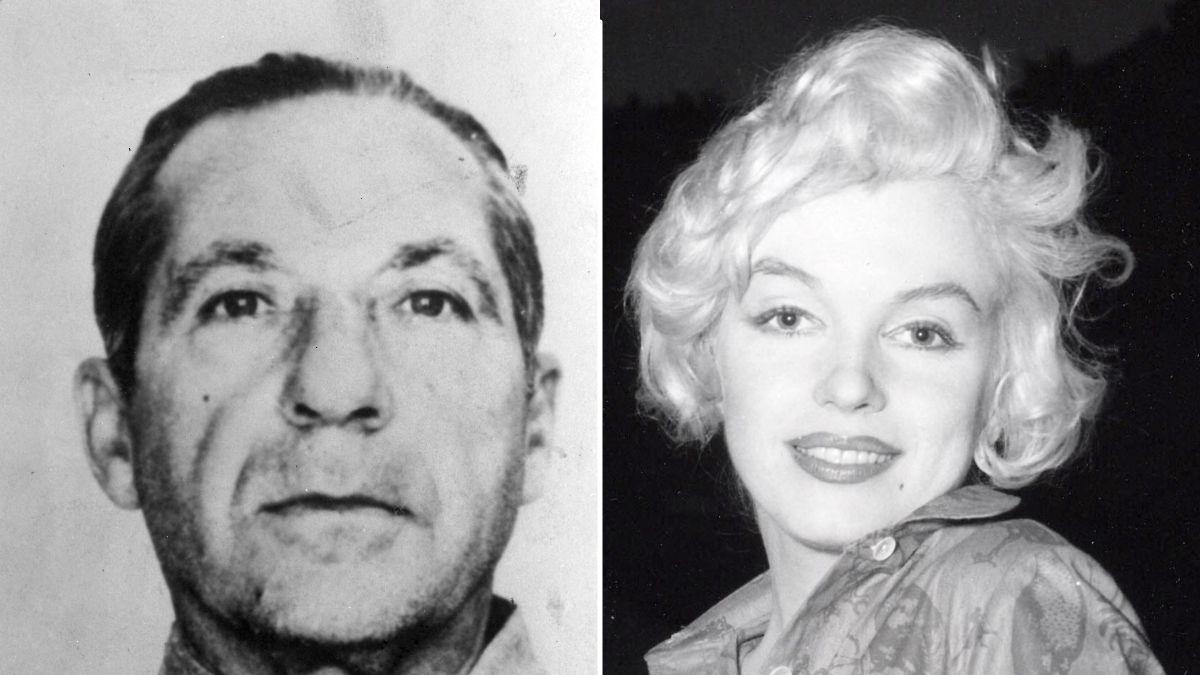
According to Russo, Frank Costello warned Monroe was talking too much.
The FBI questioned Louise. She refused to identify the men she heard that night.
"I can't," she said, according to the book. "Not if I want my family to live."
To Russo, the meaning was unmistakable. A week earlier, he wrote, mob boss Frank Costello had warned him the end was coming. Monroe was talking too much. The Kennedys had too much to lose.
Marilyn Monroe, it seems, was not a tragic casualty of fame or addiction. She was a problem that powerful men decided to erase.
