


EXCLUSIVE: Judge Blocks Trump Administration From Using Hundreds of Millions of Dollars in Anti-Terror Cash to Force Election Changes

Trump's administration was dealt a courtroom blow after a federal judge struck down FEMA conditions tying anti-terror funding to election changes.
Sept. 28 2026, Published 5:00 p.m. ET


The Trump administration has been dealt a major courtroom blow after a federal judge blocked an attempt to tie hundreds of millions of dollars in anti-terrorism funding to sweeping changes in how states run their elections, RadarOnline.com can reveal.
According to court documents obtained by Radar, U.S. District Judge Amir H. Ali ruled on Monday, September 28, that the Federal Emergency Management Agency (FEMA) went beyond the power Congress gave it by making access to federal counterterrorism money dependent on states and local governments changing key election procedures.
Trump's Election Cash Fight

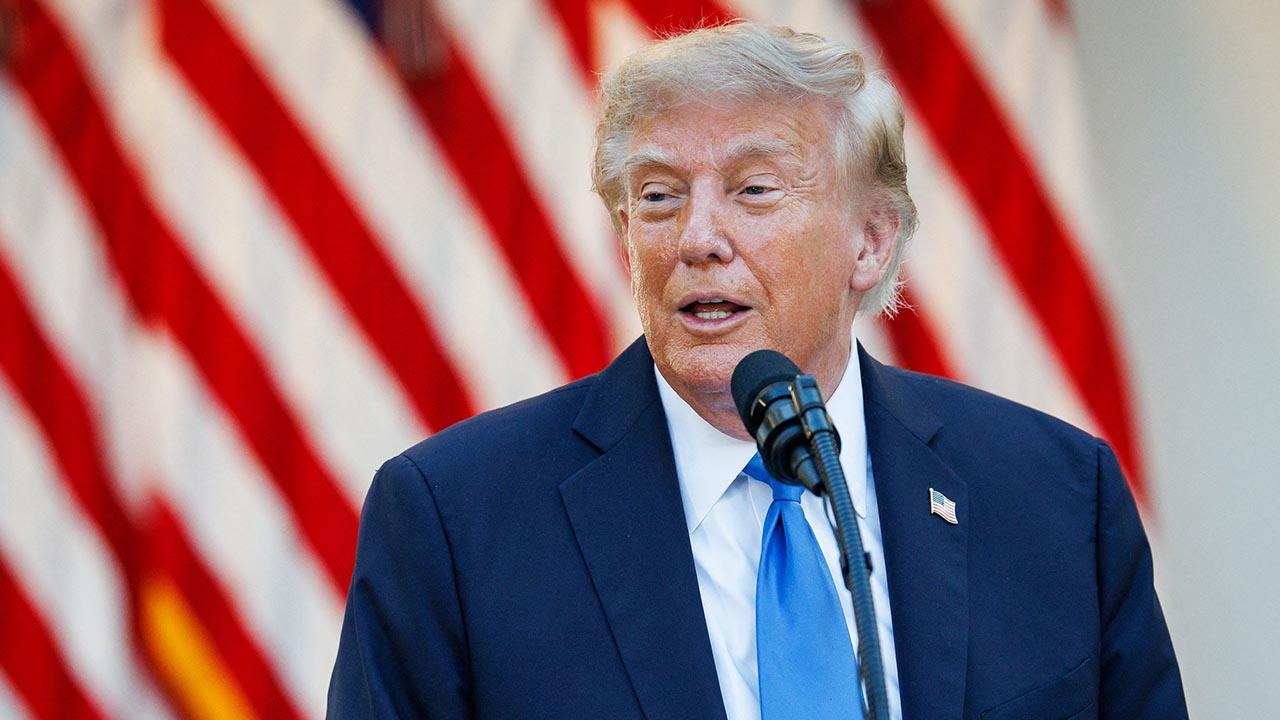
Trump's administration suffered a setback over FEMA's election-linked funding conditions.
The ruling vacated the controversial conditions, including a 20 percent holdback affecting more than $200million in grant money, just two days before FEMA was expected to issue its 2026 Homeland Security Grant Program awards.
The money is intended to help state and local governments prepare for, protect against, and respond to acts of terrorism.
But under FEMA's new requirements, states and high-risk urban areas faced losing access to a portion of that money unless they complied with a series of election-administration demands.
Sweeping Election Demands
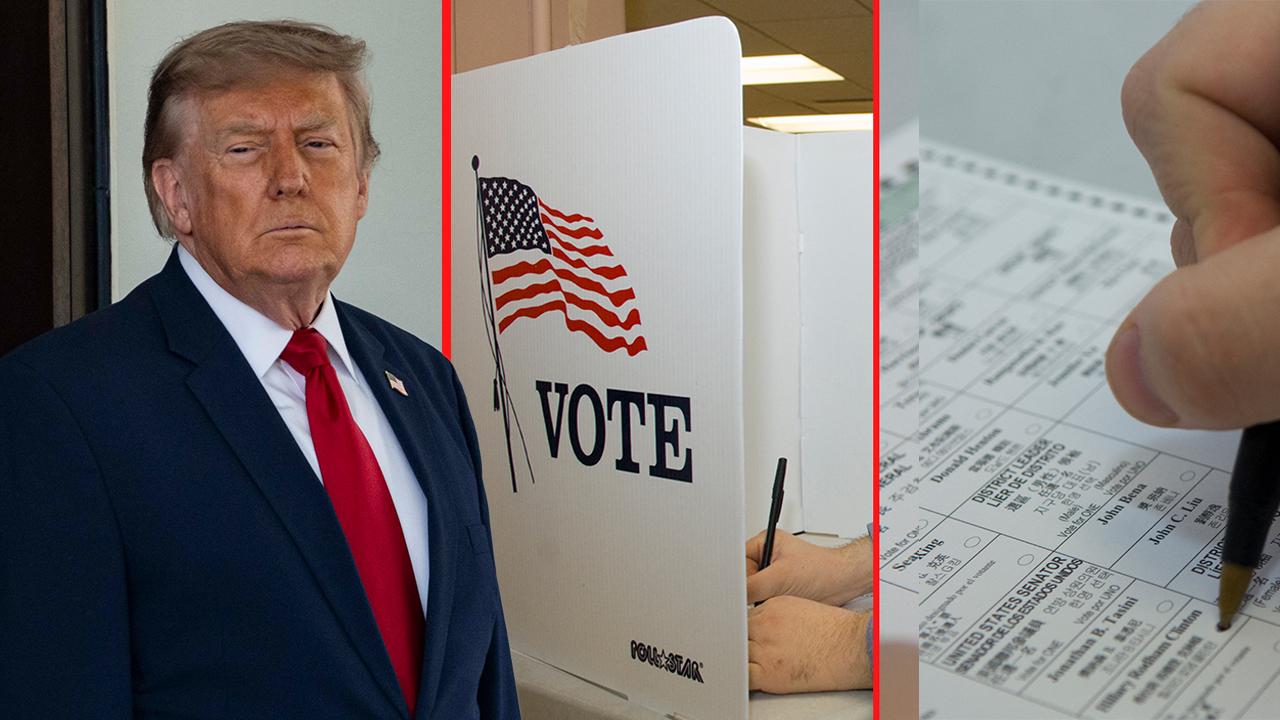
FEMA tied anti-terror funding to requirements involving voting and election administration.
Those conditions included plans to transition certain voting systems to hand-marked paper ballots, conducting five percent post-election manual audits, and reconciling the number of voters with ballots cast.
FEMA also sought citizenship verification of individuals in state voter-registration databases using the federal SAVE system, as well as citizenship checks for people working at polling places or operating election systems.
The court found Congress had authorized FEMA to distribute the grants to further counterterrorism objectives, not to use the prospect of federal funding to pressure states and local governments into carrying out the federal government's preferred election reforms at their own expense. The financial consequences could have been substantial.
Millions of Dollars on the Line
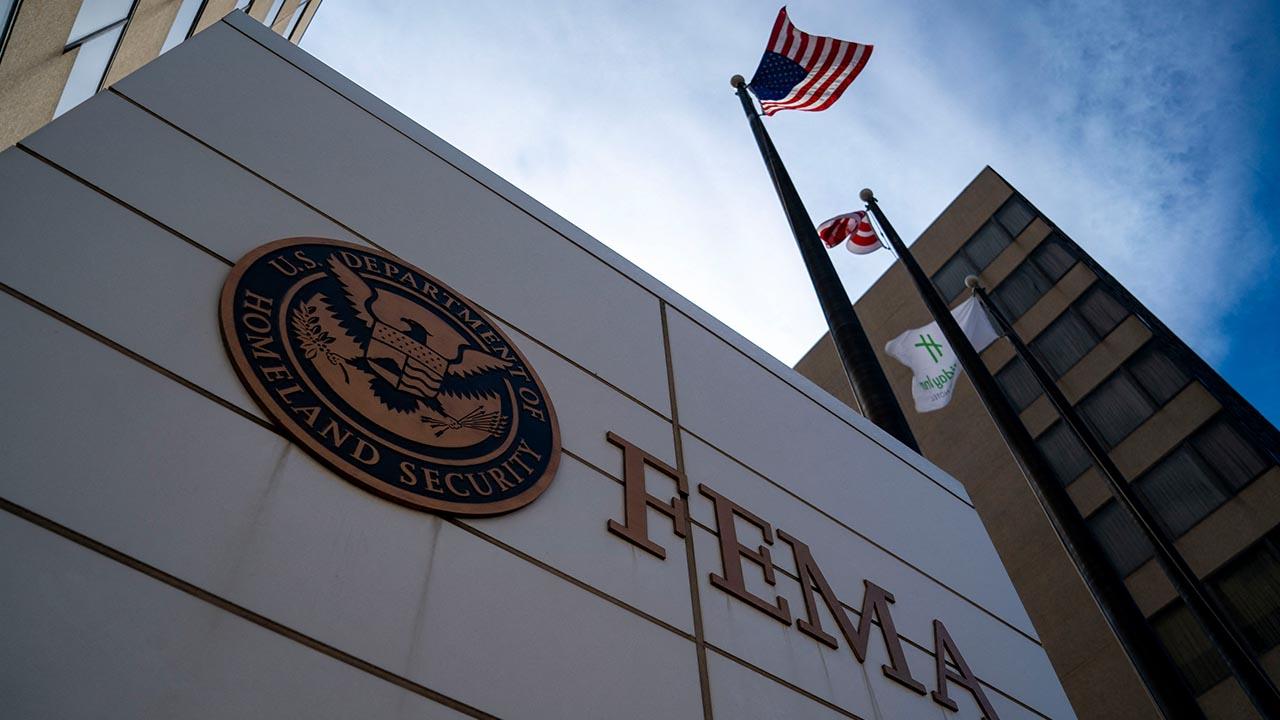
FEMA's election conditions threatened hundreds of millions in federal security funding.
Evidence cited in the ruling estimated Dallas County could face $7.25million in printing-equipment costs to comply with the ballot requirement, while Travis County and Nashville reported additional costs associated with other conditions. Ali also drew a distinction between protecting elections from terrorism and dictating routine election procedures.
The judge acknowledged FEMA can fund measures designed to protect election infrastructure from physical and cyber attacks, including cybersecurity assessments, DDoS protection, and physical security improvements.
But he concluded requirements concerning ballot forms, voter rolls, audits, and the eligibility of voters and poll workers went beyond what Congress authorized for the counterterrorism program.


Judge Pulls the Plug

Never Miss an

Daily updates from the heart of Hollywood, right to your inbox
By entering your email and clicking Sign Up, you’re agreeing to let us send you customized marketing messages about us and our advertising partners. You are also agreeing to our Terms of Service and Privacy Policy.
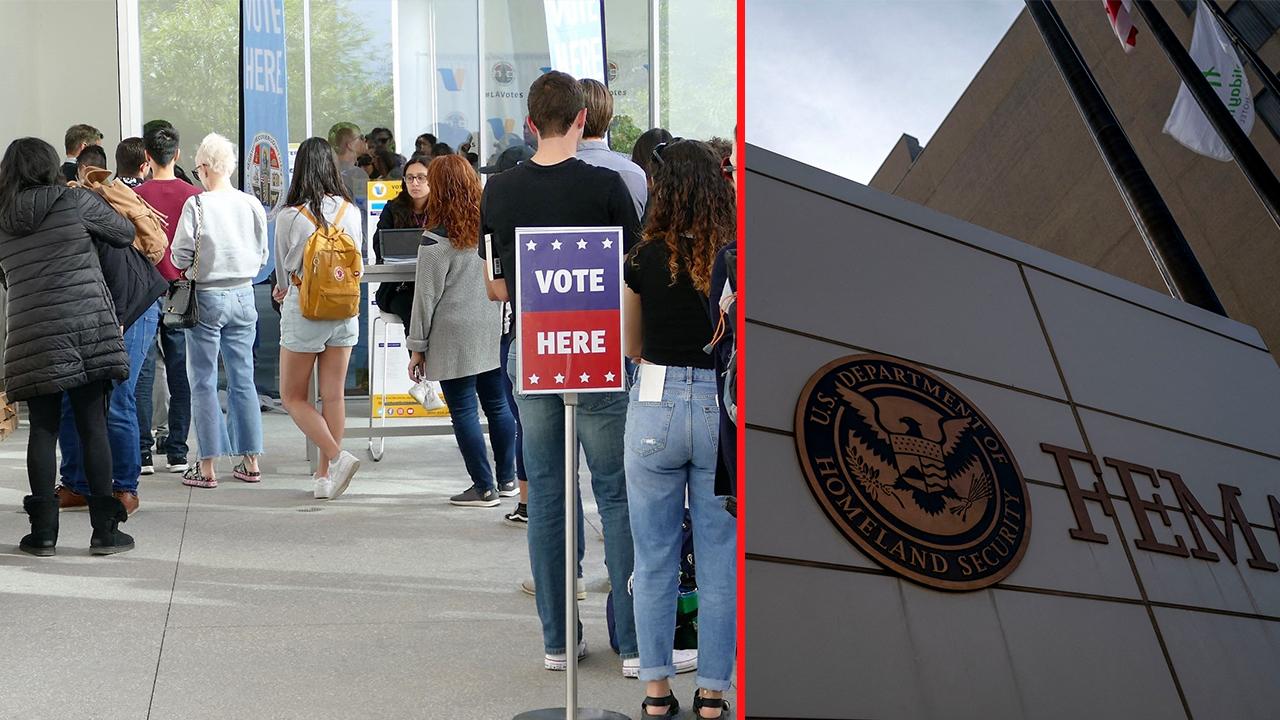
The court struck down the election conditions while leaving FEMA's broader grant program intact.
The court said the conditions carried "substantial economic significance" because jurisdictions faced either investing significant amounts of their own money to comply or potentially losing federal funding. The ruling does not dismantle FEMA's wider Homeland Security Grant Program.
Instead, Ali vacated the election-administration conditions, the accompanying 20 percent holdback and FEMA's August 10 guidance explaining how states were expected to comply.
The ruling came after local governments in Texas, Tennessee and Ohio challenged FEMA's conditions, arguing the agency had exceeded its authority. The court ultimately agreed on that central statutory claim, delivering a significant setback to the Trump administration's effort to connect federal counterterrorism dollars with changes to election administration.
